The Battle of Sekigahara: What Happened, Why It Matters, and How to Visit

Where history turned on a single morning
The Battle of Sekigahara was fought on October 21, 1600, in Gifu Prefecture, lasting just a few hours. Tokugawa Ieyasu's Eastern Army defeated Ishida Mitsunari's Western Army, clearing his path to become shogun in 1603 and launching over 260 years of Tokugawa rule. If the Shōgun TV series drew you into this era, Sekigahara makes a rewarding day trip from Nagoya.
This is history you can walk across, marked field by field in a small Gifu town.
Aspect |
Details |
Topic type |
History and cultural day trip |
Best time to think about this |
Before planning a Nagoya or Tokyo-Kyoto itinerary |
Ideal for |
History fans, Shōgun viewers, day-trippers from Nagoya |
Risk if ignored |
You might skip one of Japan's most significant historical sites |
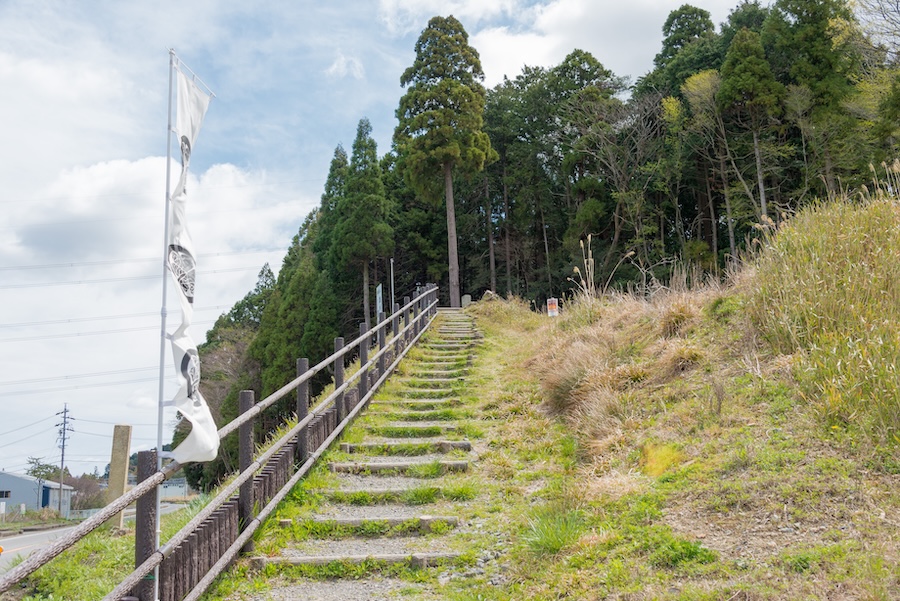
One morning's fighting reshaped Japan for the next two and a half centuries. One of the most legendary samurai battles in Japan's history, Sekigahara ended the Sengoku ("Warring States") period. In 1603, the emperor granted Ieyasu the title of shogun, formally establishing the Tokugawa shogunate and elevating Edo, now Tokyo, as the center of government. The daimyo system, sakoku (national isolation), and much of Edo-era society trace back to this single morning. You can see a direct line from it to today's Imperial Palace, built on the former site of Edo Castle.
A handful of scenes make the battle's history tangible on-site.
The lead-up: When Toyotomi Hideyoshi died in 1598, Ieyasu and rival Ishida Mitsunari built opposing coalitions until conflict became inevitable.
The battle: Fought in dense fog at dawn, the tide turned when General Kobayakawa Hideaki defected mid-battle, collapsing Mitsunari's rear within hours.
The museum visit: VR simulations and a panoramic observation deck bring the battlefield layout to life.
Walking the field: Marked command positions across the valley let you retrace troop movements on foot or by bike.
The autumn festival: Costumed reenactors and thousands of visitors turn the site into a living history event each October.
History fans and Shōgun viewers get the most out of visiting in person.
Especially helpful for anyone doing a Nagoya day trip
Also useful if you're following the Tokyo-Kyoto corridor
Good for anyone drawn in by Shōgun
Less essential if you're short on time and sticking strictly to Tokyo or Kyoto
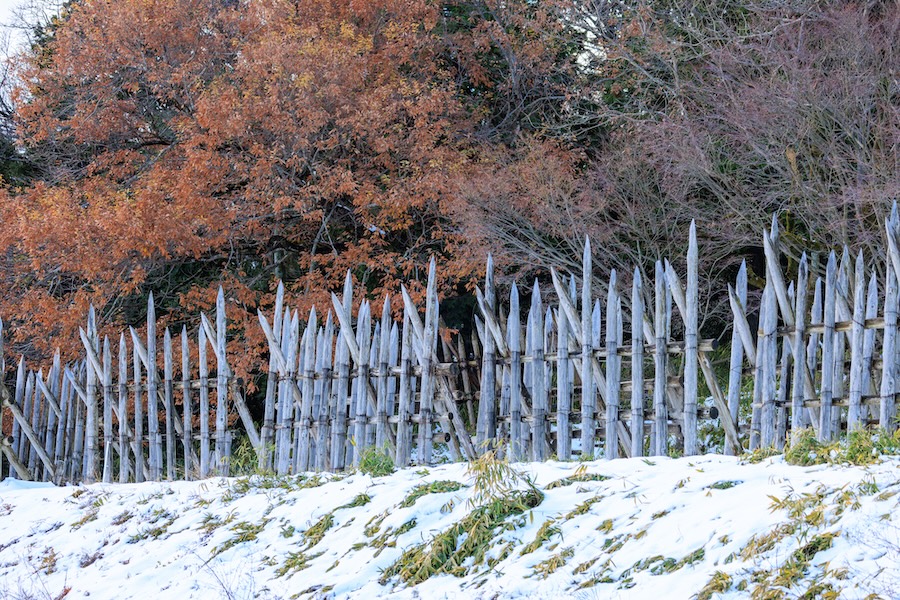
Sekigahara sits conveniently along a well-traveled rail corridor.
From Nagoya: A comfortable half-day trip by train.
Museum: The Gifu Sekigahara Battlefield Memorial Museum is a 10-minute walk from JR Sekigahara Station, with English exhibits and subtitled films.
Nearby pairings: Combine with Nagoya Castle, Gifu Castle, or Hikone Castle, one stop further at Maibara, plus ancient samurai districts and well-preserved historic cities like Nara and Kyoto.
Timing your visit around the festival adds a different dimension entirely.
The October Sekigahara Festival runs select weekends in mid-to-late October, with around 110 armored reenactors and 15,000 visitors. Check the official Visit Gifu website for dates.
A little route planning makes this an easy add-on to a wider trip.
From Nagoya Station, take the JR Tokaido Main Line to Ogaki, then transfer toward Maibara (~50 minutes, ¥990 one-way).
A JR Pass covers this well if Sekigahara is part of a broader trip; a Regional Pass may suit a Chubu-focused itinerary better.
Pocket Wi-Fi for navigation around the battlefield and the station
Meet & Greet for a smooth airport arrival if it's early in your trip
Museum admission cash: ¥500 for adults, ¥300 for students
A few small choices make the visit run smoothly.
Check exhibit hours before you go (9:30–17:00, last admission 16:30).
Rent a bike at the museum for the full walking route.
Check festival dates ahead if visiting in October.
Combine the trip with a nearby castle for a fuller day.
Don't visit on a Monday, since the museum is closed.
Don't rush the full site walk, since it takes just over two hours.
Don't skip checking if your JR Pass covers the route.
If the museum's closed, the outdoor battlefield markers are still walkable.
If you're short on time, the shorter trails take under an hour.
Different types of travelers can fit Sekigahara into a wider Japan itinerary in different ways.
Couple: Day trip from Nagoya, pairing Sekigahara with Nagoya Castle.
Family: Combine with Gifu Castle for a full day of hands-on history.
Solo traveler: Use the JR Pass to link Sekigahara into a longer Tokyo-Kyoto route.
For places to stay, JapanDen lists hotels in Nagoya for a convenient base, or accommodation in Gifu for a quieter, local feel.
Q: Who won the battle of Sekigahara?
A: Tokugawa Ieyasu's Eastern Army won after Kobayakawa Hideaki's mid-battle defection collapsed Mitsunari's Western Army.
Q: How long did the Battle of Sekigahara last?
A: The main fighting lasted roughly six hours on October 21, 1600, remarkably short for its consequences.
Q: How many soldiers fought at Sekigahara?
A: Combined forces are estimated at 150,000 to 170,000 troops, though many Western commanders withheld men.
Q: Is the Sekigahara battlefield still visible today?
A: Yes, it's a National Historic Site with major command positions marked and walkable from the station.
Q: Can you visit Sekigahara on a day trip from Nagoya?
A: Easily — the train takes about 50 minutes each way, with a few hours covering the highlights.
Q: Is the Sekigahara Memorial Museum good for non-Japanese speakers?
A: Yes, it has English exhibit descriptions, subtitled films, and multilingual leaflets throughout.
Q: How is the battle of Sekigahara connected to the TV series Shōgun?
A: The series draws on events leading to Sekigahara, with characters loosely inspired by Ieyasu, Mitsunari, and William Adams.
Q: What happened to Japan after Tokugawa Ieyasu won?
A: Ieyasu became shogun in 1603, established the Tokugawa shogunate, and his descendants ruled until 1868.
Q: When is the Sekigahara Festival held?
A: Selected weekends in mid to late October each year; check the official Visit Gifu website for dates.
Q: What made Kobayakawa's defection so decisive?
A: His mid-battle switch triggered further defections that hit the Western Army's rear and ended the fight.
Why should I book with JapanDen?
How do I book a hotel or ryokan through JapanDen?
What types of accommodations do you offer in Japan?
How can JapanDen help with planning my trip?
As well as booking accommodation, JapanDen is a place to learn more about Japan and how you can make the most of your time in this special country. From in-depth region guides to stories from Japan, we’ll be regularly publishing carefully curated insights from Japanese culture, with recommendations for the best activities and attractions and the latest news. Looking forward, we’ll also be adding special community features so you can share ideas and inspiration with like-minded people. Please come back and visit us regularly as we continue to add new content. We want JapanDen to be your home away from home too.
Do you offer guided tours in Japan, and how can I book one?
As part of the JRPass.com group, we offer a dedicated Meet and Greet service with expert personal assistance on your arrival in Japan booked via JRPass.com, alongside nationwide and regional rail passes for travel. As JapanDen grows, we will be offering more services and activities to provide a complete Japan travel experience.
Can I purchase Japan Rail Passes through your website?
JapanDen is part of the JRPass.com group, book your passes and tickets directly on JRPass.com