Ancient Japanese City

Japan’s living past
Looking for an ancient Japanese city vibe without guessing where to start? This curated collection highlights Japan’s best-preserved historic towns and districts, from lantern-lit streets and wooden townhouses to geisha lanes and former post towns that once served Edo-era travelers. Many of these areas are protected as traditional building preservation districts, which is why they remain walkable and closely tied to the past.
The selections focus on easy, train-friendly stops across Japan, with one countryside detour, and suit first-timers, culture lovers, photographers, and families who prefer a slower, more immersive pace.
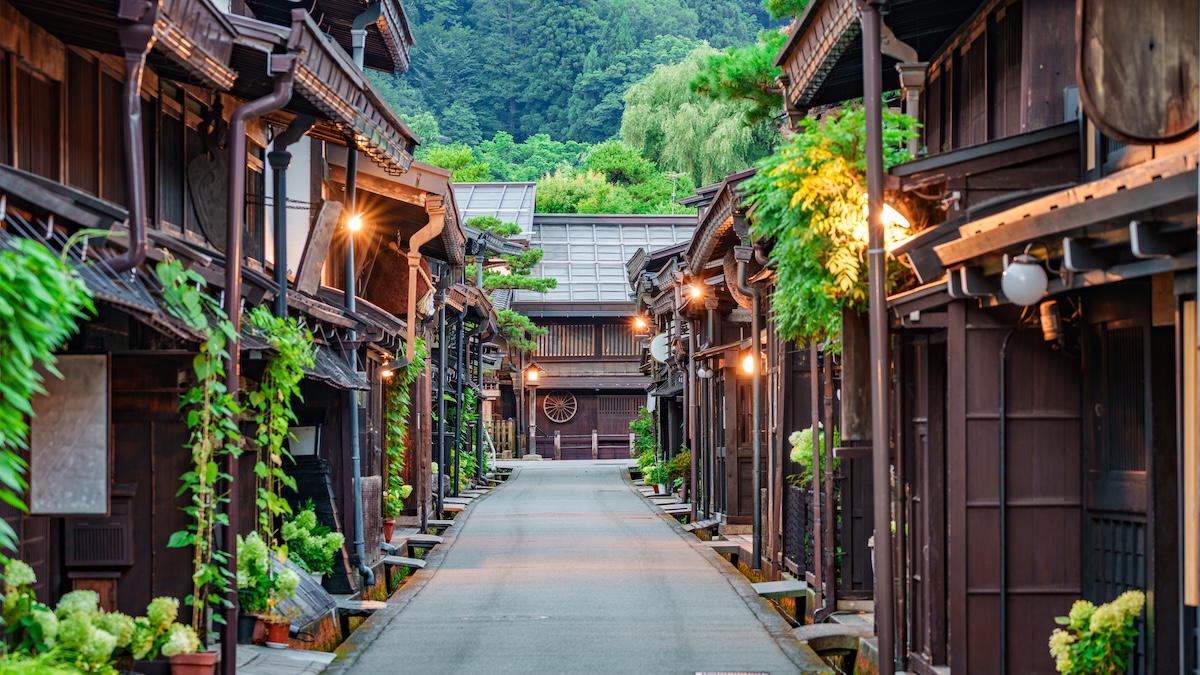
Item |
Details |
Type |
Historic district |
Location |
Kyoto Prefecture, Kyoto City |
Nearest Station |
Gion-Shijo Station (Keihan Line); Kyoto Station (bus access) |
Admission |
Free |
Official Website |
|
Best For |
First-timers, couples, photographers; some slopes and stone paths |
Item |
Details |
Type |
Historic district |
Location |
Nara Prefecture, Nara City |
Nearest Station |
Kintetsu-Nara Station; JR Nara Station |
Admission |
Free |
Official Website |
|
Best For |
Families, history fans, relaxed walking |
Item |
Details |
Type |
Preserved teahouse district |
Location |
Ishikawa Prefecture, Kanazawa City |
Nearest Station |
Kanazawa Station (bus access) |
Admission |
Free |
Official Website |
|
Best For |
Couples, culture lovers, photographers; mostly flat paths |
Item |
Details |
Type |
Historic merchant district |
Location |
Gifu Prefecture, Takayama City |
Nearest Station |
Takayama Station (JR Takayama Line) |
Admission |
Free |
Official Website |
|
Best For |
Traditional town feel, food lovers, slow travelers |
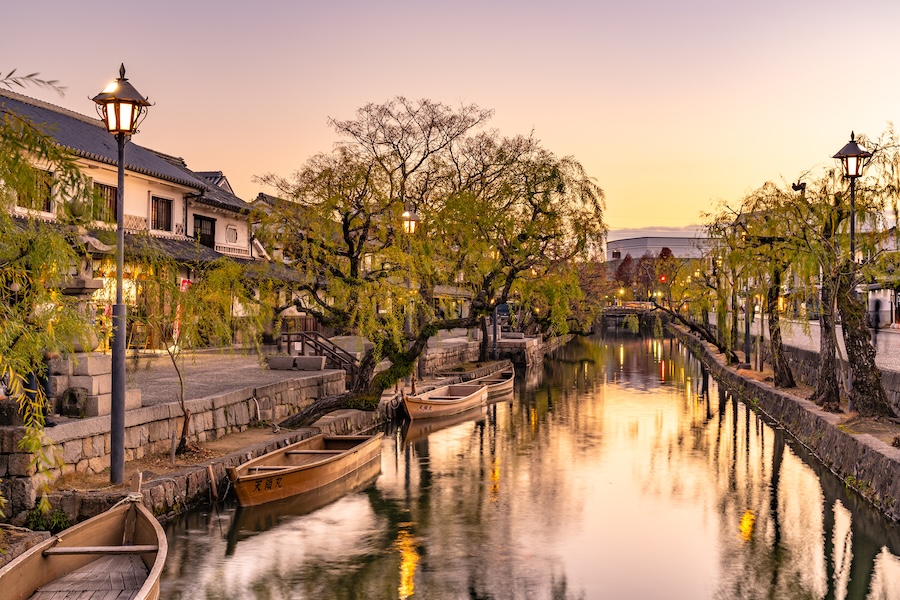
Item |
Details |
Type |
Canal-side historic district |
Location |
Okayama Prefecture, Kurashiki City |
Nearest Station |
Kurashiki Station (15-minute walk) |
Admission |
Free |
Official Website |
|
Best For |
Families, photographers, easy strolling |
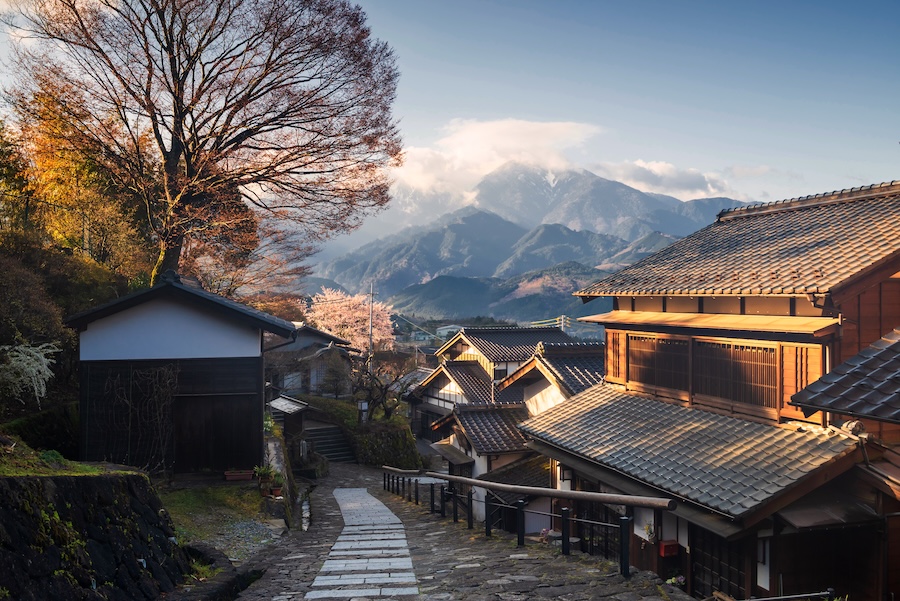
Item |
Details |
Type |
Edo-period post towns |
Location |
Nagano & Gifu Prefectures |
Nearest Station |
Nakatsugawa Station / Nagiso Station |
Admission |
Free |
Official Website |
|
Best For |
History fans, walkers; uneven paths and hills |
This isn’t a single attraction—it’s a flexible route through Japan’s former capitals, Edo-era streets, and preserved merchant towns.
Historic streetscapes: Wooden machiya houses, lattice windows, canals, and sake breweries
Cultural immersion: Geisha districts, tea culture, artisan crafts, and small local museums
Easy add-ons: Gardens, castles, and temples often sit within walking distance
Varied atmospheres: From Kyoto’s famous lanes to quieter alternatives like Kurashiki
Each stop offers a slightly different mood, so you can mix iconic highlights with calmer, lesser-known areas.
This route works well for many travel styles.
First-timers: Kyoto and Nara form an easy starting point, with Kanazawa as a crowd-lighter alternative
Families: Nara and Kurashiki offer wider paths and relaxed pacing
Couples and photographers: Evening strolls in lantern-lit districts create memorable photo moments
History fans: Add Asuka and Nakasendo post towns for deeper early-Japan and Edo-period context
Most major stops are tourist-friendly, with English signage, station lockers, and helpful staff.
A few planning details make a big difference.
Best arrival times: Early mornings offer quieter streets, while late afternoons are ideal for golden-hour light.
Tickets: Streets are free to explore, but popular houses and museums are best visited right at opening time.
Must-bring items: Bring cash for small shops, a power bank, and a pocket Wi-Fi for navigation.
Navigation: Some rural towns require a combination of local trains and buses.
Peak seasons: Spring and autumn are the busiest periods, especially in Kyoto.
Etiquette reminders: Visitors should be respectful in residential areas and follow posted photography rules.
Comfort comes first.
Footwear: Supportive walking shoes for stone paths and uneven lanes
Rain prep: Compact umbrella and light jacket
Seasonal layers: Cool evenings outside of summer, especially in mountain towns
Because this is a multi-stop experience, planning around rail hubs works best.
Popular rail loop: Kyoto → Nara → Kanazawa → Takayama → Kiso Valley → Kurashiki
By Train:
Kyoto: Kyoto Station as your base for Gion and the surrounding districts
Nara: Easy day trip from Kyoto or Osaka
Kanazawa: Accessible via Hokuriku Shinkansen
Takayama: Reached by limited express routes
Kiso Valley: Combination of local trains and buses
Kurashiki: About a 15-minute walk from Kurashiki Station
By Bus: Useful for rural connectors, especially in the Kiso Valley
By Car or Taxi: Helpful in spread-out areas, such as countryside sites near Nara
By Bike or On Foot: Popular in rural heritage areas near Nara, with flat local roads connecting historic sites
Round out each stop with nearby experiences.
Food & Drinks: Traditional sweets and local specialties are common across all stops, with wider vegetarian and vegan options in Kyoto, Kanazawa, and Nara.
Attractions & Experiences: Temple grounds, gardens, canal walks, small museums, and scenic viewpoints are typically located within walking distance of historic districts.
Shopping: Expect regional crafts, artisan goods, and packaged snacks, with stronger craft traditions in Kanazawa, Takayama, and Kurashiki.
Many of Japan’s historic areas survived fires, earthquakes, and redevelopment thanks to preservation efforts. Some are officially protected districts, which helps maintain their traditional appearance.
If you’re interested in Japan’s ancient capitals, the classic progression is Asuka, Nara, and then Kyoto. If your interest leans toward Edo-period history, remember that Edo is the former name of Tokyo and shaped much of modern Japan’s urban culture.
Turn your itinerary into a smooth trip with these tools.
Stay: Find hotels near major hubs using JapanDen, especially around Kyoto, Kanazawa, and Takayama.
Transport: A JR Pass works well if you’re crossing multiple regions. If your trip focuses on one area, a regional pass like the Kansai Area Pass may be a better value.
Connectivity: Stay connected with Pocket Wi-Fi, which can be added during JR Pass or Regional Pass checkout.
Personal Assistance: A Meet & Greet service can help first-time visitors navigate airports and initial transfers.
Japan basics: Carry small cash, use IC cards for local transit, and follow posted etiquette in historic areas.
Q: Do I need a ticket?
A: No ticket is required to walk historic streets. You’ll only pay for specific attractions.
Q: Is it kid-friendly?
A: Yes, especially in Nara and Kurashiki. Rural post towns may involve uneven paths.
Q: Is there shelter from the rain?
A: Some areas have covered walkways and indoor cafés, but bring rain gear.
Q: Are pets allowed?
A: Streets are generally fine, but attractions and shops may restrict pets.
Q: Are there English signs?
A: Major destinations have good English support; rural towns may have less.
Q: What is the oldest city in Japan?
A: There’s no single agreed-upon answer, but Asuka and Nara are closely tied to Japan’s earliest capitals.
Q: What was Japan’s capital before Kyoto?
A: Before Kyoto, capitals were associated with places like Asuka and Nara.
Q: What is Edo in Japan?
A: Edo is the former name of Tokyo during the Tokugawa shogunate.
Q: Where can I see traditional Japanese towns today?
A: Kyoto’s Gion, Kanazawa’s Higashi Chaya District, Takayama’s old town, Kurashiki’s canal area, and the Nakasendo post towns.
Q: Is the Nakasendo Trail suitable for beginners?
A: Yes—short sections like Magome to Tsumago are popular and manageable.
Why should I book with JapanDen?
How do I book a hotel or ryokan through JapanDen?
What types of accommodations do you offer in Japan?
How can JapanDen help with planning my trip?
As well as booking accommodation, JapanDen is a place to learn more about Japan and how you can make the most of your time in this special country. From in-depth region guides to stories from Japan, we’ll be regularly publishing carefully curated insights from Japanese culture, with recommendations for the best activities and attractions and the latest news. Looking forward, we’ll also be adding special community features so you can share ideas and inspiration with like-minded people. Please come back and visit us regularly as we continue to add new content. We want JapanDen to be your home away from home too.
Do you offer guided tours in Japan, and how can I book one?
As part of the JRPass.com group, we offer a dedicated Meet and Greet service with expert personal assistance on your arrival in Japan booked via JRPass.com, alongside nationwide and regional rail passes for travel. As JapanDen grows, we will be offering more services and activities to provide a complete Japan travel experience.
Can I purchase Japan Rail Passes through your website?
JapanDen is part of the JRPass.com group, book your passes and tickets directly on JRPass.com
.jpg)