Imperial Palace Tokyo
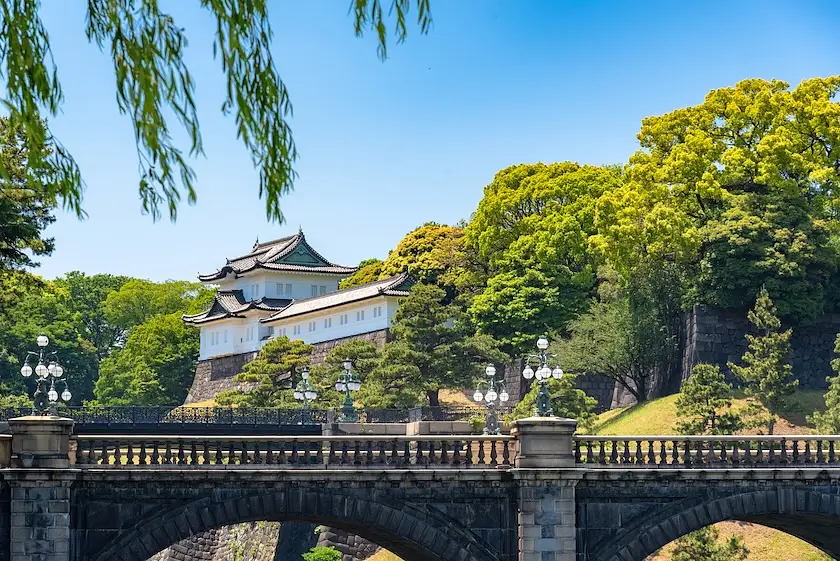
Where imperial history meets contemporary Tokyo under a majestic designer crown
If Tokyo had a beating heart, it would reverberate from the expansive grounds of the Imperial Palace. As the official residence of Japan's Imperial Family, this sprawling estate stands as the ultimate symbol of monarchy, peace, and meticulously manicured elegance. Nestled right in the bustling epicenter of Japan's vibrant capital, the Tokyo Imperial Palace seamlessly bridges centuries of honored tradition with modern, glittering skyscrapers. Imagine a space as expansive as Central Park, but artfully curated by master Zen landscape architects who treat every ancient stone bridge, defensive moat, and black pine tree as a timeless work of art.
Here's the practical reality: while you can't casually stroll into the Emperor's private residence for afternoon tea, vast sections of the estate—including the tranquil East Gardens, ancient moats, and iconic double-arched Nijubashi Bridge—are completely open to the public and breathtaking year-round. Whether you're a romantic at heart, a passionate history enthusiast, or a traveler seeking that iconic postcard photo, this serene sanctuary is where Tokyo's fast pace comes to a graceful pause, offering visitors a majestic taste of royal heritage.
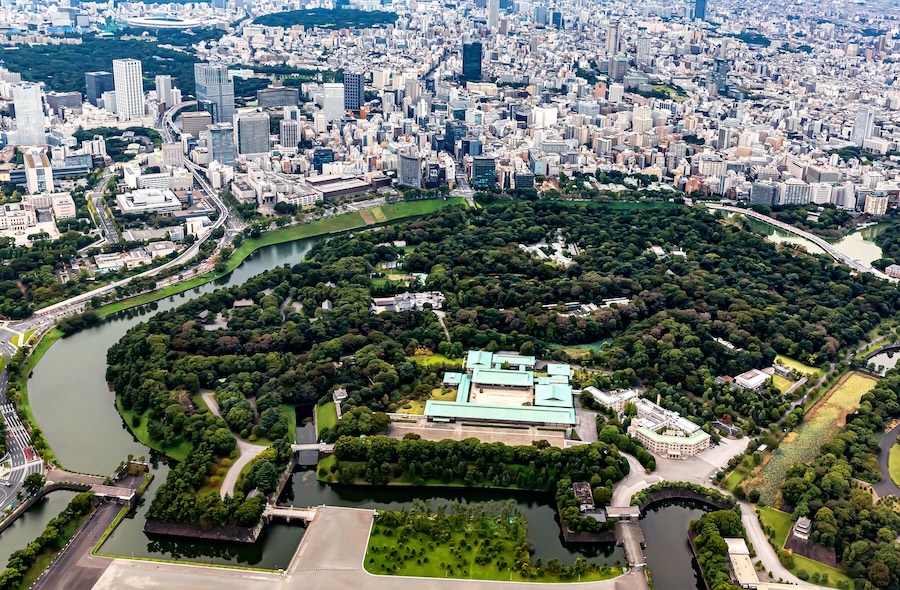
Everything you need to know before visiting:
Key Details |
|
Attraction Type |
Historical landmark / royal residence / public gardens & park |
Location |
Chiyoda City, Central Tokyo, Japan |
Address |
1-1 Chiyoda, Chiyoda-ku, Tokyo 100-8111 |
Opening Hours |
East Gardens: Tuesday–Thursday & Saturday–Sunday, 9:00 AM–4:30 PM (closing hours extend to 5:00 PM in summer and 4:00 PM in winter) Closed: Mondays, Fridays, and New Year holidays (Dec 28–Jan 4); if Monday is a national holiday, closed on Tuesday |
Admission/Ticket |
Free entry (East Gardens, Outer Grounds, and Kokyo Gaien National Garden) |
Official Website |
|
Nearest Station |
Tokyo Station (Marunouchi Exit), Nijubashimae Station (Chiyoda Line), Otemachi Station (Multiple Metro lines) |
Languages/Signage |
Comprehensive Japanese and English signage throughout; free multilingual audio tours and mobile apps available. |
Best For |
Couples, families, photographers, solo wanderers, architecture enthusiasts, and lovers of history. |
Visiting the Imperial Palace isn't merely a stop at a historical landmark—it is Tokyo's ultimate urban oasis and cultural retreat. The expansive outer grounds act as a peaceful buffer between the past and the present.
Picture massive stone guard walls rising above deep water moats reflecting sky-high glass towers, hundreds of perfectly sculpted black pine trees scattered across wide gravel plazas, and a profound tranquil quiet that makes you forget you are just moments away from Ginza's world-famous shopping avenues and financial centers.
Here is your curated guide to the top highlights across the palace grounds:
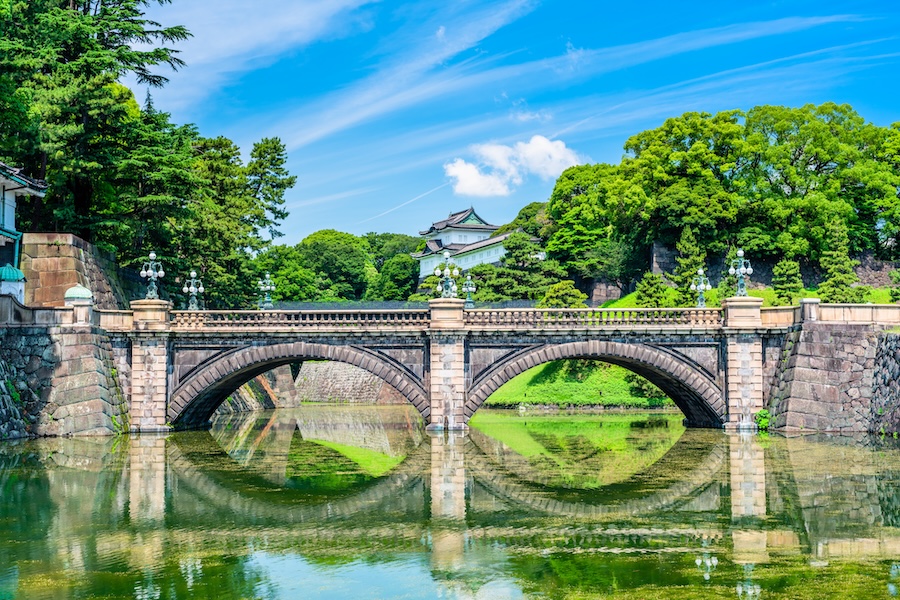
Nijubashi Bridge: Tokyo’s iconic royal photo spot (pictured below). Comprising two distinct bridges—the main stone bridge and an inner iron bridge—it forms a picturesque gateway framed by ancient stone turrets.
Imperial Palace East Gardens: Built on the former site of Edo Castle's innermost defenses, featuring broad open lawns, massive stone foundation ruins of the original castle keep, traditional Ninomaru Japanese gardens, and colorful koi ponds.
Otemon Gate: The historic main entrance to the East Gardens, constructed with formidable wooden gates and heavy stone walls that once protected the Shogun.
Kikyomon Gate Tours: Free official guided palace tours organized by the Imperial Household Agency (advance booking required online, with limited same-day tickets). Allows access past inner checkpoints.
Seasonal Magic: Spring brings vibrant cherry blossoms around Chidorigafuchi moat; autumn showcases fiery maple and golden ginkgo foliage; winter provides crisp, clear views and tranquil scenery.
This unique sanctuary is where Japan's imperial legacy and modern architectural grace exist in perfect equilibrium—offering visitors an unforgettable journey into the heart of Tokyo's history.
Whether you are visiting Tokyo for the first time or returning to explore deeper, the palace offers something inspiring for every traveler profile.
Couples: The serene pathways, scenic bridges, and manicured seasonal gardens offer a romantic setting for quiet walks and memorable photographs.
Solo travelers: Ideal for reflective morning strolls along the outer gravel paths and relaxing amidst lush garden greenery away from city noise.
Families: Safe, expansive, stroller-friendly walkways with plenty of open space for children to explore historical ruins and wide garden paths.
Photographers: Striking contrast between traditional Japanese architecture, massive stone ramparts, reflections on water moats, and modern skyscrapers backgrounding every shot.
History lovers: The original site of Edo Castle, featuring intact guardhouses, monumental stone wall masonry, and exhibits detailing the transition from feudal rule to imperial capital.
Even if you aren't deeply familiar with Japanese history, the beauty, order, and spatial harmony of the palace grounds leave a lasting impression on everyone.
Keep these insider tips in mind to maximize your experience while visiting the palace grounds.
Arrive early: Entering right as the East Gardens open at 9:00 AM ensures peaceful views, cooler temperatures, and lighter crowds for photography.
Reserve palace tours ahead: Official guided tours of the inner grounds fill up weeks in advance through the Imperial Household Agency website; book early to secure your spot.
Wear suitable footwear: The grounds cover extensive distances over gravel, paved roads, and stone steps—comfortable walking shoes are essential.
Bring essentials: Carry a water bottle, sun protection, and a portable power bank. Vending machines are limited inside, and there are no full restaurants on the garden grounds.
Best time to visit: Spring (late March to early April for cherry blossoms) or Autumn (November for foliage). Early morning or late afternoon provides optimal lighting for photos.
Pocket Wi-Fi / eSIM: Essential for using real-time translation tools, navigating multi-line subway stations nearby, and downloading official audio tour guides.
Opt for respectful, smart-casual attire with comfortable layering. Light, breathable fabrics like linen and cotton work best during warm months, alongside a broad-brimmed sun hat and sunglasses. Because the grounds are vast and respectful decorum is observed across historical sites, comfortable walking shoes and polished outfits fit the environment perfectly.
By Train / Subway:
From Tokyo Station (Marunouchi Exit), take a scenic 10-minute walk straight down Gyoko-dori avenue toward the main plaza and Nijubashi Bridge.
Take the Tokyo Metro Chiyoda Line directly to Nijubashimae Station (Exit 2), which exits directly adjacent to the outer moat, or access Otemon Gate via Otemachi Station (Exit C10).
By Bus: Multiple Toei Bus lines run regularly between Tokyo Station and surrounding neighborhoods, stopping nearby at Otemachi and Wadakura Fountain Park.
By Taxi: Taxis are readily available throughout central Tokyo. Instruct your driver to head to "Kokyo" (Imperial Palace) or specify "Otemon" for direct East Garden access.
On Foot or Bicycle: The 5-kilometer perimeter path around the palace moat is one of Tokyo's most popular routes for walking, jogging, and cycling tours.
Enhance your day trip with these top dining and sightseeing destinations located just steps away from the palace perimeter.
Food & Dining Highlights:
The Peninsula Tokyo: Renowned for exquisite afternoon tea, fine dining, and elevated views overlooking the Hibiya moat and palace gardens.
Marunouchi Café x WIRED: A stylish contemporary café ideal for specialty coffee, quick lunches, and relaxation after exploring the gardens.
Ginza District: Located just a 10-minute walk away, featuring world-class Michelin-starred restaurants, historic department stores, and luxury shopping plazas.
Nearby Attractions & Culture:
Hibiya Park: Japan's first Western-style modern park, famous for seasonal flower displays, open-air concerts, and peaceful walking paths.
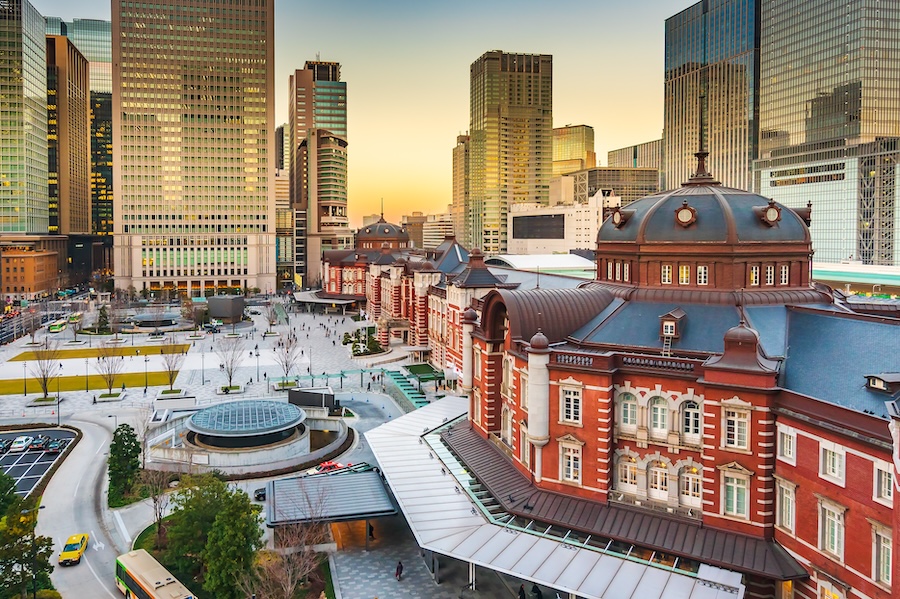
Tokyo Station Red Brick Building: Restored 1914 architectural landmark featuring underground shopping streets, gourmet dining corridors, and regional souvenirs.
Yasukuni Shrine & Yushukan Museum: Located on the northwest side of the palace moat, offering deep insights into Japan's modern military history.
Marunouchi Building & Kitte Complex: Prime shopping hubs offering rooftop observation decks with panoramic views of Tokyo Station and palace plaza.
The site of the Imperial Palace has played a pivotal role in Japanese history for centuries. Originally the site of Edo Castle, the formidable seat of the Tokugawa Shogunate from 1603 to 1867, it was once the largest fortress complex in the world. When imperial rule was restored in 1868, Emperor Meiji moved the capital from Kyoto to Tokyo and established his residency on these historic grounds.
While the inner imperial residence remains private year-round, the public is granted special access to the inner palace grounds on two specific occasions: January 2 (New Year's Public Greeting) and February 23 (The Emperor's Birthday). On these dates, members of the Imperial Family appear on the glassed balcony of the Chowaden Hall to address visiting crowds.
Beyond its political and historical significance, the Imperial Palace serves as a living monument of ecological preservation. The surrounding moats and dense forests provide sanctuary to hundreds of species of birds, plant life, and fish right in the middle of modern metropolitan Tokyo.
Planning Your Trip & Travel Basics
Stay: Book a hotel near Tokyo Station or Marunouchi for seamless access to subway lines and easy morning walks by the outer moat.
Transport: If traveling between cities across Japan, utilize the JR Pass for unlimited Shinkansen travel into Tokyo Station from Kyoto, Osaka, or Hiroshima.
Connectivity: Rent a Pocket Wi-Fi unit or eSIM ahead of time to stay connected, check garden schedules, and navigate the city seamlessly.
Meet & Greet: Simplify your arrival at Haneda or Narita Airport by arranging an official Meet & Greet service to guide you directly to your train or private transfer.
Japan Etiquette: Always carry Japanese Yen for minor transactions, observe designated walkway rules, and respect quiet zones around historical sites.
Q: Is the Imperial Palace open to the public every day?
A: The outer grounds, Nijubashi plaza, and Kokyo Gaien are open 24/7. However, the East Gardens are closed on Mondays, Fridays, and official holidays. Guided tours run on set schedules Tuesday through Saturday.
Q: Is admission to the Imperial Palace grounds free?
A: Yes! Entry to the East Gardens, outer plaza, and official guided palace tours is completely free of charge.
Q: Can visitors go inside the actual Imperial Palace building?
A: No. The residential buildings remain strictly private. However, joining an official guided tour allows access inside the inner palace compound past historic guardhouses and bridges.
Q: Where is the Tokyo Imperial Palace located?
A: It is located in Chiyoda Ward in central Tokyo, directly west of Tokyo Station and north of Hibiya Park.
Q: Why is the Imperial Palace so famous?
A: It stands on the former grounds of Edo Castle, serves as the home of Japan's ruling Emperor, and features iconic landmarks like Nijubashi Bridge, defensive moats, and pristine gardens.
Q: How do I book tickets for an official Imperial Palace tour?
A: Advance reservations can be made online via the Imperial Household Agency website. A limited number of same-day walk-in tickets are also distributed at Kikyomon Gate starting at 9:00 AM and 12:30 PM.
Q: How much time should I plan for a visit?
A: Plan on spending 1.5 to 2.5 hours to thoroughly explore the East Gardens, view Nijubashi Bridge, and walk along the outer ramparts at a relaxed pace.
Q: Is luggage storage available at the Imperial Palace?
A: Large luggage and suitcases are not permitted inside the East Gardens or on tours. Visitors should use coin lockers or luggage storage services located nearby at Tokyo Station or Otemachi Station before arriving.
Q: Are the Imperial Palace grounds wheelchair and stroller accessible?
A: Yes, main pathways in Kokyo Gaien and the East Gardens are paved or covered in gravel and feature accessible ramps and restrooms. Some steep slopes exist near historical Edo Castle walls.
Q: Can you rent bicycles to ride around the palace moat?
A: Yes! On Sundays, the Palace Cycling Course operates along Uchibori-dori street, where visitors can borrow free bicycles or use local bike-share services to ride along the scenic perimeter route.
Why should I book with JapanDen?
How do I book a hotel or ryokan through JapanDen?
What types of accommodations do you offer in Japan?
How can JapanDen help with planning my trip?
As well as booking accommodation, JapanDen is a place to learn more about Japan and how you can make the most of your time in this special country. From in-depth region guides to stories from Japan, we’ll be regularly publishing carefully curated insights from Japanese culture, with recommendations for the best activities and attractions and the latest news. Looking forward, we’ll also be adding special community features so you can share ideas and inspiration with like-minded people. Please come back and visit us regularly as we continue to add new content. We want JapanDen to be your home away from home too.
Do you offer guided tours in Japan, and how can I book one?
As part of the JRPass.com group, we offer a dedicated Meet and Greet service with expert personal assistance on your arrival in Japan booked via JRPass.com, alongside nationwide and regional rail passes for travel. As JapanDen grows, we will be offering more services and activities to provide a complete Japan travel experience.
Can I purchase Japan Rail Passes through your website?
JapanDen is part of the JRPass.com group, book your passes and tickets directly on JRPass.com