.jpeg)
Not a nationwide crackdown
Quick Summary
Japan is not banning Airbnb-style private lodging (minpaku) across the country. On June 17, 2026, Japan's Tourism Agency announced plans to enable local governments to effectively ban minpaku private lodging services through ordinances if such operations pose a threat to the local living environment. For most travelers booking licensed properties in tourist zones, very little changes.
Date |
June 17, 2026 |
Location |
Nationwide |
Type of News |
Japan Travel Regulation / Japan Travel Trend |
Audience Affected |
1 – Tourists / 2 – Local Residents / 3 – Businesses |
Official Source |
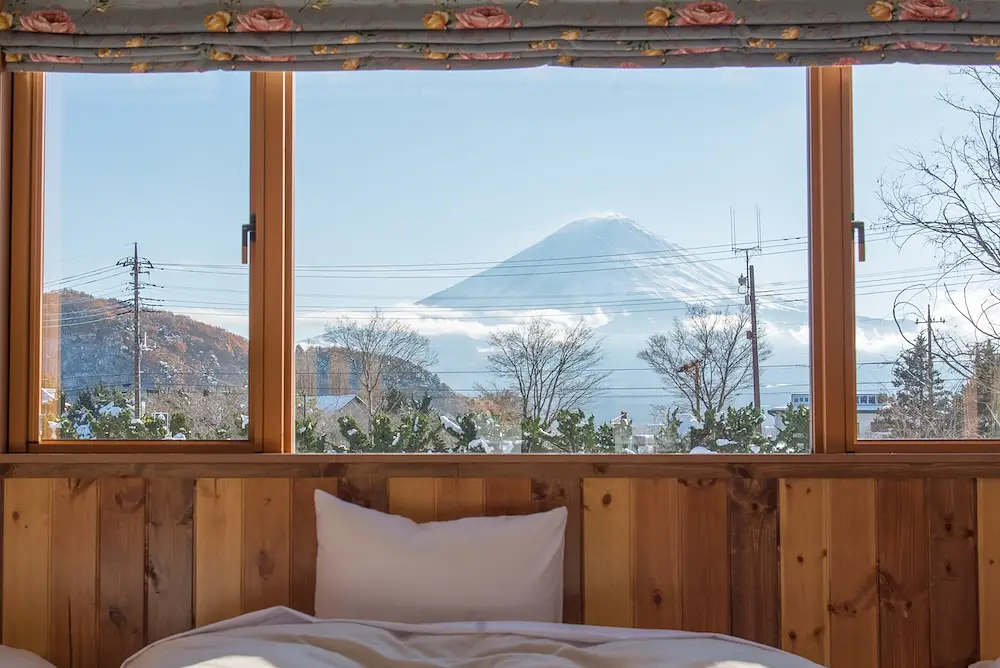
.jpeg "Minpaku (private lodging) can be a wonderful type of accommodation to try during a visit to Japan due to its authenticity, intimacy, and often its budget friendly nature.")
Main Story
Japan's Tourism Agency reversed a long-standing position on June 17, 2026, announcing plans to issue a nonbinding advisory to local governments by the end of June allowing them to set the annual operating limit for registered minpaku properties to zero — effectively banning short-term home rentals in designated residential areas.
This shift marks an about-face for an agency that had treated outright bans as "inappropriate" since the Private Lodging Business Act took effect in June 2018 and represents a departure from the law's purpose of expanding tourist lodging supply. The driver is a steady rise in resident complaints about noise and improper garbage disposal from guests staying in otherwise quiet residential streets.
Each municipality will decide independently whether to act. The agency also plans to pilot a nighttime call center this fiscal year to take noise complaints directly, adding another channel through which municipalities can build the case for tighter local ordinances. New local rules may also encourage or require operators to install noise meters and entrance cameras.
Which Areas Are Already Signaling Change?
Two Tokyo wards already show what tighter restrictions look like: Meguro Ward's ordinance already limits operation citywide to the window between Friday noon and Sunday noon and caps annual business at roughly 104 days, while Arakawa Ward permits only Saturday noon through Monday noon.
Kyoto, where residential zones already restrict minpaku to a narrow winter window each year, is preparing a further ordinance revision for its city council later this fiscal year. Karuizawa in Nagano has called for a townwide prohibition. Nationally, around 40,700 properties were registered as of May 2026, against a backdrop of rising complaints about problem minpaku operators that pushed the agency toward tighter local enforcement in the first place.
Why This Matters For Travelers
For the majority of visitors, this change will be invisible. The new restrictions target specific residential pockets, not the tourist-facing accommodation that most people book.
Platforms operating in Japan, including Airbnb, already require hosts to obtain and display a valid notification number on every listing under the existing law, and unregistered properties are subject to removal. A listed property in an established tourist area with a visible registration number is unlikely to be affected by zero-day ordinances, which are aimed at quiet residential neighborhoods where complaints have accumulated.
If you are booked in Kyoto's residential zones or in towns like Karuizawa, check with your host that the property remains operational for your dates, particularly for stays in late 2026 or 2027. Most platforms offer refunds and rebooking options if a host cancels due to regulatory changes.
For travelers who want to avoid this uncertainty entirely, hotels and ryokan booked through JapanDen operate under separate licensed hotel frameworks that are not subject to minpaku rules.
What Comes Next
Individual cities and wards will now decide whether and how to revise their ordinances, a process that could take months. Check your booking platform for updates if you are staying in a residential area, and verify the tourism agency notice once it is formally published.
This change is part of Japan's broader effort to manage the strain of record visitor numbers. The minpaku restrictions sit alongside rising departure taxes and local accommodation levies as tools aimed at protecting residents' quality of life. Responsible guest behavior, such as sorting garbage correctly, keeping noise down, and respecting quiet hours, is directly connected to why these rules exist. Our guides to hostels in Japan and vacation rentals cover what to expect across Japan's accommodation types.
None of this needs to complicate your trip planning. A JR Pass lets you base yourself in a well-connected city hub and travel freely between destinations, rather than committing to accommodation in a potentially restricted neighborhood. Pair it with Pocket Wi-Fi to check registration numbers and local rules on the go, and a Meet & Greet service for a smoother start at the airport.

FAQs
Q: Is Airbnb banned in Japan?
A: No, Japan isn't imposing a nationwide ban. Municipalities can now restrict rentals in specific residential areas only.
Q: What is minpaku?
A: Minpaku is private lodging registered under Japan's 2018 law, allowing up to 180 rental days per year.
Q: How can I tell if a minpaku listing is licensed?
A: Look for a registration number on the listing page. A missing number is a red flag.
Q: Which areas face the biggest risk of new restrictions?
A: Residential Kyoto, Karuizawa in Nagano, and certain Tokyo wards; central tourist districts are less affected.
Q: What should I do if my booking gets canceled due to new rules?
A: Contact your booking platform directly for refunds; hotels are a reliable licensed alternative.
Q: Why is Japan making this change now?
A: Rising resident complaints about noise and improper garbage disposal pushed the Tourism Agency to reverse course.
Q: Does this affect hotel or ryokan bookings?
A: No, hotels and ryokan use a separate business license, unaffected by minpaku day caps or bans.
Q: Can a municipality ban minpaku entirely?
A: Yes, by setting the annual operating cap to zero in specific zones, decided area by area.
Q: Is this related to Japan's other new tourist fees?
A: It's part of the same overtourism management trend, alongside departure taxes and accommodation levies.
Q: Should this change my decision to book a minpaku in Japan?
A: Not necessarily. Just verify the registration number and have a backup plan in case of cancellation.