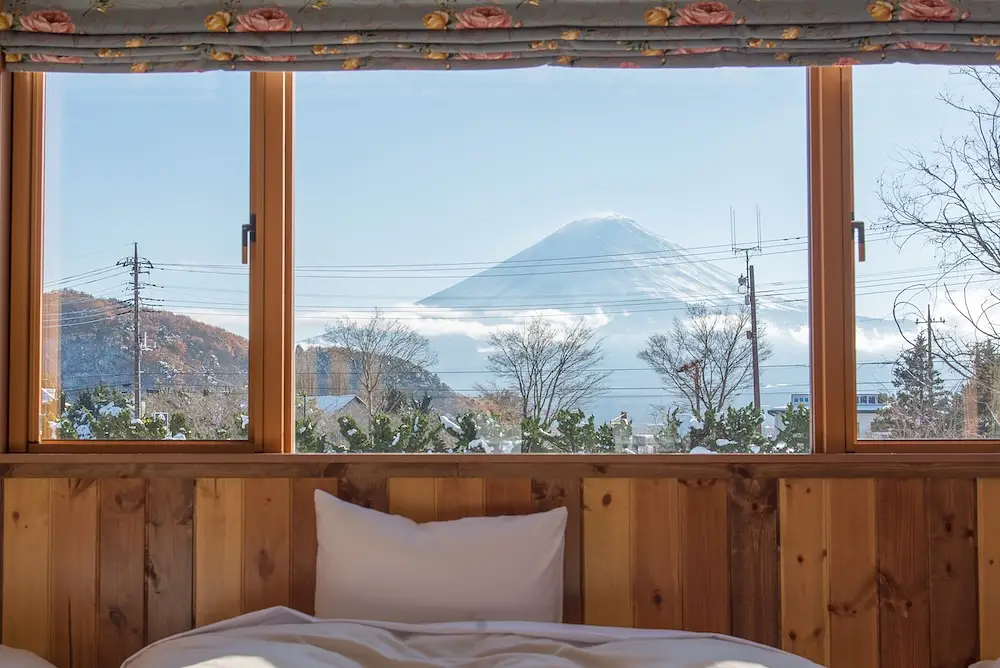
Affordable stays, cool vibes
Hostels in Japan are one of the best accommodation options for budget-conscious travelers who want affordable prices, central locations, and opportunities to meet other people. Found in most major cities and tourist hubs, Japanese hostels are known for being clean, safe, efficient, and often far more comfortable than many first-time visitors expect. They offer an ideal blend of Japanese hospitality (omotenashi) and modern backpacking infrastructure, providing low-cost lodging without sacrificing basic comforts or cleanliness.
Most properties offer a mix of dormitory-style accommodation and private rooms, usually with shared kitchens, lounges, laundry facilities, and social spaces. Many modern hostels are designed with international travelers in mind and include English-speaking staff, lockers, female-only dorms, and stylish common areas. Rooms often feature secure access keycards, power outlets at every bunk, and individual privacy curtains or wooden partition pods to ensure personal space within shared dorms.
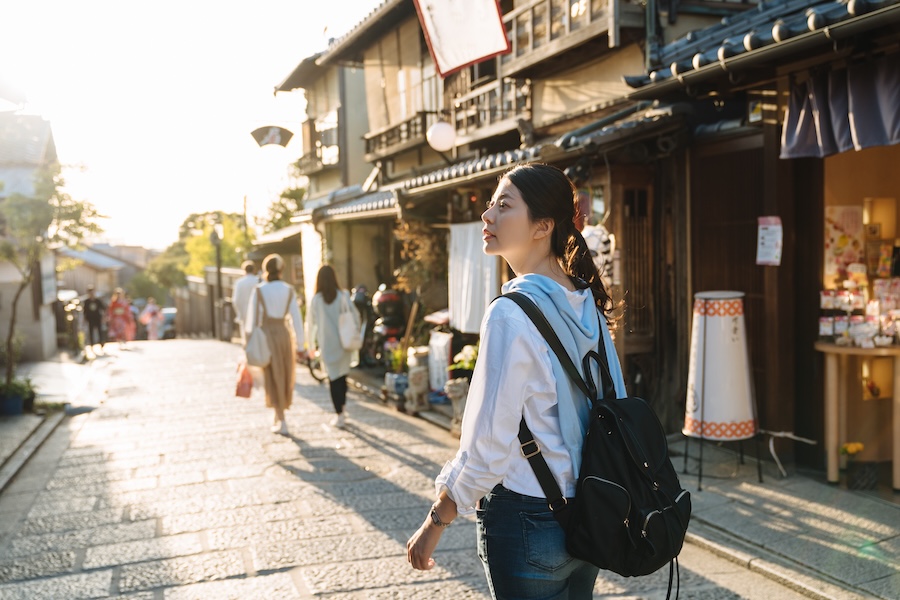
For travelers looking for an affordable base with a social atmosphere, hostels in Japan are a practical and convenient choice for those who are not looking for hotels. Whether you are taking a solo backpacking tour or traveling in a small group, hostels offer proximity to major transit routes and city highlights.
Hostels in Japan: the essentials
Everything you need to know at a glance:
Key Details |
Information |
What to expect |
|
Typical price range |
|
Bathroom |
|
Amenities |
|
Check-in/out |
|
Payments |
|
Language support |
|
Best for |
|
Where common |
|
Booking window |
|
Cancellation |
|
What to Expect from a Hostel
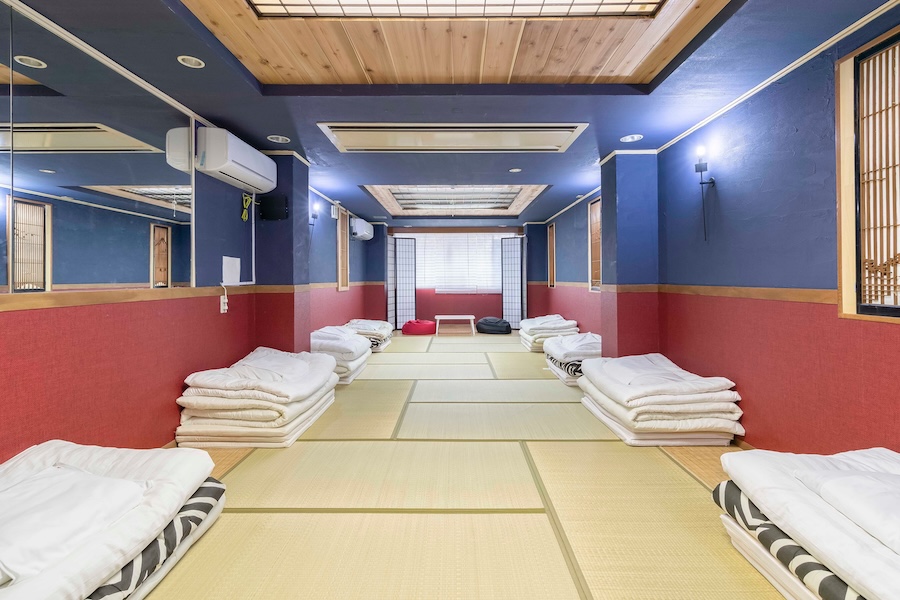
Japanese hostels are known for their cleanliness, organization, and surprisingly high standards compared to many hostels elsewhere in the world. Maintenance staff clean common facilities multiple times daily, and guests are expected to maintain strict hygiene practices, such as removing shoes at designated entrance foyers (genkan).
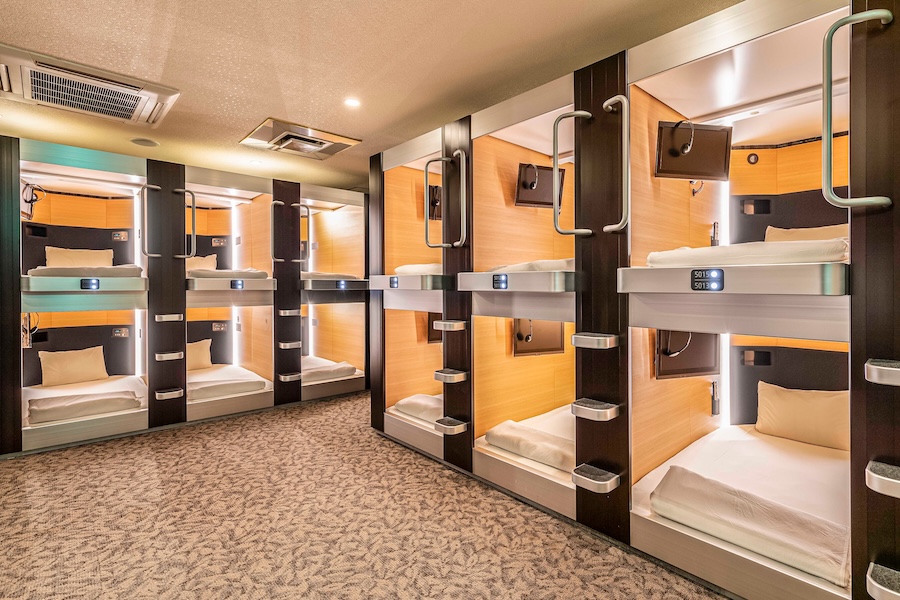
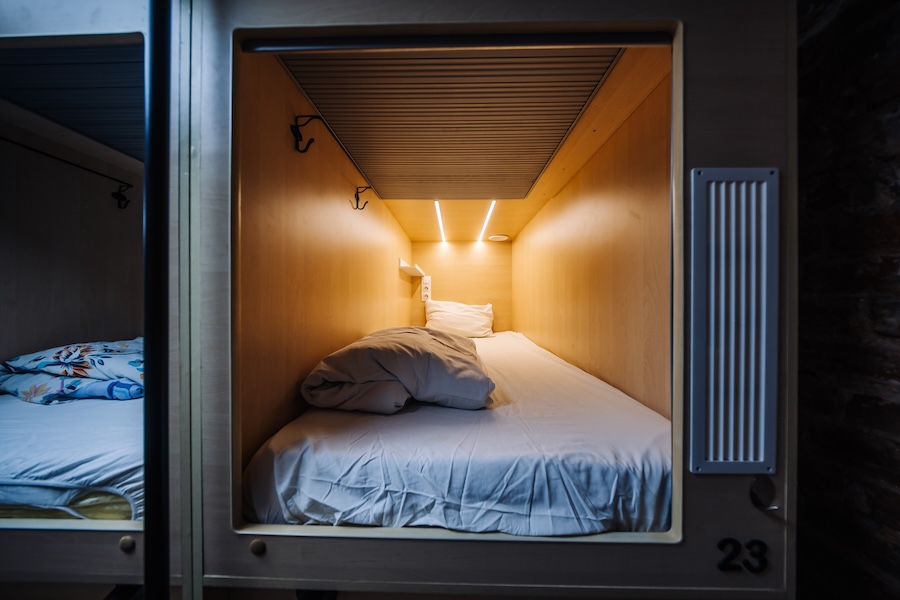
Dormitories often feature bunk beds with privacy curtains, reading lights, charging ports, and personal lockers. Some capsule-style hostels even offer pod-like sleeping spaces that feel closer to compact private cabins than traditional dorm beds. These pods usually include integrated air ventilation, digital alarm clocks, hangers, and small fold-out desks.
Shared bathrooms are standard, although facilities are usually spotless and separated by gender. High-tech electronic toilets (washlets) and individual shower cubicles with changing spaces are common. Many hostels also include communal kitchens, rooftop terraces, cafés, coworking spaces, or organized social events where travelers can meet each other. Free tea, coffee, and seasonings are often made available in communal kitchenettes.
The atmosphere tends to be social but respectful. Quiet hours are generally taken seriously, and guests are expected to clean up after themselves in shared spaces. Whispering in dormitory rooms after 10:00 PM is standard practice, and phone calls should always be taken in designated lounge or lobby areas.
Who is a Hostel For?
Hostels in Japan appeal to a surprisingly wide range of travelers, far beyond traditional backpackers. Thanks to exceptionally high maintenance standards, central locations, and cost-effective accommodation options, they cater to diverse demographics seeking convenience, community, and comfort on a budget.
Solo travelers
One of the easiest ways to meet fellow adventurers while traveling alone around Japan. Shared lounges, pub crawls, language exchanges, and communal dinners make social interaction effortless and natural for independent travelers seeking companionship or local travel tips.
Backpackers and students
Ideal for young travelers prioritizing affordability, convenience, and location. Fully equipped communal kitchen facilities allow budget-conscious guests to cut costs by preparing simple meals using fresh, local supermarket ingredients.
Couples and friends
Many hostels offer stylish, affordable private rooms alongside dormitories. These double, twin, or tatami-style private rooms allow couples and small groups to enjoy personal space while still benefiting from vibrant common areas, cooking facilities, and low-cost laundry amenities.
Female travelers
Female-only dorms and women-only floors are extremely common and widely praised for safety and comfort. These dedicated areas often feature keycard access, enhanced vanity areas, high-end hair styling tools, specialized toiletries, and quiet powder rooms.
Digital nomads
Modern boutique hostels increasingly cater to remote workers with dedicated coworking spaces, high-speed Wi-Fi, and specialty coffee bars, ideal for digital nomads in Japan. Desk stations with universal power outlets, printing services, and private booths for video calls make balancing work and travel seamless.
While families with young children often default to hotels, family-friendly hostels offering private 4-bed or 6-bed rooms have become a popular choice. They provide an affordable way for families to stay together in central locations while accessing home-like amenities like kitchens and self-service laundry.
Business travelers
Cost-conscious business professionals and short-term remote workers frequently utilize private rooms or premium capsule-style hostels near key train hubs. With reliable Wi-Fi, quiet environment policies, late check-in capabilities, and essential business amenities, hostels offer an economical alternative to traditional business hotels.
Senior travelers
An increasing number of mature travelers and active seniors choose private rooms in modern Japanese hostels. The exceptional cleanliness, welcoming atmosphere, elevator access in newer properties, and central location near transit hubs make hostels an appealing, social, and budget-friendly choice for older travelers.
What Are People Saying About Hostels in Japan?
“Japanese hostels are the best I’ve ever stayed in. Spacious and private beds, lots of amenities including toiletries, hair tools, iron.” Reddit
"It was one of the best hostel experiences I had in Japan where the quality of most of the accommodation and experiences is already very high." Bizarre Journeys
“Hostels in Japan are clean, friendly, and very common.” Medium

Pro Tips
A few simple tips can make staying in Japanese hostels much easier, more comfortable, and far more rewarding. While Japan is remarkably welcoming and traveler-friendly, understanding local etiquette and hostel norms helps you navigate unique cultural nuances—such as shoe-removal customs, strict quiet hours, and shared facility care—with confidence. Preparing properly not only ensures smooth check-ins and respectful interactions with staff and fellow guests, but it also allows you to maximize daily convenience, avoid unexpected fees, and significantly enhance your overall travel experience across Japan.
Reserve your stay early if you plan to travel during peak seasons, such as spring cherry blossom season or autumn foliage periods.
Bring a padlock for lockers and quick-dry towels for convenience, as rental towels may carry minor extra fees.
Many hostels have limited storage, so use coin lockers or luggage delivery services (Takkyubin) when traveling between major cities.
Respect dormitory quiet times, which are often from 10:00 pm to 7:00 am, and pack your luggage the night before if leaving early.
Carry small amounts of cash in 100-yen coins for laundry machines, dryers, or vending machines.
Some hostels have steep stairs and no lifts, so check accessibility in advance if you have mobility needs or heavy baggage.
What to Wear at a Hostel / Etiquette
Hostels in Japan are generally casual, but shared-space etiquette is important. Observing local customs around footwear and noise levels creates a pleasant atmosphere for all guests.
Comfortable clothing and indoor slippers work best for common areas. Sleepwear is usually not provided, so bring your own pyjamas or loungewear. Guests are also expected to keep shared kitchens tidy, store luggage compactly, and avoid making noise late at night. Always remove outdoor footwear at the entry threshold and switch to provided indoor slippers before stepping onto carpeted or wooden lounge floors.
Respect for shared spaces is a big part of hostel culture in Japan. Wash your dishes immediately after cooking, keep bathroom vanity counters dry, and avoid rustling plastic bags inside dormitories during late hours.
Hostel Trade-offs
Choosing a hostel in Japan usually means balancing price, location, privacy, and comfort. Here are the main trade-offs to consider before booking to ensure your stay matches your travel style:
Near major stations: Great for train access, early departures, and heavy luggage, but these areas can be busier, noisier, and more expensive.
A short walk from the station: Often quieter and sometimes cheaper, but less convenient if you’re arriving late, carrying large bags, or travelling in bad weather.
Dorm bed: The cheapest and most social option, but you’ll have less privacy and may be disturbed by other guests coming and going.
Private room: More comfortable for couples, friends, or light sleepers, but sometimes close in price to a basic business hotel.
Social hostel: Good for meeting people, joining events, and getting local tips, but not always ideal if you want quiet nights or early mornings.
Want a business hotel instead? See JapanDen’s hotel options in your area to enjoy ensuite bathrooms and traditional front-desk hospitality.
Getting There and Around
Most hostels are located near JR and subway stations, making them easy to access. Being close to major transportation lines allows travelers to quickly reach tourist spots and day-trip destinations. For travelers planning multi-city trips, the JR Pass offers cost savings on train journeys.
Staying connected with pocket Wi-Fi helps navigate routes and book tickets on the go. Navigation apps are essential when walking through unfamiliar alleyways to find hostel entrances. Meet & Greet is also available to simplify arrivals.
Hostels in Japan became popular in the 1970s with the rise of international backpacking. Today, they range from traditional “youth hostels” to trendy, design-focused properties. Age restrictions are rare, though some hostels target younger travellers. Many properties encourage cultural exchange, offering workshops or local tours. Security is strong, with lockers, front-desk storage, and late-night entry systems. Additionally, modern hostels comply with strict Japanese fire safety laws and accommodation licensing standards.
FAQs About Hostels in Japan
Here are some of the most common questions travelers ask before booking a hostel in Japan.
Q: Are there hostels in Japan?
A: Yes. Hostels are extremely common in major cities and tourist destinations across Japan.
Q: How much are hostels in Japan?
A: Dorm beds usually cost around ¥2,500–¥4,500 per night, while private hostel rooms typically range from ¥6,000–¥10,000.
Q: Are hostels in Japan safe?
A: Yes. Most hostels are very safe and offer lockers, staffed reception areas, security systems, and female-only dorms.
Q: Do hostels in Japan have private rooms?
A: Yes. Many Japanese hostels offer private single, double, or family rooms alongside shared dormitories.
Q: Do Japanese hostels have curfews?
A: Some traditional hostels still do, but many modern hostels now allow 24-hour access using keycards or entry codes.
Q: Are capsule hotels the same as hostels?
A: Not exactly. Capsule hotels focus more on compact private sleeping pods, while hostels are usually more social and community-oriented, although some modern hostels now include capsule-style beds.
Q: Do hostels in Japan provide towels and toiletries?
A: Many do, especially modern hostels, although some may charge a small rental fee for towels or sleepwear. Shampoo and body wash are almost always free in shared showers.
Q: Is it easy to meet people in Japanese hostels?
A: Yes. Common lounges, shared kitchens, cafés, and organized events make Japanese hostels especially popular with solo travelers looking to meet others.
Q: Where are most hostels located in Japan?
A: Most hostels in Japan are located near major train stations, sightseeing districts, nightlife areas, and city centers in places such as Tokyo, Kyoto, Osaka, Hiroshima, and Sapporo. Popular areas include Shinjuku, Asakusa, Gion, Namba, and near Kyoto Station.
Q: Are tattoos allowed in Japanese hostels?
A: Tattoos are widely accepted in standard hostel facilities and shared showers, though if a hostel features a traditional sento or onsen bath, you may need to cover small tattoos with waterproof patches.
Q: Can I store my luggage at a hostel before check-in or after check-out?
A: Yes, almost all hostels in Japan offer complimentary or low-cost day-of luggage storage at front desk reception areas.
People Also Ask
Is hosteling in Japan expensive?
A: No, hosteling is one of the cheapest ways to stay in Japan, with dorm rates averaging ¥2,500 to ¥4,500 per night.
Is a hostel cheaper than a capsule hotel in Japan?
A: Standard dorm beds in hostels are typically comparable to or slightly cheaper than capsule hotels, while offering more communal space and kitchen facilities.
Can couples stay in Japanese hostels?
A: Yes, many hostels offer private double or twin rooms suitable for couples who prefer a social atmosphere alongside private sleeping quarters.
Do I need to speak Japanese to stay in a hostel?
A: No, staff in major tourist cities generally speak proficient English, and signage is provided in English.