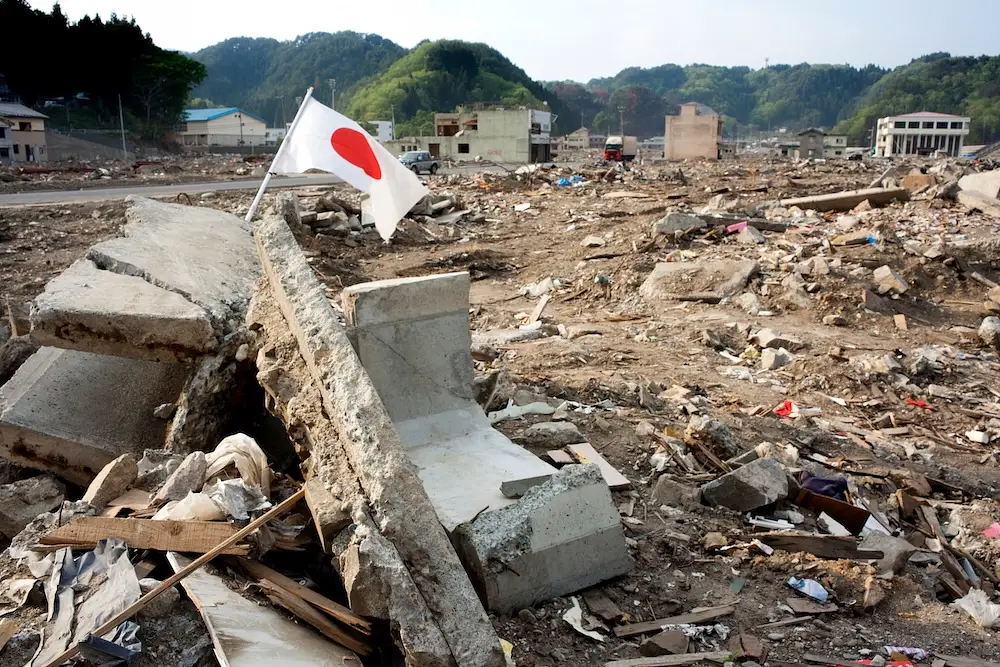
A clear look at safety and travel plans for 2026
A magnitude 7.5 earthquake struck Aomori and parts of the Tohoku region in late December 2025, prompting temporary evacuations, transport suspensions, and localized power outages. While inspections continue in affected northern prefectures, major tourist destinations across Japan remain operational, and national transport networks have returned to standard service. As travellers plan trips in 2026, questions about “Is it safe to travel to Japan now?” are shaping travel decisions, with attention focused on what has been affected and what this means for upcoming visits.
Category |
Details |
Incident period |
Late December 2025 (ongoing travel relevance into 2026) |
Location |
Aomori & Tohoku region; nationwide relevance |
What occurred |
Magnitude 7.5 earthquake |
Travel context |
Impact on travel safety and regional transport |
Who is affected |
Tourists, families, local residents, and businesses |
Official Sources |
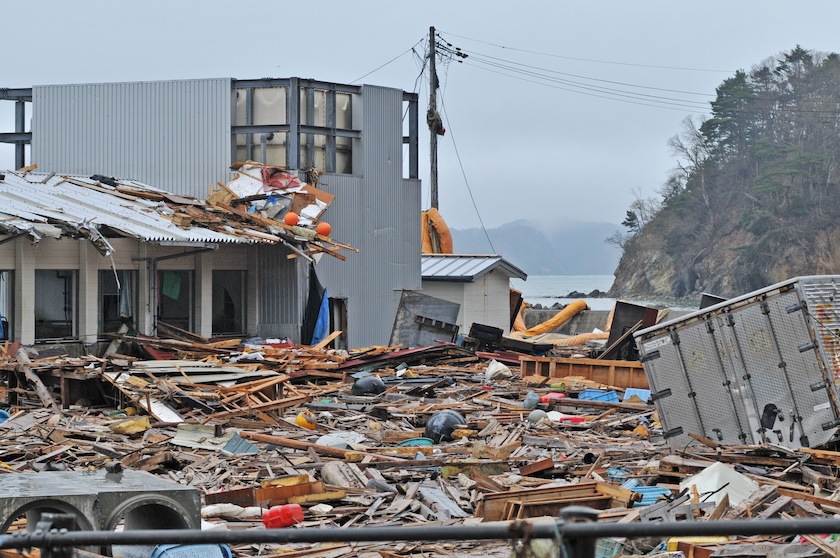
Northern Japan experienced a strong quake that triggered precautionary tsunami alerts, short-term evacuations, and temporary rail and power interruptions. JR East paused services for inspections and resumed them after confirming safety. Authorities restored electricity quickly, and most daily activities resumed soon afterward. Officials emphasized that the disruption was regional and that national systems remained stable.
Tourist hubs such as Tokyo, Osaka, Kyoto, and most Hokkaido ski areas were unaffected. Airports continued to operate, and long-distance rail services returned to normal schedules after thorough checks. These rapid recoveries reflect Japan’s strict building standards and highly coordinated emergency procedures.
As travellers finalize 2026 itineraries, many are asking, "Is it safe to visit Japan after the earthquake?" Tourism boards clarify that Japan remains a safe and functioning destination, with only northern prefectures experiencing short-term adjustments.
Japan, Earthquakes, and Tourism: The Bigger Picture
Japan, situated on the Pacific Ring of Fire, experiences regular seismic activity; yet, it remains one of the world’s safest destinations due to its strict building standards, real-time warning systems, and coordinated emergency response. These systems help limit disruption and maintain stable tourism operations.
Following the 2011 Tohoku earthquake, Japan strengthened its construction codes, expanded its alert networks, and improved coordination between transportation operators and local authorities, enabling infrastructure to recover quickly after seismic events.
Short-Term Travel Impacts (Late 2025–Early 2026)
Travellers heading to Aomori or parts of Tohoku may see minor timetable adjustments or temporary accommodation closures during inspections. These effects remain regional.
For trips focused on Tokyo, Kansai, Kyushu, or most of Hokkaido, operations continue as usual. Visitors should check JR East notices, JR Pass service alerts, or hotel updates before travel. Using Pocket Wi-Fi or SIM cards ensures reliable access to transport information, emergency alerts, and translation tools.
What This Means for Travellers Planning a Trip to Japan
Japan remains a safe destination overall, and most 2026 travel plans will not require major changes. Travellers, including those visiting Aomori or nearby prefectures, should monitor local updates as conditions stabilize and reopening progresses.
Basic preparedness remains helpful, such as following hotel guidance and station announcements during tremors. Flexible planning can also provide reassurance, with changeable bookings and insurance covering natural disruptions, supporting confident and adaptable travel.
Impact on Local Tourism Businesses & Communities
Tourism businesses in the affected region may experience cancellations or reduced bookings. Smaller inns, restaurants, and tours often feel these impacts first. However, communities in northern Japan are well-equipped to respond to seismic events, and recovery work typically begins immediately.
Tohoku’s long-term revival after 2011 showed how regions rebuild with strong local and national support. Visiting later in 2026 can help sustain local economies and mitigate the broader impact of Japan earthquake tourism, which is especially valuable for small operators.
Why This News Matters for Travellers
Japan has ambitious tourism goals, and clear messaging about safety helps maintain traveller confidence. Earthquakes are a natural part of Japan’s geography, but the country’s preparedness systems, strict construction standards, and rapid restoration efforts ensure that travel remains stable and safe. These strengths allow visitors to plan trips without undue concern.
For travellers, the takeaway is simple: Japan remains a reliable destination. Staying informed and aware of official guidance is usually all that is needed to explore the country confidently.
What Comes Next
Travellers should monitor JR East advisories and tourism board announcements as inspections conclude. Those visiting northern regions can use JapanDen’s hotel pages to find accommodations with updated safety information. JR Pass and Regional Passes remain convenient for multi-city routes, while Pocket Wi-Fi or SIM cards help travellers stay connected to alerts and navigation tools.
As northern transport services fully normalize, tourism boards will release additional guidance for 2026 travel, and travellers arriving for the first time may benefit from Meet & Greet services at major airports.
FAQs
Is it safe to travel to Japan now?
Yes, major destinations remain unaffected, and national transport has resumed normal operations.
Is it safe to visit Japan after the earthquake?
Travellers can visit safely. Those heading to Aomori or nearby areas should check regional updates.
Will my travel plans be affected?
Only itineraries including northern prefectures may see minor adjustments. Most travel across Japan continues normally.
Do I need to avoid northern Japan?
No, conditions are improving, and visiting later in 2026 can support regional recovery.
How can I stay informed during my trip?
Using Pocket Wi-Fi or a SIM card provides reliable access to alerts, transport updates, and official guidance.