Japan Digital Nomad Visa: Requirements, Eligibility, and How to Apply

Does Japan have a digital nomad visa?
Yes—Japan now offers a digital nomad visa under a “Designated Activities” status (Notification No. 53). It allows eligible remote workers to stay in Japan for up to six months, but it cannot be extended and comes with specific restrictions on work and residency.
This guide explains how the Japan digital nomad visa works, who qualifies, and how to apply.
Japan’s digital nomad visa is designed for foreign professionals who work remotely using information and communication technology (ICT). This includes freelancers, remote employees, and business owners working for companies or clients based outside Japan.
You can live in Japan for up to 6 months.
You can work remotely for overseas clients or employers.
You can travel within Japan while working online.
You cannot work for a Japanese company or earn income from Japan-based sources.
You cannot extend the visa beyond 6 months.
You are not issued a residence card, which limits access to some services (more on this below).
This setup makes the visa ideal for short-term stays rather than long-term relocation.
To qualify for the Japan digital nomad visa, applicants must meet several strict criteria:
Stay duration: The maximum stay is 6 months within a 12-month period.
Nationality: Applicants must be from a country with a visa exemption and a tax treaty with Japan, as listed by MOFA.
Income requirement: Applicants must have an annual income of at least ¥10 million (approximately USD $65,000 or more, depending on exchange rates).
Work type: The work must be remote and performed for a foreign employer, client, or business.
Insurance: Applicants must have private medical insurance that covers illness and injury with at least ¥10 million in coverage.
Unlike long-term visas, this status does not issue a residence card.
This means:
You may face challenges opening a bank account.
Some long-term rental contracts may not be available.
Certain local services may require alternative arrangements.
Yes, spouses and children can accompany you under this visa category.
However:
They must meet similar insurance requirements.
They cannot engage in work or additional activities beyond their visa status.
Documentation proving the relationship (marriage or birth certificates) is required.
This makes the visa suitable for families planning a short stay in Japan.
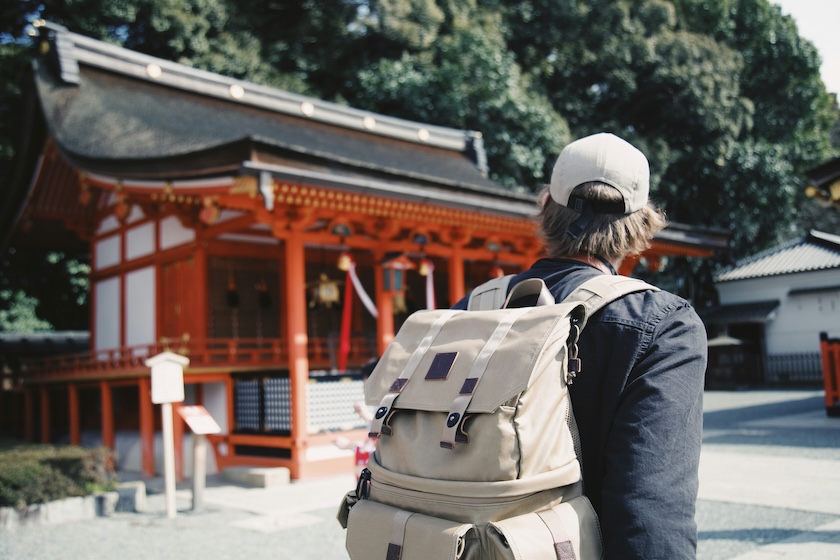
Applying for Japan’s Digital Nomad Visa is relatively straightforward, but preparation matters. Unlike a tourist visa, this process involves proving your remote work status, income level, travel purpose, and medical coverage before you arrive in Japan. Requirements can also vary slightly depending on your nationality and the Japanese Embassy or Consulate handling your application, so always check the latest official guidance before submitting anything.
Here’s a step-by-step overview of how the application process usually works.
Before preparing documents, confirm that your nationality is eligible and that you meet the main requirements. In general, applicants must be from an eligible visa-exempt country or region, earn at least ¥10 million per year, work remotely for a company, client, or business outside Japan, and hold private medical insurance that covers illness and injury during the stay.
Applications must usually be submitted through a Japanese Embassy or Consulate outside Japan, often in your home country or country of residence.
You cannot apply:
On arrival in Japan
From within Japan on a tourist visa
After entering Japan as a temporary visitor
Requirements may vary slightly by consulate, but most applicants should prepare:
A valid passport
A completed visa application form
A recent passport-style photo
Proof of annual income, such as tax returns, contracts, payslips, or bank statements
Proof of remote work, such as employment contracts, client agreements, or business ownership documents
An activity plan outlining where you will stay, how long you will remain in Japan, and how you will work remotely
Proof of private medical insurance with sufficient coverage
Additional documents depending on nationality or family status
If your spouse or children are joining you, you may also need marriage or birth certificates and proof that they are covered by medical insurance.
A Certificate of Eligibility, or COE, may or may not be required depending on your application route and the instructions from your local Japanese Embassy or Consulate. Do not assume either way. Check directly with the office handling your application before submitting.
Once your documents are ready, submit them to the relevant Japanese Embassy or Consulate. Some offices require an appointment, while others accept applications by mail or through designated visa centres. Processing times vary, so apply well before your intended travel date.
Do not travel to Japan assuming you can switch status after arrival. Wait until your visa has been approved and issued before finalising non-refundable plans.
Once approved, you can enter Japan and stay for up to 6 months under the Digital Nomad Visa. During your stay, you may work remotely for overseas employers, clients, or your own foreign-based business, but you cannot work for a Japanese company or earn income from Japan-based sources.
Because rules can change, always verify requirements with the Japan Ministry of Foreign Affairs, the Immigration Services Agency, and your local Japanese Embassy before applying.
Applications must be submitted through a Japanese Embassy or Consulate in your home country.
You cannot apply:
On arrival in Japan
From within Japan on a tourist visa
While requirements may vary slightly by consulate, you’ll generally need:
Valid passport
Completed visa application form
Proof of income (tax returns, contracts, or bank statements)
Activity plan outlining your stay and remote work
Proof of private medical insurance
Additional documents depending on nationality
A Certificate of Eligibility (COE) may or may not be required depending on the application route.
Because rules can change, always verify with:
Japan Ministry of Foreign Affairs (MOFA)
Immigration Services Agency (ISA)
Your local Japanese Embassy
Last verified on: March 26, 2026
Many travelers still ask: Do you need a visa to go to Japan?
For short stays (tourism), many nationalities—including US citizens—do not need a visa for visits up to 90 days.
However, the Japan digital nomad visa is separate and required if you plan to work remotely during your stay.
So while a Japan visa for US citizens may not be required for tourism, it is required for digital nomad activities.
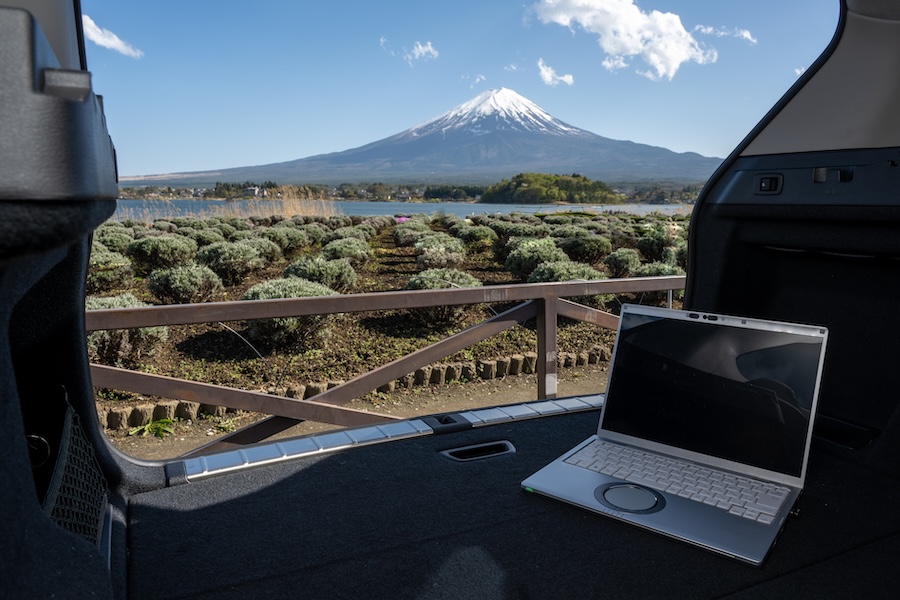
Living in Japan as a digital nomad is very different from visiting as a tourist for one or two weeks. Once you stay for a month or longer, factors like internet reliability, transport access, workspace quality, accommodation flexibility, daily costs, and even seasonal weather start to matter much more.
The good news is that Japan is exceptionally well suited to remote work. The country is safe, clean, highly connected, and filled with cafés, coworking spaces, efficient transport, and reliable infrastructure. The challenge is choosing the right city and setup for your work style, budget, and preferred pace of life.
Here are some of the best places to base yourself, plus practical accommodation strategies for staying productive during a longer stay in Japan.
Tokyo is best for connectivity, coworking spaces, and access to international services.
Osaka is more affordable than Tokyo and offers a strong food and cultural scene.
Kyoto is ideal for a quieter lifestyle with traditional surroundings and historic charm.
Fukuoka is a growing digital nomad hub with lower living costs and a relaxed urban feel.
Sapporo is great for seasonal stays, especially during summer or winter when the climate is most appealing.
Because you won’t have a residence card, short-term rentals and hotels are the easiest options.
Start with a flexible stay and extend as needed. You can explore options through hotels in Tokyo and major cities across Japan, which are well-suited for digital nomads during their first weeks.
Many remote workers use a coworking plus long-stay hotel approach to balance comfort and productivity. Long-stay or serviced hotels often include reliable Wi-Fi, housekeeping, and work-friendly spaces, while coworking spaces provide a consistent work environment, strong internet, and opportunities to connect with other professionals.
Reliable internet is essential for remote work.
Public Wi-Fi exists but is not always consistent.
A dedicated connection is recommended.
Consider booking pocket Wi-Fi for Japan remote work and travel to ensure stable internet access for the first days or emergencies.
Starting life in a new country—even short-term—can be overwhelming. A few simple steps can make the transition easier:
Book your first 7–14 nights in advance through JapanDen's accommodation options near major city hubs so that you have a base while settling in.
Arrange Meet & Greet airport assistance in Japan for help navigating arrival, transport, and initial setup.
This is especially helpful since you won’t have a residence card and may need extra support with logistics early on.
Good luck and enjoy!
Q: Does Japan actually have a digital nomad visa?
A: Yes. Japan introduced a Digital Nomad Visa under the “Designated Activities” status for eligible remote workers employed or contracted outside Japan. It allows stays of up to 6 months.
Q: How long can you stay in Japan on the digital nomad visa?
A: The maximum stay is 6 months within a 12-month period. The visa cannot currently be extended from inside Japan.
Q: Can I work for a Japanese company on the Japan digital nomad visa?
A: No. The visa is specifically for remote work performed for overseas employers, clients, or businesses. You cannot earn income from Japanese sources.
Q: What income do you need for Japan’s digital nomad visa?
A: Applicants generally need an annual income of at least ¥10 million before tax. Exchange-rate equivalents vary depending on currency fluctuations.
Q: Do digital nomads get a residence card in Japan?
A: No. This visa does not issue a Japanese residence card (zairyu card), which affects access to some services such as banking, long-term rentals, and certain mobile phone contracts.
Q: Can digital nomads open a bank account in Japan?
A: Usually not easily. Because digital nomad visa holders are not considered residents and do not receive a residence card, many Japanese banks will not open standard accounts for them. This is one of the most discussed limitations online.
Q: Can I rent an apartment in Japan on the digital nomad visa?
A: Short-term rentals, hotels, serviced apartments, and monthly stays are usually the easiest option. Long-term apartment contracts can be difficult without a residence card, Japanese bank account, or local guarantor.
Q: Can family members come with me on Japan’s digital nomad visa?
A: Yes. Spouses and children can accompany eligible applicants, although they must meet insurance requirements and provide documentation proving the relationship.
Q: Do I need Japanese health insurance?
A: You need private medical insurance with at least ¥10 million in coverage for illness and injury during your stay. Digital nomad visa holders are generally not enrolled in Japan’s national health insurance system.
Q: Can I apply for the digital nomad visa from inside Japan?
A: No. Applications must generally be submitted through a Japanese Embassy or Consulate outside Japan, usually in your home country.
Q: Is Japan good for digital nomads?
A: Yes. Japan is widely considered excellent for digital nomads thanks to its safety, fast transport, reliable internet, clean cities, coworking spaces, and strong café culture. Tokyo, Osaka, Kyoto, Fukuoka, and Sapporo are among the most popular bases.
Q: Can I use a tourist visa instead of the digital nomad visa?
A: Japan’s digital nomad visa exists specifically to legally allow remote work activities during a longer stay. Tourist entry permissions are separate and may not legally cover remote work activities depending on your circumstances and nationality.
Q: How long does the application process take?
A: Processing times vary by embassy and nationality, but many applicants online report waiting anywhere from 2 weeks to around 1 month after submitting complete documents.
Q: Can I renew the Japan digital nomad visa?
A: The visa itself is not extendable from inside Japan. Current guidance generally requires leaving Japan after the 6-month stay before applying again in the future.
Why should I book with JapanDen?
How do I book a hotel or ryokan through JapanDen?
What types of accommodations do you offer in Japan?
How can JapanDen help with planning my trip?
As well as booking accommodation, JapanDen is a place to learn more about Japan and how you can make the most of your time in this special country. From in-depth region guides to stories from Japan, we’ll be regularly publishing carefully curated insights from Japanese culture, with recommendations for the best activities and attractions and the latest news. Looking forward, we’ll also be adding special community features so you can share ideas and inspiration with like-minded people. Please come back and visit us regularly as we continue to add new content. We want JapanDen to be your home away from home too.
Do you offer guided tours in Japan, and how can I book one?
As part of the JRPass.com group, we offer a dedicated Meet and Greet service with expert personal assistance on your arrival in Japan booked via JRPass.com, alongside nationwide and regional rail passes for travel. As JapanDen grows, we will be offering more services and activities to provide a complete Japan travel experience.
Can I purchase Japan Rail Passes through your website?
JapanDen is part of the JRPass.com group, book your passes and tickets directly on JRPass.com