.jpg)
Japan’s Famous Phallus Fest
Venue: Kanayama Shrine
When: April 4, 2027 (The first Sunday of April) - Dates are subject to change
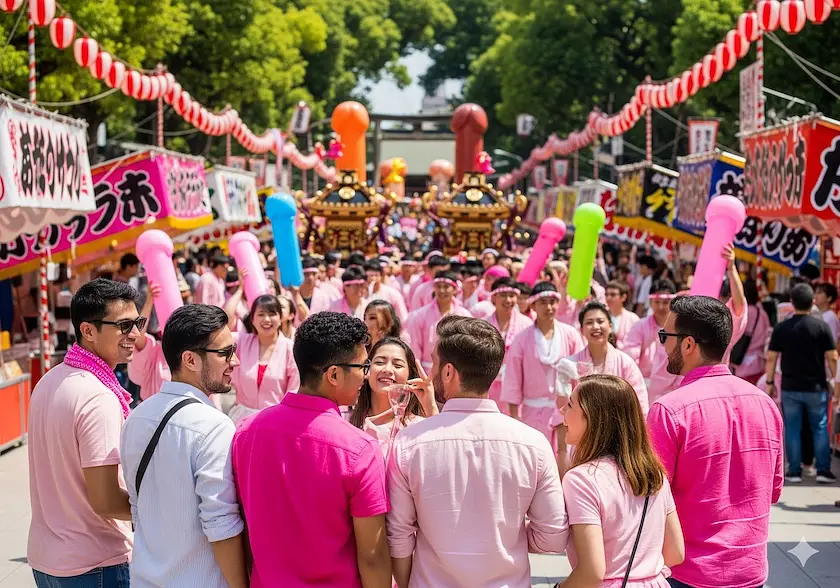
Every spring, just outside Tokyo, one of Japan’s most unusual and talked-about festivals takes place: the Kanamara Matsuri, better known internationally as Japan’s Penis Festival. Held at the historic Kanayama Shrine in Kawasaki, this lively fertility festival celebrates the phallus in all its forms through colorful parades, traditional rituals, food stalls, themed souvenirs, and a surprisingly welcoming atmosphere.
Originally rooted in prayers for fertility, safe childbirth, prosperous marriages, and protection from sexually transmitted diseases, the Kanamara Matsuri has evolved into a unique cultural event that blends Shinto tradition with humor, community spirit, and modern pop culture. Visitors can watch giant phallic portable shrines being carried through the streets, sample penis-shaped sweets, and experience one of Japan’s most eccentric annual festivals first-hand. Historical local legends trace the shrine's connection back to Tokugawa-era veneration by local sex workers seeking divine protection and health. If you’re looking for a quirky, memorable, and genuinely fascinating cultural experience in Japan, the Kanamara Matsuri is unlike anything else.
Kanamara Matsuri (Penis Festival) 2027 Key Details | |
Dates |
April 4, 2027 |
Opening Hours |
From around late morning (times vary by year; check the schedule) |
Location |
Kanayama Shrine, Kawasaki, Kanagawa |
Admission |
Free |
Official Website |
http://kawasakidaishi-kanko.com/english/matsuri/kanamara.html |
Nearest Station |
Kawasaki Daishi Station (Keikyu Daishi Line) |
Organizer |
Kanamara Matsuri Executive Committee |
What to Expect at Kanamara Matsuri
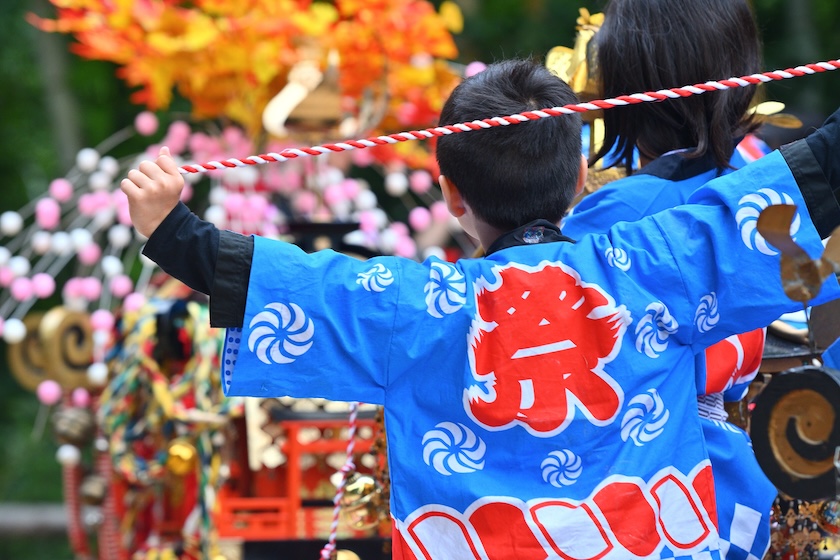
Kanamara Matsuri combines sacred tradition with a lively carnival atmosphere. The highlight of the festival is the parade of three famous phallic mikoshi, or portable shrines, carried through the streets by groups of energetic participants while crowds cheer and take photos.
The most famous of the three is the giant pink “Elizabeth Mikoshi,” which has become the festival’s modern icon thanks to its bright color and playful appearance. Alongside it, you’ll also see the traditional wooden Kanamara Omikoshi and the iron Kanamara Fune Mikoshi, each with its own symbolism and history.
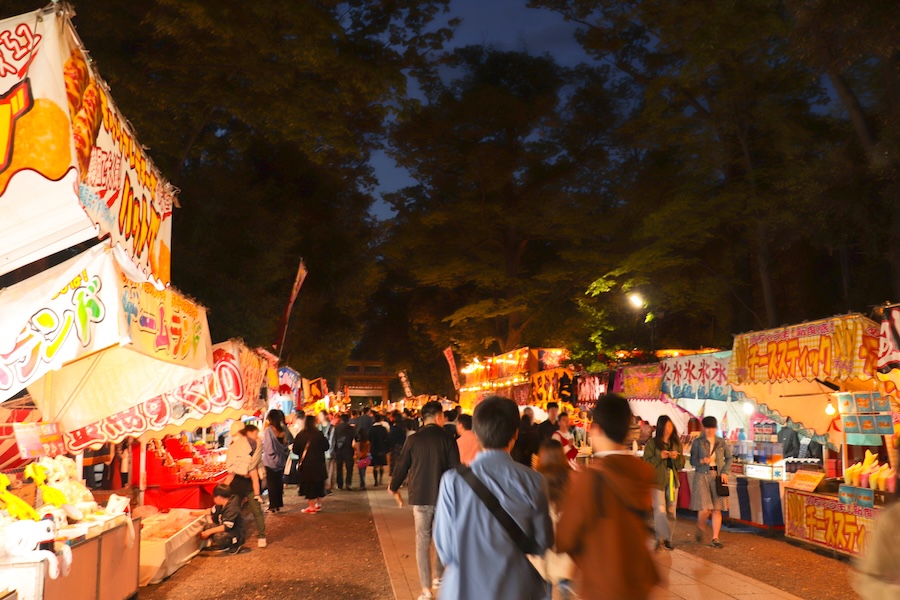
Beyond the parade itself, the streets surrounding Kanayama Shrine fill with food stalls, souvenir vendors, performances, and festivalgoers from around the world. You’ll find penis-shaped candies, candles, cookies, keychains, desserts (as pictured below), and decorations everywhere you look. Despite the playful visuals, the atmosphere is generally lighthearted, respectful, and surprisingly friendly.
Crowds can become extremely busy during the main procession, especially around midday, so expect long queues and packed streets throughout the day. Early morning arrival offers the best chance to view the shrine grounds and purchase popular festival-themed goods before the largest surges arrive.

Who Is Kanamara Matsuri For?
Kanamara Matsuri appeals to a wide range of travelers, from curious first-time visitors to people deeply interested in Japanese culture and Shinto traditions.
Adventurous travelers: Perfect for visitors who enjoy unusual experiences and want to see a very different side of Japan beyond temples, shopping districts, and mainstream tourist attractions.
Cultural explorers: The festival offers an interesting glimpse into fertility symbolism, local religious traditions, and the way ancient customs continue to evolve in modern Japan.
Couples: Many couples attend together to pray for fertility, safe childbirth, healthy relationships, or simply to enjoy the playful atmosphere.
The LGBTQ+ community: The festival has developed a strong reputation for being welcoming and inclusive, making it especially popular with LGBTQ+ visitors from both Japan and overseas.
Expats and locals: For many local residents and Tokyo-based expats, Kanamara Matsuri has become both a community tradition and a fun annual social event.
Families (with discretion): Although the event is playful rather than obscene, phallic imagery is everywhere throughout the festival. Some Japanese families do attend, but parents should use their own discretion regarding younger children.
International visitors: The festival’s global popularity continues to grow every year, attracting visitors curious about Japan’s more eccentric and unconventional traditions.
In short, Kanamara Matsuri is ideal for travelers who appreciate humor, cultural immersion, and unusual experiences that you simply will not find anywhere else. Its welcoming atmosphere makes it accessible to diverse global visitors who wish to witness living Japanese folklore and open community celebration.
Pro Tips
-
The festival gets extremely crowded, especially during the main procession, so a little preparation can make the experience much smoother.
Arrive by late morning to avoid the heaviest crowds
Bring cash, as many stalls and vendors may not accept cards
Wear comfortable shoes for walking and standing
Expect long lines for food, souvenirs, and popular photo spots
Keep your belongings secure in crowded areas
What to Wear at Kanamara Matsuri
Comfort is the most important thing when dressing for Kanamara Matsuri. The festival takes place outdoors in spring weather that can change throughout the day, so layered clothing usually works best.
Some attendees wear pink outfits or costumes inspired by the famous “Elizabeth Mikoshi,” while others simply dress casually. A T-shirt with a light jacket is usually ideal for early April in the Tokyo area. Bringing small bags or backpacks that keep hands free while navigating crowds or standing in long queues is highly recommended.
Most importantly, wear comfortable and sturdy shoes, as you’ll likely spend several hours walking through crowded streets and shrine grounds.
How to Get to Kanamara Matsuri
Kanamara Matsuri is very easy to reach from central Tokyo using public transport.
From Tokyo or Shinagawa Station, take the Keikyu Line to Keikyu Kawasaki Station, then transfer to the Keikyu Daishi Line and get off at Kawasaki Daishi Station. From there, Kanayama Shrine is just a short walk away. On festival day, simply following the crowds is usually enough.
Travel times from central Tokyo are generally under one hour, making this an easy day trip for visitors staying in the capital. Connecting through major transit points like Shinagawa or Yokohama offers simple connections directly onto the Keikyu main network.
The nearby Kawasaki Station area also offers plenty of accommodation options. JapanDen can help you find hotels convenient for your visit.
Nearby Recommendations
If you have extra time before or after the festival, the surrounding Kawasaki area has several worthwhile attractions and local food spots to explore.
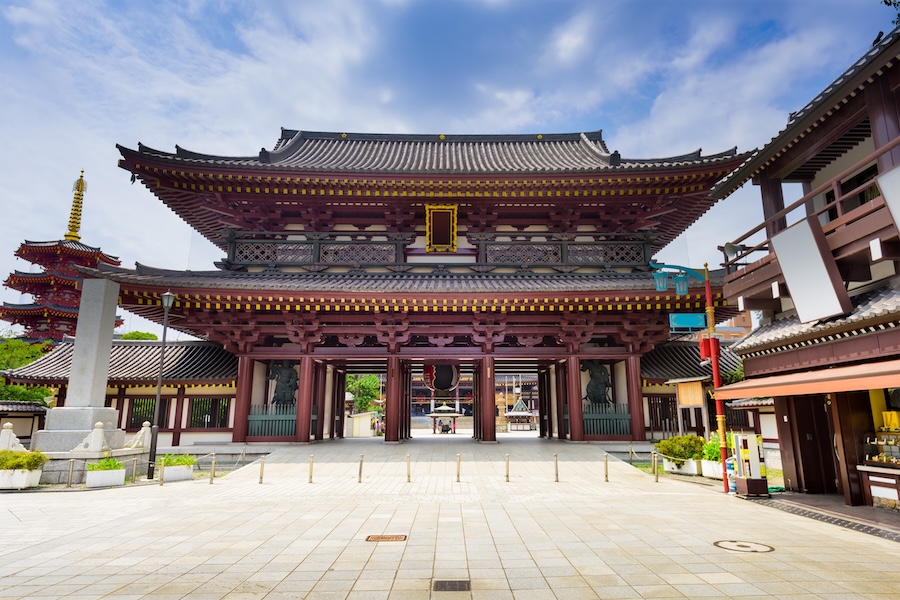
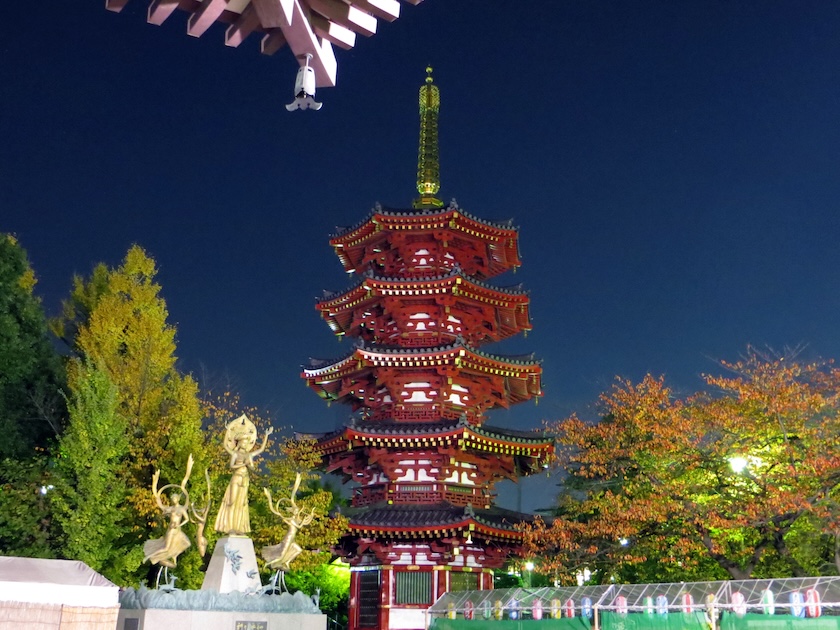
Kawasaki Daishi Heikenji Temple. One of the region’s most famous temples, known for prayers related to protection and warding off bad fortune. The temple grounds are spacious, impressive, and well worth visiting.
A popular local restaurant famous for Kawasaki-style New Tantanmen noodles, a spicy noodle dish that has become a local specialty.
A well-known sweet potato shop serving roasted Japanese sweet potatoes with a soft texture and rich sweetness that make for a great quick snack.
More About the Penis Festival
While the bright pink Elizabeth Mikoshi often receives the most attention online, the festival’s other portable shrines are equally fascinating and help connect the event to its deeper cultural roots.
The Kanamara Fune Mikoshi is made from iron and has a much darker, heavier appearance that contrasts sharply with the playful pink shrine. Meanwhile, the Kanamara Omikoshi, built from traditional wood, reflects the festival’s long Shinto history and craftsmanship.
Seeing all three shrines carried through the streets together is one of the highlights of the event. Their different materials, designs, and symbolism capture the unusual balance of sacred tradition, humor, craftsmanship, and modern festival culture that makes Kanamara Matsuri so memorable. The funds raised from souvenir sales and visitors during the event also actively support local community projects and medical research initiatives.
Planning Your Visit
Spring is one of the busiest travel seasons in Japan, especially around Tokyo, so planning ahead is important if you intend to visit Kanamara Matsuri.
Book accommodation early if staying in Tokyo or Kawasaki
Use local Keikyu train services for the easiest access
Consider a JR Pass if combining the festival with wider travel across Japan
Stay connected with Pocket WiFi or an eSIM for maps and train navigation
Bring cash, including coins, as many stalls may not accept cards
FAQs About Kanamara Matsuri
Here are some frequently asked questions about Kanamara Matsuri, also known as Japan’s Penis Festival.
Q: Do I need a ticket for the penis festival?
A: No. Admission to Kanamara Matsuri is completely free.
Q: Is there shelter from the rain?
A: Very little. The festival takes place outdoors, so bringing an umbrella or rain jacket is recommended if rain is forecast.
Q: Is Kanamara Matsuri kid-friendly?
A: The event is playful rather than obscene, but because of the explicit imagery throughout the festival, some parents may feel it is more suitable for older children or teenagers.
Q: What is the purpose of the Kanamara Matsuri?
A: Traditionally, the festival focused on prayers for fertility, safe childbirth, healthy marriages, and protection from sexually transmitted diseases.
Q: How long should I plan to stay at Kanamara Matsuri?
A: Around 2 to 3 hours is usually enough to experience the main parade, browse the stalls, and explore the shrine grounds.
Q: Is the atmosphere respectful or is it just a party?
A: It is a mixture of both. While the atmosphere is lively and humorous, the event is still rooted in Shinto tradition and takes place on sacred shrine grounds.
Q: Are credit cards accepted, or do I need to bring cash?
A: Cash is highly recommended, as many food stalls and souvenir vendors may not accept cards.
People Also Ask
Q: Is photography allowed at Kanamara Matsuri?
A: Yes, photography is widely permitted and popular throughout the festival. However, due to large crowds, visitors are encouraged to be mindful of others and avoid blocking walkways or parade routes with heavy camera equipment.
Q: Can anyone carry the mikoshi (portable shrines) during the parade?
A: Generally, carrying the mikoshi is reserved for designated local shrine members, volunteers, and organized groups. Visitors are welcome to walk along the route, cheer, and watch the parade procession.
Q: Are there vegetarian, vegan, or allergy-friendly food options at the stalls?
A: Food stalls mostly offer traditional Japanese festival fare like yaki-soba, takoyaki, and themed sweets. Vegetarian or vegan options can be limited at street stalls, though fruit-based snacks, candy, and options at nearby convenience stores or restaurants are readily available.
Q: What is the best time of day to see the main parade procession?A: The main procession typically takes place around midday (between 11:30 AM and 1:30 PM). Arriving earlier in the morning allows time to explore the shrine grounds and stalls before peak crowd hours.