LGBTQ+ Travel Japan

LGBTQ+ Travel Japan Guide: Safety & Travel Tips
Japan is a captivating blend of ancient reverence and neon-lit futurism. For the LGBTQ+ community, it offers a travel experience defined by safety, world-class hospitality, and a unique, burgeoning queer scene. While Japan is currently in a transitional phase regarding legal equality, the social reality for travelers is overwhelmingly positive.
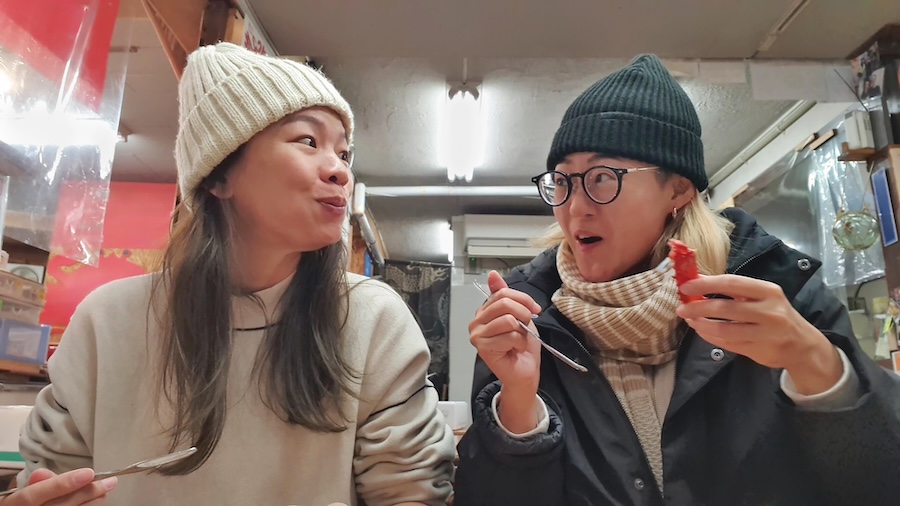
The most frequently asked question is, "Is Japan safe for LGBTQ+ travelers?"
The answer is yes. Japan is consistently ranked one of the safest countries in the world, and this also applies to the LGBTQ+ community.
Social Acceptance: According to a recent survey conducted between 2024 and 2025, approximately 90% of Japanese people are aware of the term LGBTQ+, and over 80% of younger generations (those in their 20s and 30s) support same-sex marriage
"Gay-Friendly?" In major metropolitan areas like Tokyo and Osaka, the answer is yes.
In rural areas, you may have fewer opportunities to encounter outlying locals, but the service you receive is professional and courteous.
What Tourists Can Realistically Expect
・Physical Safety: Overt hostility and hate crime are very rare. The crime rate is low, making nighttime travel safe.
・Polite distance: Japanese society generally respects privacy and has a culture of not interfering excessively in others' private lives. As a result, it is rare to encounter blatant prejudice.
・About displays of affection (PDA): In Japan, regardless of sexuality, excessive displays of affection (such as kissing and hugging) are generally reserved in public. It will be easier if you understand this as a social custom, not just because you are LGBTQ+.
Japan's "gay Japanese culture" has developed around communities closely tied to specific regions. Its distinctive feature is its emphasis on creating a comfortable "place to belong" rather than flashy appeal.
Recently, it has become more visible, especially among younger generations, through social media and events, and the number of community spaces and cafes open to tourists is on the rise.
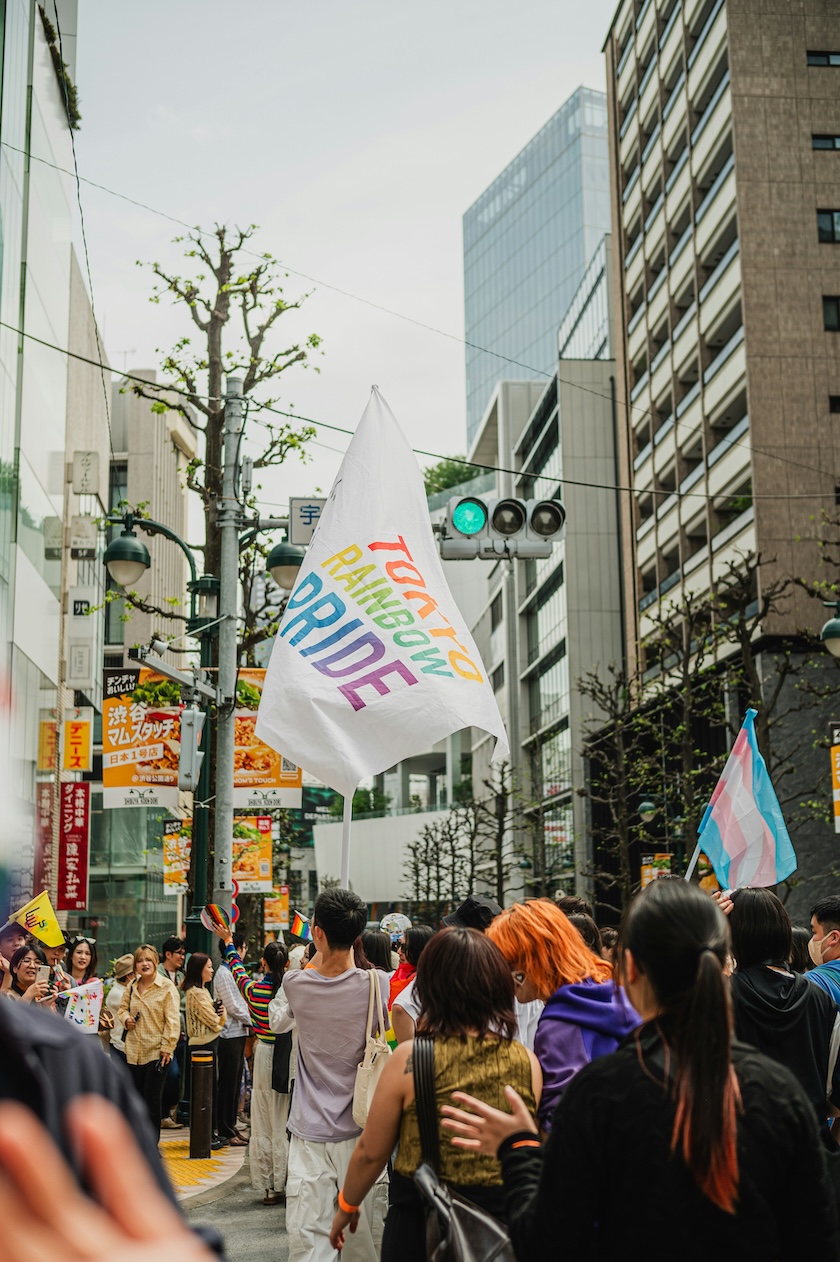
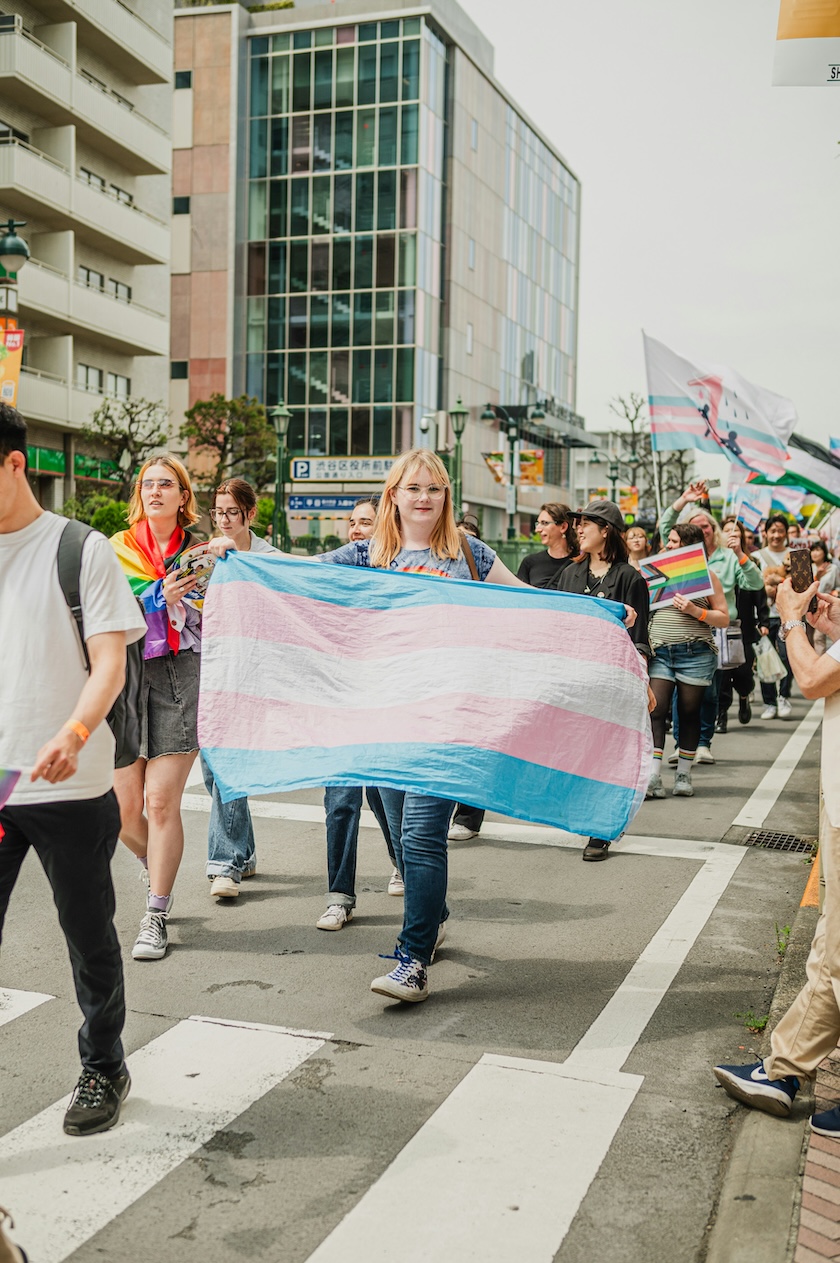
The nonprofit organization Tokyo Rainbow Pride officially opened "Queer Space Tokyo" , a permanent community space for LGBTQ+ people to gather, learn, connect, and envision their own future, on Friday, January 16, 2026.
The organization has also decided to hold an event called Tokyo Pride 2026 on Saturday, June 6 and Sunday, June 7, 2026.
LGBTQ+ travel to Japan is about more than just sightseeing.
It's also a journey to experience a unique community culture unlike anywhere else in the world. Let's delve deeper into the origins of "gay districts" in major cities and the diverse ways to enjoy them.
The Meaning and History of Japan's "Gay Districts": Places known as "gay districts" in Japan are more than just drinking districts. Historically, they developed as "sanctuaries" where people could be themselves during times of strict social scrutiny.
Why are they organized as "districts"?: After the Anti-Prostitution Law was enacted in the 1950s, displaced people and communities with unique cultures began to move into former red-light districts (such as Shinjuku 2-chome).
Current Role: Today, they are places that celebrate diverse identities and serve as community hubs where local patrons gather like "family."
Tokyo(Shinjuku 2-chome)
The world's highest density of bars. There are approximately 300-400 small bars clustered in a few blocks.
Osaka(Near Umeda in Doyamacho "Kita.")
The atmosphere is friendlier than Tokyo, with tourists and straight friends more likely to mingle.
Nagoya(Located in the women's university area of Sakae)
Many small, homey bars with a local feel.
Fukuoka(The Tenjin area around Oyafuko-dori)
A very open atmosphere with many bars that welcome foreign tourists.
Kyoto(Around Kawaramachi)
Rather than a specific "district," sophisticated queer bars can be found hidden away in historic towns.
※Note: For other tips on finding the best places in Japan for workation, check out JRPass blog.
Local Activities: From Night to Day LGBT travel doesn't just mean night bars. As of 2026, Japan has plenty of daytime spots to enjoy.
Nightlife
Small Bars (Minibars): Small establishments with 5-10 seats are the norm in Japan. It's a place where you can enjoy conversation with the "mama" (hostess) or "master," and even solo diners will quickly feel at home.
Drag Shows
At AiSOTOPE LOUNGE in Shinjuku and VILLAGE in Osaka, you can enjoy flashy, comedic shows unique to Japan.
Daytime & Community (Non-Nightlife) Community Center
Pride House Tokyo Legacy (Shinjuku) is a safe space open to everyone. It offers counseling, books, and local information.
Cultural Experience
Shozenji Temple in Osaka is run by a transgender priest. Sermons and prayers that respect diversity are offered.
What Do the Locals Do? Aside from the bars frequented by tourists, local LGBTQ+ people are also enjoying their daily lives.
Club Activities
On weekends, locals not only go to bars, but also participate in LGBTQ+ sports teams (volleyball and tennis), choirs, arts and crafts clubs, and more.
Public Baths and Saunas
While gender-segregated facilities are still the norm, it's become popular recently to reserve a private sauna with friends to relax.
Social Media and Matchmaking Apps
Apps like 9monsters and Tinder are common in Japan as well. Locals use apps to exchange information and deepen their connections by organizing offline meetups focused on specific themes (games, anime, outdoors, etc.).
Accommodation: Look for hotels in Shinjuku or Umeda. Many major chains are certified "Pride-friendly." You can find vetted options near these districts on JapanDen.
Transport: The JR Pass or Regional Pass is essential for hopping between the Tokyo and Osaka scenes.
Connectivity: Navigating the labyrinthine streets of Ni-chōme requires a reliable Pocket Wifi/SIM card (only available at passes checkout)
The Onsen Experience: If you have tattoos or are a trans/non-binary traveler, we recommend booking a Ryokan with a "private onsen" for a stress-free soak.
By using Meet & Greet, you can enjoy a smooth journey from the moment you arrive in Japan.
Q: Are there any "gay districts" in regional cities (such as Kyoto or Fukuoka)?
A: There aren't any "districts" as large as those in Tokyo or Osaka, but friendly bars are concentrated on certain streets (around Kiyamachi in Kyoto, or around Sumiyoshi in Fukuoka).
Q: Are gay bars in Japan "no first-time visitors allowed"?
A: The street-level establishments in Nichome and Doyamacho are very welcoming. However, very small members-only bars on the upper floors of multi-tenant buildings may require an introduction. It's wise to start by asking for information at open establishments such as AiiRO Cafe or FrenZ FrenZY.
Q:What is the most gay-friendly city in Japan?
A:Tokyo is the center, but Osaka is often cited as the most "relaxed" and naturally friendly city.
Q:Where can I meet LGBTQ+ locals outside of bars?
A:Events like Tokyo Pride or community spaces like Pride House Tokyo are excellent starting points.
Why should I book with JapanDen?
How do I book a hotel or ryokan through JapanDen?
What types of accommodations do you offer in Japan?
How can JapanDen help with planning my trip?
As well as booking accommodation, JapanDen is a place to learn more about Japan and how you can make the most of your time in this special country. From in-depth region guides to stories from Japan, we’ll be regularly publishing carefully curated insights from Japanese culture, with recommendations for the best activities and attractions and the latest news. Looking forward, we’ll also be adding special community features so you can share ideas and inspiration with like-minded people. Please come back and visit us regularly as we continue to add new content. We want JapanDen to be your home away from home too.
Do you offer guided tours in Japan, and how can I book one?
As part of the JRPass.com group, we offer a dedicated Meet and Greet service with expert personal assistance on your arrival in Japan booked via JRPass.com, alongside nationwide and regional rail passes for travel. As JapanDen grows, we will be offering more services and activities to provide a complete Japan travel experience.
Can I purchase Japan Rail Passes through your website?
JapanDen is part of the JRPass.com group, book your passes and tickets directly on JRPass.com