Trees in Japan: The Iconic Species, Their Culture, and Where to See Them
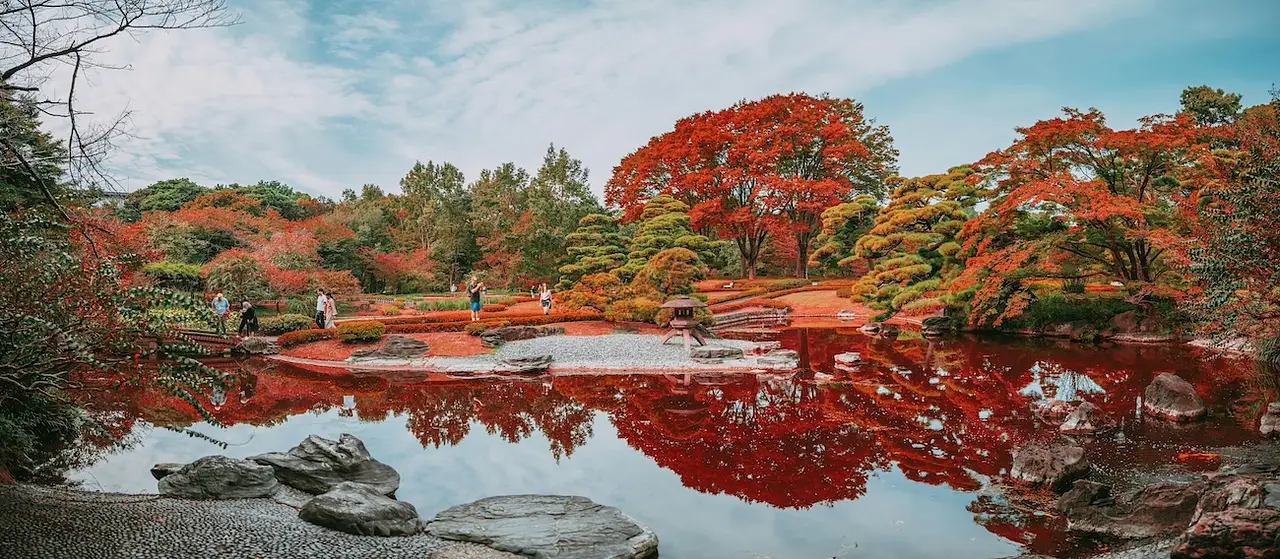
Know your trees, time your trip
Japan's trees mark the rhythm of a trip as much as any train timetable. This guide covers six iconic species — sakura, momiji, ginkgo, sugi, bamboo, and pine — what each means, and where to see them. The national calendar revolves around trees: hanami parties in spring, momijigari hunts in autumn. Missing peak season by a week can mean a very different trip.
This is for first-timers building a nature-led itinerary, photographers chasing seasonal color, and repeat visitors wanting a deeper layer on cities they already know.

Knowing the basics upfront helps you decide how much of your trip to build around this topic.
Detail |
Info |
Topic type |
Cultural experience, seasonal, and nature travel |
Best moment to think about this |
Before you book flights and hotels |
Ideal for |
Nature lovers, photographers, seasonal or repeat travellers |
Risk if you ignore it |
You could miss peak bloom, color, or a booked-out trail |

Japan treats certain trees as living, sacred beings rather than scenery. In Shinto belief, exceptional trees house kami (spirits) and are wrapped in shimenawa rope as goshinboku, sacred trees. Hanami and momijigari, over a thousand years old, tie tree-viewing to Buddhist ideas about transience, and both show up at shrines, parks, trails, and city avenues throughout a trip.
Each season and location brings a different tree-viewing experience.
Hanami crowds: Shinjuku Gyoen fills fast in late March; if you're chasing the bloom, eight of the best sakura viewing spots are worth a route.
Shrine visits: A roped goshinboku marks a sacred tree. Treat it with quiet respect.
Yakushima's Jomon Sugi: The Jomon Sugi, 2,500–7,200 years old, means a 10-hour round-trip hike.
Ginkgo avenues: The ginkgo is among the oldest living tree species; Meiji Jingu Gaien's avenue turns gold in late November.
Not every traveller needs the same level of planning around trees. It's most helpful for first-timers building a seasonal trip, photographers, and multi-city travellers. Consider your fitness for the Yakushima hike, and check pollen forecasts if allergy-prone. Sugi season runs from February to April. Repeat visitors staying in one city still benefit, just with less urgency.

Where and when you travel changes which trees are realistic to see.
Tokyo and Kyoto offer the most accessible sakura, momiji, and ginkgo viewing. Yakushima and Nikko reward going further for ancient cedar; JapanDen's Nikko hotels make a good base near the cedar approach. Nagano's bamboo pairs well with the snow monkeys at Jigokudani.
Foliage moves south to north in spring, north to south in autumn. Sakura peaks late March–early April; momiji and ginkgo peak mid-October through late November. Check seasonal forecasts and top koyo spots ahead of time. Sugi pollen is worst from February to April.

A little advance planning turns this into something you can build a trip around.
Check bloom and koyo forecasts before locking dates. A JR Pass or Regional Pass covers the Shinkansen to Kagoshima-Chuo for Yakushima, with a ferry onward. Landing in Tokyo? A Meet & Greet service smooths arrival.
Layers for Yakushima and shifting mountain weather
A pollen mask if visiting February–April
Pocket Wi-Fi for trailhead logistics
A short list of viewing spots by date
Small habits separate a smooth day of tree-viewing from a frustrating one.
Arrive at Arashiyama or shrines before 8 a.m.
Check real-time bloom/foliage forecasts close to your trip.
Treat roped goshinboku trees with quiet respect.
Book Yakushima's ferry and JR Pass legs early.
Don't assume one week's timing works nationwide.
Don't skip layers on the Yakushima trail.
Don't travel during the peak pollen season if you're allergy-prone.
Don't rush the Ginkgo Avenue at midday for photos.
Miss peak bloom? Shift south or north, or pivot to a year-round spot like Arashiyama or Hokokuji Temple.
The right approach depends on trip length and style.
A couple on 10 days might anchor Tokyo to the Ginkgo Avenue, then Kyoto for momiji at Tofukuji.
A family could pair Arashiyama's bamboo with a Jigokudani stop.
A solo traveller might dedicate a day to Yakushima via the JR Pass.

Q: What is the most famous tree in Japan?
A: Sakura is most culturally iconic (pictured above). Yakushima's Jomon Sugi cedar is the oldest known tree.
Q: When is the best time to see autumn leaves?
A: Mid-October in Hokkaido through late November in Honshu, with Kyoto and Nikko peaking last.
Q: Are bamboo groves worth visiting outside peak season?
A: Yes, bamboo stays green year-round, and off-season visits mean noticeably smaller crowds.
Q: What is a goshinboku?
A: A sacred Shinto tree believed to house a kami, marked with a shimenawa rope.
Q: Is cedar pollen a problem for travellers?
A: Sugi pollen peaks from February through April across Honshu; autumn or winter travel avoids it entirely.
Q: What are Japan's three famous pine views?
A: The Nihon Sankei are Matsushima, Amanohashidate in Kyoto Prefecture, and Itsukushima on Miyajima.
Q: Can I see cherry blossoms and autumn foliage on one trip?
A: They fall roughly six months apart, though late April sometimes offers fresh spring greenery.
Q: What's the difference between momiji and koyo?
A: Momiji means Japanese maple leaves specifically; koyo covers all autumn foliage nationwide.
Q: Where's the best place in Tokyo for ginkgo trees?
A: Meiji Jingu Gaien's Icho Namiki avenue is best-known; Showa Kinen Park is quieter.
Q: Is Yakushima accessible with a JR Pass?
A: Yes, a JR Pass covers the Shinkansen to Kagoshima-Chuo, connecting to a ferry.
Why should I book with JapanDen?
How do I book a hotel or ryokan through JapanDen?
What types of accommodations do you offer in Japan?
How can JapanDen help with planning my trip?
As well as booking accommodation, JapanDen is a place to learn more about Japan and how you can make the most of your time in this special country. From in-depth region guides to stories from Japan, we’ll be regularly publishing carefully curated insights from Japanese culture, with recommendations for the best activities and attractions and the latest news. Looking forward, we’ll also be adding special community features so you can share ideas and inspiration with like-minded people. Please come back and visit us regularly as we continue to add new content. We want JapanDen to be your home away from home too.
Do you offer guided tours in Japan, and how can I book one?
As part of the JRPass.com group, we offer a dedicated Meet and Greet service with expert personal assistance on your arrival in Japan booked via JRPass.com, alongside nationwide and regional rail passes for travel. As JapanDen grows, we will be offering more services and activities to provide a complete Japan travel experience.
Can I purchase Japan Rail Passes through your website?
JapanDen is part of the JRPass.com group, book your passes and tickets directly on JRPass.com