Jigokudani Monkey Park
Where winter gets steamy
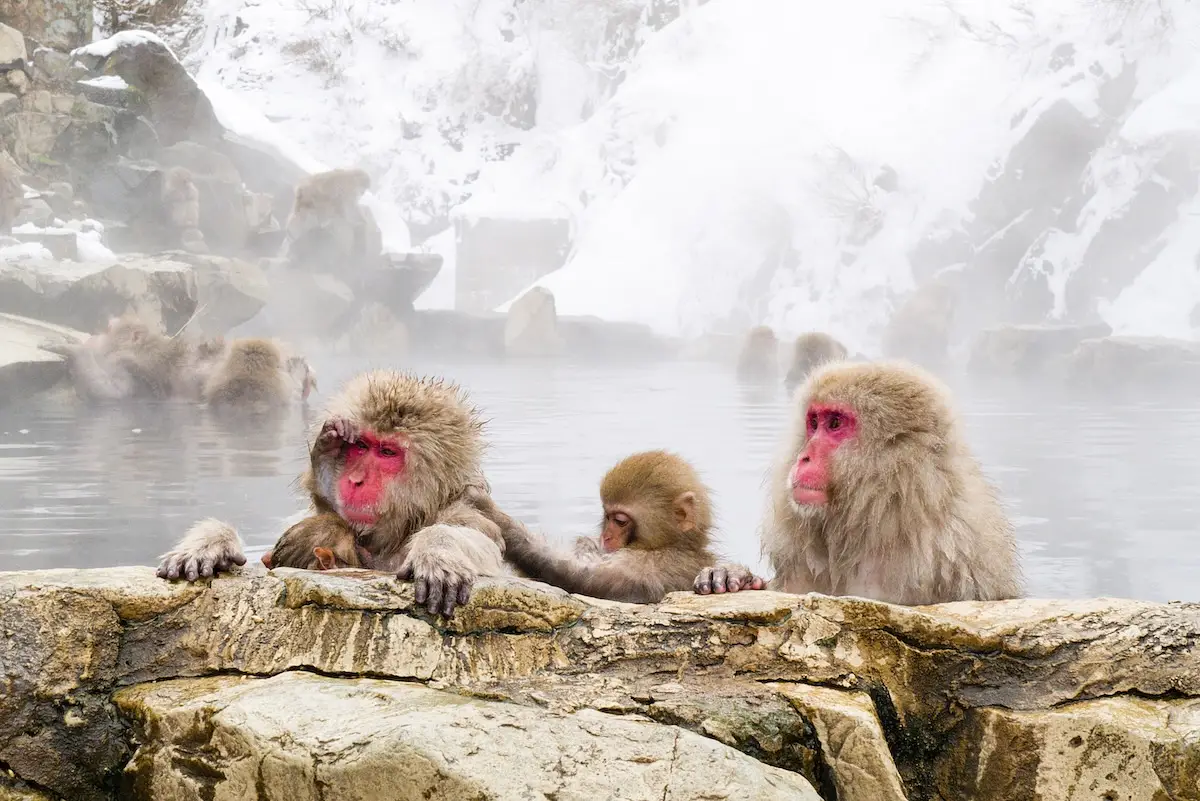
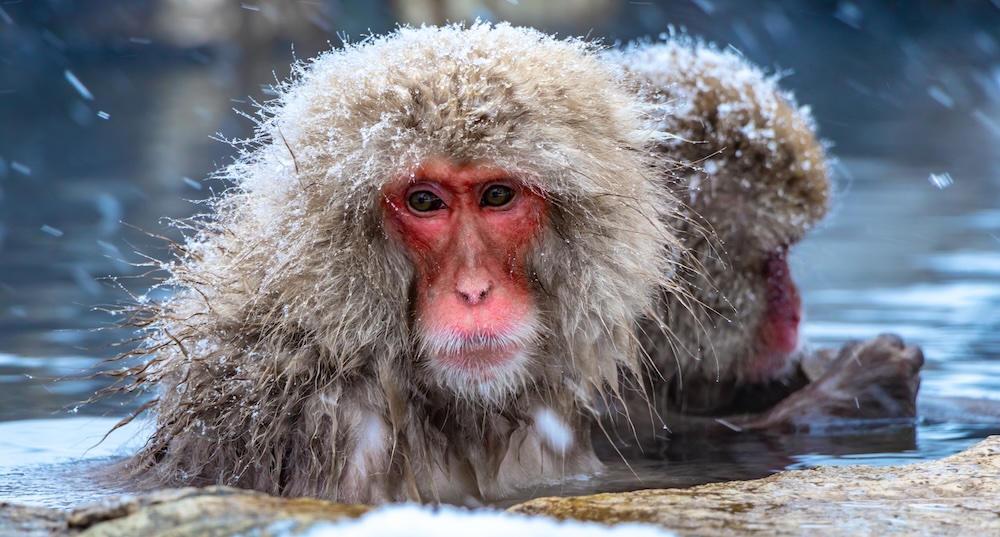
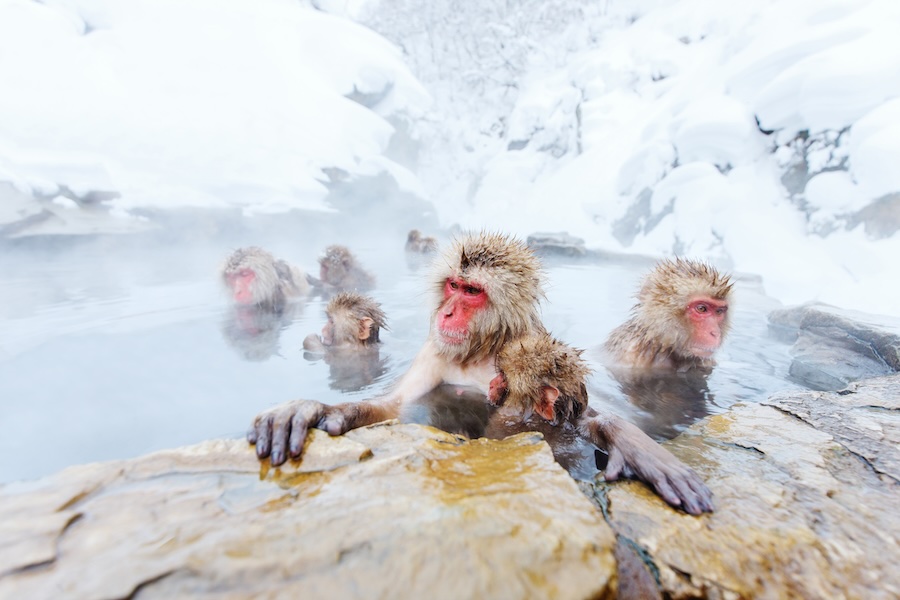
In Nagano, wild Japanese macaques, yes, the well-known Japanese snow monkeys, wander down from the slopes to soak in a natural hot spring like they own the spa at Jigokudani Monkey Park, also known as Jigokudani Snow Monkey Park. (They do. We're only here for a visit.) These are wild snow monkeys from Japan that come and go on their own timetable; it's neither a zoo nor an enclosure, and it's most definitely not a petting situation.
Aim for winter if you want the iconic "monkey in snow" moment, steam rising, snow falling, pink faces appearing wildly unbothered. When the monkeys utilize the bath to stay warm, the park is most famous from December to March.
Type |
Park / Wildlife attraction (snow monkey park) |
|
Location |
Nagano Prefecture, Yamanouchi (Jigokudani area) |
|
Address |
6845 Yamanouchi-machi, Shimotakai-gun, Nagano 381-0401, Japan |
|
Opening Hours |
Apr–Oct: 8:30–17:00 / Nov–Mar: 9:00–16:00 |
|
Admission/Ticket |
Adults (18+): ¥800 / Children (6–17): ¥400 / Under 5: Free |
|
Official Website |
||
Nearest Station |
Yudanaka Station (Nagano Dentetsu Line), then bus + walk |
|
Languages/Signage |
Visitor info available in English on the official site |
|
Best For |
Winter photographers, nature lovers, families with older kids, day-trippers from Nagano/Tokyo |
This is how it really works because, although Snow Monkey Park Japan appears effortless on Instagram, your boots will reveal the truth.
You'll earn it first. It takes roughly thirty minutes to walk on a woodland route from the bus stop/parking area to the park. Traction is important because it can be icy and snowy in the winter.
The big event comes next. There are dedicated walks close to the hot spring pool where you can see Japanese monkeys. There is no "bathing monkeys Japan" fantasy for people; they are hot spring monkeys from Japan, but the bath is only for monkeys.
Highlights:
The famous steaming pool where snow monkeys soak in winter.
A small display/gift area mentioned in the park’s visitor guide.
A “they might not show up” reality check: monkeys are wild, and appearances can be sporadic, especially in autumn.
A little matchmaking:
This monkey park in Japan is for you if:
You’re chasing the classic Japanese snow monkey photo (winter = most dramatic).
You love wildlife that’s actually wild, macaque Japan moments, not zoo vibes.
You’re a planner who can handle train + bus + walk (it’s a bit of a journey).
Maybe skip it if:
You need full wheelchair access (unpaved paths and steps make it difficult).
You hate cold outdoor attractions (this is not “cute chilly”, this is Nagano winter).
Before I save your trip, let me give you a brief overview: this park favors early risers, warm layers, and people who respect boundaries (yes, even when on vacation).
Go early for fewer crowds and calmer photos; weekends/holidays get busy mid-day. (The park even runs crowd forecasts.)
No food near the monkeys. Feeding is prohibited, and it’s for everyone’s safety.
Keep your distance. Don’t touch, don’t stare them down, don’t act like you’re auditioning for a nature documentary.
Check updates before you go. Hours can change and closures can happen due to weather or conditions.
Photography rules: photos are allowed, but no selfie sticks, drones, or sticking cameras into the bath.
Let’s be clear: this is a monkeys in Japan hot springs moment, not a fashion week runway, but you can do both.
Winter (Nov–Mar): thermal layers + insulated coat + gloves + hat.
Footwear: snow boots or hiking shoes with grip; the park recommends proper winter footwear and even simple crampons for safer walking
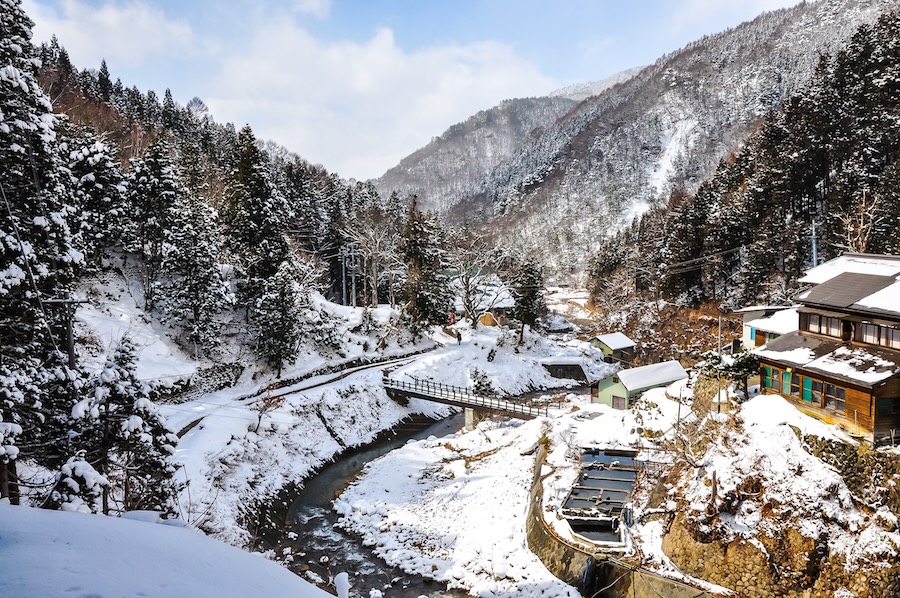
You’ve got options. The vibe is: train, bus, and then a brisk little “romantic forest walk.”
By Train + Bus (classic route):
From Tokyo - take the Hokuriku Shinkansen via Nagano, then the Nagano Dentetsu line to Yudanaka Station, then a bus to the Snow Monkey Park stop, then walk ~35 minutes.
By Car:
Park at Kanbayashi Onsen (free parking is noted), then walk ~30 minutes. There’s also a paid Jigokudani parking option listed by the park.
You’re in Nagano, don’t just see the monkeys and vanish like a one-season boyfriend.
Start nearby with:
Onsen towns: Shibu Onsen / Yudanaka Onsen for a proper hot-springs evening (humans welcome).
Nagano City as a base for a smooth day trip (especially if you’re combining with other sights).
A brief history: Jigokudani Yaen-koen has been in business since 1964 and is well-known throughout the world for its winter bathing scene, which is one of Japan's most recognizable animal displays. The park is located in northern Nagano at an elevation of roughly 850 meters, where snow remains for a significant portion of the year. This is precisely why the snow macaque way of life in this area is so renowned.
Let’s turn this into a plan (not just a saved post).
Stay: Make it easy on yourself and sleep nearby, especially in winter when daylight is short. JapanDen has a handy nearby option: Kanbayashi Hotel Senjukaku (a great base in the Snow Monkey area).
Transport:
Doing Tokyo + Nagano + Kanazawa + Kyoto/Osaka? A regional pass like the Osaka–Tokyo Hokuriku Arch Pass can make sense for that Hokuriku corridor itinerary.
Doing a bigger multi-city Japan trip? The nationwide Japan Rail Pass gives broad JR network coverage and flexibility
Connectivity: You’ll want maps, live transport updates, and the ability to post your “onsen monkey” masterpiece immediately. JapanDen’s Pocket WiFi Guide for Japan breaks down how it works and why it’s useful.
Personal assistance: If you want a stress-free landing (especially with winter plans), consider a Meet & Greet service for help activating your pass and getting oriented.
Extra reading (internal inspiration):
JRPass-style winter planning (snow season context + why winter is peak for snow monkeys)
JapanDen’s broader rail basics if you’re new to Japan train travel.
Do I need a ticket?
Yes, buy it on the day at the park. Adults are ¥800 and children (6–17) are ¥400.
Is it kid-friendly?
Yes for kids who can handle a 30–40 minute walk and following rules (no touching/feeding). Little ones should be closely supervised.
Are there English signs?
The park provides English guidance online (rules, visiting tips, access).
Can you bathe with the monkeys?
No, the hot spring bath is for the monkeys only, and bathing with them is prohibited
Are there monkeys in Japan year-round at this park?
The park is open year-round, but the monkeys are wild and may not appear every day; bathing behavior is most notable in winter.
If you want a truly unique “japan macaque in winter” wildlife experience (and you don’t mind the walk/cold), it’s one of Japan’s most memorable nature stops.
The closest city to Jigokudani Monkey Park is Yamanouchi (山ノ内町), a small town in Nagano Prefecture.
You can visit the park in summer (it’s open), but the iconic bathing behavior is primarily a winter thing.
Why should I book with JapanDen?
How do I book a hotel or ryokan through JapanDen?
What types of accommodations do you offer in Japan?
How can JapanDen help with planning my trip?
As well as booking accommodation, JapanDen is a place to learn more about Japan and how you can make the most of your time in this special country. From in-depth region guides to stories from Japan, we’ll be regularly publishing carefully curated insights from Japanese culture, with recommendations for the best activities and attractions and the latest news. Looking forward, we’ll also be adding special community features so you can share ideas and inspiration with like-minded people. Please come back and visit us regularly as we continue to add new content. We want JapanDen to be your home away from home too.
Do you offer guided tours in Japan, and how can I book one?
As part of the JRPass.com group, we offer a dedicated Meet and Greet service with expert personal assistance on your arrival in Japan booked via JRPass.com, alongside nationwide and regional rail passes for travel. As JapanDen grows, we will be offering more services and activities to provide a complete Japan travel experience.
Can I purchase Japan Rail Passes through your website?
JapanDen is part of the JRPass.com group, book your passes and tickets directly on JRPass.com
.jpg)