Spring Movies in Japan: Films That Capture Sakura Season
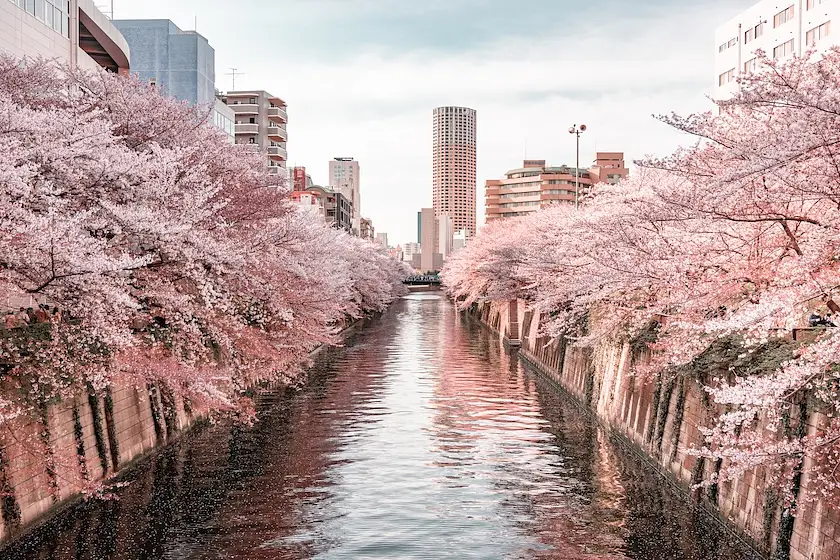
Watch, then walk the scenes
Spring movies in Japan turn a two-week bloom into a lasting memory, and several were filmed on streets you can actually stand on. From Studio Ghibli favourites to quietly devastating live-action dramas, these films use sakura season as more than scenery, using it as a stand-in for how quickly good things pass.
This guide rounds up the Japanese films that capture spring best, live-action and anime, and pairs each with a real filming or setting location worth adding to your own itinerary. It suits anime fans planning a first pilgrimage, film buffs who want their travels to feel personal, and anyone who has wondered where that famous staircase or cherry blossom tunnel actually is. Knowing the films first turns an ordinary stop into something that means more once you arrive.
Here’s what to know before planning your trip:
Category |
Details |
Topic Type |
Cultural experience, anime and film-inspired travel |
Best Moment to Think About This |
While mapping out your spring itinerary, before you book accommodation |
Ideal For |
Anime and film fans, first-time visitors travelling during sakura season |
Risk if You Ignore It |
You could walk straight past a real filming location without ever knowing it |
"Spring movies in Japan" describes films, animated or live-action, that treat cherry blossom season as the emotional centre of the story rather than a pretty backdrop. Japanese culture reads the fast bloom and fall of sakura as an expression of mono no aware, a gentle awareness that beautiful things do not last, and the symbolism behind the season still shapes how these stories get told today.
Spring also marks the start of the Japanese school year in April, so many of these films double as graduation or goodbye stories. Once you have seen the film, an ordinary shrine staircase or train platform stops being generic scenery and becomes somewhere you already know something about.
Watching these films before a trip changes what you notice once you are actually in Japan.
Train platforms and crossings: Ordinary stations suddenly feel loaded with meaning once you know a scene was set there.
Shrine staircases and side streets: Iconic spots sit inside normal neighbourhoods, so a little research beforehand saves you from wandering in circles.
Festival and fireworks scenes: Several films use a local matsuri as a turning point, so timing a visit around a real one adds another layer.
Quiet crowds at popular spots: Fellow fans are often doing exactly what you are doing, so a shared, unspoken etiquette usually applies.
This kind of trip suits some travellers more naturally than others.
Anime and film fans: Especially anyone with a mental list of scenes they would love to see in person.
First-time visitors: A few beloved films give shape to an otherwise overwhelming Japan itinerary.
Solo travellers and couples: Most locations are small enough to manage alone or in pairs rather than as a large group.
Repeat visitors: A fresh, personal reason to return to Tokyo or Kamakura in spring.
Spring cinema in Japan centers on a handful of real places — from Tokyo suburbs to Kamakura and Gifu — and on a bloom window that runs from late March into April, so the breakdown below covers both.
Each film below pairs with a real spot you can visit today.
5 Centimeters Per Second: Its sakura-strewn train scenes lean on Tokyo's suburbs, its central reunion chapter unfolds around a snowbound station in Tochigi, and a later chapter shifts south to the island of Tanegashima.
Your Name: The reunion scene climbs the red-railed staircase at Suga Shrine in Yotsuya, Shinjuku, now a well-known pilgrimage spot for fans.
Studio Ghibli picks: Whisper of the Heart is tied to the hillside streets around Seiseki-Sakuragaoka, and a visit to the actual Ghibli Museum in Mitaka rounds out a Ghibli-themed day.
Live-action spring stories: Our Little Sister is set and largely filmed in Kamakura, though its famous bicycle ride through a cherry blossom tunnel was actually shot in Numazu, Shizuoka, about 1.5 hours from Kamakura Station. Departures sets its quieter spring scenes around Sakata, in Yamagata's Shonai region of rural Tohoku.
A Silent Voice: The film's bridges and station are modelled closely on real spots around Ōgaki Park and the Suimon River in Gifu Prefecture.
Classic pick: Ozu's Late Spring is set largely in Kamakura, giving the city a claim on Japanese spring cinema that predates anime by decades.
Cherry blossoms typically bloom from late March to early April in Tokyo and Kamakura, and later further north, so it is worth checking a seasonal forecast closer to your trip rather than fixing dates too far ahead.
A few decisions and a short packing list make this kind of trip much smoother once you land.
Two things are worth settling before you leave home.
Watch the films first: A quick rewatch helps you recognise locations instead of relying only on photos.
Check accessibility: Confirm a location is public and not school or private property before building a route around it.
Packing for this kind of trip is less about gear and more about staying prepared and connected.
Offline maps and a translation app: Many locations sit on quiet residential streets not always signposted in English.
A charged phone and a data plan: Navigating and photographing all day drains a battery fast, so renting a Pocket Wi-Fi before you land keeps you connected all day.
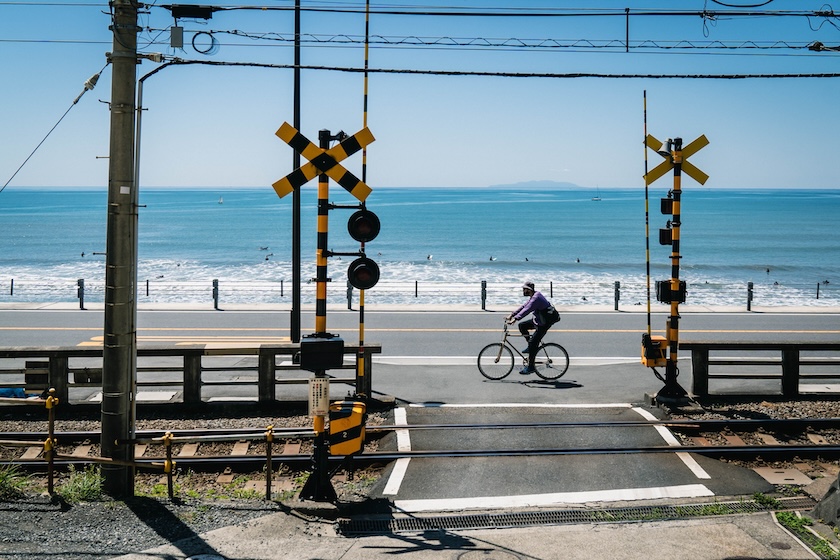
Visiting a film location, known in Japan as seichi junrei or anime pilgrimage, comes with its own unwritten rules, much like the etiquette fans already practise at the Enoden's famous anime railway crossing near Kamakura.
A few habits keep visits smooth and welcome:
Keep your voice down on residential streets, since many locations are ordinary neighbourhoods where people live.
Check opening hours for museums, including the Suginami Animation Museum, which traces animation back to pioneers like Osamu Tezuka.
Take your photo quickly, then step aside for the next visitor at popular spots.
Ask permission before photographing anyone who lives or works nearby.
Some habits are just as worth avoiding:
Don't linger once you have your photo, since other visitors are usually waiting behind you.
Don't step onto private property, school grounds, or working train platforms for a better angle.
Don't assume a location matches the film exactly, since some scenes combine several real places.
Don't play film audio loudly or recreate scenes in ways that could startle residents.
Mistakes happen, and most are easy to recover from.
A quick, polite apology goes a long way if you have wandered somewhere you should not have.
Staff at shrines, museums, and stations are usually happy to point you toward where a scene was filmed.
When in doubt, step back, watch how other visitors behave, and follow their lead.
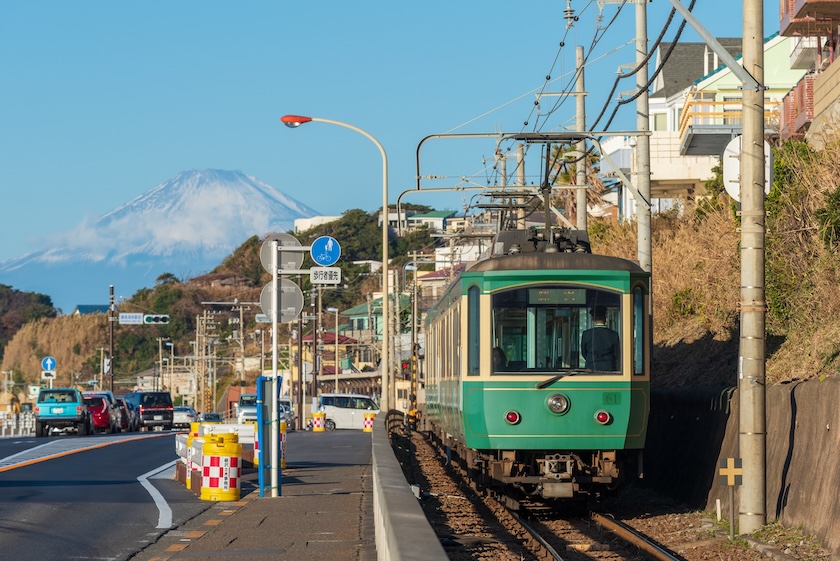
A spring film pilgrimage slots naturally into a wider Kanto itinerary built around trains.
Couple on a 10-day trip: Base yourselves near Shinjuku, perhaps at Hotel Listel Shinjuku, then day-trip out to Kamakura for the sakura tunnel.
Same couple, extending the day: Once in Kamakura, a ride on the Enoden (pictured above) adds its own famous anime crossing to the afternoon.
Family covering multiple cities: Add Ogaki as a short detour on a Kansai-bound route, and arrange a Meet & Greet service on arrival to ease the first day.
Solo backpacker on a budget: Stick to Tokyo and Kamakura by rail pass, pairing the Ghibli Museum with the Suginami Animation Museum for a compact two-museum day.
Here are quick answers to the questions people usually ask before planning this kind of trip:
Q: What is the best Japanese movie about spring?
A: Your Name and 5 Centimeters Per Second are widely considered the most iconic Japanese spring films for international viewers today.
Q: Why do so many Japanese films use cherry blossoms?
A: Sakura's brief bloom mirrors mono no aware, a gentle Japanese sense that beauty fades quickly, so filmmakers use it constantly.
Q: Is Your Name set in a real place?
A: Yes, the reunion staircase in Your Name is modelled on the real Suga Shrine in Yotsuya, central Tokyo.
Q: Can you visit the Your Name shrine in Tokyo?
A: Yes, Suga Shrine is open to the public and only a short walk from Yotsuya Station in Shinjuku.
Q: Where was 5 Centimeters Per Second filmed?
A: Its sakura scenes lean on Tokyo's suburbs, while a later chapter shifts south to the island of Tanegashima.
Q: Which Studio Ghibli film is set in spring?
A: Whisper of the Heart is closely tied to the hillside streets around Seiseki-Sakuragaoka in western Tokyo.
Q: Is A Silent Voice based on a real city?
A: Yes, its story draws heavily on real streets and bridges in Ogaki, a city in Gifu Prefecture.
Q: What does mono no aware mean?
A: Mono no aware describes a gentle, bittersweet awareness that beautiful things, like cherry blossoms, do not last.
Q: When is cherry blossom season in Japan?
A: Cherry blossom season typically runs from late March to early April in Tokyo and Kamakura, later further north.
Q: What is anime pilgrimage or seichi junrei?
A: Seichi junrei, or anime pilgrimage, means visiting real locations that inspired scenes from a favourite anime or film.
Q: Are anime filming locations free to visit?
A: Most locations are ordinary public streets, shrines, or stations, so visiting rarely costs anything beyond transport.
Q: Do I need a JR Pass for this kind of trip?
A: A JR Pass helps if your route covers Tokyo, Kamakura, and Gifu together, though local trains handle short trips fine.
Q: What should I watch to prepare for a spring trip to Japan?
A: Your Name is a common recommendation, since it captures both sakura season and the excitement of a first trip.
Q: Is Our Little Sister filmed in Kamakura?
A: Mostly, yes, the seaside town anchors the film. The famous cherry blossom tunnel scene, however, was actually filmed in Numazu, Shizuoka, outside Kamakura.
Q: Can I combine anime locations with regular sightseeing?
A: Yes, most film locations sit close to well-known temples, shrines, and stations already on a typical itinerary.
Why should I book with JapanDen?
How do I book a hotel or ryokan through JapanDen?
What types of accommodations do you offer in Japan?
How can JapanDen help with planning my trip?
As well as booking accommodation, JapanDen is a place to learn more about Japan and how you can make the most of your time in this special country. From in-depth region guides to stories from Japan, we’ll be regularly publishing carefully curated insights from Japanese culture, with recommendations for the best activities and attractions and the latest news. Looking forward, we’ll also be adding special community features so you can share ideas and inspiration with like-minded people. Please come back and visit us regularly as we continue to add new content. We want JapanDen to be your home away from home too.
Do you offer guided tours in Japan, and how can I book one?
As part of the JRPass.com group, we offer a dedicated Meet and Greet service with expert personal assistance on your arrival in Japan booked via JRPass.com, alongside nationwide and regional rail passes for travel. As JapanDen grows, we will be offering more services and activities to provide a complete Japan travel experience.
Can I purchase Japan Rail Passes through your website?
JapanDen is part of the JRPass.com group, book your passes and tickets directly on JRPass.com