Ghibli Museum Tokyo: Tickets, What to Expect & How to Plan Your Visit
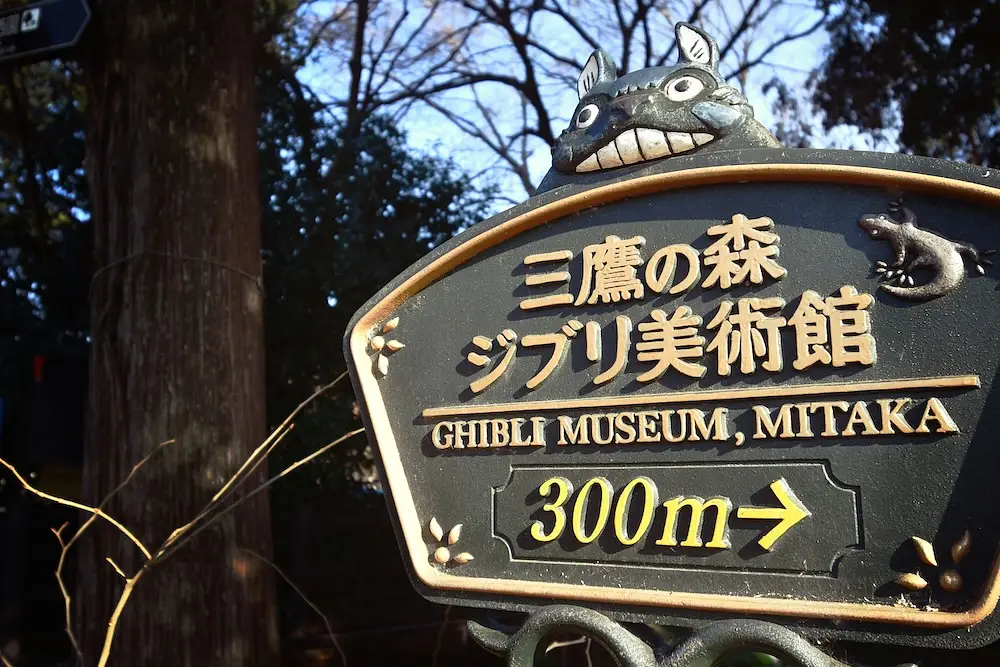
Where imagination comes to life
Let’s be clear: the Ghibli Museum in Tokyo is not a theme park, a conventional film museum or a warehouse filled with recognizable movie sets. It is smaller, stranger and more personal than that.
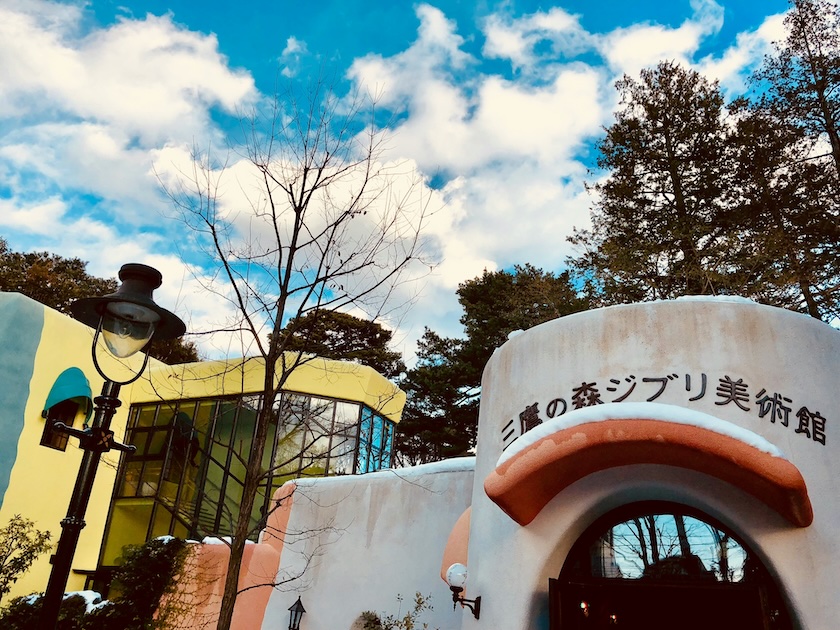
Hidden beside Inokashira Park in Mitaka, the museum feels like a building that wandered out of one of Hayao Miyazaki’s sketchbooks and decided to stay. Stained-glass windows scatter colored light across the floors, spiral staircases twist between levels, and small details reveal themselves only when you slow down enough to notice them.
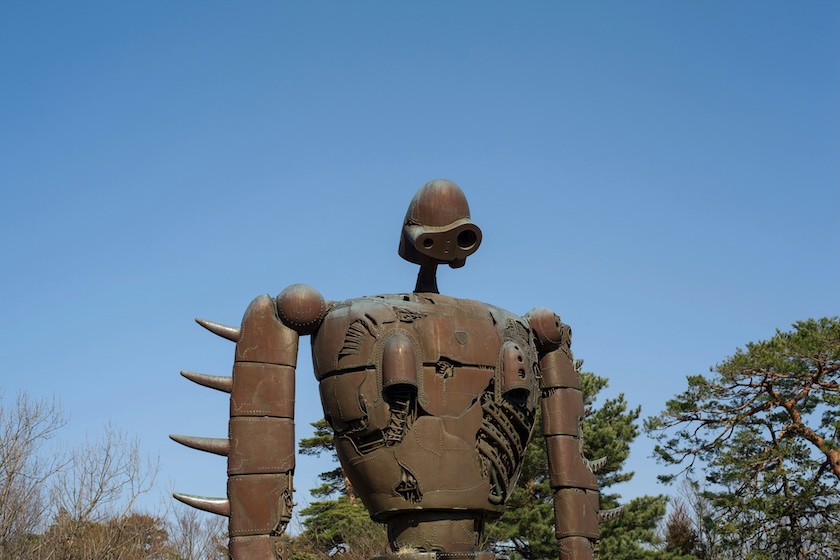
Inside, the focus is less on posing beside characters and more on understanding how drawings, movement, sound and imagination become animation. There is an exclusive short film, rooms filled with sketches and creative clutter, a children’s Catbus, a rooftop Robot Soldier and plenty of corners that resist being reduced to a quick photo.
The museum also fits easily into a wider Japan itinerary. Travelers continuing from Tokyo to Kyoto or Osaka can arrange their train tickets in advance and build the Mitaka visit into their final day in the capital before heading west.
Photography and filming are not allowed inside the museum, encouraging visitors to experience the exhibitions without viewing everything through a phone screen.
The Ghibli Museum uses timed admission and closes on selected dates throughout the year, so tickets and the official calendar should be checked before finalizing your Tokyo itinerary.
Key Detail |
Information |
|---|---|
Type |
Animation museum and immersive cultural attraction |
Location |
Mitaka, Tokyo |
Address |
1-1-83 Shimorenjaku, Mitaka-shi, Tokyo 181-0013 |
Opening Hours |
10:00 AM–6:00 PM |
Entry Slots |
Hourly from 10:00 AM to 4:00 PM; visitors must enter within one hour of their reserved time |
Closed |
Usually Tuesdays, plus irregular and extended maintenance closures |
Adult Admission |
¥1,000 for visitors aged 19 and over |
Ages 13–18 |
¥700 |
Ages 7–12 |
¥400 |
Ages 4–6 |
¥100 |
Ages 3 and Under |
Free |
Ticket Requirement |
Advance reservation only; no tickets are sold at the museum |
Official Website |
|
Nearest Station |
JR Mitaka Station |
Best For |
Ghibli fans, animators, artists, families and travelers interested in creative process and design |
Language |
Japanese is dominant; the experience is highly visual, but full English interpretation should not be expected |
Tickets are linked to a specific date and entry time. There is no fixed departure time once you enter, but re-entry is not permitted after leaving. The named ticket purchaser should attend and carry a passport or other suitable identification.

Entering the museum feels less like following a neatly numbered exhibition and more like being invited to explore somebody else’s imagination. There is no single correct route, and part of the experience is deciding which staircase, doorway or tiny passage to investigate next.
The basement’s Saturn Theater has approximately 80 seats and screens original Studio Ghibli short films that are not part of the studio’s regular cinema releases.
The film changes according to the museum’s screening schedule. Admission includes one screening, and visitors may enter the theater only once during their museum visit.
Some films rely heavily on imagery, movement and music, while others contain Japanese dialogue or written Japanese. Check the current short-film schedule before visiting when the screening is an important part of your plans.
The permanent animation rooms recreate the kind of workspace where an idea begins turning into a finished film. Desks, books, sketches, paints, models and drawings fill the rooms, creating the impression that an artist has only just stepped outside.
Rather than presenting animation only as a finished product, the museum explores movement, experimentation and the often-messy creative process behind a story.
This section is especially rewarding for illustrators, animators, designers and travelers interested in how Studio Ghibli’s films are made.
A soft Catbus and soot-sprite play area brings My Neighbor Totoro to life—but only younger visitors can climb inside.
The Catbus is reserved for children of elementary-school age and below, defined by the museum as age 12 and under. Adults can view the play area, but they cannot enter or sit inside the Catbus.
A narrow spiral staircase leads to the rooftop garden and its five-meter-tall Robot Soldier from Castle in the Sky. The rooftop is one of the exterior areas where visitors are permitted to take photographs.
There is no elevator to the rooftop, and access may be restricted during poor weather. Visitors unable to use the staircase can explore most of the museum but cannot reach this particular area.
The Straw Hat Café serves handmade meals, snacks, desserts and drinks, with seating inside and on the outdoor deck.
The menu changes, so dishes seen in older articles or videos may no longer be available. The café can also take up a significant portion of a short museum visit when it is busy.
Travelers who particularly want to eat there should allow additional time. Visitors may also eat food brought from outside in permitted café or deck areas when seating and weather conditions allow.
The museum shop is named after the air pirates in Porco Rosso. It carries familiar character merchandise alongside original items created specifically for the museum.
It is a relatively compact shop rather than a complete catalogue of Studio Ghibli products. Travelers focused mainly on shopping may find a broader overall selection at larger official Donguri Republic stores, while MAMMA AIUTO! remains valuable for museum-exclusive items.
The museum shop, Straw Hat Café and TRI HAWKS reading room accept cash, major credit cards and several electronic payment methods.
Getting a ticket is often the most challenging part of visiting the museum.
All admission is by advance reservation. There are no walk-up tickets, no same-day ticket counter and no standard cancellation line at the entrance.
For overseas visitors, the main official option is the English-language Lawson Ticket system linked from the museum’s official ticket page.
Tickets go on sale at 10:00 AM Japan Standard Time on the 10th of each month for the following month.
For example, admission dates for February are released on January 10.
The adult admission price is only ¥1,000, contributing to demand that is significantly higher than the number of tickets available through the international system.
The museum currently uses the following entry slots:
10:00 AM
11:00 AM
12:00 PM
1:00 PM
2:00 PM
3:00 PM
4:00 PM
Visitors must enter within one hour of their reserved time. Once inside, they may remain until the museum closes at 6:00 PM.
The online queue is one of the most widely discussed parts of the Ghibli Museum experience.
A detailed January 2026 ticket-purchasing discussion describes preparing for the exact release time and keeping several potential dates available.
Another traveler report about the Lawson waiting room describes joining a queue of thousands of users and finding very few suitable slots remaining by the time the booking page became available.
To improve your chances:
Convert 10:00 AM JST into your local time before sale day.
Join the official waiting room before sales begin when it becomes available.
Prepare several acceptable dates and entry times.
Keep passport and payment details ready.
Enter all information carefully.
Avoid refreshing or leaving the queue unless instructed by the booking system.
Treat the visit as unconfirmed until payment is completed.
Build the rest of your Tokyo itinerary around the ticket you secure.
A large queue number does not always mean failure, while a relatively low number does not guarantee your preferred date. Flexibility is more useful than relying on unofficial booking “hacks.”
The museum’s ticket page also lists an official Sunrise Tours JTB package that includes Ghibli Museum admission alongside other activities or destinations.
This can be helpful when standard tickets are unavailable, but the cost is considerably higher. It should be evaluated as a complete guided tour rather than as an inexpensive substitute for the regular ¥1,000 museum ticket.
Commercial ticket resale is prohibited.
The purchaser’s name appears on the ticket, and staff may request identification. Entry can be refused when the named purchaser is absent or the ticket appears to have been transferred or resold.
Whether the museum justifies the effort of securing a ticket has become an active conversation among Japan travelers.
In a recent discussion about whether the Ghibli Museum is still worth visiting, many travelers made an important distinction: the museum itself can be delightful, but the stressful ticket process may create expectations that no small museum could realistically meet.
The museum is likely worth prioritizing when you:
Love several Studio Ghibli films
Enjoy animation, illustration or production design
Appreciate small details and unusual architecture
Want to watch an exclusive short film
Are happy to spend part of the day in Mitaka and Kichijoji
Are traveling with children who can use the Catbus
It may feel underwhelming when you:
Expect a large theme park
Want thrill rides
Expect life-size sets from every major Ghibli film
Mainly want character photo opportunities
Expect an enormous merchandise store
Need extensive English explanations
Are paying a heavily inflated third-party price solely for admission
The museum is compact and deliberately intimate. It is an exploration of animation, imagination and creative process rather than a Tokyo version of Ghibli Park.
Most visitors should allow approximately two to three hours for the museum.
A shorter visit is possible when skipping the café and browsing the shop quickly. Three to four hours may be more comfortable when you want to eat, examine every room, watch the short film and take your time with the merchandise.
There is no mandatory departure time, so an early entry provides the greatest flexibility. The museum itself is not large enough to require an entire day, but it combines easily with Inokashira Park and Kichijoji.
A comfortable plan could include:
Travel from Shinjuku to Mitaka.
Enter the museum at your reserved time.
Spend two to three hours inside.
Walk through or around Inokashira Park.
Continue to Kichijoji for lunch, cafés and shopping.
Return to central Tokyo or stop at Nakano on the Chuo Line.
This creates a more complete outing than traveling across Tokyo solely for the museum and immediately returning afterward.
The best time to visit is ultimately the date for which you can secure a ticket.
The museum normally closes on Tuesdays, but it also has irregular closure periods and longer maintenance breaks. Check the official calendar and ticket page before booking flights, accommodation or non-refundable activities.
Weekdays may provide more ticket options than weekends, but they are not guaranteed to feel empty. Timed entry controls new arrivals, while visitors admitted earlier may remain inside for several hours.
Spring and autumn make Inokashira Park especially pleasant, although these seasons are also popular times to visit Tokyo. Winter tickets can still be highly competitive and should not be assumed to be easy to secure.
The museum appeals to a broader audience than devoted Studio Ghibli fans alone, but understanding its focus will help set the right expectations.
Fans will recognize visual references throughout the building, but the museum is not organized film by film.
Visitors interested in only one particular title should not expect a large permanent section dedicated exclusively to it.
The recreated workrooms, production materials and mechanical animation exhibits make the museum especially valuable for artists, animators and designers.
It celebrates experimentation and creative process as much as familiar characters and completed films.
The building is designed with children in mind, from its smaller reception platform to the Catbus and reading room.
Strollers must be left in the designated storage area before visitors explore the museum. A baby carrier may be more convenient for families with infants or toddlers.
The museum works particularly well for solo visitors because each person can follow their curiosity and move through the building at their own pace.
Travelers without a strong interest in Ghibli can still appreciate the architecture and animation exhibits. However, the ticketing effort and journey to Mitaka may not be a priority during a very short Tokyo itinerary.
Most of the three-story museum is accessible by wheelchair. Elevators connect the basement through the second floor, and wheelchairs are available to borrow.
The main limitation is the rooftop garden, which can only be reached by a narrow spiral staircase. There is no elevator to the rooftop.
The museum provides:
Accessible toilets on each floor
Diaper-changing tables
A nursing room
Wheelchair spaces in the Saturn Theater
Assistive-listening earphones with Japanese audio
Small coin lockers
Access for service dogs
Strollers must be left in a designated area. Pets other than service animals are not admitted.
One permanent exhibition uses bright bursts of stroboscopic light. Visitors who are sensitive to flashing lights should speak with museum staff before entering that area.
Mobile phones should be switched off inside, and photography and video recording are prohibited in interior spaces.
More detailed information is available on the museum’s accessibility page.
The museum is in Mitaka, west of central Tokyo. Public transportation is the simplest way to reach it because there is no visitor parking.
Take the JR Chuo Line from Shinjuku Station to Mitaka Station. The train journey takes approximately 20 minutes.
From Mitaka Station’s south exit, the museum is approximately 15 minutes away on foot.
Follow the museum’s official directions rather than relying only on the park’s internal paths.
A community bus travels from Mitaka Station’s south exit to the museum approximately every 15 minutes during museum opening hours.
The bus is a convenient option for families, travelers with limited mobility and visitors arriving during rain, summer heat or poor weather.
Kichijoji provides a more scenic alternative for travelers who want to walk through Inokashira Park before or after the museum.
The neighborhood is served by the JR Chuo Line, JR Chuo-Sobu Line and Keio Inokashira Line. Walking from Kichijoji Station takes longer than the route from Mitaka, so allow sufficient time before a reserved entry slot.
The museum does not provide visitor parking and recommends traveling by public transportation.
The Ghibli Museum and Ghibli Park are separate attractions in different regions of Japan.
Located in Mitaka, Tokyo
Compact indoor museum
Focuses on animation, artistic process and imagination
Includes one exclusive short-film screening
Usually takes two to three hours
Tickets are released one month ahead
Best for shorter Tokyo itineraries, artists and animation lovers
Located in Nagakute, Aichi, near Nagoya
Spread across five areas within Expo 2005 Aichi Commemorative Park
Features themed buildings, landscapes, exhibitions and recreated environments
Requires more walking and route planning
Can occupy most of a day
Overseas tickets are generally released around two months ahead
Best for travelers already visiting central Japan and fans who want to explore physical environments inspired by the films
Ghibli Park is not a conventional rollercoaster-focused theme park. Its areas emphasize exploration, architecture and detailed sets. Valley of Witches includes small rides, while some experiences and activities may require additional payment.
Check the official Ghibli Park ticket page for current admission options.
Choose the Ghibli Museum when Tokyo is your main destination, your time is limited or you care most about art, animation and filmmaking.
Choose Ghibli Park when you can dedicate most of a day, are traveling near Nagoya and want to explore larger recreations of places from the films.
Neither replaces the other. The museum explores how imaginary worlds are created, while the park gives those worlds more physical space.
Mitaka and Kichijoji offer enough to turn the museum visit into a comfortable half-day or full-day outing.
The museum sits beside Inokashira Park, one of western Tokyo’s most popular green spaces.
Paths circle the pond, and rowing, cycle and swan boats operate according to seasonal hours and weather conditions. The park is especially attractive during cherry blossom season and autumn, but it can become crowded at peak times.
Visit the official Inokashira Park page for current facility information.
Kichijoji combines cafés, small shops, department stores and pedestrian shopping streets without feeling quite as overwhelming as Shinjuku or Shibuya.
It is an excellent place for lunch after the museum, particularly when the Straw Hat Café queue is longer than you want to wait.
North of Kichijoji Station, Harmonica Yokocho is a maze of narrow lanes containing small restaurants, bars, food businesses and shops.
The area changes throughout the day, with a quieter atmosphere earlier and more activity during the evening.
Travel east on the JR Chuo or Chuo-Sobu Line to Nakano when you want to continue shopping for anime, manga, figures and collectibles.
Nakano Broadway is particularly strong for secondhand and vintage merchandise, providing a useful contrast with the Ghibli Museum’s smaller and more selective shop.
The Ghibli Museum opened to the public in October 2001.
Its design developed from Hayao Miyazaki’s drawings and ideas about what a museum should be: engaging rather than formal, welcoming to children and filled with details that reward curiosity.
This philosophy explains why the museum avoids long corridors filled only with framed film stills. The building itself is part of the exhibition. Windows, stairs, railings, lamps and hidden spaces all contribute to the feeling that visitors have entered a story rather than simply an archive.
The no-photography rule supports the same atmosphere by preventing the galleries from becoming a series of queues for identical photographs.
A little preparation can make the ticket process and museum visit much smoother.
Prioritize the ticket release: Avoid finalizing that day of your Tokyo itinerary until admission is confirmed.
Check Japan time: Tickets are released at 10:00 AM JST on the 10th of the previous month.
Prepare backup options: Have several acceptable dates and times ready before entering the Lawson queue.
Carry identification: The named ticket purchaser should attend and may be asked to show ID.
Arrive within your entry window: Visitors must enter within one hour of the reserved time.
Avoid resale tickets: Resold or transferred admission can be rejected.
Choose an early slot for flexibility: Visitors can remain inside until closing, but there is no re-entry after leaving.
Leave the stroller in storage: Strollers cannot be used throughout the museum.
Bring a carrier for small children: It can make stairs and crowded areas easier to manage.
Use cards or electronic payment: The café and shop accept several payment methods.
Keep your camera away indoors: Photography and filming are limited to permitted exterior areas.
Check the short-film schedule: The screening changes, and each visitor may watch only once.
Plan food flexibly: Eat in Kichijoji when waiting for the museum café would take too much time.
Check all closure dates: The museum may close for maintenance as well as on regular Tuesdays.
Tickets should come first. Accommodation, transportation and nearby activities can be arranged after you know your confirmed museum date and entry time.
For the museum alone, use an IC card or buy a standard JR ticket for the journey from central Tokyo to Mitaka.
A nationwide Japan Rail Pass is not worthwhile solely for this local trip. However, an already-active national pass can cover eligible JR travel to Mitaka.
The community bus from Mitaka Station is not included in a Japan Rail Pass.
When your itinerary continues from Tokyo to Kyoto or Osaka, individual Shinkansen tickets may be more practical than a nationwide pass.
You can compare and book available Tokyo–Kyoto and Tokyo–Osaka train tickets.
For an itinerary containing several long-distance JR journeys, compare the cost of individual fares with a national Japan Rail Pass.
Travelers concentrating on one part of Japan can also review regional rail passes. The best option depends on the complete itinerary rather than the journey to the museum alone.
Mobile data is useful before and after the visit for checking train routes, bus times, the Lawson booking page and nearby restaurants.
Phones should be switched off once inside the museum.
A Pocket Wi-Fi rental can connect several devices, making it useful for families and groups traveling together.
A Meet & Greet service can assist with arrival logistics, rail-pass activation, train reservations, Pocket Wi-Fi collection and the journey from the airport.
The service does not include or guarantee Ghibli Museum admission. Museum tickets must still be purchased through an official ticket channel.
Q: Is the Ghibli Museum worth visiting?
A: Yes, particularly for Studio Ghibli fans, artists and visitors interested in animation. It may be less suitable for travelers expecting rides, extensive character sets or a large theme park.
Q: How difficult is it to get Ghibli Museum tickets?
A: International ticket releases are highly competitive. Travelers frequently report long Lawson Ticket queues and limited availability by the time they reach checkout. Preparing several acceptable dates and entry times is strongly recommended.
Q: When do Ghibli Museum tickets go on sale?
A: Tickets are released at 10:00 AM Japan Standard Time on the 10th of each month for admission during the following month.
Q: Can I buy tickets at the museum or on the same day?
A: No. The museum does not sell tickets at its entrance. All visits require a dated and timed advance reservation.
Q: How long should I spend at the Ghibli Museum?
A: Approximately two to three hours is suitable for most visitors. Allow longer when you plan to eat at the café, shop slowly or explore every exhibition room.
Q: Is the Ghibli Museum the same as Ghibli Park?
A: No. The museum is in Mitaka, Tokyo, and focuses on animation and creativity. Ghibli Park is in Aichi near Nagoya and contains five larger themed areas.
Q: Is the Ghibli Museum suitable for young children?
A: Yes. Children aged 12 and under can use the Catbus play area, and the museum provides diaper-changing facilities and a nursing room. Strollers must be left in a designated storage area.
Q: Can adults enter or sit inside the Catbus?
A: No. The Catbus is reserved for children of elementary-school age and below.
Q: Can I take photographs inside the museum?
A: No. Photography and video recording are prohibited inside. Photographs are permitted in designated exterior areas, including the rooftop when it is open.
Q: Is the museum wheelchair accessible?
A: Most museum facilities are wheelchair accessible, and wheelchairs are available to borrow. The rooftop garden is the main exception because it can only be reached by a narrow spiral staircase.
Why should I book with JapanDen?
How do I book a hotel or ryokan through JapanDen?
What types of accommodations do you offer in Japan?
How can JapanDen help with planning my trip?
As well as booking accommodation, JapanDen is a place to learn more about Japan and how you can make the most of your time in this special country. From in-depth region guides to stories from Japan, we’ll be regularly publishing carefully curated insights from Japanese culture, with recommendations for the best activities and attractions and the latest news. Looking forward, we’ll also be adding special community features so you can share ideas and inspiration with like-minded people. Please come back and visit us regularly as we continue to add new content. We want JapanDen to be your home away from home too.
Do you offer guided tours in Japan, and how can I book one?
As part of the JRPass.com group, we offer a dedicated Meet and Greet service with expert personal assistance on your arrival in Japan booked via JRPass.com, alongside nationwide and regional rail passes for travel. As JapanDen grows, we will be offering more services and activities to provide a complete Japan travel experience.
Can I purchase Japan Rail Passes through your website?
JapanDen is part of the JRPass.com group, book your passes and tickets directly on JRPass.com
.jpg)