Mountains in Hokkaido: Asahidake, Daisetsuzan, and Japan's First Autumn Colours
Hokkaido's peaks made easy
Mountains in Hokkaido, Japan range from a short ropeway ride to a full day's climb up an active volcano, and the right choice depends on how much time you have and how much walking you want to do. Hokkaido differs from Honshu in a few important ways: Daisetsuzan colours before anywhere else in Japan, several peaks are still active volcanoes, and brown bears live across the island rather than in a handful of remote pockets. None of that needs to be intimidating, but it does change how you plan transport, timing, and what you pack.
This guide suits first-time visitors who want a clear sense of which mountains are worth the detour, autumn-leaf chasers trying to time a September trip around Japan's earliest colours, and anyone weaving a Hokkaido leg into a longer Japan itinerary. By the end, you should know which peaks reward a short ropeway ride, which are worth a full hiking day, and how to fit either into the rest of your trip.
Here's a summary of the essentials for this topic:
Detail |
Summary |
Topic type |
Nature sightseeing and hiking |
Best moment to think about this |
While planning your Hokkaido itinerary, ideally before booking trains or accommodation |
Ideal for |
First-time visitors, hikers of any level, autumn-leaf photographers |
Risk if you ignore it |
You could miss the earliest autumn colours in Japan or badly misjudge how long it takes to reach these mountains |
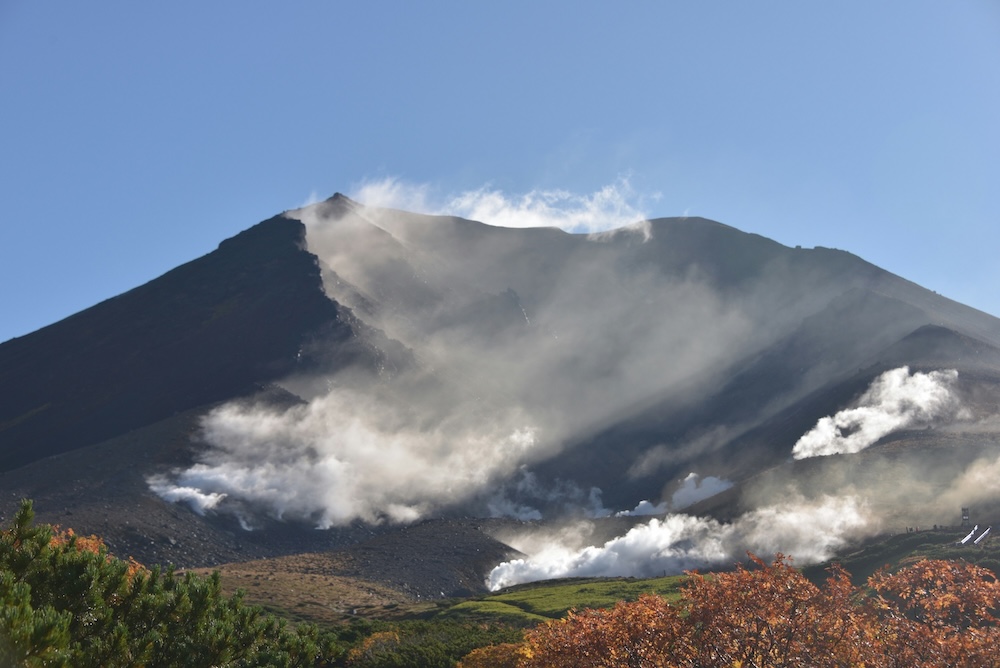
Hokkaido's mountains centre on Daisetsuzan National Park, home to Asahidake, alongside volcanic cones like Mount Yotei and Showa-Shinzan. In plain terms, this is a mix of one huge alpine national park and several standalone volcanoes, most reachable without technical climbing skills.
Many summits here are reachable by ropeway rather than a full climb; several are still active volcanoes with real monitoring in place, and the island is home to brown bears rather than the smaller black bears found further south on Honshu. The Ministry of the Environment's Daisetsuzan National Park page is worth a look before any visit, with links through to trail guides and seasonal updates, since conditions change quickly at altitude.
These mountains tend to come up once you're deciding how to spend a Hokkaido leg of your trip, whether that's a day trip from Sapporo or a longer stay near Asahikawa or Niseko.
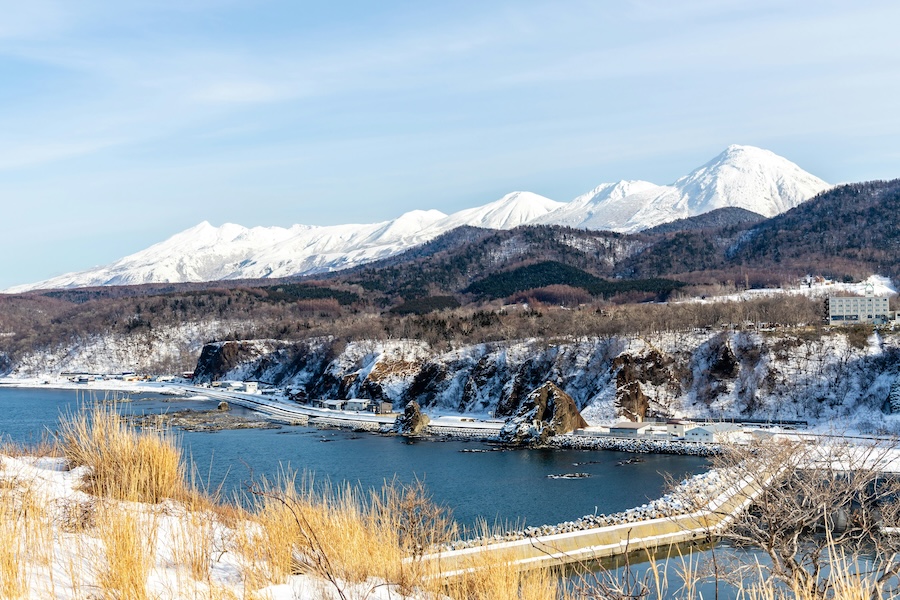
First-timers usually trip up on the same things in Hokkaido, and knowing them in advance saves confusion on the ground.
Expecting a summit from the Asahidake ropeway, when it only reaches 1,600 metres, a scenic viewpoint rather than the top.
Finding Asahidake busy in peak season, when starting instead from Sounkyo toward Kurodake usually means a quieter trail with similar views.
Spotting a bear warning sign and assuming the worst, when a bear bell and marked paths keep the real risk fairly low.
Hoping to summit Mount Yotei without checking conditions, when most visitors end up happier simply admiring it from Niseko.
Not every traveller needs the same level of detail, so it helps to know where you fit.
Especially helpful for first-time visitors, hikers of mixed ability, and autumn-leaf photographers.
Consider carefully if you have mobility issues or young children, since ropeways make the scenery accessible but summit trails generally do not.
Less urgent if staying only in Sapporo or travelling outside the hiking season.
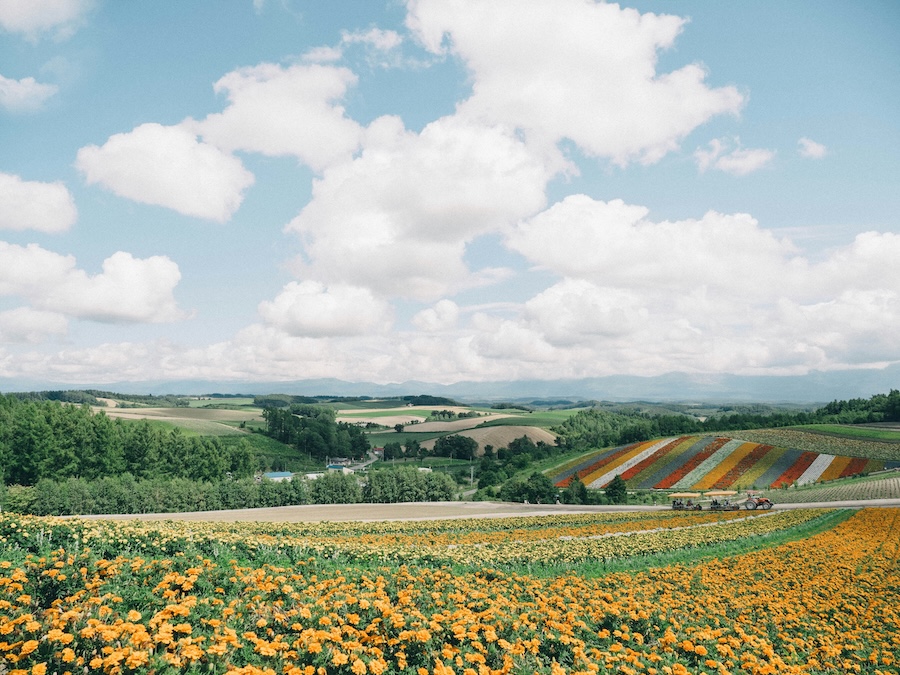
Where you base yourself and when you travel both change which of these mountains actually make sense for your itinerary.
Daisetsuzan, reached via Asahikawa, is the classic gateway for Hokkaido's mountains, with hotels like Sounkaku making a convenient base near Kurodake and the quieter side of the park. Niseko, closer to Sapporo, suits Mount Yotei viewing far more than a serious climb for most visitors, and it also works well as a stop on a wider Hokkaido rail trip.
Further east, Shiretoko is wilder and considerably less English-friendly than the rest of Hokkaido, home to Mount Rausu inside a wilderness recognised for its rare mix of marine and mountain ecosystems. It rewards travellers with more time and a taste for remote scenery over convenience.
Timing matters more here than in most of Japan. Hiking season runs roughly mid-June to September, though snow can linger at higher elevations early on, so late spring visits need extra planning.
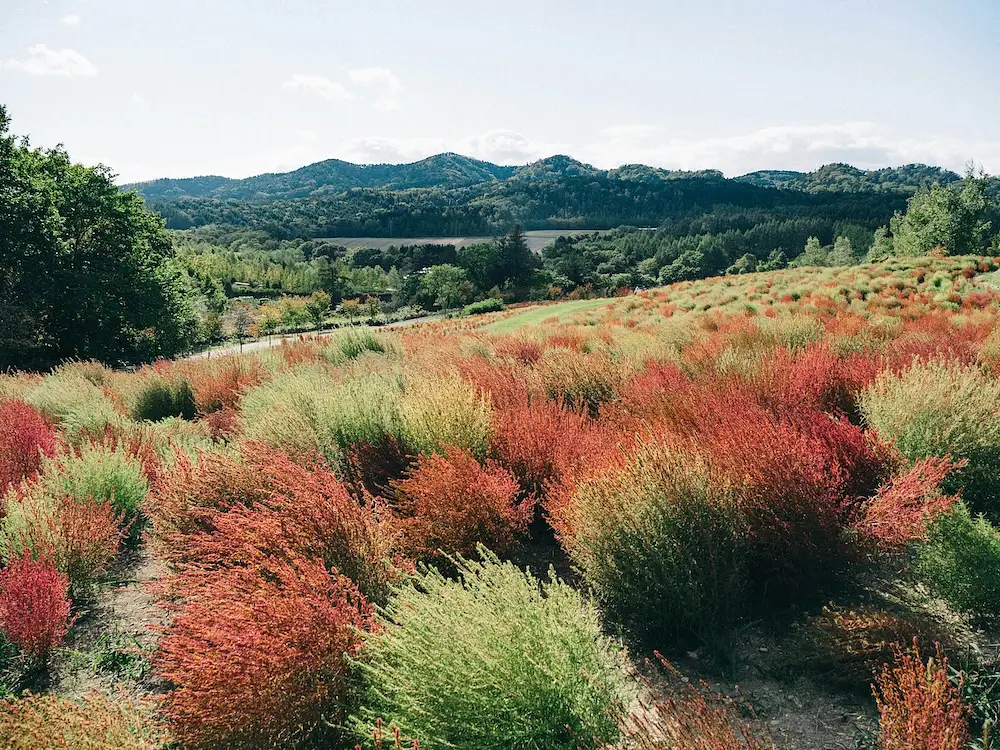
September stands out because Daisetsuzan's alpine shrubs turn colour before anywhere else in the country, often as early as mid-month. Winter closes most summit trails, leaving only a handful of ropeways open, mainly for skiing rather than sightseeing.
A little planning before you leave home makes a real difference once you're in Hokkaido.
Decide early whether the Hokkaido Rail Pass, priced from around ¥22,000 for 5 days up to ¥37,000 for 10 days and covering unlimited JR Hokkaido travel, suits your route. It's also worth booking onsen accommodation near Asahidake or Sounkyo well ahead of the September foliage rush, since rooms fill quickly once the colours start.
A short mental and physical checklist covers most of what you'll actually need on the ground.
Layered clothing and sturdy, broken-in footwear for uneven volcanic terrain
A bear bell and basic rain protection, since Hokkaido's weather can shift quickly
A rented pocket Wi-Fi device for checking trail conditions and weather updates where signal is thin
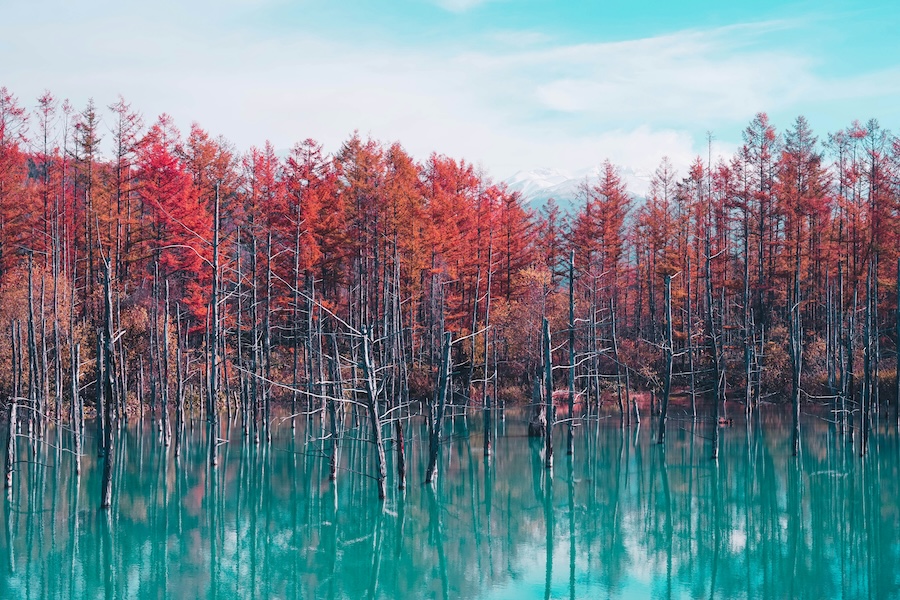
These are the small details worth knowing before you set off.
A few habits make mountain days in Hokkaido go more smoothly:
Check ropeway hours before travelling out, since some close earlier outside peak season.
Follow official guidance on bear behaviour and encounter response on any forest or alpine trail.
Start early during the September foliage peak to get ahead of the crowds.
The following things are just as easy to avoid, and worth flagging before you set off:
Don't assume every peak needs a hike; several of Hokkaido's best viewpoints are ropeway-only.
Don't leave food unattended on trails or at rest stops, since it attracts wildlife.
Don't ignore posted bear notices, even if the trail looks quiet that day.
Mistakes happen, and Hokkaido's mountain areas are generally well set up to help you recover. If a trail closes or the weather turns, staff at ropeway stations and visitor centres can usually point you toward a shorter, safer loop nearby.
How you use this depends on the shape of your trip, so here are a few common examples:
A couple on a ten-day city trip might add a day for the Asahidake ropeway between Sapporo and Niseko, using a Meet and Greet service that helps activate a rail pass and reserve onward tickets for an easier arrival.
A family covering multiple cities could follow a five-day rail itinerary covering Sapporo, Asahikawa, and a return via Otaru or Noboribetsu, fitting a mountain day in alongside city sightseeing.
A solo or budget traveller visiting in winter might skip the mountains and catch Asahikawa's week-long winter festival on the Ishikari River each February instead.
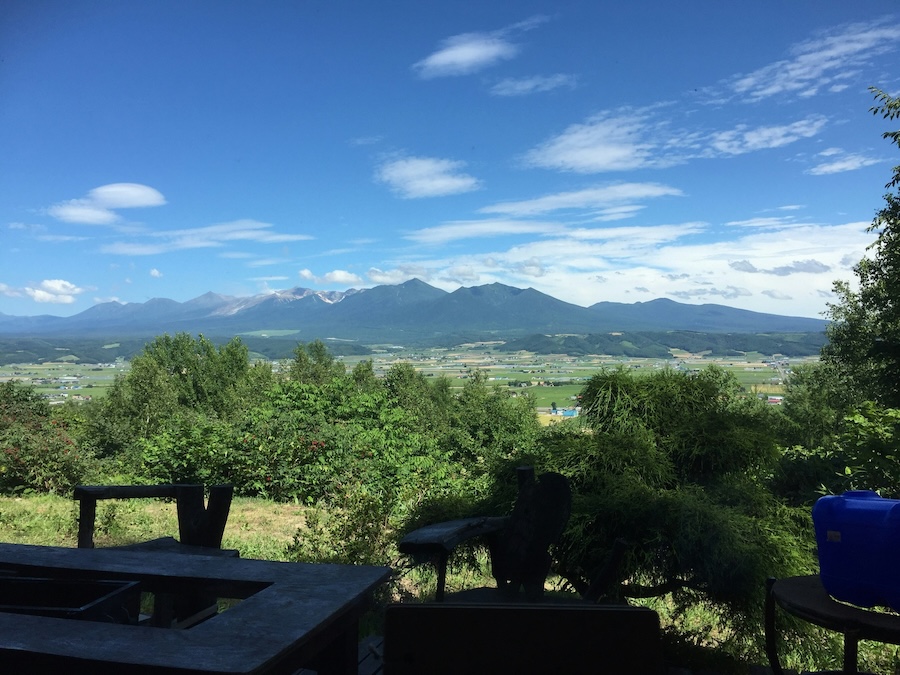
These quick answers cover what travellers ask most before planning a trip.
Q: What is the highest mountain in Hokkaido?
A: Asahidake, at 2,291 metres inside Daisetsuzan National Park, is Hokkaido's highest peak and reachable by ropeway.
Q: Do I need hiking experience for Asahidake?
A: No, the ropeway reaches 1,600 metres, and a flat loop trail suits non-hikers who just want the view.
Q: When do Hokkaido's mountains turn colour?
A: Daisetsuzan usually changes first in Japan, typically from mid to late September at higher elevations.
Q: Is Mount Yotei difficult to climb?
A: The full summit route is a demanding single-day hike, but viewing spots near Niseko need only a short walk.
Q: Are there bears near Hokkaido's mountains?
A: Yes, Ussuri brown bears live across Hokkaido, so bear bells and posted trail warnings should be taken seriously.
Q: What is the best base for exploring Daisetsuzan?
A: Asahidake Onsen and Sounkyo are the two main onsen villages, each sitting near a different ropeway.
Q: How do I reach Daisetsuzan from Sapporo?
A: Take a JR train to Asahikawa, around 80–90 minutes, then a connecting bus toward Asahidake or Sounkyo.
Q: Can I visit Hokkaido's mountains in winter?
A: Some ropeways run through winter for skiing, but summit hiking trails are typically closed by snow.
Q: Is Showa-Shinzan still an active volcano?
A: Yes, Showa-Shinzan and neighbouring Mount Usu near Lake Toya remain active, with a ropeway offering close crater views.
Q: What makes Shiretoko different from other Hokkaido mountains?
A: Shiretoko is a UNESCO-recognised wilderness where mountain and marine ecosystems meet, home to Mount Rausu.
Q: Do I need a car to reach these mountains?
A: No, JR trains and connecting buses reach Asahikawa, Niseko, Toya, and Shiretoko without any driving.
Q: How long does the Asahidake Ropeway take?
A: The ropeway ride to Sugatami Station takes about ten minutes and runs for most of the year.
Q: Is Hakodate-yama worth visiting for the view alone?
A: Yes, its night view over Hakodate is regularly ranked among Japan's most spectacular city panoramas.
Q: What should I pack for hiking in Hokkaido?
A: Layered clothing, sturdy footwear, a bear bell, and rain protection cover most Hokkaido mountain conditions.
Q: Is Hokkaido crowded during September?
A: Foliage season draws hikers to Daisetsuzan, so early starts and weekday visits help avoid the busiest crowds.
Why should I book with JapanDen?
How do I book a hotel or ryokan through JapanDen?
What types of accommodations do you offer in Japan?
How can JapanDen help with planning my trip?
As well as booking accommodation, JapanDen is a place to learn more about Japan and how you can make the most of your time in this special country. From in-depth region guides to stories from Japan, we’ll be regularly publishing carefully curated insights from Japanese culture, with recommendations for the best activities and attractions and the latest news. Looking forward, we’ll also be adding special community features so you can share ideas and inspiration with like-minded people. Please come back and visit us regularly as we continue to add new content. We want JapanDen to be your home away from home too.
Do you offer guided tours in Japan, and how can I book one?
As part of the JRPass.com group, we offer a dedicated Meet and Greet service with expert personal assistance on your arrival in Japan booked via JRPass.com, alongside nationwide and regional rail passes for travel. As JapanDen grows, we will be offering more services and activities to provide a complete Japan travel experience.
Can I purchase Japan Rail Passes through your website?
JapanDen is part of the JRPass.com group, book your passes and tickets directly on JRPass.com