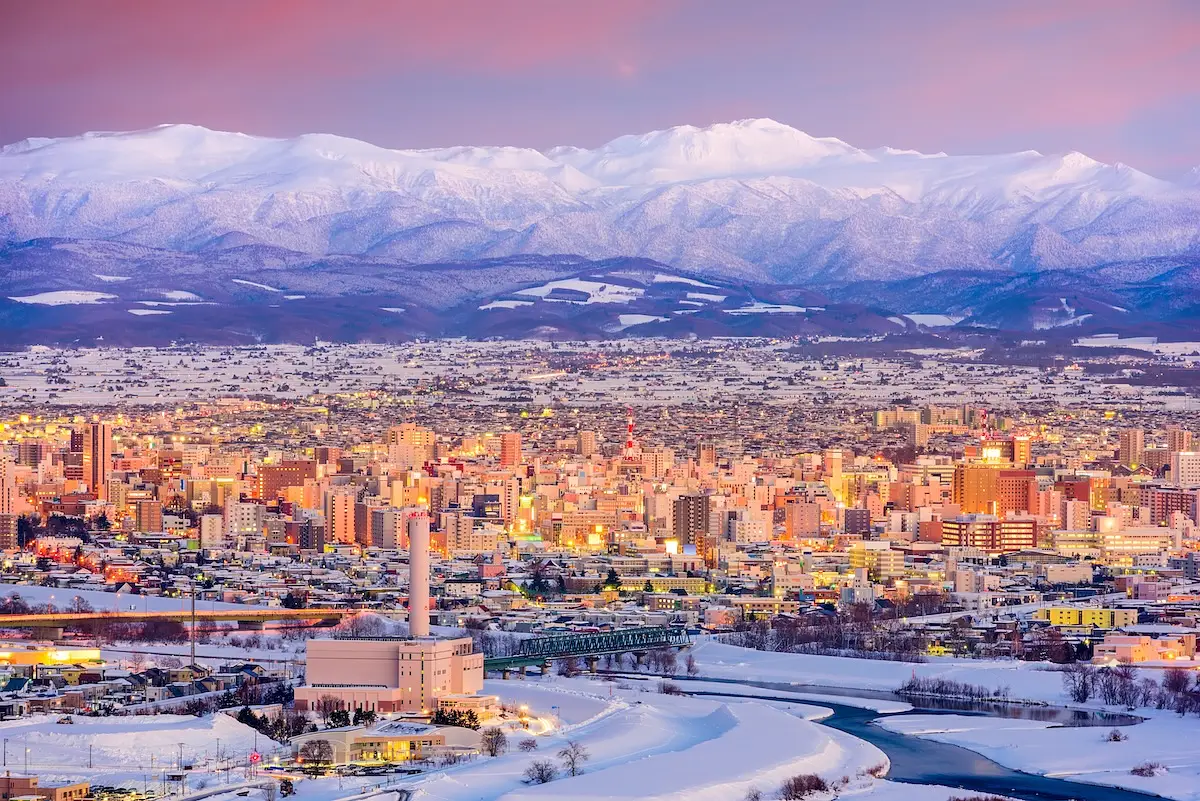
Giant snow art, zero subtlety
Venue: Ishikari River Riverside (near Asahibashi Bridge) + Heiwa-dori Shopping Park, Asahikawa, Hokkaido
When: February 6–11, 2027 (dates can change,check the official site before you go)
Asahikawa in February is not considered "cute winter weather." It's full-on winter in northern Japan, so bring your best coat. And that's precisely why the Asahikawa Winter Festival is so iconic: the city transforms all of the snow and cold into a week of massive sculptures, bright night views, family fun, and the kind of photogenic drama that makes your camera roll appear like a film trailer.
The Asahikawa Winter Festival, which lasts around a week in early February, is well-known for constructing some of Japan's largest snow sculptures, including a massive main snow stage that appears to be physically impossible. It's also less congested than Sapporo, so you get the wow factor without feeling like you're stuck in a living snow globe.
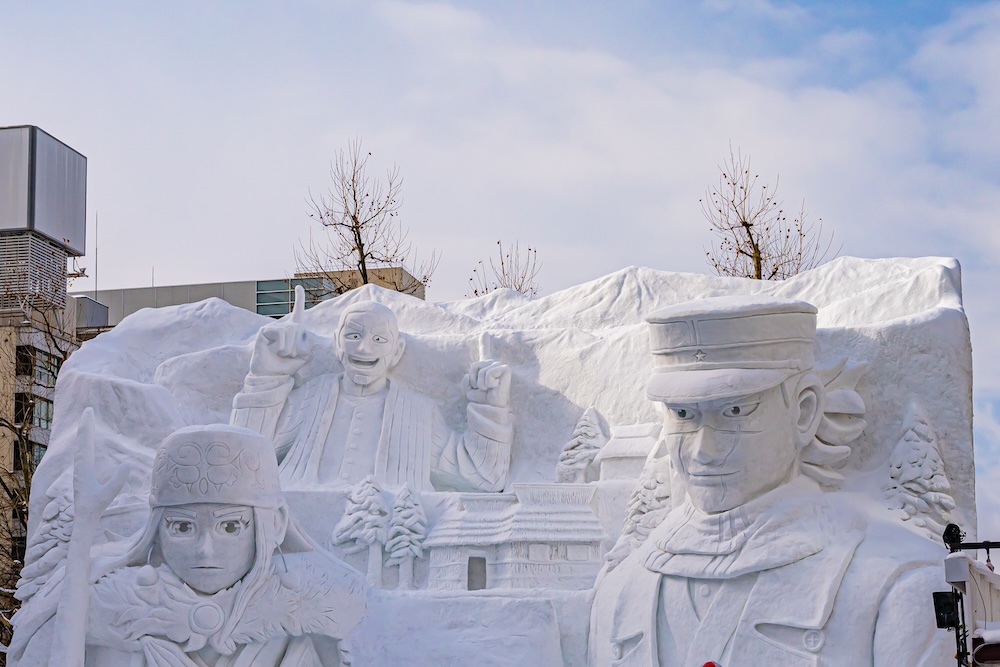
Asahikawa Winter Festival 2027: Key Details
The festival uses central Asahikawa’s deep winter conditions to create monumental snow art, illuminated ice sculptures and seasonal activities. The festival dates are confirmed for 2027, while the opening hours, venue details and complete program will be announced later.
Category |
Details |
|---|---|
Dates |
February 6–11, 2027 |
Opening Hours |
To be announced. The 2026 festival operated from 10:00 AM to 8:00 PM, but these hours have not yet been confirmed for 2027. |
Main Location |
Exact 2027 venue information is pending. Recent editions used the Ishikari River riverside below Asahibashi Bridge and Heiwa-dori Shopping Park. |
Admission |
To be confirmed. Recent editions have been free to enter, with some activities or food charged separately. |
Official Website |
|
Nearest Station |
JR Asahikawa Station |
Organizer |
Asahikawa Winter Festival Executive Committee |
2027 Status |
Dates confirmed; detailed program to be released gradually |
What to Expect at Asahikawa Winter Festival
The festival traditionally has two contrasting sides: enormous snow structures at the riverside site and detailed ice art along central Asahikawa’s pedestrian shopping street. Visitors should explore both areas rather than treating the main snow stage as the entire event.
A Monumental Main Snow Sculpture
The riverside site is known for a huge snow structure that also functions as a stage. Its theme and design change each year, and smaller community or character sculptures are normally displayed around it.
Ice Art at Heiwa-dori Shopping Park
Heiwa-dori Shopping Park usually hosts works from the Ice Sculpture World Competition alongside the winter festival. The transparent sculptures are very different from the large, solid snow structures at the riverside: they emphasize fine carving, texture and reflected light.
The shopping park begins near Asahikawa Station and extends north through the city center, making the ice displays easy to combine with restaurants and shops. The exact 2027 competition and display schedule is still pending.
Different Experiences by Day and Night
Daylight makes it easier to appreciate how the sculptures were constructed and to take clear photographs of their details. Evening visits provide a more atmospheric experience when illuminated displays are operating.
The next evening program has not yet been announced, so fireworks, performances and special lighting remain unconfirmed. Weather can also force last-minute changes: in 2026, a forecast blizzard led to altered fireworks plans and cancelled stage events. Check the official website on the day of your visit, even when you planned the trip months in advance.
Snow Activities for Families
Recent editions have included long snow slides, large snow mazes and interactive areas for children. In 2026, for example, a two-meter-high snow maze operated during the festival.
These activities are recurring attractions rather than confirmed fixtures. Families should wait for the new activity map before promising children a particular slide, maze or character experience. Age, height or weather restrictions may also apply.
Food, Rest Areas and Visitor Facilities
The festival’s Winter Marche has previously sold local dishes, regional specialties, hot food and festival-exclusive items. Recent venue facilities have also included heated rest areas, toilets, accessible toilets, a nursing space and diaper-changing facilities.
Exact vendors and facilities vary annually. The 2026 nursing and rest facilities operated during the festival’s 10:00 AM–8:00 PM hours, but visitors should use the current-year venue map once available.
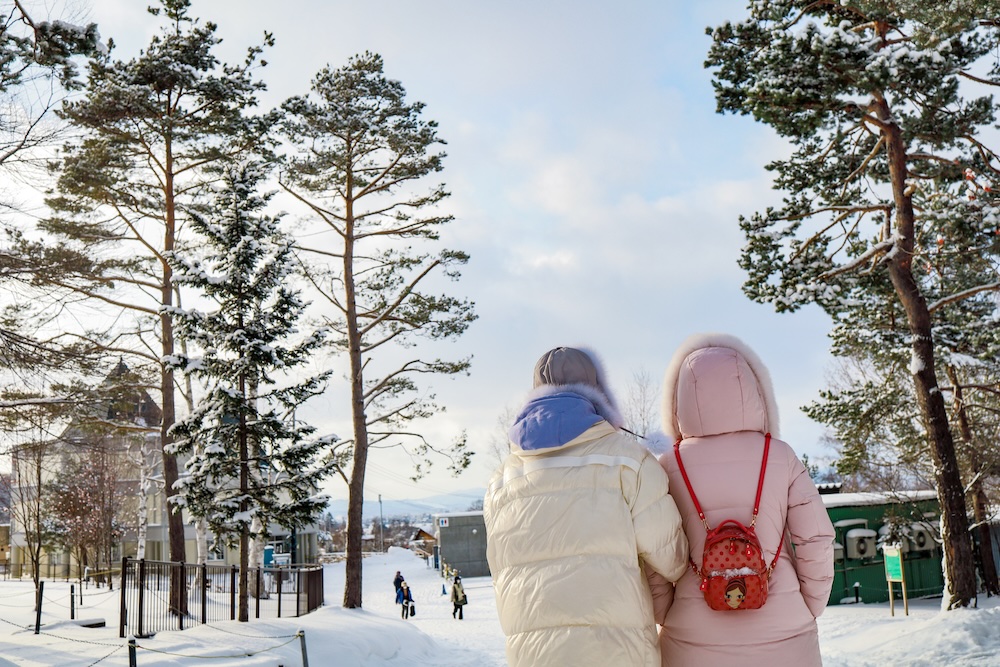
Who Is Asahikawa Winter Festival For?
-
Although the enormous snow stage is the headline attraction, the festival works for several types of travelers. Knowing what you want from the visit will help you decide whether to make a day trip or stay overnight.
First-time winter festival visitors: The combination of one monumental snow site and a central ice-sculpture route provides a broad introduction to Hokkaido winter events.
Photographers: Daylight, blue hour and evening illumination produce very different views, particularly around transparent ice carvings.
Families: Snow activities and open play areas have been major features of recent editions, although the 2027 family program is not yet confirmed.
Travelers without a car: Both traditional festival areas are in central Asahikawa, although winter walking conditions and the final 2027 transport plan must be considered.
Visitors combining Hokkaido festivals: Asahikawa can be paired with Sapporo, Otaru or Sounkyo, but weather delays make a tightly packed itinerary risky.
Travelers interested in local food: The festival can be combined with Asahikawa-style ramen and central-city restaurants rather than treated as a sculpture-only visit.
Pro Tips
A successful visit depends less on complicated sightseeing plans and more on preparing for cold, ice and possible transport disruption. Keep the schedule flexible enough to accommodate slower walking and weather-related changes.
Reserve your train seat: From March 14, 2026, all seats on JR Hokkaido limited express trains are reserved. Anyone travelling between Sapporo and Asahikawa on a Lilac or Kamui service needs a seat reservation.
Do not rely on an old shuttle timetable: The 2026 festival explicitly stated that no shuttle bus would operate. The 2027 transport arrangement has not yet been announced.
Allow more walking time than the map suggests: Snowbanks, slippery crossings and winter footwear make central Asahikawa slower to navigate.
Visit in daylight and after dark: When the 2027 hours are published, consider seeing the riverside sculpture before sunset and returning to the illuminated displays later.
Check the official news page that morning: Weather can change fireworks, stage events and outdoor activities at short notice.
Carry a power bank: Low temperatures reduce battery performance, especially when a phone is being used repeatedly for photography and navigation.
Keep an indoor backup: The Asahikawa City Museum, shops and restaurants provide alternatives when the weather becomes uncomfortable.
Avoid an overly tight onward connection: Leave a buffer before the last useful train back to Sapporo, particularly during snowfall.
JR Hokkaido provides current delay and cancellation information online, which is especially important during a winter day trip.
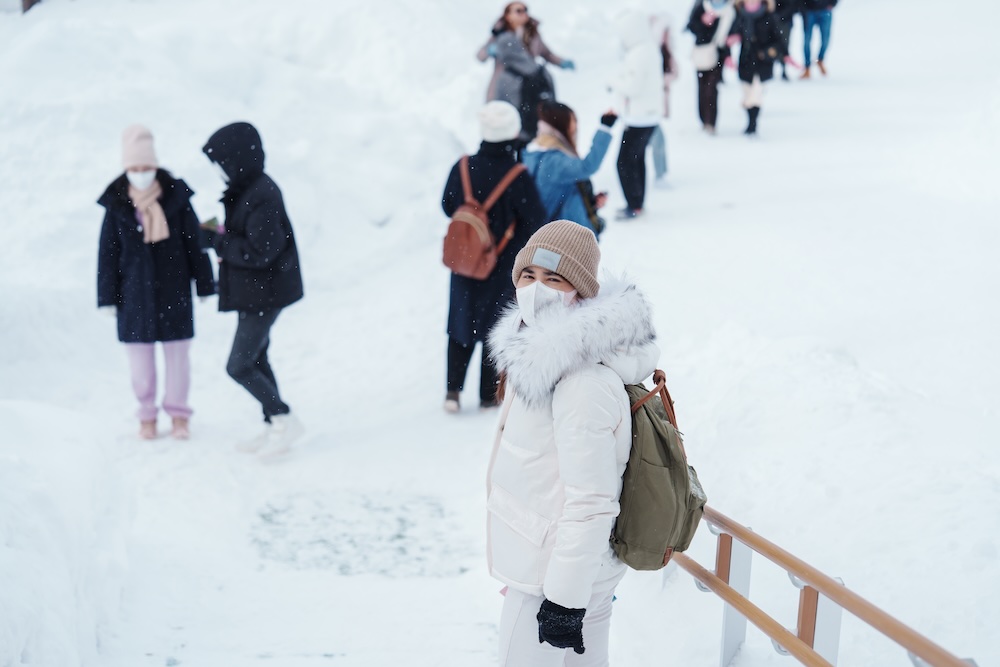
What to Wear at Asahikawa Winter Festival
Asahikawa is considerably colder than Tokyo, Osaka and many other places on a typical Japan itinerary. Its 1991–2020 average February temperature is approximately −6°C, and visitors may spend long periods standing outdoors rather than walking continuously.
Wear:
A moisture-managing thermal base layer
A fleece, wool sweater or insulated middle layer
A wind-resistant, insulated outer coat
Warm trousers or thermal leggings under trousers
Waterproof, insulated winter boots
Soles with strong winter traction or removable ice grips
Warm gloves that still allow basic phone use
A hat that covers the ears
A scarf or neck warmer
Warm socks, with a spare pair for children
Disposable hand warmers when useful
Ordinary fashion sneakers may become wet and provide too little grip on polished snow or ice. Thick socks do not compensate for slippery soles. Removable traction aids can help, but they should generally be removed before walking on smooth indoor floors.
Layering is preferable to one extremely heavy garment because trains, shops and restaurants are heated. Small children may also become cold sooner when sitting in a stroller or waiting for an activity.
How to Get to Asahikawa Winter Festival
Asahikawa is the transport center of northern Hokkaido, and the festival’s traditional venues are located within the central city. Train is generally the most practical option from Sapporo, but winter visitors should reserve seats and leave room for disruption.
From Sapporo
Take a JR Limited Express Lilac or Kamui from Sapporo Station to Asahikawa Station. The journey usually takes around 1 hour and 25 minutes, although the exact schedule varies.
All limited express seats are reserved, so obtain a seat reservation before boarding. Reservations can generally be made from one month before travel through the appropriate JR system or at a ticket office or reserved-seat machine.
From Asahikawa Station
Heiwa-dori Shopping Park begins close to the station and leads north through central Asahikawa. The riverside festival site is farther north, near Asahibashi Bridge.
Walking may be possible, but snow and ice can make the journey tiring. Once the access page is released, compare:
Walking from the station
Regular city buses
A taxi from Asahikawa Station
Any event-specific transport announced for this year
From Asahikawa Airport
Airport buses connect Asahikawa Airport with the central city and Asahikawa Station area. Check the timetable for your specific flight and allow extra time during snowfall.
Going directly from a flight to an evening festival visit creates some risk because winter weather may affect both air and road travel. Staying overnight is more comfortable when the festival is a major purpose of the trip.
Should You Buy a Rail Pass?
A nationwide Japan Rail Pass is not automatically good value for this trip. Compare it with regular fares and Hokkaido-specific passes.
The four-day Sapporo–Furano Area Pass includes Sapporo, Asahikawa, Biei, Furano, Otaru and New Chitose Airport. The broader Hokkaido Rail Pass may make more sense when the itinerary also includes distant destinations such as Abashiri, Wakkanai or Kushiro. Local city buses are not necessarily included.
If you’re planning multiple Hokkaido stops, this is where a JR Pass or Regional Pass starts looking very attractive.

Nearby Recommendations
The festival does not need to be the only reason to visit Asahikawa. Staying at least one night allows you to add an indoor museum, local food or the zoo without compressing everything into a weather-sensitive day trip.
Asahiyama Zoo
Asahiyama Zoo is Asahikawa’s most famous year-round attraction. Its winter season is known for seeing cold-climate animals in snowy conditions, and penguin walks may be held when weather, snow and animal conditions allow.
The zoo is not beside the festival. JR Hokkaido’s sample itinerary allows approximately 40 minutes each way by bus from Asahikawa Station, so it is better treated as a separate half-day activity. Check the official calendar rather than assuming the penguin walk will occur at a particular time.
Asahikawa City Museum
The Asahikawa City Museum is a useful indoor option for learning about the region’s natural history and Ainu history and culture. It is located across the Chubetsu River from Asahikawa Station.
The museum normally opens from 9:00 AM to 5:00 PM, with final admission at 4:30 PM, but winter closure days and 2027 admission prices should be checked before visiting.
Heiwa-dori Shopping Park
Do not rush through Heiwa-dori solely to reach the riverside. The approximately one-kilometer pedestrian street contains shops, cafés and restaurants and is traditionally the setting for the ice-sculpture displays.
It is also the most convenient place to warm up between outdoor viewing sessions. Individual business hours vary, particularly during public holidays.
Tokiwa Park
Tokiwa Park lies between the city-center shopping area and the Asahibashi riverside. Associated winter events have sometimes been held here, but their content changes annually.
Even without a separate program, the park helps connect the festival areas. Paths may be snowy or icy, so it should not be treated as a shortcut for visitors who have difficulty walking in winter conditions.
Asahikawa Ramen Village
Asahikawa Ramen Village brings several local ramen shops together in one complex. Asahikawa ramen is commonly associated with a soy-sauce-based broth and an insulating layer of oil that helps keep the soup hot.
The village is outside the central festival area, so it requires a separate bus, taxi or other transport plan. Travelers short on time can instead choose one of the long-established ramen restaurants closer to Asahikawa Station.
More About Asahikawa Winter Festival
The festival has become one of Hokkaido's defining winter events, attracting large audiences during its run; some tourism agencies report over one million people per season. However, what distinguishes it is not simply its size, but also the setting: the wide riverside space allows the city to erect snow sculptures on an almost architectural scale.
It's also an excellent counterweight to Sapporo: although Sapporo is the global headline, Asahikawa feels like you've discovered the "locals' wow festival" that still delivers.
Planning Your Visit
Book accommodation early if you’re traveling in February, Hokkaido winter festival season is peak.
Use JR Pass or regional pass to combine Asahikawa with Sapporo and beyond.
Stay connected with Pocket Wi-Fi (and add a SIM at checkout when available)
Get help on arrival with Meet & Greet services (especially nice if you’re juggling luggage + winter gear)
FAQs About Asahikawa Winter Festival
Q: When is the Asahikawa Winter Festival in 2027?
A: The 68th Asahikawa Winter Festival will run from February 6 to February 11, 2027. The organizer has confirmed the dates but has not yet released the complete schedule, hours or venue program.
Q: Is the Asahikawa Winter Festival free?
A: Recent editions have been free to enter, although food and some individual activities may cost extra. The organizer has not yet published the complete 2027 admission and activity information, so confirm this before travelling.
Q: Can I visit the festival as a day trip from Sapporo?
A: Yes. Direct Limited Express Lilac and Kamui trains normally connect Sapporo and Asahikawa in approximately 1 hour and 25 minutes. A day trip works best when you reserve both train journeys and focus on the central festival sites rather than adding Asahiyama Zoo.
Q: Do I need to reserve the train from Sapporo to Asahikawa?
A: Yes. All seats on JR Hokkaido limited express trains are reserved, including Lilac and Kamui services. Rail-pass users must also obtain a reserved-seat ticket before boarding.
Q: How long should I spend at the festival?
A: Allow approximately three to four hours to see the riverside area, walk through the central ice displays and stop for food. Allow longer when attending a scheduled performance, using snow activities or returning after dark.
Q: Is the festival better during the day or at night?
A: Daytime is better for seeing sculpture details and navigating slippery paths. Evening is more atmospheric when illuminations are operating. The strongest plan is to arrive in the afternoon and stay after sunset, once the 2027 hours and lighting schedule are confirmed.
Q: Is there a shuttle from Asahikawa Station?
A: Do not assume there will be one. The 2026 festival specifically operated without a shuttle and directed visitors to regular buses, taxis or other public transport. The 2027 access plan has not yet been announced.
Q: Is the Asahikawa Winter Festival suitable for children?
A: Yes, recent festivals have included snow mazes, slides, food areas, heated rest spaces, toilets, nursing facilities and diaper-changing areas. However, the 2027 activity list is not yet confirmed, and strollers can be difficult to push through deep or uneven snow.
Q: What shoes should I wear?
A: Wear waterproof, insulated winter boots with strong grip. Removable ice grips can be useful on packed snow and polished ice. Ordinary sneakers are likely to be colder, wetter and more slippery than proper winter footwear.
Q: Can I combine the Asahikawa and Sapporo winter festivals?
A: Usually, yes, because the events often take place during the same general period. Stay in each city or leave a weather buffer rather than scheduling every transfer tightly. Confirm the official 2027 dates for both festivals before booking non-refundable transport and accommodation.