Manga Cafe Japan
Your guilty pleasure with Wi-Fi and snacks
Picture this: Tokyo at nighttime. Neon lights, soft rain, and you, sneaking into a manga café because you need a break from the world. You're not alone. Japan perfected the concept of comfy escapism, which included comic books, limitless cola, and 24-hour air conditioning. Welcome to the Japanese manga café, or manga kissa, as it is known locally.
It's a combination of a library, an internet café, and a secret hideaway where you may read your favorite manga, play online games, shower, snooze, or even spend the night if your train home fails to arrive. Manga cafés are Tokyo's not-so-secret addiction, serving as both entertainment and rehabilitation.
Whether you're a solo adventurer, a curious visitor, or a sleep-deprived lover who missed the final train (we've all been there), this is Japan's coziest open secret.

Key Details |
|
Type |
Internet café / reading lounge / overnight hideaway |
Location |
Nationwide (Tokyo, Osaka, Kyoto, everywhere urban life exists) |
Address |
Varies by chain; common ones include Manboo!, GeraGera, Gran Cyber Café Bagus, and Comic Buster |
Opening Hours |
24 hours, seven days a week |
Admission/Ticket |
Typically ¥300–¥600 per 30 minutes; long-stay and overnight packages available (around ¥2,000–¥3,000 for 6–8 hours) |
Official Website |
Each chain has its own site, search your location + “manga kissa” |
Nearest Station |
Usually near major train hubs (Shinjuku, Akihabara, Shibuya, Osaka Namba) |
Languages/Signage |
Mostly Japanese; many locations offer English menus or picture guides. Staff usually know basic English. |
Best For |
Solo travelers, night owls, anime fans, backpackers, and anyone with a spontaneous streak |

Consider it Japan's caffeine-infused version of self-care.
After selecting a booth and checking in at the counter, you will enter your own private realm.
What to expect:
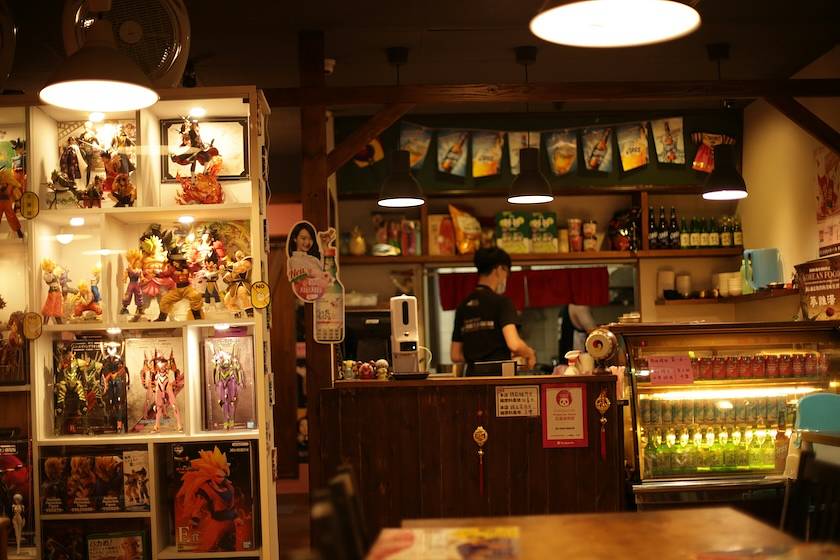
Private cubicles: Choose from open seats, reclining chairs, or cozy tatami rooms.
Endless manga shelves: Thousands of volumes, from Demon Slayer to One Piece and every dramatic love triangle in between.
Free Wi-Fi and PCs: Stream, scroll, or game, no judgment.
All-you-can-drink bars: Soft drinks, coffee, sometimes ice cream (hydration = optional).
Showers & toiletries: Because sometimes one chapter turns into a sleepover.
Blankets, slippers, charging ports, and vending machines: Basically, your new apartment.
The vibe? Dim lighting, quiet hums, and the faint rustle of manga pages turning. Intimate without being invasive, like Tokyo itself.
Let’s be honest: everyone.
Backpackers who’d rather spend money on sushi than a hotel.
Office workers who missed the last train (aka Japan’s most relatable demographic).
Anime and manga lovers who want to dive into their fandom surrounded by thousands of volumes.
Digital nomads who can’t resist Wi-Fi, caffeine, and a good swivel chair.
Curious tourists who just want to know what goes on in there.
It’s budget travel meets local culture, like sleeping inside a Netflix library, minus the judgment

Go late: Night rates are cheaper and the mood is better, trust me.
Bring socks: Shoes off inside booths, and nobody wants cold feet while binge-reading.
Stay charged: Bring your own charger; power outlets are available, but competition is fierce.
Overnight stay: Book the “night pack” (usually 6–8 hours) if you’re planning to crash.
Use your Pocket Wi-Fi: Public networks work, but yours is faster (and safer).
Etiquette: Keep your voice low, your phone on silent, and your energy mysterious.

Comfort is paramount. Put on a hoodie, leggings, or casual streetwear to go full "Tokyo lounge mode." Imagine yourself in Shibuya after a hard night, sipping a matcha latte and seeking solace and introspection.
You won’t have to search hard, they’re usually glowing near every major station.
By Train: Get off at large hubs like Shinjuku, Shibuya, or Akihabara. Walk two minutes and look for neon signs that scream “24H.”
By Foot: You’ll spot them by the manga posters in the window and the occasional exhausted salaryman emerging at 7 AM.
By Taxi: Just say “manga kissa” and your driver will know exactly where to take you.
Because after six hours in a private booth, you’ll want to stretch those fabulous legs.
Food & Drinks: Head to a ramen bar or 24-hour sushi spot, Tokyo doesn’t sleep, and neither should your appetite.
Attractions: Combine your manga café stop with Akihabara’s arcades, Ikebukuro’s anime shops, or Shibuya Crossing for a culture overload.
Shopping: Pick up manga merchandise, figurines, or limited-edition volumes nearby. Your suitcase will forgive you (eventually).
In Japan, the first manga café appeared in the late 1970s. By the early 2000s, they had developed into hybrid internet cafés known as manga kissa, where "kissa" means "café." What began as a reading room evolved into Japan's unofficial backup plan for cheap lodging, missing trains, and night out. Locals adore them for peaceful solitude, while tourists adore them for reasonably priced adventure. They are the most underappreciated cultural experience in the nation; they combine curiosity, comfort, and caffeine in equal measure.
Stay: If you want an actual bed afterward, find nearby hotels in Shinjuku, Akihabara, or Ueno.
Transport: If you’re exploring multiple cities, the JR Pass makes train travel easy. For local trips around Tokyo, use prepaid IC cards (Suica or Pasmo).
Connectivity: A Pocket Wi-Fi or SIM card keeps your Google Maps and translation apps running, bundle it with your JR Pass for convenience.
Meet & Greet: Nervous about Tokyo’s labyrinth of stations? Book a friendly airport greeter to help you start strong.
Japan basics: Cash still reigns; most cafés accept both yen and IC cards. Respect quiet zones, and remember, no phone calls in shared areas.
Q. How much does a manga café cost in Japan?
Around ¥300–¥600 per 30 minutes, or ¥2,000–¥3,000 for an overnight stay.
Q. Can you sleep in a manga café?
Yes, and many people do. Reclining chairs, flat booths, and blankets make it surprisingly comfortable.
Q. What’s the difference between a manga café and an internet café?
In Japan, they’re basically the same thing (manga kissa = internet café + manga library + private chill zone).
Why should I book with JapanDen?
How do I book a hotel or ryokan through JapanDen?
What types of accommodations do you offer in Japan?
How can JapanDen help with planning my trip?
As well as booking accommodation, JapanDen is a place to learn more about Japan and how you can make the most of your time in this special country. From in-depth region guides to stories from Japan, we’ll be regularly publishing carefully curated insights from Japanese culture, with recommendations for the best activities and attractions and the latest news. Looking forward, we’ll also be adding special community features so you can share ideas and inspiration with like-minded people. Please come back and visit us regularly as we continue to add new content. We want JapanDen to be your home away from home too.
Do you offer guided tours in Japan, and how can I book one?
As part of the JRPass.com group, we offer a dedicated Meet and Greet service with expert personal assistance on your arrival in Japan booked via JRPass.com, alongside nationwide and regional rail passes for travel. As JapanDen grows, we will be offering more services and activities to provide a complete Japan travel experience.
Can I purchase Japan Rail Passes through your website?
JapanDen is part of the JRPass.com group, book your passes and tickets directly on JRPass.com