Japanese Summer Food: What to Eat in Japan in July and August

Eat like a local this summer
Japanese summer food is built around one goal: surviving the heat. July and August bring intense humidity and temperatures above 35°C, and locals respond with dishes that are cold, light, and mineral-restoring. This guide covers what to eat in Japan in summer, from chilled noodles to grilled eel, festival snacks, and seasonal drinks. It suits first-timers, families, and food-focused travellers planning a summer trip.
A little preparation can help you discover more of Japan's seasonal food culture.
Category |
Details |
Topic type |
Cultural/culinary experience |
Best moment to think about this |
Once you arrive, and again before booking summer restaurant tables |
Ideal for |
First-timers, food lovers, families, solo travellers |
Risk if you ignore it |
You may miss seasonal-only dishes or arrive at a packed unagi restaurant unbooked |
Japanese summer food is a set of seasonal dishes designed to cool the body and fight natsubate. Japan's summer even has its own word for the resulting exhaustion: natsubate, a general state of lethargy, tiredness, and even mild depression brought on by the heat.
Unlike home menus that stay fairly constant year-round, Japan swaps hot ramen for chilled noodles and sets aside a whole calendar day for eel. It shows up everywhere: convenience stores, festival stalls, ramen shops, and train station bento counters.
Travellers will notice the menu shift the moment they step off the plane in summer.
Convenience stores stock mugicha and pre-sliced watermelon instead of hot drinks.
Ramen shops swap in hiyashi chuka for a few months, then drop it entirely once autumn nears.
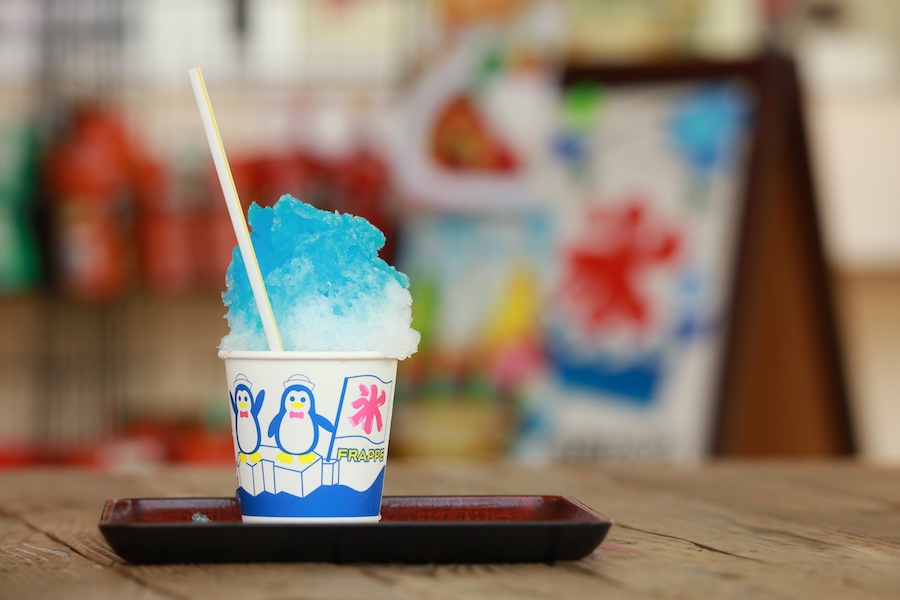
Kakigori shops like Himitsudo in Yanaka draw long queues, so arriving early avoids a wait.
Unagi restaurants fill up fast around Doyo no Ushi no Hi, so walk-ins may be turned away.
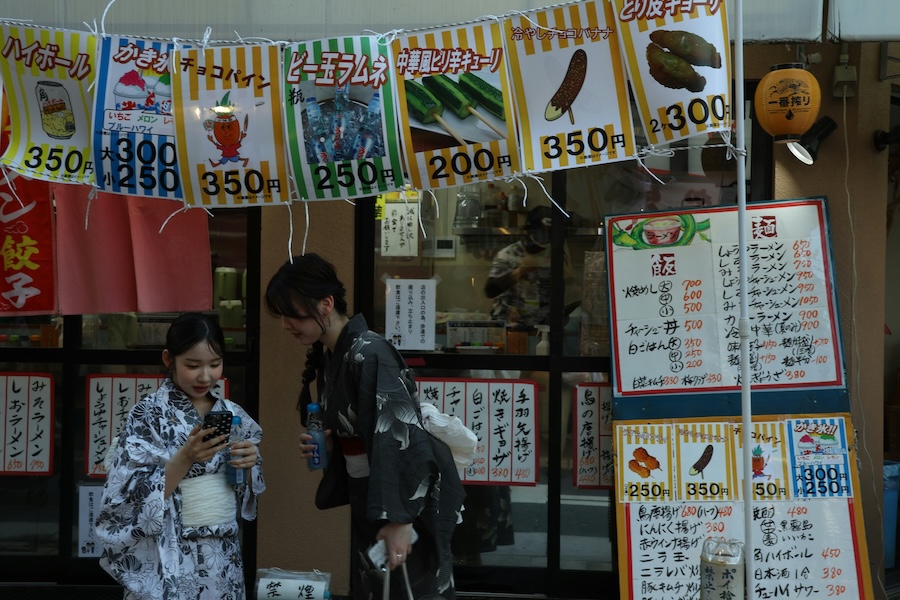
Evening matsuri fill with yatai stalls selling yakisoba and takoyaki, best enjoyed on foot.
This advice helps most travellers visiting Japan between June and August.
Especially helpful for first-time visitors, families with kids, and anyone building a food-focused itinerary.
Consider it more carefully if you have dietary restrictions, since sauces often contain sesame, egg, or seafood.
Repeat visitors staying in one city still benefit, but with less urgency than first-timers moving between regions.
Where and when you travel changes which summer dishes are easiest to find.
Tokyo and Kyoto have the best-known kakigori specialists, while Osaka excels at street-style takoyaki. Smaller towns often serve regional noodle variations, reachable using a JR Pass or Regional Pass. Rural areas may have less English signage on menus, so photos or apps help.
Early summer favors cold noodles and mugicha, while late July into August centers on unagi and festival food. Slow, single-city trips allow time to queue for kakigori, while multi-city rail trips suit grab-and-go options like ekiben.
Preparing ahead means booking key meals and knowing which dishes are seasonal-only.
Book an unagi restaurant table in advance if visiting near July 26, 2026. Check whether your accommodation is near a summer matsuri, since staff can point you to nearby events.
Learn a few basic food phrases or use a translation app.
Bring cash, since small yatai stalls rarely accept cards.
Save the dates of local matsuri and hanabi festivals nearby.
A few simple habits prevent most summer food mistakes in Japan.
Do try hiyashi chuka before it disappears from menus after August.
Do queue early for popular kakigori shops in peak heat.
Do carry small cash for festival stalls and street vendors.
Do check depachika food halls for seasonal sweets in one stop.
Don't expect hiyashi chuka or unagi specials outside their short season.
Don't assume every festival stall or small shop accepts cards.
Don't skip booking if visiting an unagi restaurant near Doyo no Ushi no Hi.
If a dish is unavailable, apologize briefly, smile, and ask staff for a seasonal alternative. Convenience store staff and hotel concierges can usually point you toward the nearest option.
Different travellers can build summer food into their itinerary in different ways.
A couple on a 10-day city trip might book one unagi dinner and queue for kakigori between sightseeing stops.
A family visiting multiple cities can rely on depachika food halls and ekiben bento boxes for easy, seasonal meals on Shinkansen journeys.
A solo or budget traveller can lean on Japanese street food and hanabi festival stalls for cheap, flavorful meals.
On arrival, Meet & Greet gets you smoothly out of the airport and on your way, and Pocket Wi-Fi keeps you connected for finding food stops once you're moving. For a festival-district base, browse hotels on JapanDen.

Q: What is the most iconic Japanese summer food?
A: Kakigori and cold noodles are most eaten daily; unagi remains the season's single most significant tradition.
Q: What is natsubate, and how does food help?
A: Natsubate is summer fatigue; cold noodles, unagi, and mugicha restore energy, hydration, and lost minerals.
Q: When is Doyo no Ushi no Hi in 2026?
A: It falls on July 26, 2026; book unagi restaurants ahead of time since they get very busy.
Q: What food is sold at Japanese summer festivals?
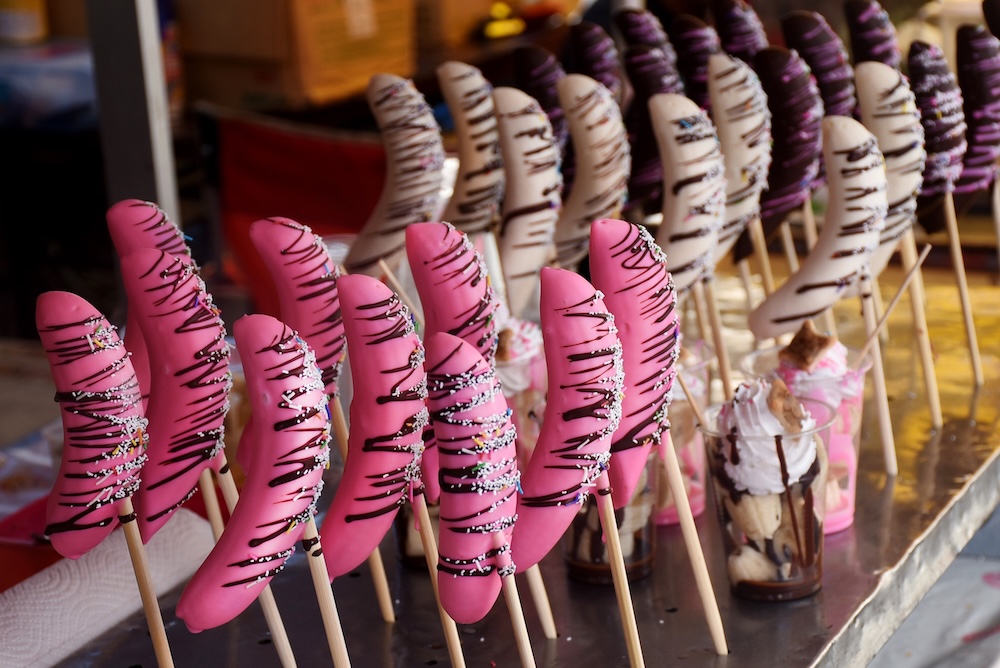
A: Yatai stalls sell yakisoba, takoyaki, kyuri ikka, ringo-ame, chocolate banana, and ramune, priced roughly ¥300–¥700.
Q: Is kakigori the same as a snow cone?
A: No, kakigori uses finely shaved, powdery ice that absorbs syrup far more evenly than crushed ice.
Q: What is hiyashi chuka?
A: It's chilled ramen with cucumber, egg, and meat in sesame or vinegar dressing, available June through August.
Q: Where can I find summer food beyond restaurants?
A: Depachika food halls and convenience stores stock seasonal sweets, noodles, mugicha, and watermelon throughout summer.
Q: What is the most popular summer drink in Japan?
A: Mugicha, cold roasted barley tea, is stocked everywhere and remains the standard household summer drink.
Q: Is somen different from ramen?
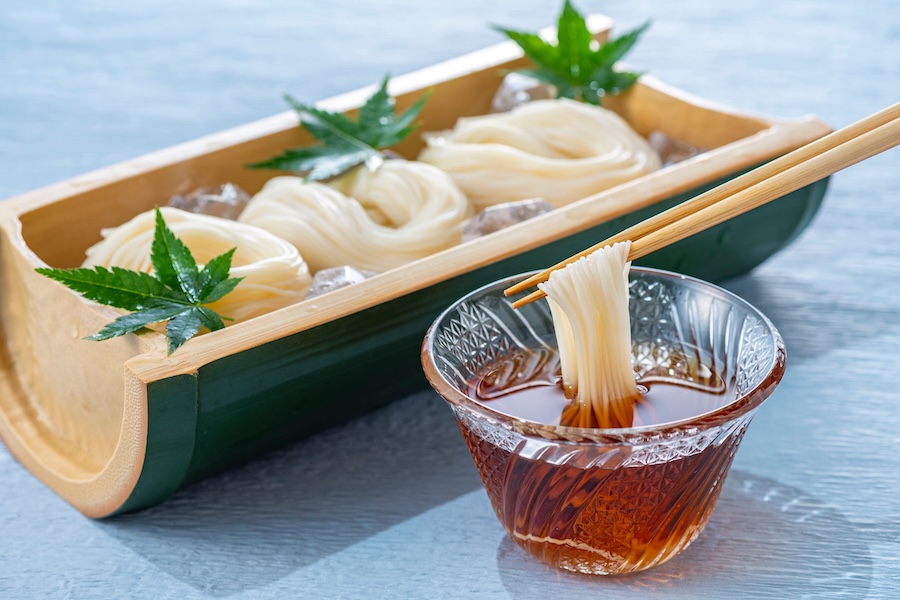
A: Yes, somen are thin noodles served cold with light broth; ramen is thicker and served hot.
Q: Can I eat festival foods outside of matsuri?
A: Yakisoba and takoyaki are available year-round, but the full yatai stall experience only happens at matsuri.
Why should I book with JapanDen?
How do I book a hotel or ryokan through JapanDen?
What types of accommodations do you offer in Japan?
How can JapanDen help with planning my trip?
As well as booking accommodation, JapanDen is a place to learn more about Japan and how you can make the most of your time in this special country. From in-depth region guides to stories from Japan, we’ll be regularly publishing carefully curated insights from Japanese culture, with recommendations for the best activities and attractions and the latest news. Looking forward, we’ll also be adding special community features so you can share ideas and inspiration with like-minded people. Please come back and visit us regularly as we continue to add new content. We want JapanDen to be your home away from home too.
Do you offer guided tours in Japan, and how can I book one?
As part of the JRPass.com group, we offer a dedicated Meet and Greet service with expert personal assistance on your arrival in Japan booked via JRPass.com, alongside nationwide and regional rail passes for travel. As JapanDen grows, we will be offering more services and activities to provide a complete Japan travel experience.
Can I purchase Japan Rail Passes through your website?
JapanDen is part of the JRPass.com group, book your passes and tickets directly on JRPass.com