Japan Wellness Travel Destinations
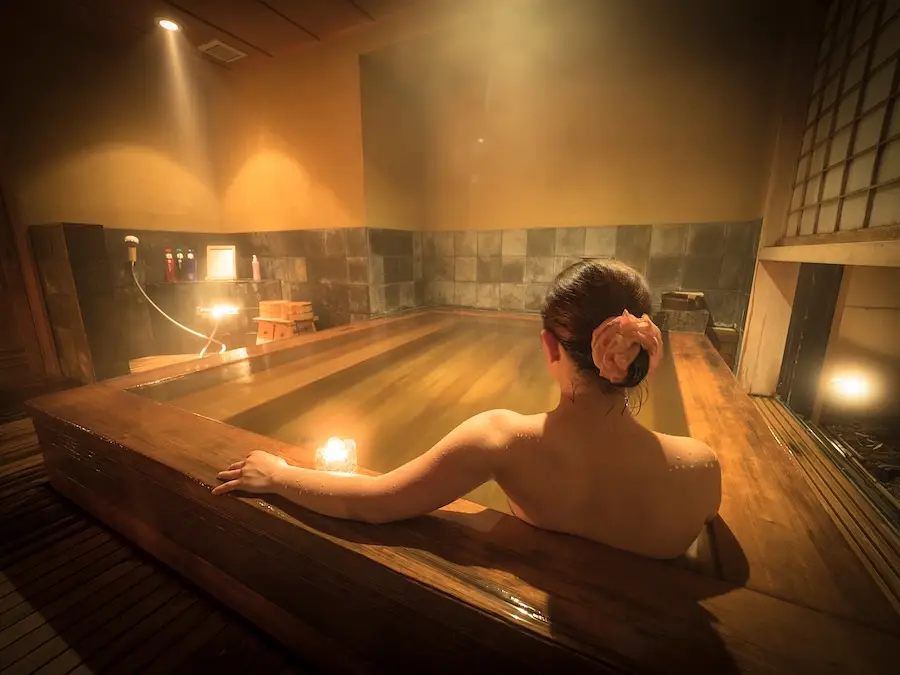
Wellness travel in Japan is centered on slowing down. Instead of full-day sightseeing schedules, the focus shifts to hot spring bathing, seasonal meals, fresh air, nature, and steady routines. The structure of the trip encourages better sleep, lighter movement, and fewer decisions.
While wellness can take many forms, onsen towns sit at the heart of the Japanese approach. They naturally combine several elements that travelers often seek when trying to recharge: mineral-rich bathing, traditional hospitality, restorative landscapes, local cuisine, and a pace of life that feels noticeably slower than Japan's major cities.
If you're planning a restorative getaway, whether after burnout or simply to travel more intentionally, these Japan wellness travel destinations make it easy to build an itinerary around rest while still experiencing regional culture.
Japan has no shortage of incredible onsen destinations, and narrowing the list down to just ten wasn't easy. These are some of the country's most rewarding hot spring retreats, chosen for their scenery, atmosphere, bathing culture, accessibility, and overall experience. From famous classics like Hakone and Kusatsu to quieter escapes such as Ginzan and Ibusuki, each offers its own take on slowing down, switching off, and soaking in one of Japan's most beloved traditions. Think of this as a starting point rather than a definitive ranking. There are many more wonderful onsen towns waiting to be discovered across Japan.
Hakone pairs mountain air with mineral hot springs for an easy reset from city life. Open-air baths, forest walks and seasonal kaiseki create a restorative short break.
Best season: Autumn and winter
Stay: 1–2 nights
Access: Hakone sits about 90 minutes from Tokyo by rail, and travellers can review Hakone rail routes and regional pass options before departure.
Lake Kawaguchi offers calm water and clear Mount Fuji views for slower mornings. Ryokan baths facing the mountain, lakeside walks and seasonal local cuisine create a quiet retreat.
Best season: Winter for visibility; spring for mild weather
Stay: 2 nights
Access: The lake area is around two hours from Tokyo by train and bus, with straightforward regional connections.
Kusatsu centres on powerful mineral springs and a strong communal bathing culture. Public bath circuits and steaming Yubatake views define this compact alpine town.
Best season: Winter
Stay: 1–2 nights
Access: Kusatsu is reached in about 3–4 hours from Tokyo via rail and connecting bus through the mountains.
Kinosaki encourages a simple rhythm of soaking and strolling in yukata. Seven bathhouses and seasonal regional cuisine create an unhurried evening ritual.
Best season: Autumn and winter
Stay: 1–2 nights
Access: Direct trains run from Kyoto and Osaka, and travellers can arrange Kyoto or Osaka to Kinosaki train planning in advance.
Beppu features diverse geothermal bathing across the city. Steam, mud and sand baths combine with coastal ryokan stays for a slower pace.
Best season: Year-round
Stay: 2 nights
Access: Beppu connects by rail from Fukuoka as part of a broader Kyushu itinerary.
Ibusuki is known for volcanic sand bathing beside the sea. Sand immersion followed by hot spring soaking supports a relaxed coastal stay.
Best season: Spring and autumn
Stay: 1–2 nights
Access: Ibusuki lies about one hour by train from Kagoshima.
These alpine towns combine crisp mountain air with compact bathhouse streets. Public bath circuits, temple visits and forest walks shape a balanced mountain retreat.
Best season: Winter or autumn
Stay: 2 nights
Access: Travellers take the bullet train from Tokyo to Nagano, then connect by local rail into the onsen towns.
Ginzan offers a lantern-lit riverside setting ideal for a digital detox. Wooden ryokan and evening baths create a calm overnight pause.
Best season: Winter snowfall
Stay: 1 night
Access: Ginzan is reached by rail from Sendai, and travellers can compare traditional ryokan in key onsen towns when planning their stay.
Yufuin combines hot springs, mountain scenery, and a relaxed village atmosphere that feels worlds away from Japan's larger cities. Boutique ryokan, local cafés, art museums, and views of Mount Yufu make it one of Kyushu's most beloved onsen destinations.
Best season: Autumn and spring
Stay: 1–2 nights
Access: Yufuin is around two hours from Fukuoka by train and can be easily combined with Beppu as part of a wider Kyushu itinerary.
Nyuto Onsen is one of Japan's most atmospheric hot spring areas, known for its secluded mountain setting and traditional outdoor baths surrounded by forest. Several historic ryokan are scattered throughout the area, creating a quiet retreat that feels far removed from modern life.
Best season: Winter for snow-covered baths; autumn for foliage
Stay: 1–2 nights
Access: Travellers typically take the bullet train from Tokyo to Tazawako Station, then connect by local bus into the Nyuto Onsen area.
An onsen retreat typically includes dinner and breakfast as part of the stay. Meals are seasonal and multi-course, encouraging guests to slow down and treat dining as part of the restorative experience.
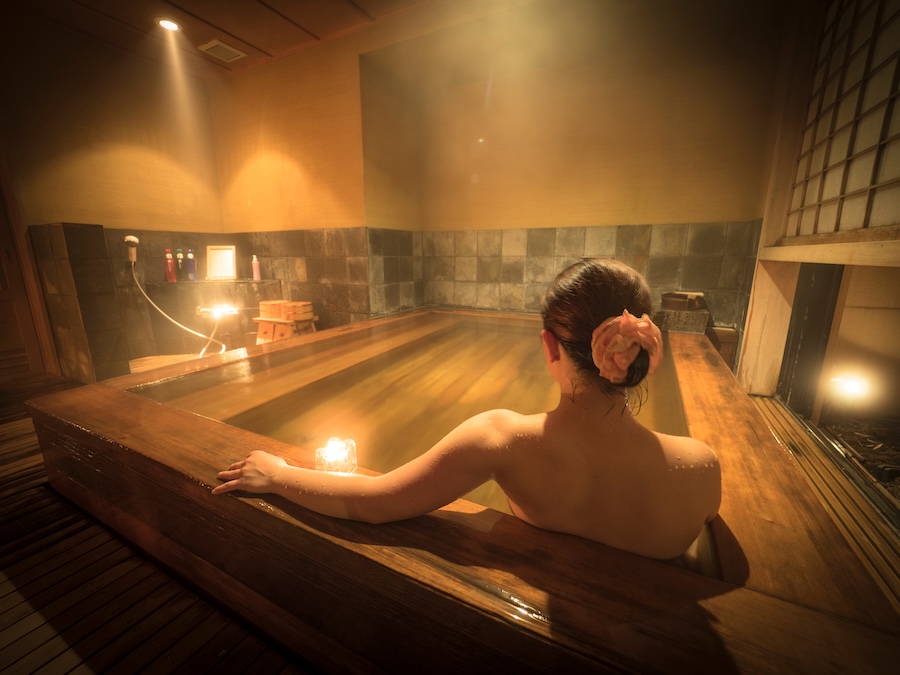
Bathing areas are usually separated by gender and may include indoor and outdoor pools. Guests wash thoroughly before entering the bath and keep towels out of the water. Some ryokan offer reservable private baths. Booking early is recommended during peak foliage and winter periods.
One of the biggest mistakes people make when planning an onsen trip is trying to fit too much into it. Hot spring travel works best when you slow down, leave room for rest, and build your itinerary around relaxation rather than sightseeing. Whether you're looking for a quick reset from Tokyo or a longer wellness-focused journey through Japan, these sample itineraries show how to make hot springs the centrepiece of your trip rather than just another stop along the way.
Perfect for first-time visitors who want a genuine hot spring experience without committing to a longer trip.
Leave Tokyo in the morning and arrive in Hakone before lunch.
Check into a ryokan early if possible.
Spend the afternoon exploring at a relaxed pace: lakeside views, forest walks, or simply enjoying the property.
Enjoy your first onsen before dinner.
Traditional kaiseki dinner and an early night.
Start with a quiet morning bath before breakfast.
Visit a local attraction such as Lake Ashi, Hakone Shrine, or the Open-Air Museum.
Return to the ryokan in the afternoon.
Alternate between baths, reading, tea, and rest.
Finish with another leisurely dinner and evening soak.
Wake up early for one final bath.
Enjoy breakfast with mountain views.
Return to Tokyo after lunch feeling considerably more human than when you arrived.
Why it works: Minimal travel, maximum relaxation, and enough time to enjoy the onsen rather than simply photographing it.
Ideal for travelers who want to combine cities, nature, hot springs, and slower experiences without rushing.
Recover from your flight.
Focus on lighter sightseeing.
Explore gardens, cafés, and quieter neighborhoods rather than trying to "do Tokyo" in two days.
Move into a ryokan.
Enjoy hot springs, local cuisine, and views of Mount Fuji.
Prioritize rest over sightseeing.
Shift from physical relaxation to cultural immersion.
Visit temples early in the morning before crowds arrive.
Enjoy traditional cafés, gardens, and slower evenings.
Consider staying in a traditional machiya or ryokan.
Finish your trip with Japan's classic onsen-town experience.
Stay in yukata.
Walk between the seven public bathhouses.
Enjoy seasonal regional cuisine and quiet evenings by the canal.
Why it works: The trip naturally progresses from arrival recovery, to deep relaxation, to cultural exploration, and finally to a dedicated hot spring retreat before heading home.
Budget planning: Ryokan pricing varies depending on meals and bath access. Many travelers choose one higher-end stay for a full retreat atmosphere.
Packing strategy: Bring light layers, easy-to-remove shoes, and a small bag for bath essentials.
Hydration awareness: Drink water regularly, as hot spring bathing can be dehydrating.
Connectivity support: To reduce stress in rural areas, you may want to reserve pocket Wi-Fi for rural onsen areas before departure.
Arrival logistics: If you prefer extra assistance on arrival, you can arrange airport Meet and Greet support for a smooth arrival.
Q: What makes Japan unique for wellness travel?
A: Japan integrates bathing culture, seasonal cuisine, and time in nature into daily life. Wellness is embedded in tradition rather than confined to structured resorts.
Q: Do I need to visit an onsen to have a wellness-focused trip in Japan?
A: No. While onsen are a major part of Japanese wellness culture, many travelers also focus on forest walks, traditional gardens, local cuisine, meditation, ryokan stays, and slower-paced destinations away from the major cities.
Q: How many days do I need for a wellness trip in Japan?
A: Even a one-night onsen stay can feel restorative, but most travelers find that three to five days allows enough time to slow down and fully enjoy the experience.
Q: Which wellness destination is best for first-time visitors?
A: Hakone is often the easiest choice thanks to its proximity to Tokyo, excellent transport links, variety of accommodations, and strong onsen culture. Kinosaki Onsen and Lake Kawaguchi are also excellent options for first-time visitors.
Q: What is the best season for a wellness retreat in Japan?
A: Autumn and winter are particularly popular because cooler temperatures make hot spring bathing even more enjoyable. However, wellness travel can be rewarding throughout the year depending on the experience you're looking for.
Q: Are onsen open to foreign visitors?
A: Yes. Most onsen welcome international travelers, and many popular destinations provide English signage, etiquette guides, and multilingual support.
Q: Can travelers with tattoos visit onsen?
A: Policies vary by facility. Some onsen welcome tattooed guests, while others require tattoos to be covered or restrict entry. Always check the policy before booking.
Q: Can couples use an onsen together in Japan?
A: Usually not in public baths. Most onsen separate bathing areas by gender, so couples typically bathe separately before meeting again afterward. If you'd like to enjoy the experience together, look for a private onsen (kashikiri onsen), a family bath, or a ryokan room with its own private hot spring bath.
Q: Are mixed-gender onsen common in Japan?
A: No. Most onsen have separate bathing areas for men and women. Mixed-gender baths (konyoku) still exist, but they are relatively uncommon and are usually found in certain rural or historic hot spring areas.
Q: Do I have to stay in a ryokan to enjoy an onsen?
A: No. Many onsen towns have public bathhouses and day-use hot spring facilities that can be enjoyed without staying overnight. However, staying in a ryokan often provides the most complete experience.
Q: Is wellness travel in Japan expensive?
A: Not necessarily. Luxury ryokan can be expensive, but there are also affordable guesthouses, public bathhouses, day-use onsen, and smaller regional destinations that offer excellent value.
Q: Can I do a wellness trip without renting a car?
A: Absolutely. Many of Japan's best wellness destinations, including Hakone, Kinosaki Onsen, Kusatsu, Beppu, Yufuin, and Takayama, are accessible by train and local bus.
Q: What should I pack for a wellness-focused trip?
A: Comfortable clothing, walking shoes, weather-appropriate layers, a reusable water bottle, and a small day bag are usually all you need. Most ryokan provide towels, toiletries, and yukata robes.
Q: Is an onsen trip worth it if I only have one week in Japan?
A: Yes. Many travelers consider their onsen stay to be one of the highlights of their trip. Even one night provides a welcome contrast to the pace of Tokyo, Kyoto, or Osaka.
Q: What is the difference between an onsen town and a regular Japanese town?
A: Onsen towns are built around natural hot springs and typically feature bathhouses, ryokan, local food specialties, and a slower pace of life. Many are designed specifically around relaxation and extended stays.
Why should I book with JapanDen?
How do I book a hotel or ryokan through JapanDen?
What types of accommodations do you offer in Japan?
How can JapanDen help with planning my trip?
As well as booking accommodation, JapanDen is a place to learn more about Japan and how you can make the most of your time in this special country. From in-depth region guides to stories from Japan, we’ll be regularly publishing carefully curated insights from Japanese culture, with recommendations for the best activities and attractions and the latest news. Looking forward, we’ll also be adding special community features so you can share ideas and inspiration with like-minded people. Please come back and visit us regularly as we continue to add new content. We want JapanDen to be your home away from home too.
Do you offer guided tours in Japan, and how can I book one?
As part of the JRPass.com group, we offer a dedicated Meet and Greet service with expert personal assistance on your arrival in Japan booked via JRPass.com, alongside nationwide and regional rail passes for travel. As JapanDen grows, we will be offering more services and activities to provide a complete Japan travel experience.
Can I purchase Japan Rail Passes through your website?
JapanDen is part of the JRPass.com group, book your passes and tickets directly on JRPass.com
.jpg)