Japanese Bath House

Soak like a local, any season
A Japanese bath house is more than just a place to get clean—it’s a deeply rooted cultural experience that blends relaxation, community, and ritual. Found across Japan in the form of Sento (public bathhouses) and onsen (natural hot springs), bath houses play an important role in daily life, especially during the colder months. From neighborhood Sento in Tokyo to snow-covered outdoor onsen in the mountains, Japanese bath houses offer a calming escape from busy travel days.
Key Details |
|
Type |
Public Bathing Facility (Sento / Onsen / Super Sento) |
Location |
Nationwide (Urban & Rural Japan) In particular、 famous and popular hot spring areas include Hokkaido、 Nagano、 Hakone、 Beppu、 Kusatsu. |
Address |
Available nationwide, you can find it at your desired travel destination |
Opening Hours |
Year-round (especially popular in winter) |
Admission/Ticket |
Sento: ¥400–¥550 Onsen: ¥600–¥2,000+ Super Sento: ¥800–¥3,000 |
Official Website |
|
Nearest Station |
Available nationwide, you can find it at your desired travel destination |
Languages/Signage |
Japanese (English increasingly available in tourist areas) |
Best For |
Solo travelers, couples, winter trips, cultural experiences |
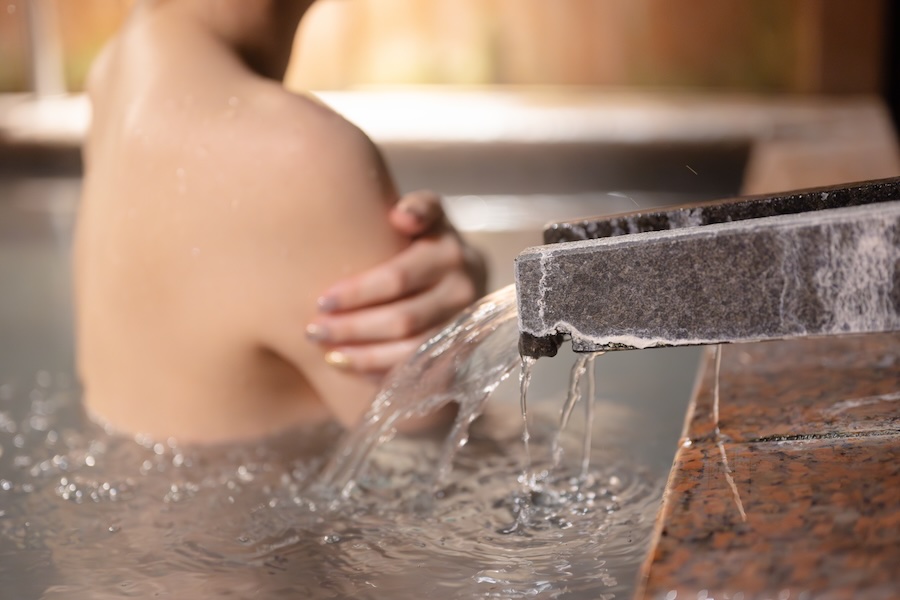
・Sento:Public bathhouses using heated tap water
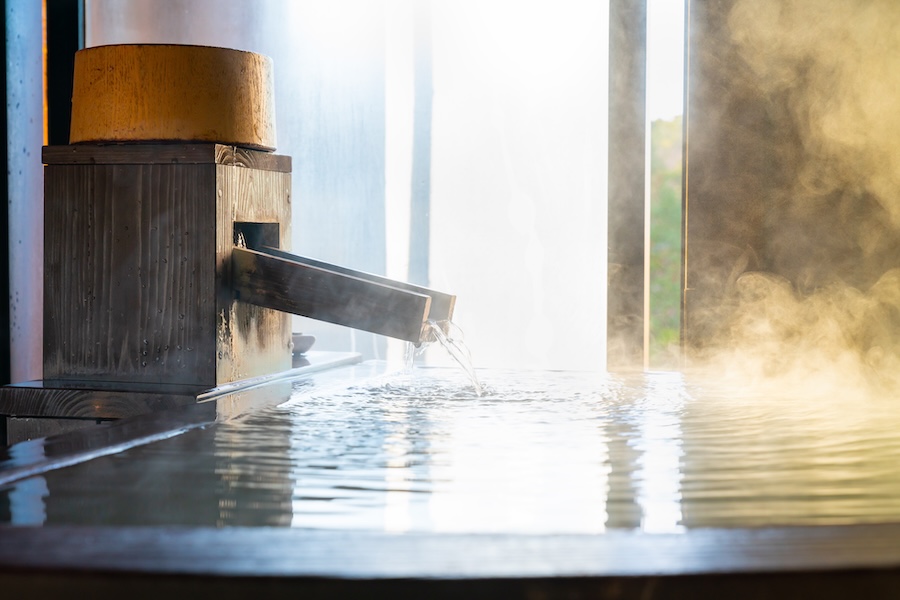
・Onsen: Natural hot spring bathhouses using mineral-rich geothermal water
Bathing is traditionally done nude (gender-separated), emphasizing cleanliness and relaxation rather than swimming. Many locals visit Sento daily, especially in areas where homes lack large bathtubs.
Japanese public baths are used by a wide range of people for a variety of purposes, from the practical purpose of cleansing the body to spiritual and social purposes such as relaxation, health promotion, and interaction with the local community. Many tourists also use them as a cultural experience.
*Note: English signs (multilingual signs) for foreign tourists are rapidly becoming more common. Some staff members can also speak basic English.
Best arrival times (beat the crowds / golden hour)
Go right after opening, mid-day, or late at night to avoid crowds and enjoy quiet time.
Tickets (reserve in advance / timed entry)
Usually no reservation is needed; pay the entrance fee (cash or card) upon arrival at the reception
Must-bring items (cash, power bank, Pocket Wi-Fi)
Bring cash for the fee/vending machines, and a towel/soap (or be prepared to rent/buy them there)
Navigation (one-way paths, floor order, stroller/wheelchair routes)
Check the signs for "Men" or "Women" ; most areas are not wheelchair/stroller accessible.
Peak seasons & queue expectations
Weekends, evenings (5 PM-9 PM), and holidays are busiest; expect possible locker line-ups
Etiquette reminders (shrine/onsen/museum rules)
Wash your body thoroughly before entering the bath, do not put a towel in the water, and rinse your body after bathing. Generally, if you have a tattoo, you will not be allowed to enter the facility, but an increasing number of facilities are allowing you to enter under certain conditions, such as covering the tattoo with a tattoo sticker or using a private bath. Websites that provide information on tattoo-friendly facilities are also useful (e.g., tattoo-go.in).
Choose clothes that are easy to take off: At public baths and hot springs, you'll be changing clothes quickly, so it's convenient to wear clothes that are easy to change into, such as jackets that open in the front and stretchy pants.
Remove jewelry: Be sure to remove metal jewelry such as necklaces and rings before bathing, as the hot spring water can cause discoloration and burns.
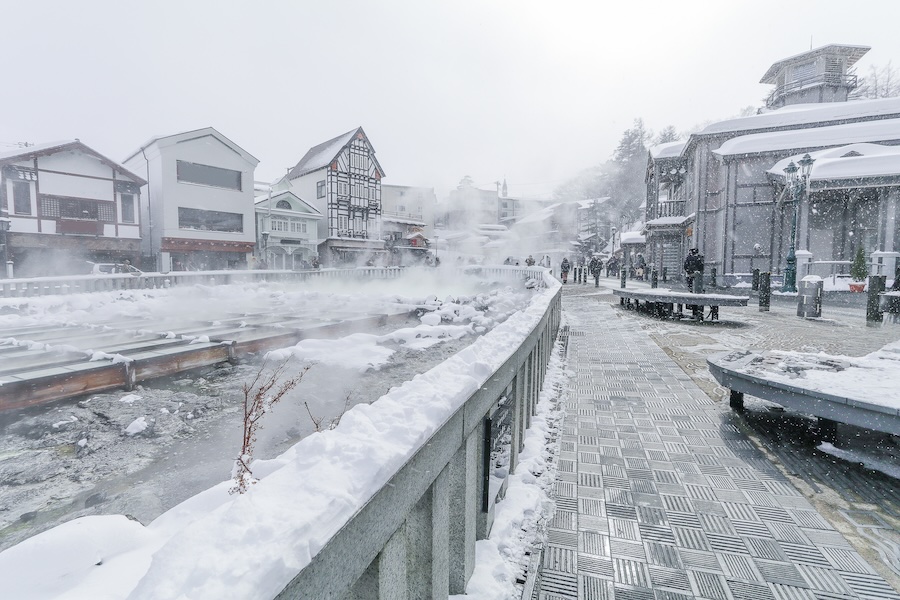
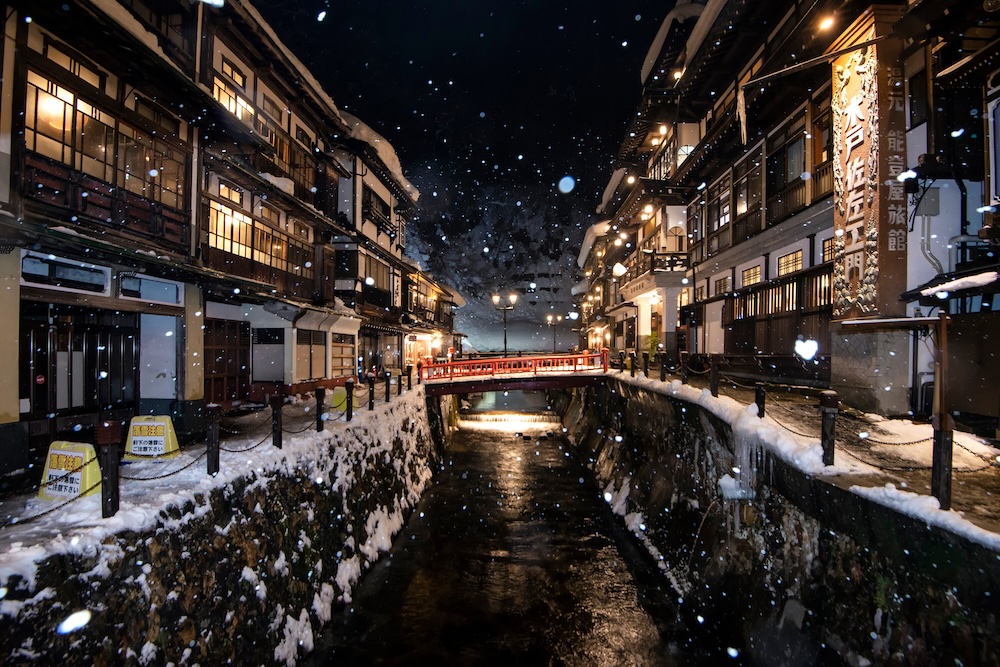
This time, I will use Kusatsu Onsen town (pictured aboveas an example, which is ranked as one of the most popular hot springs in Japan by foreigners.
Explain routes clearly from major hubs.
By Train: From JR Ueno Station: Take the Kusatsu-Shima Limited Express to Naganohara-Kusatsuguchi Station (approximately 2 hours 30 minutes) → Take a JR bus to Kusatsu Onsen (approximately 25 minutes).
From Tokyo Station (by Shinkansen): Take the Hokuriku Shinkansen to Karuizawa Station (approximately 1 hour 10 minutes) → Take the Kusakaru Kotsu bus or similar to Kusatsu Onsen (approximately 1 hour 30 minutes).
By Bus: From Tokyo、 Shinjuku、 Ikebukuro、 etc. JR Bus Kanto's "Joushu Yumegurigo" operates、 and will take you directly to Kusatsu Onsen Bus Terminal (approximately 4-5 hours).
By Car or Taxi:Route from Nerima IC(Tokyo) on the Kan-etsu Expressway to Shibukawa-Ikaho IC(Gunma Prefecture) and head to Kusatsu Onsen (travel time: 2 hours 30 minutes)
By Bike / On Foot:It is not recommended as it is more than a two-hour walk from the nearest station(Naganohara-Kusatsuguchi Station). You will need to walk within the hot spring town.
Curated, close-range ideas to round out the plan:
Food & Drinks:A classic among the staples of Kusatsu food tours. The freshly steamed hot spring manju is "Honke Chichiya" and the colorful pudding inspired by the Yubatake hot spring field is a hot topic on social media, "Kusatsu Onsen Pudding".
Attractions & Experiences: The symbol of Kusatsu Onsen. The sight of the constantly gushing hot spring water flowing down from the source is impressive, and the fantastic nighttime illuminations create a magical atmosphere. Sainokawara Park is popular for its huge open-air baths dotted with hot spring pools flowing like rivers.
Shopping: You can enjoy food and souvenir shopping on "Sainokawara Street," the main street of Kusatsu Onsen town, and you can also visit the glasswork workshop at "Kusatsu Glass Warehouse."
Public baths date back to the Nara period. They became popular in urban areas as living facilities for the common people during the Edo period. They developed as places for socializing and living, promoting cleanliness and interaction.
Hot springs have existed in Japan since the age of mythology. They are places of healing and health rooted in the blessings of nature and faith. Today, only hot springs that meet certain temperatures and have certain chemical components are recognized as "hot springs."
Preparing for your trip is key to an unforgettable experience. Here is a guide to logistics and cultural essentials before you depart.
Stay: For nearby lodging, Kusatsu Onsen Bus Terminal is highly recommended. For day trips or exploring other regions, areas like Shinjuku in central Tokyo offer excellent transportation access and vibrant nightlife. Search for nearby hotels based on your travel style.
Transport: Choosing the right rail pass can save you significant time and money. Your choice depends mainly on your itinerary:
JR Pass (Nationwide): Ideal for long-distance trips traveling on major lines like Tokyo to Kyoto, Osaka, and Hiroshima for 7, 14, or 21 consecutive days. If you plan to visit multiple major cities in addition to Kusatsu Onsen, this pass is usually worth the purchase price.
Regional Pass: If you're concentrating your visits in a specific region, a regional pass is more economical. For such a concentrated itinerary, 「the JR Southeast Hokkaido Rail Pass (6-Day) 」or「 Osaka-Tokyo Hokuriku Pass (7-Day)」, which pass through Karuizawa Station, are better choices than a National Pass. They have low initial costs and offer unlimited travel on JR lines within designated areas.
*Note: Bus fares are likely not applicable on both passes.
Connectivity: Staying connected is seamless with two main options. For traveling with a group and needing fast, unlimited data, a [Pocket Wi-Fi] is often recommended. Alternatively, a [SIM card] is excellent for solo travelers.
*Note: the SIM card can be bought together with the JR Pass and Regional Pass at the check-out
Personal Assistance:We can arrange a[Meet & Greet service] where an English-speaking guide will meet you directly at the airport upon arrival. They will assist with luggage, currency exchange, activating your transport pass, and provide guidance on transferring from the airport rail link to your accommodation. This service provides peace of mind and personalized support from the moment you arrive.
Japan Basics:
・Etiquette: Show respect to elders; exchange business cards and cash with both hands; tipping is not expected.
・Cash/Card: Outside major cities, cash is essential; always carry sufficient Japanese yen.
・IC Cards: IC cards like Suica/Pasmo facilitate smooth payments on public transport and at convenience stores.
・Accessibility: Public transport in major cities is increasingly barrier-free; information is available from JNTO.
Q: Are Japanese bath houses tattoo-friendly?
A: Some are, but many restrict tattoos. Tourist onsen increasingly allow them.
Q: Do you wear clothes in a Japanese bath house?
A: No. Bathing is done nude, separated by gender.
Q: What are Japanese baths called?
A: Sento (public bath) and Onsen (hot spring bath).
Q: Are Japanese public baths clean?
A: Yes. Hygiene is strictly enforced, and washing before soaking is mandatory.
Why should I book with JapanDen?
How do I book a hotel or ryokan through JapanDen?
What types of accommodations do you offer in Japan?
How can JapanDen help with planning my trip?
As well as booking accommodation, JapanDen is a place to learn more about Japan and how you can make the most of your time in this special country. From in-depth region guides to stories from Japan, we’ll be regularly publishing carefully curated insights from Japanese culture, with recommendations for the best activities and attractions and the latest news. Looking forward, we’ll also be adding special community features so you can share ideas and inspiration with like-minded people. Please come back and visit us regularly as we continue to add new content. We want JapanDen to be your home away from home too.
Do you offer guided tours in Japan, and how can I book one?
As part of the JRPass.com group, we offer a dedicated Meet and Greet service with expert personal assistance on your arrival in Japan booked via JRPass.com, alongside nationwide and regional rail passes for travel. As JapanDen grows, we will be offering more services and activities to provide a complete Japan travel experience.
Can I purchase Japan Rail Passes through your website?
JapanDen is part of the JRPass.com group, book your passes and tickets directly on JRPass.com