Fukushima City: The Underrated Tohoku Stop (and Yes, It's Safe to Visit)
Safe, scenic, underrated
Fukushima City in Japan doesn't get the attention Kyoto or Sapporo do, and that's its appeal. Ninety minutes north of Tokyo by Tohoku Shinkansen, this prefectural capital is known for a flower-covered hillside, a retro onsen town, and peaches regularly ranked among Japan's most prized.
It also raises a question many travellers ask first: is Fukushima Prefecture safe to visit? The short answer is yes.
Here's a quick overview:
Category |
Details |
Topic type |
Safety, sightseeing, onsen culture |
Best moment |
While planning a Tohoku itinerary |
Ideal for |
Tohoku first-timers, onsen lovers, fruit-picking families |
Risk if ignored |
Skipping an affordable region out of unnecessary worry |
Fukushima City is the capital of Fukushima Prefecture, sitting inland in Tohoku, roughly sixty to a hundred kilometres from the coastal area affected by the 2011 tsunami and nuclear accident. That distance, combined with over a decade of monitoring and clean-up, is why the city functions today as a normal, working regional capital rather than a place shadowed by its past.
Radiation readings there now sit close to background levels recorded in London, Berlin and Seoul. The International Atomic Energy Agency also keeps an ongoing presence at the coastal plant, publishing monitoring data confirming safe levels. Local produce, hotels and transport all operate as usual, and the prefecture actively promotes tourism rather than discouraging it.
Expect an easy, low-stress visit: a fast Shinkansen ride in, a flower-covered hillside or quiet onsen town to explore, and simple local food to finish the day.
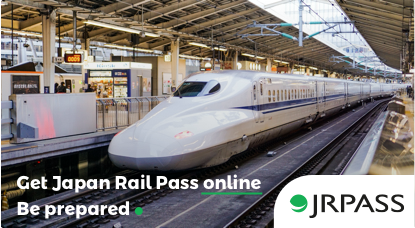
Arriving by Shinkansen: The fastest Yamabiko and Tsubasa services reach Fukushima Station in around 90 minutes from Tokyo (about ¥8,000-10,000 one way), with easy onward connections to local lines and buses.
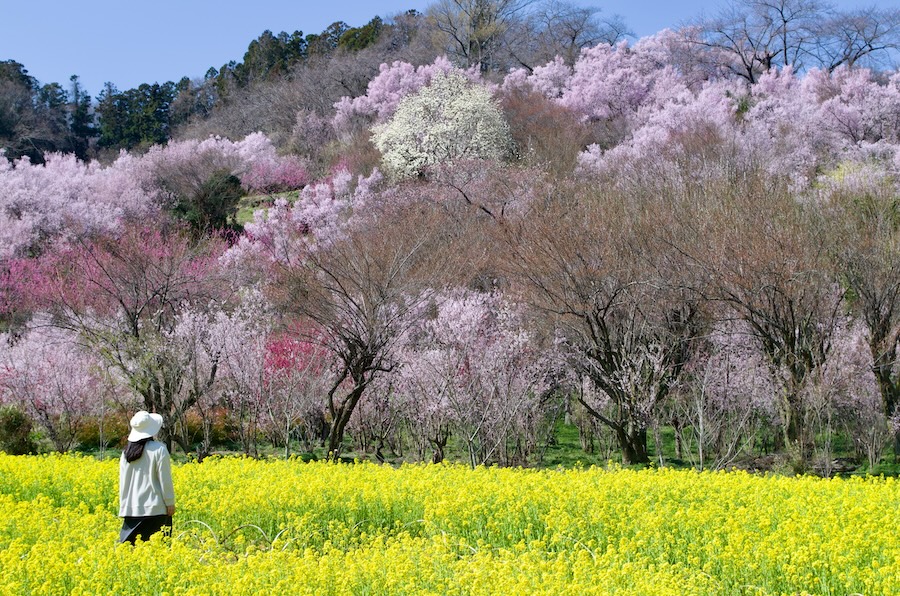
Walking Hanamiyama Park in spring: The private hillside, first planted by a local farming family in the 1920s, blooms with cherry, plum and forsythia together, drawing lighter crowds than Kyoto's spots.
Soaking in Iizaka Onsen: A 20-25 minute local train ride (about ¥370 one way) swaps station bustle for a quiet bathhouse town where the pace slows down almost immediately.
Eating out: Dinner usually means nihonshu, the fermented rice sake that differs from stronger distilled spirits like shochu, since local breweries are consistent leaders at Japan's national sake awards, having topped the gold-medal rankings more than any other prefecture over the past decade.
Not every trip needs this level of detail, but some travellers will get more value from it than others:
Especially useful for first-time Tohoku visitors, onsen lovers, and blossom-season families.
Worth extra thought if mobility is a concern, since Hanamiyama Park involves hillside paths, or if peak blossom weekends mean booking transport and ryokan stays earlier than usual.
Repeat visitors who already know Tokyo and Kyoto well, or travellers on a very short trip, can still enjoy Fukushima, just with less urgency to fit it in.
Fukushima City's inland, everyday feel, and its spring-to-autumn calendar of blossoms, fruit, and foliage are what shape a visit here most.
Where in Fukushima Prefecture you go changes the experience considerably.
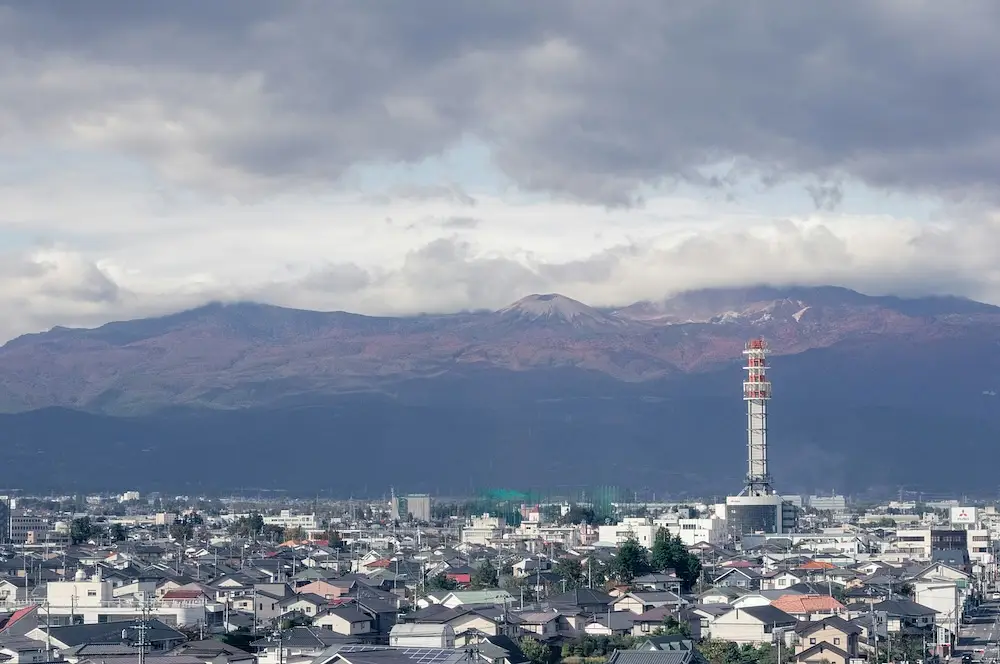
Fukushima City's inland Nakadori setting feels closer to a regional capital than a tourist hub, with everyday shops, offices and residents outnumbering visitors even in peak season.
Tohoku travellers may soon also have JR East's newly announced Luna Azul sleeper, though it's planned to run Shinagawa–Aomori without a Fukushima City stop, so the Shinkansen stays the direct route here.
Fukushima rewards visitors who plan around the calendar.
Spring blossoms are part of a nationwide tree-viewing tradition that also colours Mount Shinobu's slopes red and gold every autumn.
Summer and autumn suit fruit picking along the Fruit Line, while winter favours a slower pace built around onsen towns like Tsuchiyu and the mountain views along the Bandai-Azuma Skyline.
Choose a rail pass, book ryokan stays early for peak blossom weekends, and sort mobile data before landing. These three steps cover most of what a Fukushima trip needs.
A handful of decisions are easier to make from home than mid-trip. Work out whether a Japan Rail Pass or a Tohoku-specific regional pass suits your route, and book Iizaka or Tsuchiyu ryokan stays ahead of peak blossom weekends, since the best rooms sell out early.
First-timers sometimes also arrange an airport arrival service that helps activate a rail pass and board the right train from Narita or Haneda, which takes the pressure off a jet-lagged first day.
Packing for Fukushima is mostly about comfort and connectivity rather than anything specialised.
Sort mobile data before landing, since a pocket WiFi rented in advance keeps maps and translation apps running from the airport onward.
Bring layers for hillside walking at Hanamiyama or Mount Shinobu, a small towel for onsen visits, and some cash, since smaller ryokan and rural orchards don't always take cards.
Most visitors run into the same handful of avoidable snags: timing, cash, and onsen etiquette.
These habits make the visit noticeably smoother:
Check Hanamiyama Park's bloom forecast beforehand, since peak dates shift year to year.
Bring a towel and coins for Iizaka's public bathhouses.
Reserve shinkansen seats ahead during peak blossom weekends.
Watch for these common slip-ups:
Don't assume every rural shop or orchard takes cards.
Don't wear swimwear into a traditional onsen bath.
Don't rush Hanamiyama Park; the hillside paths take at least an hour to enjoy properly.
A brief apology and a smile go a long way with onsen or ryokan staff, and Fukushima Station's information counters usually offer English-speaking help for missed trains or booking mix-ups.
Fukushima works best as a one- or two-night add-on to a Tokyo-Tohoku or Tokyo-Sendai route, whether as a full ryokan stay or a half-day stop.
A couple on a ten-day rail trip might swap a Tokyo hotel night for a ryokan stay in Iizaka, where riverside inns along the Surikami valley put onsen bathing minutes from the room.
A family visiting in summer could pair a peach-picking afternoon with a relaxed evening at a city hotel near Fukushima Station.
A solo traveller short on time might treat Fukushima as a half-day stop on a Tokyo to Sendai run, seeing Hanamiyama Park or Mount Shinobu before continuing north.
Below are quick answers to the questions travellers ask most:
Q: Is Fukushima Prefecture safe to visit?
A: Yes, current radiation readings across most of the prefecture sit close to levels found in other major cities worldwide.
Q: How do you get to Fukushima City from Tokyo?
A: The Tohoku Shinkansen connects Tokyo and Fukushima Station directly, with the journey taking around ninety minutes each way.
Q: What is Fukushima City known for?
A: Fukushima City is known for Hanamiyama Park's spring blossoms, Iizaka Onsen's hot springs, and nationally celebrated peaches and sake.
Q: What are the best things to do in Fukushima City?
A: Top activities include Hanamiyama Park, Iizaka Onsen bathhouses, Mount Shinobu's viewpoints, and fruit picking along the Fruit Line orchards.
Q: When is the best time to see Hanamiyama Park?
A: Hanamiyama Park blooms from late March through April, when cherry, plum, and forsythia flower together across the private hillside.
Q: What is Iizaka Onsen like?
A: Iizaka Onsen is a retro hot spring town with public bathhouses, soft-boiled radium eggs, and a 20–25 minute local train ride.
Q: Can you go fruit picking near Fukushima City?
A: Yes, orchards along the Fruit Line offer peach, apple, and grape picking from June through November, depending on the crop.
Q: Are Fukushima peaches really that special?
A: Fukushima peaches are considered among Japan's best, prized for their sweetness thanks to the region's climate and volcanic soil.
Q: How far is Fukushima City from the coastal exclusion zone?
A: Fukushima City lies roughly sixty to one hundred kilometres inland from the restricted coastal areas near the former nuclear plant.
Q: Is it worth visiting Mount Shinobu?
A: Mount Shinobu offers easy city viewpoints and autumn foliage, making it a quick add-on for travellers already exploring central Fukushima.
Q: How many days do you need in Fukushima City?
A: Two full days cover the highlights comfortably, including Hanamiyama Park, an onsen soak, and a short fruit-picking or drive detour.
Q: Is Fukushima City worth adding to a Tohoku itinerary?
A: Yes, its central location makes Fukushima City an easy addition to a wider Tohoku loop that includes Sendai and Yamadera.
Q: What food should you try in Fukushima City?
A: Try Fukushima's award-winning sake, fresh seasonal peaches, creamy mama-dor sweets, and a day-trip bowl of Kitakata ramen nearby.
Q: Does the Japan Rail Pass cover travel to Fukushima?
A: Yes, the Tohoku Shinkansen route between Tokyo and Fukushima Station is fully covered by the standard Japan Rail Pass.
Q: Is Fukushima City suitable for a day trip from Tokyo?
A: It's possible as a long day trip, though staying one night lets you fit in Iizaka Onsen without rushing.
Why should I book with JapanDen?
How do I book a hotel or ryokan through JapanDen?
What types of accommodations do you offer in Japan?
How can JapanDen help with planning my trip?
As well as booking accommodation, JapanDen is a place to learn more about Japan and how you can make the most of your time in this special country. From in-depth region guides to stories from Japan, we’ll be regularly publishing carefully curated insights from Japanese culture, with recommendations for the best activities and attractions and the latest news. Looking forward, we’ll also be adding special community features so you can share ideas and inspiration with like-minded people. Please come back and visit us regularly as we continue to add new content. We want JapanDen to be your home away from home too.
Do you offer guided tours in Japan, and how can I book one?
As part of the JRPass.com group, we offer a dedicated Meet and Greet service with expert personal assistance on your arrival in Japan booked via JRPass.com, alongside nationwide and regional rail passes for travel. As JapanDen grows, we will be offering more services and activities to provide a complete Japan travel experience.
Can I purchase Japan Rail Passes through your website?
JapanDen is part of the JRPass.com group, book your passes and tickets directly on JRPass.com