Does Japan Drive on the Left? Plus What Tourists Need to Know About Driving There
Travel smarter, stress less
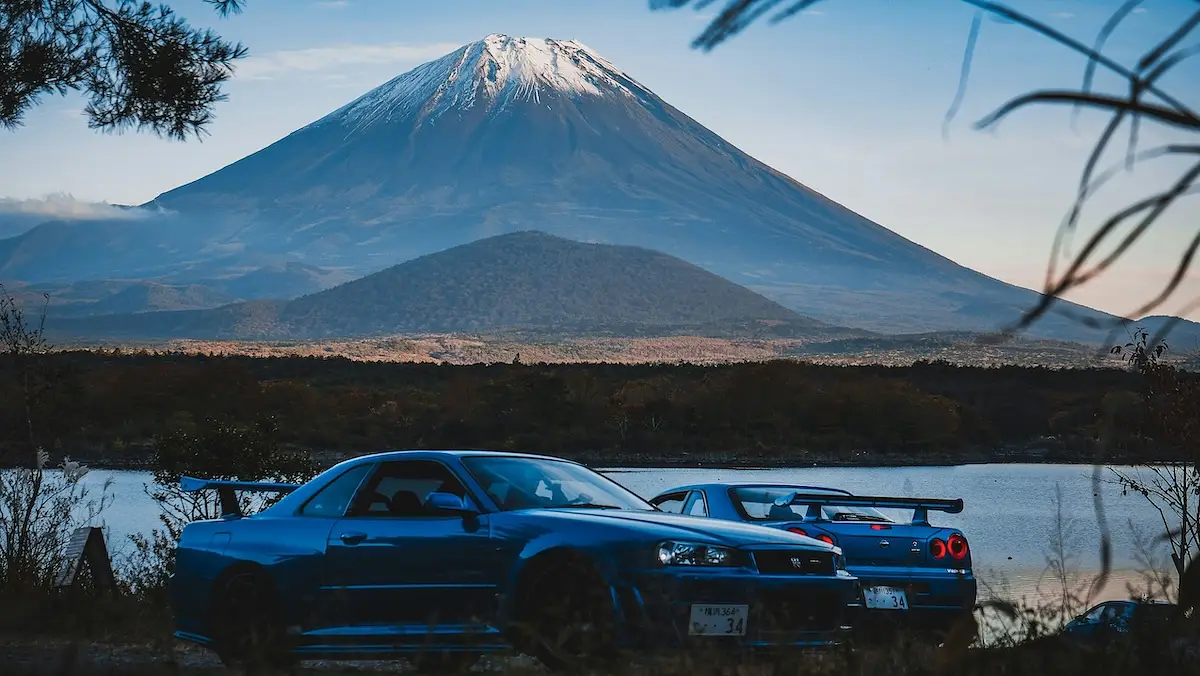
Japan drives on the left, with the steering wheel on the right, like the UK, Australia, and New Zealand. If you're arriving from the US, Canada, or continental Europe, knowing this upfront saves confusion the moment you step off the plane. Whether renting a car in Hokkaido, crossing a street in Tokyo, or picking an escalator side, this matters for first-timers, road-trippers, and pedestrians alike.

Left-hand driving touches everything from rental cars to street crossings.
Aspect |
Details |
Topic type |
Transport and road safety |
Best time to think about this |
Before booking a rental car or landing in Japan |
Ideal for |
Drivers, road-trippers, and pedestrians alike |
Risk if ignored |
You could misjudge oncoming traffic or fail IDP requirements |
The rule has deep roots and applies nationwide, including Okinawa.
Japan has driven on the left since 1924, a rule tracing back to samurai walking left so their sword hand stayed free, later reinforced by British railway engineers in 1872. Okinawa switched back to left-hand traffic in 1978, in an operation known as 730. Once this clicks, both driving and street-crossing get far less stressful.
A few practical hurdles come up, whether you're driving or on foot.
Getting an IDP: Most need a 1949 Geneva Convention IDP; six nationalities can use an official Japanese translation instead.
Renting a car: Major companies offer English booking and GPS; ask for an ETC card (¥300–¥500/day) to skip toll gates.
Adjusting on the road: Right turns cross oncoming traffic, so start with left turns.
Crossing the street: Traffic comes from the right, so look right before stepping off a curb.
Escalators: Standing sides vary by region and trip up visitors moving between cities.
Road-trippers benefit most, though pedestrians need the basics too.
Especially helpful for renting a car in Hokkaido, Okinawa, or Kyushu
Worth checking if you hold an IDP from a Vienna Convention country
Less urgent if you're sticking to Tokyo, Kyoto, or Osaka by train
Where you're headed changes whether driving makes sense at all.
Tokyo, Kyoto, Osaka: Trains win every time. A JR Pass or regional rail pass beats any rental for speed and cost.
Hokkaido and Okinawa: Vast distances and scattered beaches make a rental car genuinely worthwhile.
Kyushu and rural Japan: Kyushu rewards slow exploration, much like the small towns and farm stays of rural Japan off the main rail network.
Escalators: Stand left in Tokyo and eastern Japan; stand right in Osaka and Kansai, though Japan's transport ministry actually promotes a "stand on both sides" policy.
Trip length affects how worthwhile a rental car is.
Short city breaks rarely need a car; longer, multi-region trips through Hokkaido or Kyushu make the IDP and rental worth it.

Sorting a few things out before departure avoids problems at the rental counter.
Confirm which IDP path applies to you and arrange it before leaving.
Decide your route: cities by train, rural regions by rental car.
Book rental cars and passes early if traveling during peak season.
Your original license plus your IDP or certified translation.
Pocket Wi-Fi for navigation where English signage thins out.
A Meet & Greet arrival service for your first hours in-country.
A handful of habits catch visitors off guard on Japanese roads.
Ask for an ETC card at pickup to skip cash toll gates.
Practice left-side turns in a quiet car park before joining city traffic.
Stop completely at railway crossings, even with no train in sight.
Budget ¥20,000–¥40,000 for tolls on cross-country expressway trips.
Don't drink before driving. Japan has zero tolerance, with strict administrative penalties enforced nationwide, and even sober passengers can be fined.
Don't assume a Vienna Convention IDP will be accepted.
Don't park illegally. Wardens tow or fine vehicles within minutes.
Don't ignore local escalator etiquette when moving between cities.
If unsure which side to stand on, follow the person in front of you.
If you miss a toll payment, the rental staff can usually help settle it before return.
Different travelers will use this information differently depending on their itinerary.
Couple on a city trip: Skip renting and rely on a JR Pass between Tokyo, Kyoto, and Osaka.
Family exploring multiple regions: Train between cities, then rent a car in Hokkaido or Kyushu for scenic stretches.
Solo road-tripper: Get the IDP early, pick up Pocket Wi-Fi, and consider the Japan Expressway Pass for long highways.
Q: Does Japan drive on the left or the right?
A: Japan drives on the left with right-hand steering wheels, the same as the UK, Australia, and NZ.
Q: Which side of the road does Japan drive on, and why?
A: Japan drives on the left, rooted in samurai custom and reinforced by British railway engineers.
Q: Do I need an international driving permit for Japan?
A: Yes, most visitors need a 1949 Geneva Convention IDP alongside their home-country license before leaving.
Q: Can I drive in Japan with a US license?
A: No, Americans need a valid 1949 Geneva Convention IDP plus their original US license, too.
Q: Is it difficult to drive in Japan as a tourist?
A: Roads are well-maintained, and signs are bilingual, but left-side driving takes a short adjustment period.
Q: What is the drink-driving limit in Japan?
A: Japan's legal blood alcohol limit is 0.03% BAC, so avoid drinking anything before you drive.
Q: Is renting a car in Japan worth it?
A: Yes, in rural Hokkaido, Okinawa, and Kyushu; no, in Tokyo, Kyoto, and Osaka, where trains win instead.
Q: What is the Japan Expressway Pass?
A: It's a fixed-price unlimited expressway pass for tourists, offered in 7-day or 14-day options nationwide.
Q: Does the escalator in Japan go on the left or right?
A: Stand left in Tokyo and most of Japan; stand right in Osaka and the Kansai region.
Q: Why does Okinawa drive on the left if it was under American rule?
A: Okinawa switched back to left-hand traffic in 1978, in an operation locally known as 730.
Why should I book with JapanDen?
How do I book a hotel or ryokan through JapanDen?
What types of accommodations do you offer in Japan?
How can JapanDen help with planning my trip?
As well as booking accommodation, JapanDen is a place to learn more about Japan and how you can make the most of your time in this special country. From in-depth region guides to stories from Japan, we’ll be regularly publishing carefully curated insights from Japanese culture, with recommendations for the best activities and attractions and the latest news. Looking forward, we’ll also be adding special community features so you can share ideas and inspiration with like-minded people. Please come back and visit us regularly as we continue to add new content. We want JapanDen to be your home away from home too.
Do you offer guided tours in Japan, and how can I book one?
As part of the JRPass.com group, we offer a dedicated Meet and Greet service with expert personal assistance on your arrival in Japan booked via JRPass.com, alongside nationwide and regional rail passes for travel. As JapanDen grows, we will be offering more services and activities to provide a complete Japan travel experience.
Can I purchase Japan Rail Passes through your website?
JapanDen is part of the JRPass.com group, book your passes and tickets directly on JRPass.com