Rural Japan Trip Guide: Small Towns, Farm Stays & Slow Travel

Slow travel, done right
Let’s be clear: a rural Japan trip isn’t about “having less to do.” It’s about doing the right things slowly, deeply, and often with some of the best food you’ll eat anywhere in the country.
The change often begins on the train. As Tokyo, Kyoto, or Osaka disappears behind you, dense city streets give way to mountains, coastlines, forests, rice fields, and smaller stations. The pace slows. The crowds thin out. Even the journey becomes part of the experience.
We’re talking about small towns, mountain villages, coastal peninsulas, islands, and farming communities where local traditions still shape daily life. Some are easily reached using Japan’s rail network, while others require a local bus, ferry, or short drive for the final stretch. Either way, getting there encourages you to slow down before you have even arrived.
And when you do it right, it isn’t simply travel. It’s an immersion into rural Japan.
Rural Japan isn’t one place. It’s a mood. It’s:
Wooden houses with sliding doors and real stories
Morning markets instead of Starbucks
Rice fields instead of traffic lights
Local trains winding through landscapes you would otherwise miss
Locals who notice you—and sometimes feed you
And the ultimate luxury? Silence. Space. Slowness.
You aren’t ticking off landmarks. You’re paying attention to the journey, the place, and the moment you’re in.
Let's not assume you're going to roam about randomly and magically arrive somewhere amazing. You need stylish, tailored guidance.
Why it’s special:
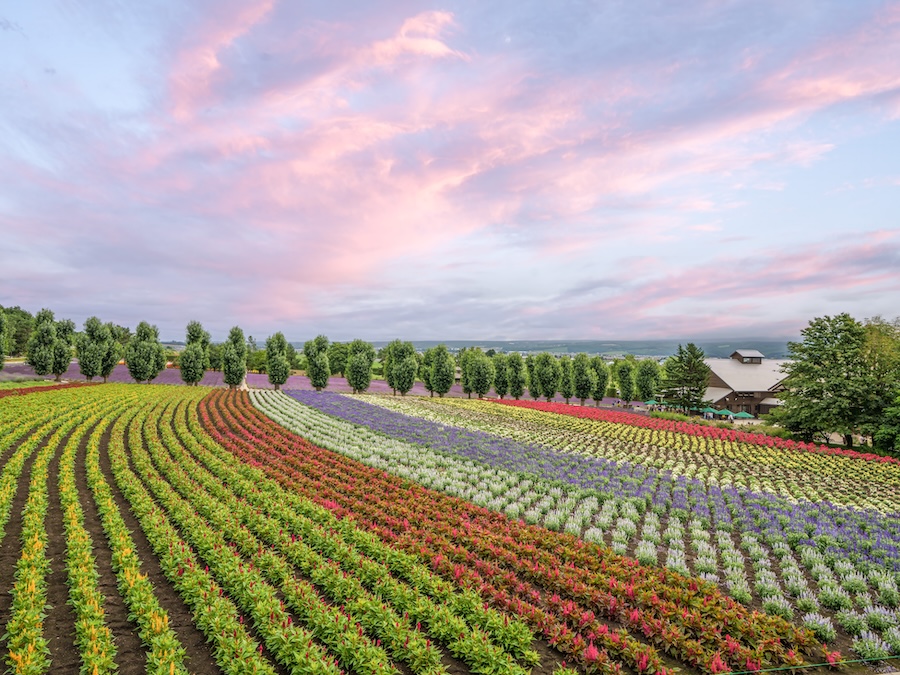
Because it is remote, raw, and quietly stunning. Think of forests, lakes, and coastlines that feel untouched. Just check out the photo above.
Best season: Late spring to autumn
What to do: Scenic train rides, lake walks, local seafood
This is where your scenic train fantasies come true, but without the crowds.
Why it’s special:
Because of the fishing villages, rice terraces, and zero urgency.
Best season: Spring & autumn
What to do: Coastal drives, craft villages, seafood feasts
If your personality is “I don’t rush,” Noto will love you back.
Why it’s special:
Because of the Old streets, sake breweries, and mountains that look like postcards.
Best season: Autumn or winter
What to do: Go to Morning markets, Hida beef, temple walks
If you’re planning to stay here, explore nearby accommodation like JapanDen’s Takayama options, they’re practical and perfectly located. For on this, check out our video below.
Why it’s special:
Because of the preserved Edo-era towns connected by hiking trails.
Best season: Spring & autumn
What to do: Walk the Nakasendo trail, stay in traditional inns
This is rural Japan with a storyline, and you’re part of it.
Why it’s special:
Because there are mountain villages, vine bridges, and deep valley views.
Best season: Autumn (but honestly, anytime)
What to do: Stay in farmhouses, explore gorges, disconnect
You don’t “visit” Iya. You disappear into it.
Why it’s special:
Because it is an onsen town where you walk around in a robe all day, and it’s socially encouraged.
Best season: Winter or spring
What to do: Bath-hopping, slow dinners, evening strolls
This is rural Japan… with better lighting and hot water.
Why it’s special:
Because there are volcanic plains, open skies, and dramatic scenery.
Best season: Spring to autumn
What to do: Hiking, hot springs, nature drives
This is where you remember your lungs exist.
For many travelers, a farm stay is one of the closest ways to experience everyday rural life in Japan. Instead of simply passing through the countryside, you stay in a farmhouse or family-run property and share a small part of your hosts’ routine through meals, conversations, and seasonal activities.
No two stays are exactly alike. Some include harvesting vegetables, cooking regional dishes, feeding animals, fishing, or joining craft workshops. Others are closer to quiet rural guesthouses, where the main experience is enjoying home-cooked food, exploring the surrounding area, and spending time with the host family.
Travelers discussing farm stays near Kyoto and Osaka frequently mention that the property itself can be memorable, but reaching it may require a longer bus journey or careful planning. In another discussion about staying in the Japanese countryside, one traveler described a farm guesthouse where hosts provided bicycles, local produce, and homemade pickles.
You can typically expect:
Simple rooms, often with futons or shared facilities
Seasonal, home-cooked meals
Earlier mealtimes and household routines
Optional farming, cooking, or cultural activities
Limited English at some properties
Before booking, confirm exactly what is included, how you will reach the property, and whether activities are guaranteed or optional. Travelers searching for a more social farm or nature stay also warn that some stays are private and quiet rather than group experiences.
The appeal is not luxury. It is personal hospitality, regional food, and a closer look at rural Japanese life.
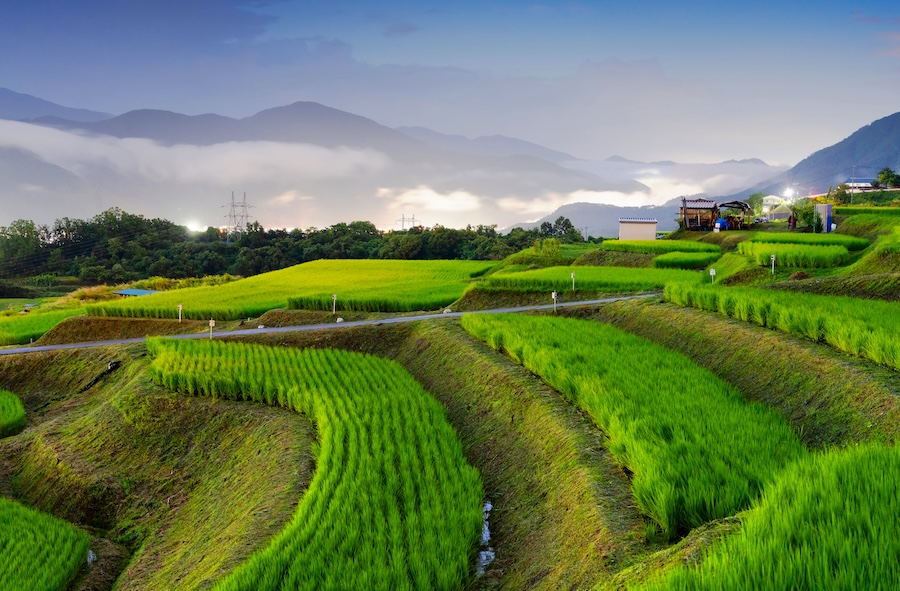
Farm stays appeal to travelers who want a deeper connection with the places they visit.
They're especially popular with:
Curious travelers looking for authentic cultural experiences
Couples seeking something more meaningful than a standard hotel stay
Slow travelers who enjoy learning about local life
Visitors who want to experience rural Japan beyond the major tourist routes
A little planning goes a long way in rural areas.
Before booking:
Check transport options carefully, especially if public transport is limited
Communicate arrival times clearly with your host
Confirm meal arrangements in advance
Consider staying at least two nights to fully enjoy the experience
One night often feels rushed. Two or more nights allows you to settle into the slower pace of rural life.
This is not about luxury. It's about connection, hospitality, and experiencing a side of Japan many visitors never see.
Rural Japan isn't complicated, but it does reward a different mindset from city travel. The goal isn't to see as many places as possible. It's to experience a place properly.
The slower pace is part of the attraction.
Simple experiences often become the most memorable.
Try:
Joining a local workshop such as ceramics, weaving, or cooking
Visiting a morning market
Spending a night in an onsen town
Exploring on foot rather than rushing between attractions
Starting conversations with locals when opportunities arise
Many rural communities are welcoming to visitors, even when English is limited.
A few expectations can make rural travel more difficult than it needs to be.
Avoid:
Rushing from place to place
Expecting everything to be available in English
Treating rural communities as attractions rather than places where people live
Planning every minute of every day
Relying on local internet, get Pocket WiFi for emergencies and quick checks, avoid spending much time online
Respect the local rhythm, and the experience often becomes far more rewarding.
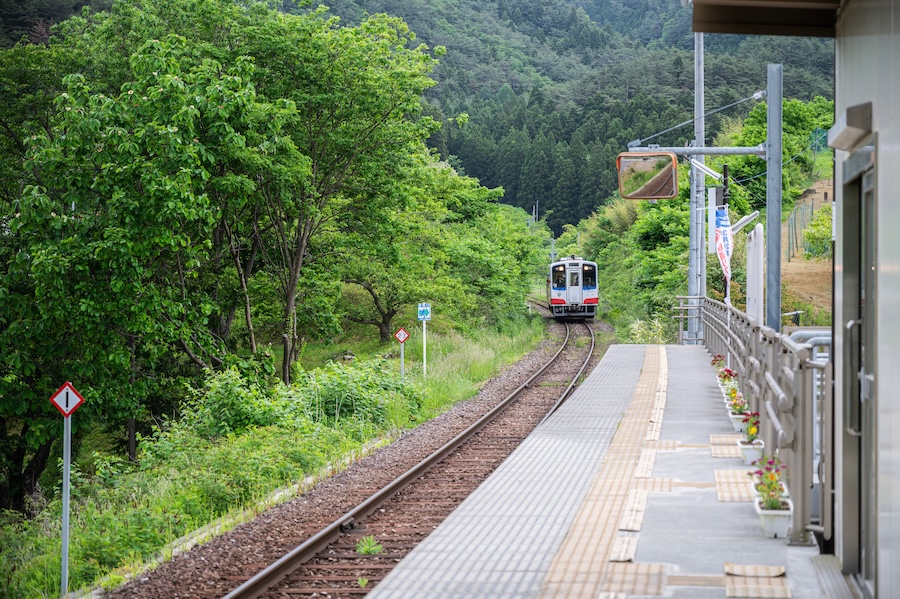
Rural travel in Japan is usually straightforward, but it requires more planning than moving between major cities. Trains and buses are generally reliable, yet services may be less frequent, connections may be limited, and the last departure of the day can arrive earlier than expected.
The key is to build your itinerary around realistic transport connections rather than trying to fit too many destinations into one trip.
Yes. A car is helpful in some remote areas, but it is not essential for every rural trip.
Destinations such as Takayama, Kinosaki Onsen, Kurashiki, Ise, and Nikko can all be reached by train, with the main attractions either within walking distance of the station or connected by local buses.
For example:
Kinosaki Onsen begins almost immediately outside the station
Takayama’s old town is around a 10-minute walk from Takayama Station
Kurashiki’s Bikan Historical Quarter is approximately 10 to 15 minutes on foot from the station
Ise Grand Shrine can be reached by bus from Iseshi or Ujiyamada Station
Nikko’s major temples and shrines are connected to the station by local buses
Many onsen towns follow a similar pattern, making them particularly convenient for travelers who want a rural experience without renting a car.
A car becomes more useful when visiting remote mountain villages, national parks, isolated coastlines, or places where local buses operate only a few times per day.
The best ticket option depends on how far you are traveling and how many journeys you plan to make.
If most of your trip stays within one part of Japan, a regional rail pass may offer better value and simpler travel. These passes are especially useful for multi-stop itineraries within areas such as Tohoku, Kansai, Kyushu, or the Japanese Alps.
For longer itineraries crossing several regions, the Japan Rail Pass may be more convenient, particularly when your plans include multiple long-distance JR journeys. However, it is worth comparing the pass price with the cost of your actual route before purchasing.
For shorter trips or itineraries with only a few major journeys, booking point-to-point train tickets may be the simplest and most economical option.
Remember that some rural buses, private railway lines, community transport services, and ferries are not covered by JR passes, so always check the final stage of the journey separately.
Reaching the nearest railway station is sometimes only part of the trip. Your accommodation or village may still require a local bus, ferry, taxi, or host pickup.
Before traveling:
Check the complete route, including the final connection
Confirm the last bus or train of the day
Tell farm-stay or minshuku hosts your expected arrival time
Allow extra time when transferring between rural services
Download or save timetables in case mobile coverage is limited
A missed connection in Tokyo may cost you a few minutes. In the countryside, it could mean waiting several hours—or until the following morning.
Rural Japan is best experienced at a slower pace.
One night often feels rushed, especially when part of the day is spent reaching the destination. Two to three nights gives you time to explore, enjoy local food, and settle into the rhythm of the area. Four nights or more allows the experience to feel less like a stopover and more like temporary rural life.
Rather than connecting several distant villages, focus on one region and create a logical route between places.
Large suitcases can be inconvenient on local buses, small trains, station staircases, and narrow village streets.
Consider using luggage forwarding services to send larger bags between major accommodations while carrying a smaller overnight bag into the countryside. You can also leave unnecessary luggage at a city hotel or station locker when returning to the same place later.
Reliable internet access is particularly useful when checking rural timetables, finding bus stops, translating signs, or contacting your accommodation.
A Pocket Wi-Fi device can make navigation easier, especially when several people are traveling together or when your phone does not support a local eSIM.
Download important information in advance as well, including:
Accommodation details
Transport schedules
Offline maps
Translation tools
Emergency contact information
Cashless payments are increasingly common, but smaller restaurants, markets, family-run accommodation, local buses, and rural attractions may still require Japanese yen.
Opening hours can also be shorter than in major cities. Restaurants may close early, shops may take midday breaks, and some attractions operate only on selected days.
Check ahead rather than assuming you will always find food, transport, or an open shop after arriving.
For travelers arriving in Japan after a long flight, a Meet & Greet service can help with pass activation, ticket collection, and finding the correct train. This can be especially useful when the rural portion of the trip begins immediately after landing and involves several connections.
Good rural travel is not about eliminating every inconvenience. It is about planning enough that you can relax once you arrive.
Choose sensible connections, leave room in your schedule, and let the train ride become part of the trip—not simply the space between destinations.
Q: Is rural Japan worth visiting?
A: Absolutely. Rural Japan offers a very different experience from Tokyo, Kyoto, and Osaka, with slower-paced towns, traditional architecture, scenic landscapes, local festivals, and regional food that many travelers consider a highlight of their trip.
Q: Do I need a car to visit rural Japan?
A: Not always. Many popular destinations such as Takayama, Kinosaki Onsen, Nikko, Ise, and Kurashiki can be reached by train and local bus. A car becomes more useful for remote mountain villages, national parks, and less-visited regions.
Q: How many days should I spend in rural Japan?
A: Two to three nights is often ideal. One night can feel rushed, while a longer stay gives you time to enjoy local food, scenery, hot springs, and daily life at a more relaxed pace.
Q: Is rural Japan difficult for English speakers?
A: English is generally less common than in major cities, but most travelers get by successfully using translation apps, basic gestures, and a little patience. Hospitality is often excellent, even when communication is limited.
Q: What are the best rural destinations for first-time visitors?
A: Popular choices include Takayama, Kinosaki Onsen, Shirakawa-go, Nikko, Ise, Kurashiki, Biei, Yufuin, and the Noto Peninsula. These destinations combine rural scenery with relatively easy access by public transport.
Q: Is rural Japan cheaper than Tokyo?
A: Often yes, especially for accommodation and dining. However, transportation costs can sometimes be higher if destinations are remote or require multiple train and bus connections.
Q: Can I use a JR Pass for rural Japan travel?
A: In many cases, yes. JR Passes and Regional Passes can cover much of the journey to rural destinations. However, some local buses, private railways, ferries, and community transport services may require separate tickets.
Q: What is the biggest mistake travelers make in rural Japan?
A: Trying to visit too many places too quickly. Rural Japan is best experienced slowly. Many visitors find they enjoy a single town for two or three days more than rushing through several destinations in one trip.
Q: Are rural Japanese towns tourist-friendly?
A: Many are. Popular destinations often have English maps, visitor centers, and multilingual signage. Smaller communities may have less tourist infrastructure but can offer some of the most authentic and memorable experiences.
Q: What should I pack for a rural Japan trip?
A: Comfortable walking shoes, weather-appropriate layers, a small amount of cash, a portable charger, and any medications you may need. Rural areas may have fewer convenience stores, pharmacies, and late-night services than major cities.
Q: Can I stay with a local family in rural Japan?
A: Yes. Farm stays (nouhaku), guesthouses, and family-run minshuku accommodations allow visitors to experience local life, home-cooked meals, and traditional hospitality.
Q: Is rural Japan good for solo travelers?
A: Very much so. Japan's safety, reliable transport, and welcoming communities make rural travel a great option for solo visitors looking for a quieter and more immersive experience.
Q: When is the best time to visit rural Japan?
A: Spring (March to May) and autumn (October to November) are generally considered the best seasons thanks to comfortable temperatures, cherry blossoms or autumn colors, and ideal conditions for exploring on foot.
Why should I book with JapanDen?
How do I book a hotel or ryokan through JapanDen?
What types of accommodations do you offer in Japan?
How can JapanDen help with planning my trip?
As well as booking accommodation, JapanDen is a place to learn more about Japan and how you can make the most of your time in this special country. From in-depth region guides to stories from Japan, we’ll be regularly publishing carefully curated insights from Japanese culture, with recommendations for the best activities and attractions and the latest news. Looking forward, we’ll also be adding special community features so you can share ideas and inspiration with like-minded people. Please come back and visit us regularly as we continue to add new content. We want JapanDen to be your home away from home too.
Do you offer guided tours in Japan, and how can I book one?
As part of the JRPass.com group, we offer a dedicated Meet and Greet service with expert personal assistance on your arrival in Japan booked via JRPass.com, alongside nationwide and regional rail passes for travel. As JapanDen grows, we will be offering more services and activities to provide a complete Japan travel experience.
Can I purchase Japan Rail Passes through your website?
JapanDen is part of the JRPass.com group, book your passes and tickets directly on JRPass.com