Fewer flights, fewer crowds
Quick Summary
Japan welcomed approximately 3.56 million international visitors in May 2026, a 3.6% year-on-year decline, per preliminary JNTO figures. The drop is largely a flights-and-China story, not a demand story. For most Western travelers, it signals marginally thinner crowds and steadier booking conditions ahead.
Key Details |
|
Date |
June 17, 2026 |
Location |
Nationwide |
Type of News |
Japan Travel Trend / Japan Data Report |
Audience Affected |
1. Tourists / 2. Businesses |
Official Source |
Main Story
JNTO's preliminary May 2026 figures put inbound arrivals at approximately 3,559,900, down 3.6% versus May 2025. The headline number hides a very uneven picture: Chinese arrivals fell roughly 60% year-on-year, from around 790,000 to just 313,000, accounting for virtually the entire shortfall. Meanwhile, the U.S. was up about 7%, the UK up 6%, Germany up nearly 19%, and Australia up around 4%.
Two forces are driving the dip. Chinese travel advisories, issued amid political disputes with Japan, have sustained a slowdown in Chinese outbound travel. Separately, the U.S.-Israel war on Iran drove jet fuel costs up more than 80% and prompted airlines worldwide to cut schedules starting late February. Since roughly 14% of global air transit passes through Middle East airports, rerouting and reduced capacity have become a real constraint on long-haul travel, including to Japan. All figures remain preliminary JNTO estimates, so it's worth checking the primary release before finalizing travel plans.
Why This News Matters for Travelers
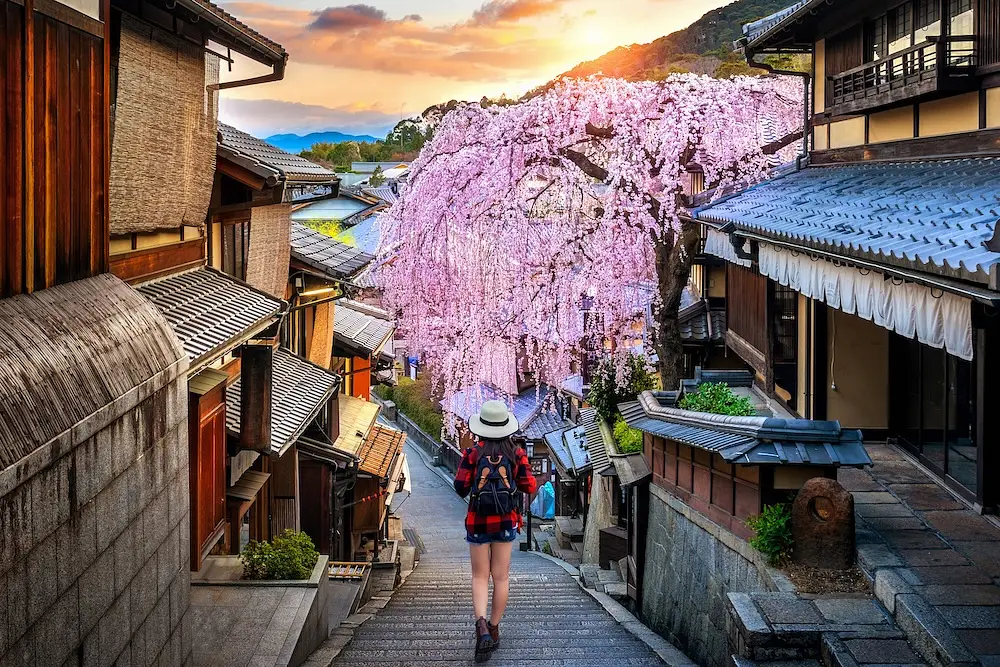
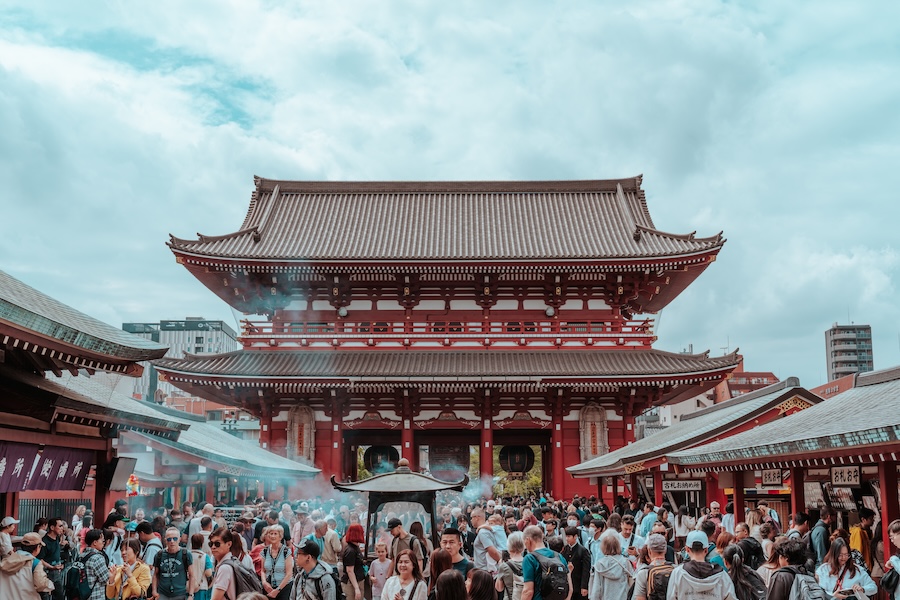
For independent travelers, the practical takeaway is simple: Japan is a little less crowded than it was a year ago. The Golden Route still draws the most visitors, and hotspots like Fushimi Inari and Arashiyama remain busy, but roughly 475,000 fewer arrivals in May mean real breathing room at sites that were near breaking point in 2024 and 2025. Fewer large Chinese group tours have also changed the texture of crowds at urban retail districts and flagship temples, more independent travelers, fewer bus groups.
This matters beyond May: it reflects a broader shift in Japan's inbound mix toward Western, independent travelers, and it's directly relevant to anyone planning a trip in the next 6–12 months, since booking conditions and crowd levels are noticeably more forgiving than recent peak years.
Where crowds remain
Kyoto during the foliage season and Mount Fuji viewpoints during Golden Week are still saturated. Reliable workarounds: visit major sites before 8 am or after 4 pm, and avoid Golden Week, Obon, and New Year. Shifting slightly off the Golden Route to places like Kanazawa, Nagano's Kiso Valley, or the Seto Inland Sea brings quieter conditions and lower nightly rates. U.S. travelers are already catching on. Bookings to Shikoku rose 240% year-on-year through April 2026.
Airfares remain higher than last year due to global fuel pressure, so booking early on direct routes helps. Autumn (October–November) offers the most reliable balance of comfortable weather and manageable crowds. On safety: Japan remains generally safe to travel to, following the recent earthquake, with major tourist hubs and rail networks operating normally.
What Comes Next
Japan's departure tax triples from ¥1,000 to ¥3,000 per person starting July 1, 2026, collected automatically through your airline ticket, no separate airport payment needed. For official details on Japan's international tourist tax, JNTO has the full breakdown.
To plan around quieter regions and shifting crowd patterns:
Build a flexible itinerary with a JR Pass or Regional Pass, ideal for reaching less-visited areas like Shikoku or the Seto Inland Sea without committing to fixed transport.
Smooth out your arrival with a Meet & Greet airport assistance.
Stay connected throughout your trip with Pocket Wi-Fi.
Browse JapanDen hotels for accommodation across all regions, including quieter areas well off the Golden Route.
FAQs
Q: Did Japan's tourism actually decline in 2026?
A: Yes, monthly arrivals dipped; May was down 3.6% to about 3.56 million visitors.
Q: Why are fewer Chinese tourists visiting Japan?
A: Geopolitical tensions cut Chinese arrivals by roughly 60% in May 2026 year-on-year.
Q: Is Japan less crowded in 2026?
A: Peak periods remain busy, but overall attractions are marginally less congested than in 2024–2025.
Q: How did rising airfares affect travel to Japan?
A: Iran-conflict fuel costs raised some fares, though Western market demand stayed strong.
Q: Is it safe to travel to Japan right now?
A: Yes, major tourist hubs and rail networks operate normally after recent seismic activity.
Q: What's the best time to visit Japan to avoid crowds?
A: January, February, and October–November offer the best balance of crowds and weather.
Q: Will the tourist tax increase affect my trip?
A: From July 1, 2026, departure tax triples to ¥3,000, charged automatically via airline ticket.
Q: Which countries sent more visitors despite the overall dip?
A: The U.S., UK, Germany, and Australia all posted gains, with Germany up nearly 19%.
Q: Why did Middle East disruptions affect Japan travel?
A: About 14% of global air transit routes go through the Middle East, raising fuel costs.
Q: Are quieter regions like Shikoku gaining popularity?
A: Yes, U.S. bookings to Shikoku rose 240% year-on-year through April 2026.