When to go, what to expect
Quick Summary
Japan's flu season typically runs from late autumn through early spring, with peak cases reported between December and February (source) across major cities like Tokyo and Osaka. Health authorities have recently flagged rising influenza cases in schools and communities, making this an important consideration for travelers planning trips in the coming months.
Detail |
Information |
Date |
March 2026 |
Location |
Nationwide (Tokyo, Osaka, Kyoto, Hokkaido) |
Type of News |
Japan Travel Trend / Japan X Data Report |
Audience Affected |
Tourists, Families, Local Residents |
Official Source |
Main Story
Flu season in Japan usually starts in November and can last until March or even early April. The highest number of cases is typically recorded between December and February, when colder temperatures and indoor gatherings increase transmission rates.
Recent reports, including coverage from Tokyo-based outlets, show that flu cases have reached warning levels in some areas, particularly among school-aged children. This reflects a familiar seasonal pattern rather than an unusual outbreak, but it still requires attention from travelers.
Why flu spreads during these months
Several factors contribute to Japan’s flu season timeline:
Cold weather: Lower temperatures allow the virus to survive longer.
Dry air: Winter humidity levels drop, making it easier for viruses to spread.
Crowded indoor spaces: Public transport and indoor attractions become high-contact environments.
For tourists, this means exposure risk is higher in busy locations such as trains, shopping districts, and indoor attractions.
What symptoms and treatment look like in Japan
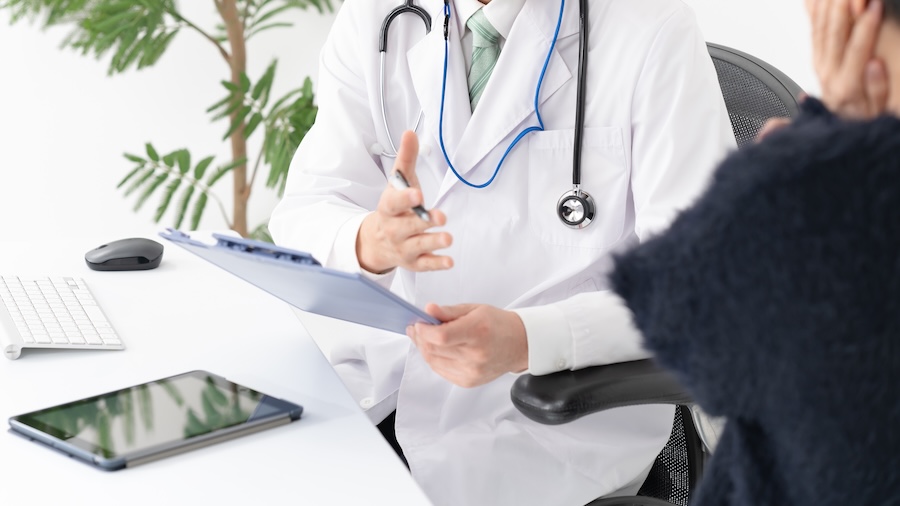
Flu symptoms in Japan are similar to those elsewhere: fever, fatigue, cough, sore throat, and body aches. Clinics and hospitals are widely available, especially in major cities.
Japan also has strict healthcare protocols:
Patients are often tested quickly using rapid diagnostic kits.
Antiviral medications like oseltamivir (Tamiflu) are commonly prescribed.
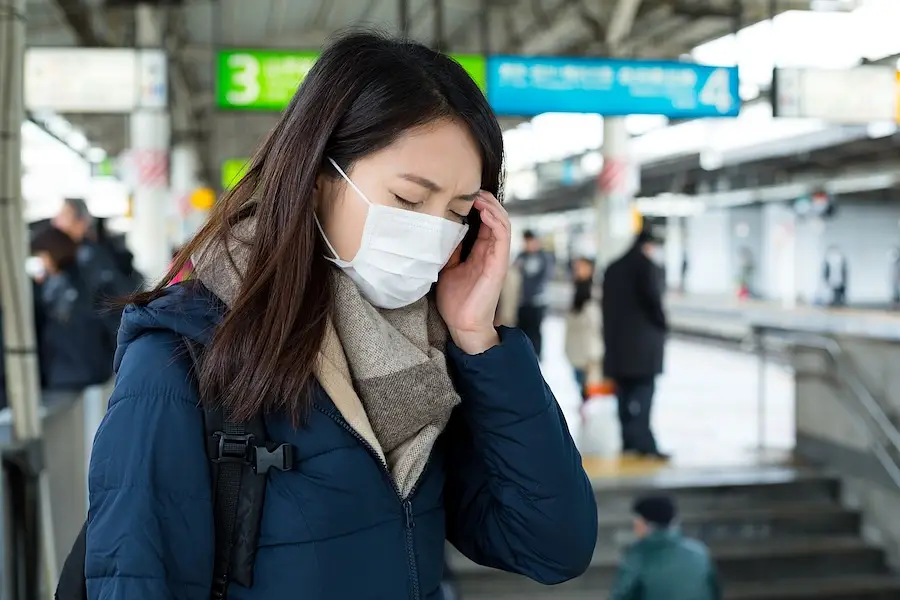
Mask-wearing is strongly encouraged when sick.
Over-the-counter medicines are available at pharmacies, but many are labeled in Japanese, which can be confusing for visitors.
Why This News Matters For Travelers
If you’re planning a trip between November and March, you are likely traveling during Japan's flu season. This does not mean you should cancel your plans, but it does mean you should prepare.
Tourists visiting crowded destinations—such as Tokyo, Kyoto, or Osaka—may face higher exposure risk. Families traveling with young children or infants should be especially cautious, as flu complications can be more serious for them.
Increased precautions in public spaces
Japan is known for its strong public health habits. During flu season, you’ll notice more people wearing masks, using hand sanitizer, and avoiding close contact when sick. Travelers are expected to follow these norms.
Impact on travel experience
While most attractions remain open, flu season can affect your experience if you become ill. Clinic visits, rest days, or itinerary changes may be necessary. Being prepared helps minimize disruptions.
What Comes Next
How to protect yourself while traveling
Taking simple precautions can reduce your risk:
Wear a mask in crowded places: This is common practice in Japan and widely accepted.
Wash or sanitize hands regularly: Many public places provide hand sanitizers.
Avoid close contact with sick individuals: This is recommended especially in enclosed spaces like trains.
Consider vaccination before travel: This is recommended for added protection.
What to do if you get sick in Japan
If you develop flu symptoms:
Visit a local clinic or hospital. Many urban clinics offer basic English support.
Bring your passport and travel insurance details.
Follow local guidance, which may include rest and temporary isolation.
Stay connected and prepared
Having reliable internet access makes it easier to find clinics, translate symptoms, and navigate healthcare options. Consider booking pocket Wi-Fi for Japan travel before arrival so you can access maps, translations, and emergency information anytime.
If you plan to travel between cities during flu season, trains remain the safest and most efficient option. You can explore routes and save on transport costs with a JR Pass for unlimited train travel, which is especially useful if your itinerary spans multiple regions.
For added convenience on arrival, services like Meet & Greet at the airport can help you settle in quickly and avoid stress, especially if you’re feeling unwell after a long flight.
If your trip includes major cities, booking accommodation in advance is also key. You can browse options and secure stays through hotels in Tokyo and nearby areas to ensure flexibility during peak travel months.
FAQs
When does flu season start and end in Japan?
Flu season in Japan typically starts in November and ends around March or early April. The peak period is usually between December and February, when infection rates are highest due to colder weather and increased indoor activity.
Is November flu season in Japan?
Yes, November marks the beginning of flu season in Japan. While cases are still relatively low compared to peak months, transmission begins to increase during this time, especially in urban areas.
Is it safe to travel to Japan during flu season?
Yes, travel is generally safe. However, taking precautions such as wearing masks, maintaining hygiene, and avoiding crowded spaces when possible can reduce your risk of getting sick.
What medicine can tourists take in Japan?
Over-the-counter flu and cold medications are available at Japanese pharmacies, but labels are often in Japanese. Visiting a clinic is recommended for proper diagnosis and treatment, especially if symptoms are severe.
Should I avoid traveling with children during flu season?
Traveling with children is still possible, but extra care is advised. Young children may be more vulnerable to flu complications, so preventive measures and flexible travel plans are important.