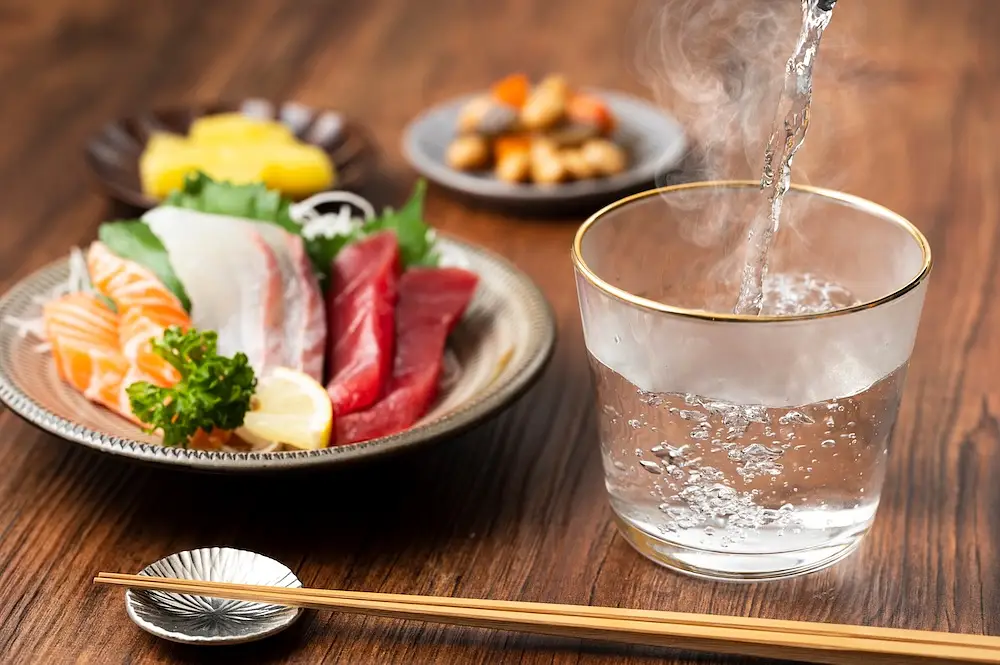
Sip your way across Japan like a local
To the untrained eye, a glass of clear Japanese alcohol might look uniform, but these two iconic drinks belong to entirely different worlds. Understanding the shochu vs sake difference is not just about avoiding a surprise at the bar—it is your ticket to exploring Japan’s rich regional food cultures.
This comprehensive guide breaks down the science behind both drinks, details the major shochu types, and maps out the perfect travel itineraries to taste them right at the source.
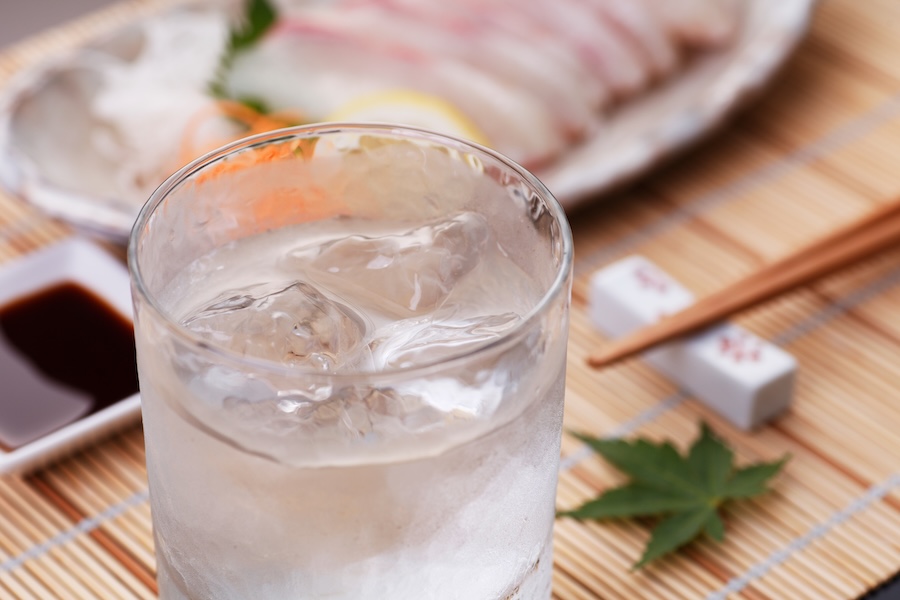
Shochu vs Sake in Japan: Key Details
Topic |
Info |
Topic type |
Cultural experiences |
Best moment to think about this: |
Before visiting izakaya, breweries, or distilleries |
Best For |
First-time visitors, food lovers, sake enthusiasts |
Risk if you ignore |
If you choose alcohol without any knowledge of what you're ordering, you may not be able to get/try what you want and waste money |
What Is Shochu vs Sake and Why It Matters
If you only remember one thing, remember this: Sake is brewed. Shochu is distilled.
That single difference shapes everything from alcohol content and flavor to food pairings and drinking styles.
Think of sake as sharing a biological family tree with beer or wine, relying entirely on fermentation to reach its final strength. Shochu, on the other hand, is a true spirit like vodka or whiskey, utilizing a still to concentrate its flavors and alcohol content.
Because they look identical when poured into a clear glass, it is incredibly easy for first-time travelers to mix them up.
Sake |
Shochu |
|
Production |
Brewed |
Distilled |
Main ingredient |
Rice, Rice Kōji, Water |
Sweet potato, Barley, Rice, Buckwheat, Brown sugar |
Typical ABV |
15–16% |
20–25% (Up to 45% for specific styles ) |
Carbs & Sugar |
Contains residual sugars and carbohydrates |
Zero carbs, zero residual sugar due to distillation |
Calories (per 100ml) |
~100-105 kcal |
~140-150 kcal (but lower per standard serving when diluted) |
Taste profile |
Fruity, floral, umami-rich |
Earthy, nutty, smoky, ingredient-driven |
Traditional Vessels |
Tokkuri (flask) and Ochoko (small cups) |
Choku cups, Karaka servers, or sturdy rock glasses |
Main production areas |
Hyogo Prefecture (Nada), Kyoto Prefecture(Fushimi), Niigata Prefecture, Akita Prefecture |
Kagoshima Prefecture (sweet potato), Oita Prefecture (barley), Kumamoto Prefecture (rice), Iki Island in Nagasaki Prefecture (barley), Okinawa Prefecture (awamori) |
Food pairings |
A variety of delicate Japanese dishes: sashimi, sushi, soup, tempura. |
Dishes with strong flavors: Yakitori (with sauce), braised pork belly, motsunabe (offal hot pot), karaage (fried chicken), Chinese food |
Served |
Warm (Atsukan / Nurukan), Room temp (Jou-on), Chilled (Reishu) |
Neat, On the rocks (Rokku), with cold water (Mizuwari), with hot water (Oyuwari), with soda (The chū-hai base), with oolong tea. |
Why it matters in Japan
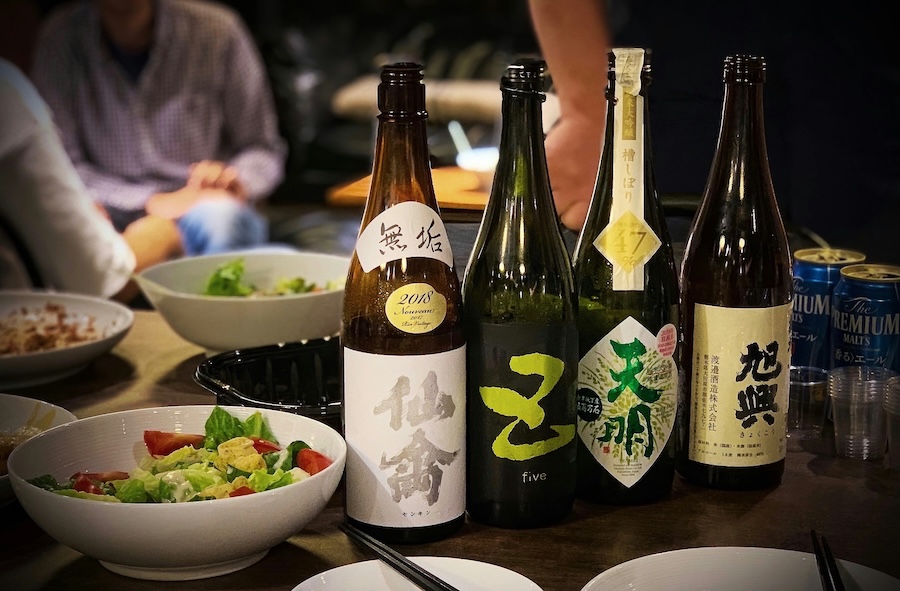
In many Western countries, alcoholic drinks are grouped rigidly by course—wine with dinner, and spirits saved for late-night cocktails. Japan flips this script entirely. Both sake and shochu are designed from the ground up to accompany food right at the dinner table.
When it shows up in a trip
You will confront this drink menu dividing line the moment you walk into any restaurant, izakaya (Japanese pub), or traditional ryokan inn. You will also see it packing the shelves of neighborhood convenience stores and airport duty-free shops.
Because many authentic menus do not feature English translations—or simply list names under a generic "Japanese Alcohol" heading—knowing the vocabulary makes all the difference. Once you understand the core differences in how they are served, ordering at the bar changes from a stressful guessing game into an exciting culinary adventure.
What to Expect as a Traveller
Navigating a Japanese drink menu or bottle shop can feel a bit like decoding a puzzle. To help you visualize how this plays out on the ground, here are three common scenarios you will run into during your trip, what can go wrong, and how to handle them smoothly.
Ordering Drinks at a High-Energy Izakaya (Eating Out)
What usually happens.
The drink section features dozens of options, but the English translations are minimal—often just listing "Sake" or generic "Japanese Spirits" with various prices.
What can go wrong if people don’t know this tip.
I ordered a drink from the menu that simply said "rice," thinking it was sake, but it turned out to be 25% alcohol "rice shochu" served on the rocks. I took one sip and choked on the intense alcohol.
How the right behaviour/packing/decision makes things smoother.
Take a quick look at how the drink is categorized. If you want sake, scan for terms like Junmai, Ginjō, or Nihonshu (the actual Japanese word for sake). If you are looking for shochu, remember to tell the server how you want it mixed—such as Rokku (on the rocks) or Soda-wari (with club soda)—so you get exactly the strength you are expecting.
The Multi-Course Kaiseki Dinner at a Ryokan
What usually happens.
You sit down for a spectacular, multi-course kaiseki banquet at a traditional hot-spring inn. The meal starts with incredibly delicate, hyper-seasonal appetizers like raw sea bream, followed by clear broths and lightly grilled vegetables. The attendant asks what you would like to pair with the meal.
What can go wrong if people don’t know this tip.
You decide to try something unique and order a premium Imo (sweet potato) shochu right at the start of the meal. The bold, deeply earthy, and pungent aroma of the distilled spirit completely blankets your palate, masking the subtle, elegant flavors of the high-end ingredients you paid top dollar to experience.
How the right behaviour/packing/decision makes things smoother.
You decide to try something unique and order a premium Imo (sweet potato) shochu right at the start of the meal. The bold, deeply earthy, and pungent aroma of the distilled spirit completely blankets your palate, masking the subtle, elegant flavors of the high-end ingredients you paid top dollar to experience.
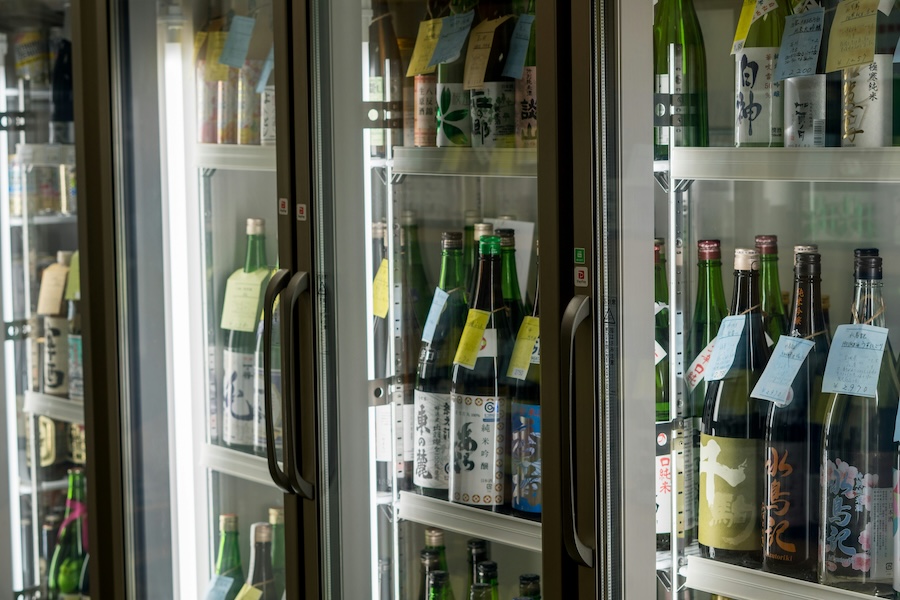
Picking out Liquid Souvenirs at a Station Bottle Shop
What usually happens.
You wander into a beautiful specialty liquor store inside a major hub like Kyoto, Tokyo, or Niigata Station. You want to pick up a premium bottle of Japanese alcohol to share with friends back home or enjoy in your hotel room.
What can go wrong if people don’t know this tip.
I was drawn to the beautiful label of this unpasteurized sake and bought it. I didn't know that unpasteurized sake always needs to be refrigerated, so when I opened it a long time later, it had turned sour, oxidized, and was completely spoiled.
How the right behaviour/packing/decision makes things smoother.
Please check the bottle shape and storage conditions. Sake stored on a warm, bright shelf, rather than in the refrigerator, is pasteurized and safe for transport. However, if you want to enjoy it safely even during long journeys, it is recommended to purchase shochu, which has a higher alcohol content.
Who This Advice Helps Most
Mastering the basic differences between sake and shochu will enhance your travel experience.
Especially helpful for:
First-time visitors to Japan: Those who want to experience local food culture but are hesitant due to fully Japanese menus and language barriers in traditional restaurants.
Foodies and gourmet travelers: Those who want to visit not only the standard tourist spots but also authentic regional cuisine, historic sake breweries, and distilleries showcasing artisanal skills.
Slow travelers exploring multiple regions: Those planning trips to various parts of Japan, such as Tokyo, Kyushu, and Kansai.
Things to consider if you:
Those concerned with health management and carbohydrate intake: If you need to limit your carbohydrate and sugar intake, choosing authentic shochu instead of sake is recommended. As a distilled spirit, it contains zero residual sugar and carbohydrates, making it a healthier option.
Those on a limited budget: High-end sake can quickly become expensive in upscale restaurants. Knowing how to order a satisfying shochu and water (shochu mixed with cold water), seasonal chuhai, or highball at an izakaya (Japanese pub) will allow you to experience local drinking culture while keeping your budget in check.
Not critical but still nice to know if:
For example, if you're a repeat visitor staying only in Tokyo, you don't need to travel directly to the rural areas of Kyushu or the snowy mountains of Niigata. Specialized bars in Tokyo (such as Shochu Authority or Kuri) can deliver the finest bottles, carefully selected from all over Japan, right to your nearest counter.
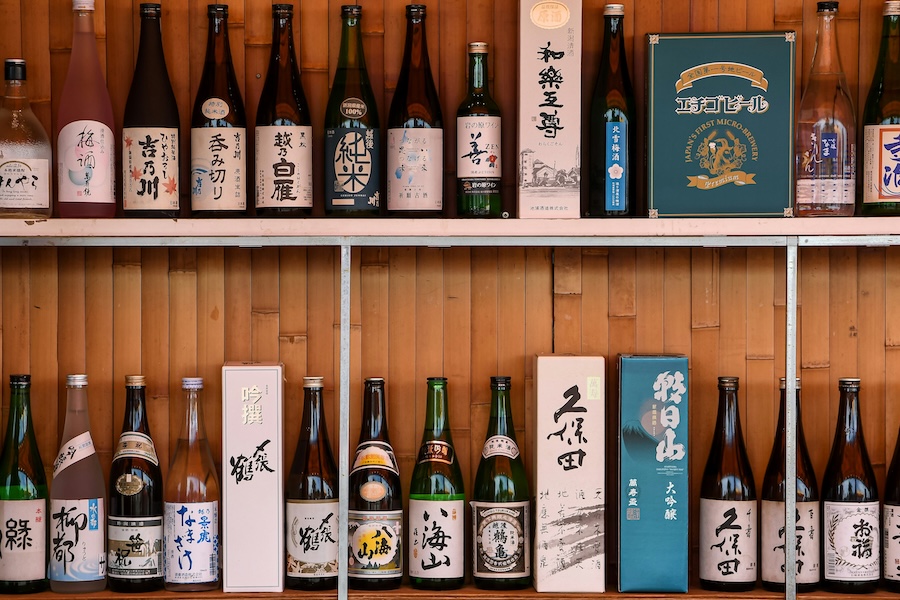
Japan-Specific Context: Where & When This Matters Most
Japanese food culture is deeply intertwined with regional geography, making drink selection key to experiencing it like a local.
By Place (Cities, Countryside, Popular Areas)
Tokyo, Osaka:The Urban Food Hubs
In megacities, you don't need to be regional. There are specialty bars that stock hundreds of bottles from distilleries on remote islands.
In Tokyo, for a curated selection of rare, small-batch sake, head to Kuri (Ginza) or Sakaya Sasagin (Yoyogi-Uehara).
For a deeper dive into the world of distilled spirits, visit Shochu Authority in Sumida Ward or Yui in Ebisu Ward. The walls are lined with bottles, categorized by raw materials and regional yeast types.
While English menus and electronic payments are widespread, some small izakayas in back alleys may only accept cash.
Kyoto, Kobe, Niigata: The Holy Land of Sake
These areas are blessed with pure water sources such as mountain springs and snowmelt from high mountains.
Fushimi Brewing Region (Kyoto): Blessed with soft, mineral-balanced spring water, Fushimi produces smooth, elegant, and so-called "feminine" style sake. Beautiful Edo-period wooden sake breweries are scattered along the canals lined with willow trees. After learning about the history of sake brewing at the Gekkeikan Okura Sake Brewery Museum, why not enjoy a tasting at Kizakura Sake Brewery?
Nada Brewing Region (Kobe): Nada is the center of sake brewing, using mineral-rich hard water to produce powerful, dry, and crisp "masculine" sake. In the afternoon, why not stroll through the free-admission Hakutsuru Sake Brewery Museum and the historic Kikumasamune Sake Brewery Museum and sample unpasteurized sake poured directly from the tanks?
Niigata City: Famous for its crisp, dry sake, produced from winter snowmelt. You can enjoy its charm even within the train station. Be sure to stop by "Ponshukan" inside JR Niigata Station. At the coin-operated tasting corner, you can sample over 100 types of local sake. Purchasing 5 tasting tickets (500 yen) allows you to sample various brands from a vending machine.
Kyushu: The Holy Land of Shochu
Sake has almost disappeared from local dinner tables, replaced by traditional shochu.
Kagoshima: The king of sweet potato shochu. The volcanic ash soil is ideal for cultivating sweet potatoes, producing shochu with a rich and sweet aroma. At the Meiji-gura Distillery of Satsuma Shuzo, you can observe craftsmen meticulously brewing sake in earthenware pots buried beneath the floor.
Oita and Kumamoto: Oita is known for its light, refreshing, and aromatic barley shochu and is home to the beautiful Iichiko Distillery, a landmark of Sanwa Shurui. Kumamoto, on the other hand, is a protected geographical location famous for its exquisite Kuma shochu made with locally grown rice.
Shochu vs. Soju — The Difference Between Similar and Different "Korean Soju"
Before experiencing shochu in Kyushu, let's address a common question many travelers have: "Is it the same as Korean soju?" In short, they are completely different.
Soju, familiar from Korea's green bottles, is a light, easy-to-drink, industrially produced alcohol made by diluting purely refined alcohol with water and adding sweeteners and fruit flavorings.
On the other hand, "authentic shochu," beloved in Kyushu, Japan, is a traditional craft spirit that allows no additives whatsoever, maximizing the flavor of its raw materials (sweet potato, barley, rice, etc.).
Shochu encountered in Kyushu's izakayas and distilleries, like whiskey or mezcal, is a profound world brimming with the local agriculture and craftsmanship. If you drink it with the same expectations as soju, you'll surely be surprised by its rich aroma and deep flavor. ***
English support is very limited at regional distilleries in Kyushu. Cash payments are the norm, and distillery tours often need to be booked weeks in advance by phone or online.
By Season or Trip Style
Seasonal differences (e.g. clothing, crowds, weather impacts).
The style of drinking changes significantly depending on the time of year you visit.
・Spring and Summer: In the warm season, enjoy chilled, refreshing, and aromatic ginjo or daiginjo sake with seasonal sashimi. For shochu, to beat the summer humidity, a refreshing barley shochu on the rocks or a citrus-based chuhai highball is recommended.
・Autumn and Winter: As the temperature drops, the atmosphere of the izakaya (Japanese pub) changes completely. Sit at the counter and order a simple, steaming hot junmai sake. Hot shochu (sweet potato shochu) is also in season. The rich aroma rising from the hot shochu pairs well with winter hot pot dishes and warm oden.
Trip style differences: short city break vs multi-city rail trip vs slow travel.
How you purchase and enjoy sake will vary depending on whether you enjoy it on the Shinkansen (bullet train) or leisurely visit distilleries.
If you're traveling light and speeding across Honshu by train, you can stop by tasting rooms at stations like Niigata's Ponshukan to sample various types of sake without adding weight to your luggage. On the other hand, if you're planning a leisurely train journey through multiple cities in Kyushu using a regional rail pass, you can build your itinerary around distilleries at your destinations. Shochu bottles are very stable and ideal for carrying in checked luggage, but high-quality sake purchased at your destination is very sensitive to heat, so it's best to drink it during your trip or keep it chilled.
How to Prepare: Planning, Packing & Decisions
Use this practical preparation guide to organize your itinerary, packing, and mental checklist before your flight.
What to Do Before You Travel
Use rail passes according to your drinking goals
If you plan to visit the historical sake breweries of Kyoto (Fushimi) and Kobe (Nada), be sure to get a JR Kansai Area Pass. This pass makes it easy to use the regional lines connecting these historical sake brewing areas.
If you plan to head south and explore the shochu-producing regions in depth, purchase a Kyushu Rail Pass. The Kyushu Shinkansen is the fastest way to travel between the wheat fields of Oita Prefecture and the sweet potato-producing regions of Kagoshima Prefecture.
Secure booking time for distillery tours
While large sake museums in Kansai often allow walk-ins, smaller shochu distilleries in rural Kyushu (such as Satsuma Shuzo's Meiji-gura) are actually farming facilities. Therefore, online reservations or direct inquiries are often required 2-4 weeks in advance. Check availability early.
A stable Wi-Fi or SIM card
Download Google Translate App
What to Pack or Organise
With the right protective gear, it's perfectly possible to bring bottles back in checked baggage.
Air bottle protectors (air sleeves)
Before departure, pack 2-3 flat air sleeves in your suitcase. They provide important cushioning to protect glass bottles.
Sturdy Ziploc bags (1-gallon size)
Always place bottles in leak-proof bags and then wrap them in clothing. Even if the delicate sake bottle cracks due to changes in air pressure on the plane, the clothing will provide complete protection.
Hard-shell suitcases:
If you plan to bring back alcohol, avoid soft-shell duffel bags. A sturdy outer shell will protect fragile alcohol from being crushed even if your luggage is handled roughly.
Three phrases to remember at an izakaya (Japanese pub)
・To confirm the type:"Is this sake or shochu?"
・To order sake at your preferred temperature:"I'd like [brand name] chilled/hot, please."
・To order shochu with your preferred mixer:"I'd like [brand name] on the rocks/hot water/soda, please."
Bring some cash
While digital payments and overseas-issued credit cards are readily accepted at major liquor stores in Tokyo and airport duty-free shops, cash is the norm at historic rural breweries and backstreet izakayas. Always keep a few thousand yen in your wallet for tastings and small purchases.
On-the-Ground Tips & Common Mistakes
Do’s
Do confirm the type of beverage before ordering.
By checking whether the bottle contains sake or shochu, you can accurately determine the manufacturing method and alcohol content.
Do order your preferred shochu mixer.
Do check if the shochu label has the word "honkaku."
This word guarantees that it is not a mass-produced industrial product, but a carefully selected, single-distilled craft shochu with rich regional characteristics.
Do Purchase pasteurized bottled beverages for takeaway.
For alcohol in checked baggage, choose pasteurized sake that can be stored at room temperature or durable shochu.
Don’ts
Don’t expect mass-market Korean soju when ordering Japanese shochu
Don’t order intense sweet potato shochu with delicate sashimi
Don’t keep unpasteurized sake (namazake) at room temperature
Never leave raw, unpasteurized sake sitting on a warm counter or packed in a hot suitcase,
Don’t drink premium Ginjō or Daiginjō sake steaming hot
Avoid heating up highly polished, aromatic sakes, which strips away the delicate fruit and floral notes the brewer worked so hard to create
Quick Fixes if You Get It Wrong
If your drink is too strong: If you ordered shochu on the rocks thinking it was a light sake, and find the 25% alcohol content too strong, there's no need to panic. Politely ask the waiter, "Could I have some water (or soda)?" and request a cold drink. Diluting it at the table is perfectly normal and common practice.
If you're overwhelmed by a complex menu of kanji characters, Use Google Translate's live camera feature to scan the characters, or ask the bartender, "What do you recommend?" Most bartenders will be happy to recommend their favorite local liquor to curious travelers.
If your hotel room doesn't have a mini-refrigerator, politely ask the front desk staff if they can store it overnight in the kitchen refrigerator. Show them the kanji for "nama-zake" (unpasteurized sake) using a translation app to convey the urgency.
How to Use This Tip in Your Overall Japan Plan
Integrating a beverage-focused route into your wider Japanese itinerary is incredibly simple when matched to your specific travel style.
-
The 10-Day "Metropolis to Spirit Heartland" Couple’s Trip Plan
Days 1–5 (The Urban Feast): Spend your first five days soaking in the neon lights, gourmet food, and high-tech energy of Tokyo or Osaka. Take advantage of deep sake and shochu curation bars like Kuri (Ginza) or Shochu Authority (Sumida) to build your baseline palate. Utilizing a JR Pass and professional Meet & Greet service at the airport makes this fast-paced urban phase completely stress-free.
Days 6–10 (The Southern Shochu Escape): Catch a bullet train or a short domestic flight down to Kyushu for a romantic, laid-back 5-day route through spirit country using a JR Kyushu Rail Pass.
・Recommended Activities: Spend your mornings touring the beautifully green Iichiko barley distillery in Oita, followed by an afternoon relaxing in a private hot spring (onsen) resort in Beppu. Finish your trip further south in Kagoshima, touring the historic subterranean clay vats at Meijigura Distillery and enjoying a premium black pork (Kurobuta) dinner paired with aromatic sweet potato shochu.
The Multi-City Family Nature Explorer Route (Kansai Sake & Culture)
For families traveling with children who want to experience rich Japanese history, beautiful scenery, and world-class food without constant long-distance transit.
Day 1 (Kyoto Fushimi): Avoid rowdy late-night bars and instead take a relaxing morning walk along the willow-lined canals of the Fushimi district. Ride a traditional wooden sightseeing boat together, then stop by the family-friendly Gekkeikan Ōkura Sake Museum for a scenic look at history (parents get tasting samples while kids enjoy premium local spring water).
Day 2 (Kobe Nada): Take a short day-trip to the Nada district to visit spacious, beautifully curated brewery museums like Hakutsuru, which feature lifelike historical displays that fascinate children.
Day 3 (Osaka): Wrap up your route in Osaka, exploring vibrant neighborhood markets and sitting down at family-friendly restaurants to enjoy local street foods like savory Okonomiyaki pancakes, which pair wonderfully with a crisp, dry local sake for the adults.
For Budget-Conscious Solo Travelers
Book hotels(or guesthouse) the heart of transit hubs like Hirara City, Niigata Station, or central Fukuoka (Hakata).
・Recommended Activities: Rely on a reliable Pocket Wi-Fi or local eSIM to pull up digital maps and scout out hidden, cash-only neighborhood izakayas where locals drink.
In northern Honshu, make a dedicated stop at Ponshukan inside Niigata Station—where a simple ¥500 coin investment gets you five tokens to sample across a massive automated vending machine wall featuring over 90 local sake brands. If heading to Kyushu, and use your rail pass to access public distillery tours in Oita and Kumamoto, tasting elite craft rice and barley shochus right at the source for a fraction of urban bar prices.
Airport/Duty-Free Shopping Tips (Souvenir Guide)
Airport duty-free shops offer a great opportunity to acquire premium alcoholic beverages. Here are some tips to help you easily find the perfect bottle.
1. Identifying by Bottle "Shape"
Even if you can't read the kanji on the label, you can roughly determine the contents from the bottle's silhouette.
・Tall, slender bottle (720ml):Sake Often features a paper-like texture with calligraphy, giving it a delicate impression.
・Short, squat bottle: Shochu They are often made of thick, brown or green glass, designed to prevent deterioration from light.
2. Key Keywords on the Label
If you're looking for "Sake” choose for the words 【Junmai Daiginjo】【Daiginjo】【Junmai Ginjo】.
If you're looking for "Shochu" choose products labeled as 【Authentic Shochu】 or 【Single Distillation】. Geographical Indication (GI) marks such as 【Satsuma Shochu (Sweet Potato)】 or 【Kuma Shochu (Rice)】 are also a sign of quality.
3. Ease of Checked Baggage (Packing)
Refrigerate Sake Immediately Upon Return:Especially products labeled "Nama-zake" (unpasteurized sake) require refrigeration. If buying as a souvenir, choose regular sake that has been pasteurized (heat-treated).
Shochu is Durable During Travel: Because shochu has a high alcohol content of around 25%, it is unaffected by being left at room temperature or experiencing slight temperature changes.
4. Duty-Free Limits (Bring-In Restrictions) by Major Destination
To avoid having your purchased alcohol confiscated at customs, check the duty-free limits (per adult) for your destination country in advance.
・United States (US): Up to 1 liter (applies to both wine and spirits)
・Australia (AU):Up to 2.25 liters
・United Kingdom (UK):Up to 16 liters of beer, 4 liters of wine, plus 1 liter of distilled spirits with an alcohol content exceeding 22% (such as shochu), or up to 2 liters of alcohol with an alcohol content of 22% or less (such as sake)
・Singapore (SG):Choose from the following combinations (e.g., 1 liter of spirits + 1 liter of wine, or 2 liters of wine)
・South Korea (KR):Up to 2 bottles (totaling 2 liters, and total value within US$400)
Note: Even if you exceed the duty-free limit, most countries will allow you to bring in goods after paying a small customs duty at the local customs office. However, it is wise to stay within the limit for smooth passage.
FAQs About Shochu vs Sake in Japan
Q: Is shochu the same as soju?
A: No. They are related but different spirits. Soju is Korean and often industrially produced, while Japanese shochu is strongly tied to regional ingredients and traditional production methods.
Q: Is sake a wine?
A: Not technically. Although often called “rice wine,” sake is brewed using kōji mold and yeast, making it closer to beer from a production standpoint.
Q: Which is easier for beginners?
A:Most newcomers find ginjo sake or mugi shochu easiest to approach because of their lighter aromas and smoother flavor profiles.
Q: Can I drink shochu with meals?
A: Absolutely. Shochu is highly versatile and pairs particularly well with grilled meats, yakitori, hot pot dishes, and robust regional cuisine.