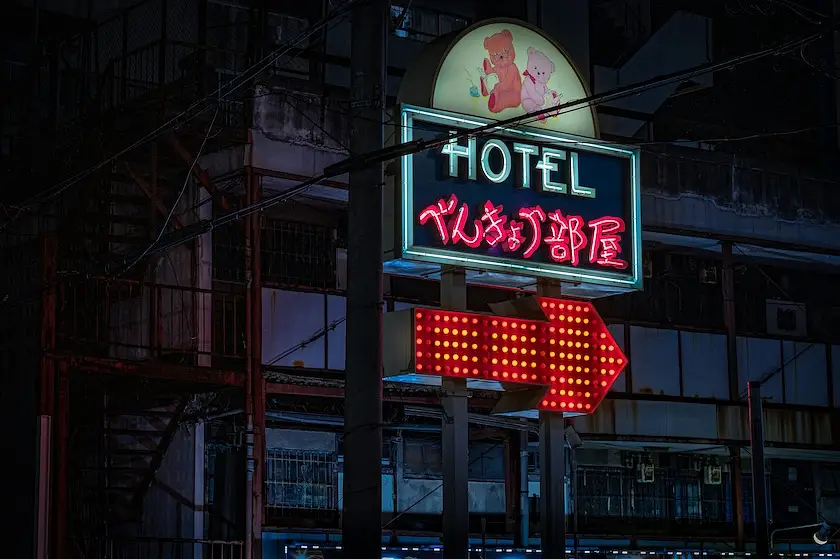
The term “love hotel” might conjure up some wild images, but in Japan, these unique accommodations are more than just a place for a secret rendezvous. They are a world of their own, offering an experience you won’t find in any standard hotel chain. You’ll spot them tucked away in vibrant entertainment districts or discreetly positioned near highway interchanges, often marked by their flashy-yet-private entrances.
While originally designed for couples, today they attract a wide range of guests, from curious travelers seeking a quirky stay to solo adventurers wanting unparalleled privacy. Expect an atmosphere that can range from playfully extravagant to sleek and modern, all while maintaining complete anonymity.
Often surprisingly budget-friendly, love hotels offer a fascinating glimpse into a unique side of Japanese culture. This guide will walk you through everything you need to know about navigating this intriguing world.
Love Hotels: Key Details
What can you generally expect from a Love Hotel
Key Details |
Info |
Typical price range |
Rest (classed as a 2-4 hour stay during the day): ¥3,000–¥7,000 Stay (Overnight, typically checking in late): ¥6,000–¥15,000+, with high-end themed rooms costing more. *Room rates can vary greatly depending on the city |
Bathroom |
Always private and en-suite |
Amenities |
Free Wi-Fi, large TV with video-on-demand (including adult content), karaoke machine, mini-fridge, kettle |
Check-in / out |
Check-in: “Rest” is available anytime. “Stay” check-in is typically late, from 8 PM to midnight. Check-out: Usually around 10 AM or 11 AM for a “Stay.” |
Payments |
Often handled via a machine in the room or at a discreet front desk upon departure. While many city locations now accept credit cards, it’s wise to carry cash, as it’s still the norm in some places, especially in more rural areas. |
Language support |
Expect very limited English support, but the systems are highly visual (e.g., you choose a room from a panel of photos), so language is often not a major barrier. |
Best for |
Couples, and solo travelers looking for privacy and a large bathroom. |
Where common |
You’ll find high concentrations in major city entertainment districts (e.g., Tokyo’s Shinjuku and Shibuya, Osaka’s Namba), near major train stations, and clustered around highway interchanges on the outskirts of towns. |
Booking window |
Traditionally walk-in only. However, many can now be booked in advance online through standard hotel sites. |
Cancellation |
Online Bookings: Follows the standard policy of the booking platform. Walk-ins: Not applicable. |
What Is A Love Hotel?
The term “love hotel” (ラブホテル, rabu hoteru) might conjure up extravagant images, but in Japan, these unique short-stay accommodations serve a practical and distinct role in the modern hospitality landscape. Originating in the late 1960s from post-war “tsurekomi yado” (bring-along inns), these establishments originally emerged to provide privacy for married couples living in traditional, multi-generational wooden homes with thin paper walls. Over the decades, they evolved from discreet, minimalist rooms into highly sophisticated, multi-story entertainment hubs featuring high-tech automation, themed architecture, and resort-grade amenities. Today, they are recognizable by their flashy, neon-lit facades or discreet, heavily masked entrances situated near major train stations, vibrant nightlife districts, and expressway interchanges.
While historically tailored for couples, the modern love hotel industry has expanded its appeal to accommodate a broader range of patrons, including solo business travelers seeking quiet work spaces, tourists looking for spacious rooms, and groups of friends hosting private gatherings or cosplay photoshoots. Designed around the concept of absolute discretion, these facilities prioritize customer anonymity through touchless check-in systems, private garage access, and concealed service hatches. Room options span from sleek, boutique-style suites to lavishly themed spaces equipped with private saunas, outdoor jacuzzi tubs, and gaming consoles.
Often offering considerably lower rates per square meter than standard urban business hotels, love hotels provide a practical window into modern Japanese urban design, privacy concepts, and subcultures. Whether you are seeking a spontaneous afternoon rest or planning a unique overnight stay, understanding the operational nuances, billing structures, and cultural etiquette will ensure a smooth and comfortable experience.
What to Expect from a Love Hotel
Privacy and total visual anonymity define the love hotel experience. Modern facilities feature automated lobby check-in kiosks featuring backlit digital panels displaying photos of available rooms. Once selected on a touch screen, the chosen room key is dispensed, or the room door unlocks automatically upon arrival. Entrances often feature frosted glass, privacy screens, and separate entry/exit routes to prevent guests from encountering each other. Front desks, when present, are equipped with small chest-high partition screens so guests only see the clerk's hands.
Room decor varies from minimalist luxury to elaborate themed concepts, including traditional Japanese tatami suites, sci-fi Cyberpunk designs, vintage classroom or train carriage recreations, and fantasy-themed cosplay setups. Inside, guests will find high-end entertainment systems with large flat-screen TVs, surround-sound karaoke, electronic darts, or arcade cabinets. Room service food, drinks, and rental items (such as bath salts, curling irons, or cosplay costumes) are ordered via touch-screen tablets or TV menus and delivered through dual-door pneumatic pass-through hatches, eliminating human contact.
Who is a Love Hotel for?
While primary clientele remains couples, the value proposition extends to several guest profiles. Solo travelers and business professionals benefit from larger room footprints, king-size beds, quiet soundproofed environments, and high-speed Wi-Fi at rates competitive with cramped business hotels. Female solo travelers often appreciate the robust security features, including internal deadbolts, automatic locking doors, and comprehensive CCTV across outer corridors.
Conversely, love hotels maintain strict operational rules. Most properties strictly cap occupancy at two adults per room, making them completely unsuitable for families with children or larger travel groups. Furthermore, accessibility infrastructure (such as elevator ramps or wide door frames) is rare in older properties, and English-speaking front desk staff are rarely present, relying instead on multi-language digital kiosk interfaces.
Pro Tips
When entering a room, observe Japanese domestic shoe etiquette: step out of your outdoor footwear at the genkan (raised entryway threshold) and step directly into provided slippers before touching the main room flooring. Because rooms automatically lock upon entry, ensure you understand the payment machine or key system before shutting the door, as some automated locks will not reopen without settling the bill or contacting the front desk via internal phone line.
In-room amenities are extensive, typically providing skincare sets, hair straighteners, bath additives, and micro-chargers, allowing guests to travel light. However, traditional luggage holding services prior to check-in or post check-out do not exist; utilize station coin lockers or luggage storage services in major transit hubs prior to heading to the hotel district.
While many new hotels in Tokyo and Osaka accept credit cards, be sure to have cash ready if you plan to use a love hotel in a more rural area.
What to Wear at a Love Hotel
No special dress code is needed—just wear your everyday clothes. Once inside, you’ll likely find complimentary bathrobes or gowns waiting for you. And remember to slip off your shoes at the door, just as you would anywhere in Japan.
Where to Find Love Hotels
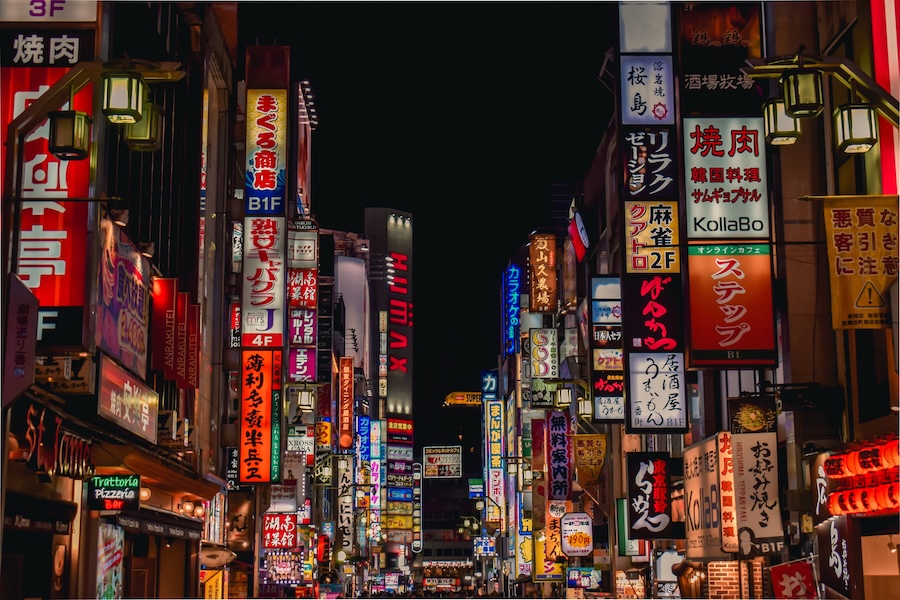
Love hotels are intentionally absent from quiet residential streets due to zoning laws (Fuokuhō regulations). Instead, they congregate in designated commercial zones characterized by dense neon signage, narrow pedestrian alleyways, and proximity to major rail junctions or highway toll booths.
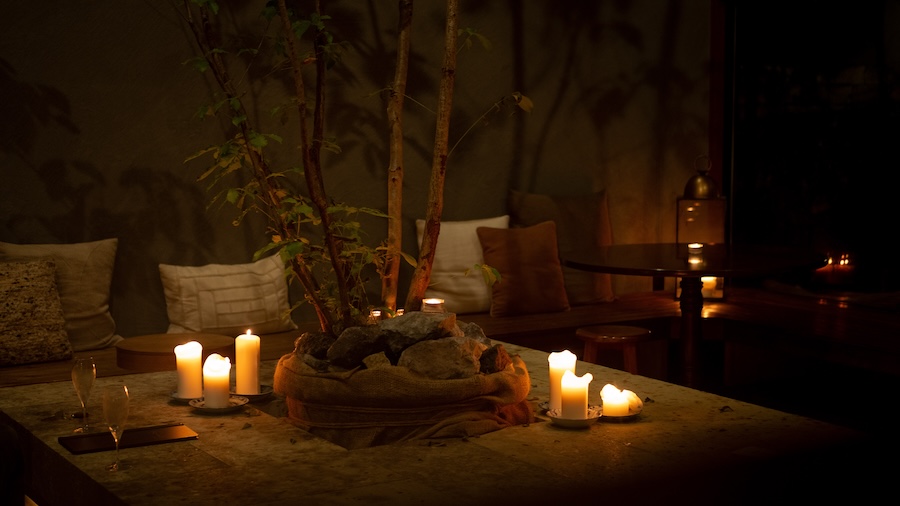
In Tokyo, key clusters include Dogenzaka (literally "Love Hotel Hill") in Shibuya, the backstreets of Kabukicho in Shinjuku (pictured below), the north exit area of Ikebukuro, and Uguisudani along the Yamanote Line. In Osaka, major hubs surround Dotonbori, Namba, and Umeda (Tayamacho). Outside urban cores, roadside love hotels line suburban expressways, offering private garage bays where guests drive directly into a curtained stall connected to their room entrance.
Getting There and Around
Love hotels are almost always located in areas with excellent transport links. You’ll find huge concentrations just a short walk from major JR train stations, especially in nightlife hubs like Shinjuku or Shibuya. This prime positioning makes them a surprisingly convenient base for exploring the city. For navigating within Tokyo, a rechargeable IC card like a Suica or Pasmo is perfect for hopping on subways and local trains.
If you’re planning a multi-city tour of Japan’s most unique accommodations, traveling with a JR Pass offers the best value for long-distance Shinkansen journeys. To find that perfectly themed hotel tucked away in a side street, staying connected with a reliable Pocket Wi-Fi unit is essential for using maps and translation apps. And to ensure a smooth start after a long flight, a personalized airport Meet & Greet service can whisk you away to your first destination without any stress.
Plan and Book
While walk-ins remain standard for short daytime "Rest" stays, weekend overnight stays in popular districts often sell out quickly. Modern reservation platforms like JapanDen and specialized Japanese sites now allow advance booking for selected properties. When choosing a hotel, look for recent renovations or boutique branding; newer properties feature sleek design and updated technology, whereas older Showa-era establishments may feel dated or show signs of wear and heavy tobacco use. Prefer a classic hotel stay? JapanDen has you covered with convenient options across major areas. We’ll be adding more stay types soon—stay tuned! In the meantime, browse JapanDen’s hotel picks for easy planning.
More to Know
Originating in the 1960s as discreet havens for couples, Japanese love hotels have a fascinating history. While their origins were primarily sexual, the concept transformed to embrace a resort-like feel, offering extensive amenities, spa services, and diverse food menus. Today, their use has evolved. You’ll find them used for everything from girls’ nights and cosplay photoshoots to solo travelers seeking a quirky, private space. They’re less a type of hotel and more a unique slice of modern Japanese culture, offering an experience you won’t find anywhere else.
FAQs About Love Hotels
Q: Are love hotels safe and clean?
A: Yes. Most reputable love hotels in Japan are known for being clean, private, safe, and professionally operated.
Q: Can I stay in a love hotel by myself?
A: Yes. Solo travelers are increasingly common guests, especially in large cities.
Q: Can foreigners use love hotels in Japan?
A: Yes. Foreign visitors are generally welcome, especially in major tourist areas such as Shinjuku and Shibuya.
Q: How much does a Japanese love hotel cost?
A: A daytime “rest” usually costs ¥3,000–¥7,000, while overnight stays typically range from ¥6,000–¥15,000 or more depending on the room and location.
Q: Can you walk into a love hotel without a reservation?
A: Yes. Many still operate primarily as walk-in hotels, although online booking is becoming more common.
Q: Why are love hotels so popular in Japan?
A: Privacy plays a major role. Japan’s compact housing and busy cities helped create demand for private short-stay accommodation for couples.
Q: Do love hotels have themed rooms?
A: Yes. Many are famous for elaborate themed interiors ranging from luxury suites and karaoke rooms to fantasy, anime, or castle-inspired designs.
Q: Are love hotels only for couples?
A: No. While couples remain the main guests, solo travelers and curious tourists also use them regularly today.
Q: Do love hotels in Japan have private bathrooms?
A: Yes. Love hotel rooms almost always have private ensuite bathrooms, often with large bathtubs, showers, toiletries, and extra amenities.
Q: Can I leave and come back during my stay?
A: Usually no. Many love hotels do not allow re-entry once you leave, especially for short “rest” stays. Check the hotel’s policy before going out.
Q: Do love hotels require ID or passport?
A: If you book online or stay overnight, you may be asked for identification, especially as a foreign visitor. Walk-in systems can vary by hotel.
Q: Are love hotels legal in Japan?
A: Yes. Love hotels are legal, licensed accommodation businesses in Japan and are widely used in major cities and along highways.
Q: Is there an age restriction for love hotels in Japan?
A: Yes. Guests generally must be at least 18 years old to stay in a love hotel in Japan, although policies can vary slightly depending on the property. Some hotels may ask for identification or passport verification at check-in.
Q: Is staff available if I need assistance or have an emergency?
A: Yes. Although face-to-face interaction is minimized, every room features an in-room telephone directly connected to the front desk staff, who are available 24/7 for technical assistance, room service, or emergencies.
Q: What should I do with large luggage if the hotel has no front desk storage?
A: Because love hotels generally lack lobby concierge desks or luggage storage rooms, you should store oversized suitcases in coin lockers or luggage holding services at nearby major train stations before arriving.
Q: Can I leave the hotel room temporarily during an overnight stay and return later?
A: Typically no. The automated door locks engage upon entry, and leaving the room usually registers as a check-out. If you must step out, you will usually need to call the front desk and pay a deposit or settle your current tab before leaving.
People Also Ask
Q: How do you select a room in a love hotel?
A: Most love hotels feature an automated digital panel in the entrance lobby showing pictures of available rooms. Selecting an illuminated photo chooses your room, dispensing a key or unlocking the door automatically.
Q: What is the difference between "Rest" and "Stay"?
A: A "Rest" (休憩, kyūkei) refers to a short stay of 2 to 4 hours during the day, whereas a "Stay" (宿泊, shukuhaku) covers an overnight stay usually starting late in the evening around 8 PM to midnight until mid-morning.
Q: How are food and room service delivered without staff interaction?
A: Food, beverages, and rental items ordered via the in-room TV or tablet are delivered through dual-door pneumatic pass-through hatches, maintaining full privacy and avoiding direct contact with staff.
Q: Can more than two people stay in one room?
A: Generally, no. Most love hotels strictly enforce a limit of two adults per room, though some select properties permit group gatherings or cosplay photoshoots.