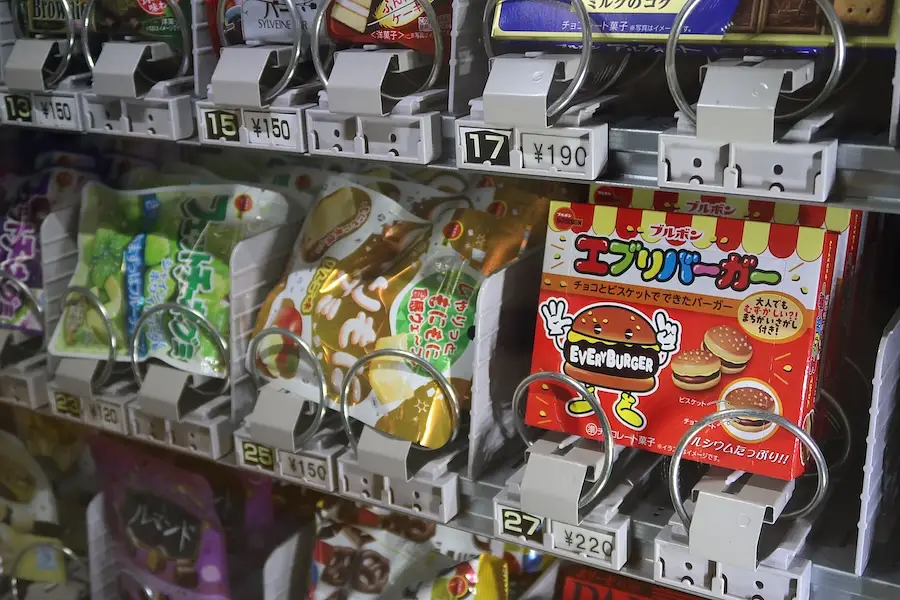
A vending machine dream
Vending machines are literally everywhere in Japan. At first glance, they may seem ordinary, just another part of the urban landscape. Yet their sheer number is remarkable.
Estimates vary, but Japan is believed to have roughly 4 to 5 million vending machines nationwide, or about one for every 25 to 30 people—among the highest per-capita concentrations in the world.
Most sell drinks, from canned coffee to bottled tea. But even a “standard” machine can surprise overseas visitors, and beverages are only the beginning. Across the country, vending machines dispense everything from hot meals and fresh produce to alcohol, ice cream, souvenirs, and emergency supplies, reflecting a technology that has quietly reshaped everyday life.
From Novelty to Necessity
In Japan, vending machines are known as jihanki, short for jidohanbaiki, meaning “automatic selling machine.” Their origins date to the Meiji era (1868–1912), when Japan was rapidly modernizing and adopting Western technologies.
One of the earliest domestic machines was patented in 1888 by Tawaraya Koshichi, whose device dispensed stamps and postcards. Though modest in scale, it represented an early experiment with automated retail during a period of intense industrial transformation.
Vending technology expanded in the early 20th century through cigarette machines, particularly after the government established a tobacco monopoly in 1904. These machines standardized pricing and distribution, helping familiarize the public with self-service retail.
After World War II, rapid urban growth and rising incomes created ideal conditions for vending machines to flourish. Beverage companies invested heavily in automated distribution, with Coca-Cola Japan leading a major expansion of vending networks during the 1960s.
A key innovation came in the 1970s with machines capable of dispensing both hot and cold drinks. Heated canned coffee, tea, and soup became a distinctive feature of Japan’s vending culture. By the 1980s, the country had more than five million machines nationwide.
Since then, innovation has continued. IC card payments introduced in the 2000s, including compatibility with cards such as Suica and PASMO, further streamlined transactions, while modern machines now support mobile payments, digital displays, and remote monitoring.
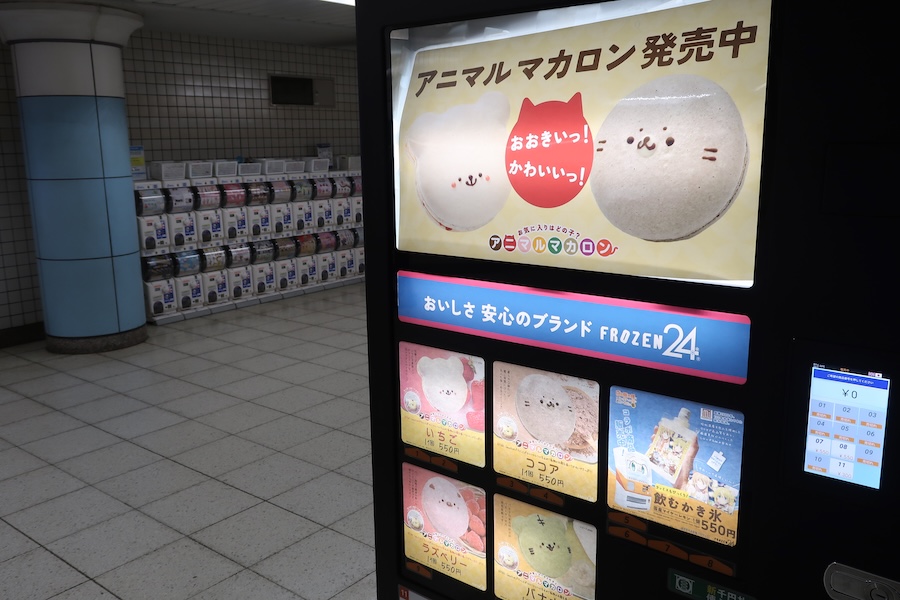
Unexpected Items at the Push of a Button
While beverages dominate Japan’s vending machine landscape, they represent only part of the story. Across Japan, vending machines dispense everything from everyday snacks to highly specialized items, reflecting both practicality and creativity.
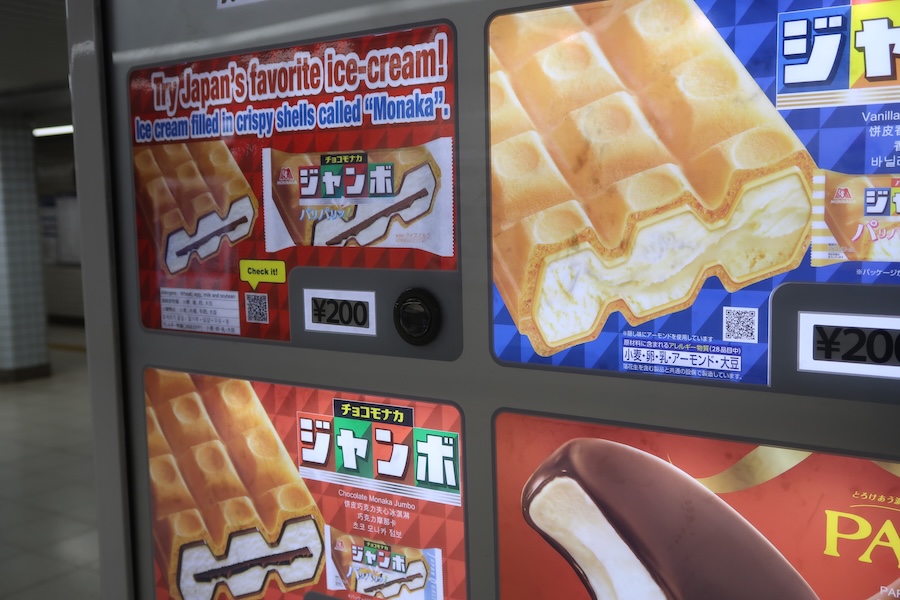
Ice Cream
While not unique to Japan, ice cream vending machines are commonly found at train stations, shopping centers, tourist attractions, and even scenic lookout points, offering a quick dessert without the need to step inside a store.
The most recognizable example is Seventeen Ice, produced by Ezaki Glico. Introduced in 1983 and designed specifically for vending machine distribution, Seventeen Ice machines have become commonplace across the country. The brand’s tall, slim cups—each with a small plastic spoon tucked into the lid—are instantly familiar to many in Japan. Flavors range from vanilla and chocolate to matcha, soda float, and limited-edition varieties that change seasonally.
Bananas
Fresh fruit might seem like an unlikely vending machine item, yet bananas have become a familiar sight in certain parts of Japan. Banana vending machines first gained attention in Tokyo back in the 2010s, when companies such as Dole began installing refrigerated units in high traffic areas.
The appeal lies in simplicity. Bananas require no preparation, no utensils, and minimal packaging. For busy urban workers, they provide a relatively healthy alternative to processed snacks. Over time, similar machines have appeared selling other fresh items as well, including apples, mikan (mandarin oranges), and even seasonal produce—depending on region and supplier.
Alcohol
Alcohol vending machines were once far more common in Japan than they are today. In the latter half of the 20th century, it was not unusual to find machines selling canned beer, sake, and other alcoholic beverages outside small shops or even residential streets. In a country with a well-established after-work drinking culture, alcohol vending machines were a natural fit.
Today, alcohol vending machines still exist, but they are less widespread. Those that remain are often located outside licensed liquor stores and may restrict late-night sales or require age verification measures. In practice, convenience stores and supermarkets have largely replaced vending machines as the primary retail channel for alcohol.
Cigarettes
Cigarette vending machines were once among the most common non-beverage vending machines in Japan. For decades, they stood outside tobacco shops, on street corners, and near train stations, offering a convenient way to purchase cigarettes at any hour. At their peak, Japan had one of the highest numbers of cigarette vending machines in the world.
Like alcohol vending machines, however, tighter regulation gradually reduced their presence.
Soup Stock (Dashi)
Among the more distinctly Japanese examples are vending machines that sell soup stock (dashi), which is used in countless dishes. Bottled dashi machines first began appearing in the 2010s and are usually operated by specialty producers promoting regional ingredients such as bonito (katsuobushi) or kelp (kombu). The bottles are typically clear, revealing whole dried fish or seaweed suspended inside, emphasizing the product’s freshness.
At first glance, these machines can resemble standard vending machines. However, many display a prominent warning—usually in English—stating that the contents are not meant to be consumed as a drink. The notice is primarily aimed at tourists who might mistake the neatly packaged stock for tea or a drinkable broth. In reality, the liquid is concentrated and designed for cooking.
Gyoza
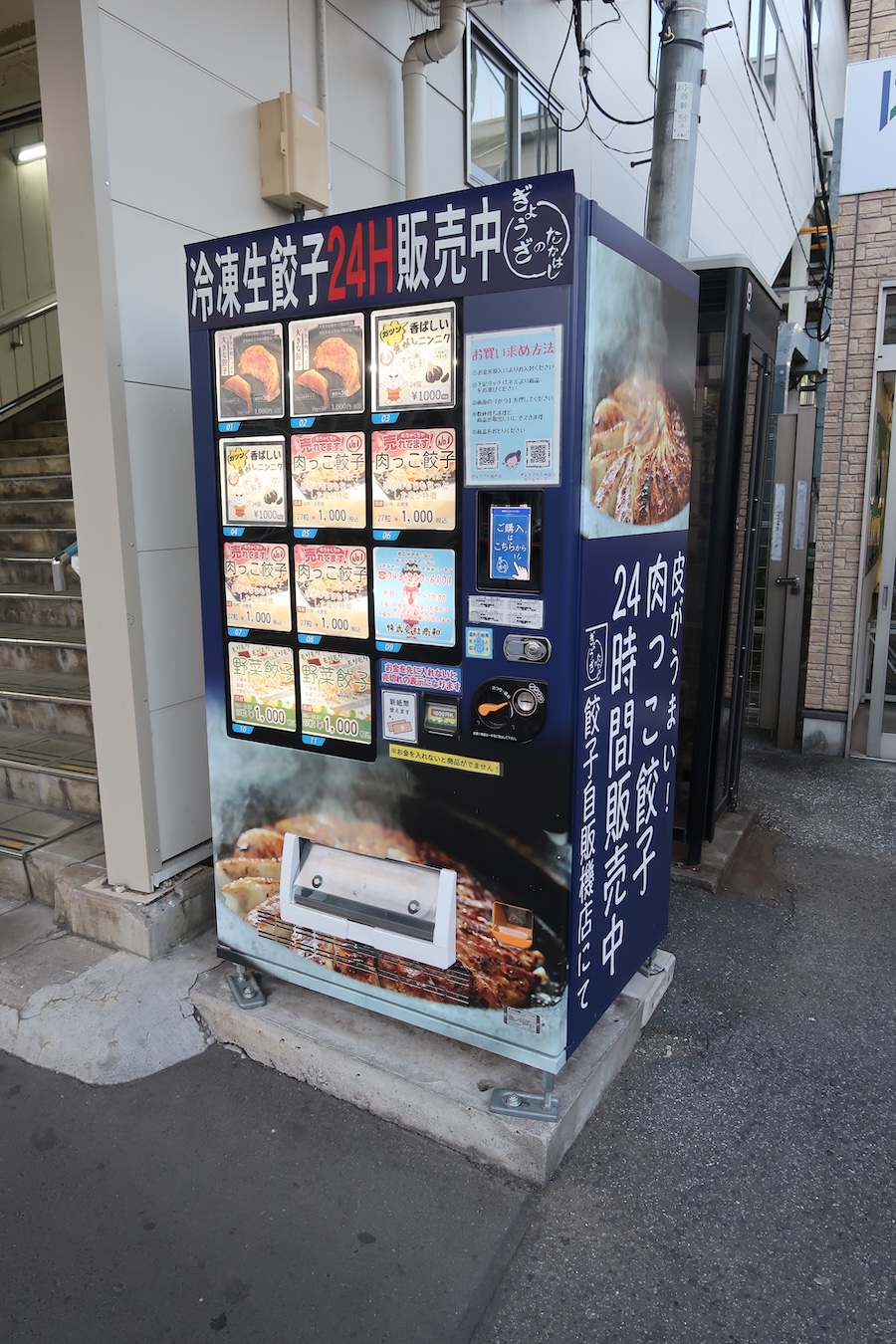
If bottled soup stock feels unexpected, vending machines selling gyoza (pan-fried dumplings) push the concept even further. In recent years, frozen gyoza vending machines have appeared outside specialty restaurants and along quiet neighborhood streets, allowing customers to purchase restaurant-quality dumplings at any hour.
Most of these machines are stocked by local eateries seeking to expand their reach beyond regular business hours. The dumplings are typically sold frozen in neatly packaged trays, ready to be pan-fried at home.
Castella
From savory dumplings to sweet confections, vending machines in Japan have also begun dispensing castella, the sponge cake with roots in 16th-century Portuguese trade. Long associated with Nagasaki, castella has become a nationally recognized dessert, and in recent years, frozen versions have appeared in automated vending units.
Like gyoza machines, many castella vending machines are operated by local bakeries or regional specialty shops. The cakes are typically pre-sliced, carefully packaged, and sold frozen to preserve texture and freshness. Customers can thaw them at home, allowing small producers to extend their reach beyond storefront hours without compromising quality.
POM
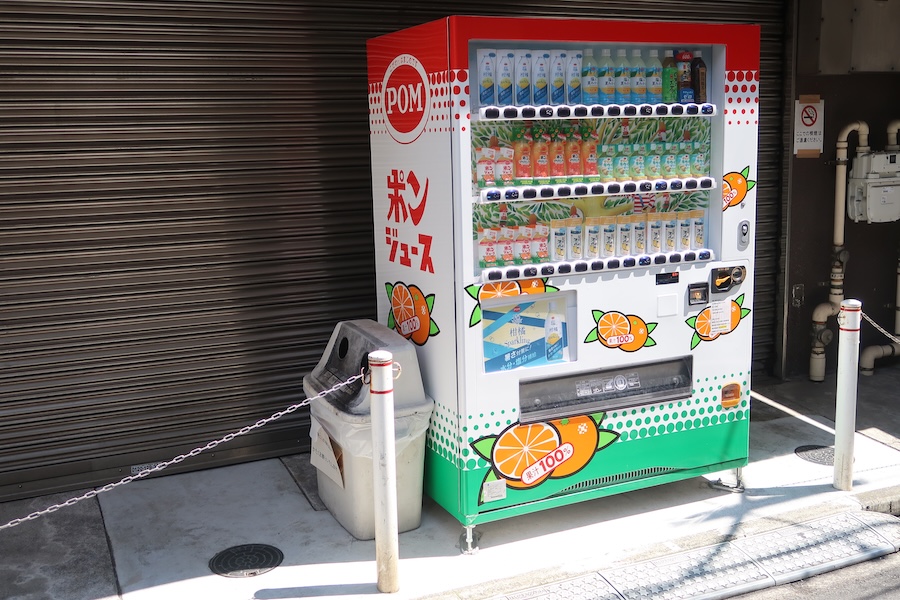
Few vending machines are as regionally symbolic as those stocked with POM, a well-known mikan juice brand from Ehime Prefecture.
One notable example stands in Akihabara, Tokyo—a dedicated POM machine often described as a showcase unit. It is stocked with a wide range of the company’s products, including limited-edition and hard to find varieties not always available in regular stores, making it something of a minor destination for POM enthusiasts.
Hanko Seal
Not all vending machines in Japan sell food or drink. Some dispense something far more culturally specific: hanko, personal name seals used in place of handwritten signatures. While digital identification has become more common in recent years, hanko remains widely used in Japan for contracts, banking documents, and official paperwork.
Hanko vending machines are often found in shopping centers or near government offices, offering customers the ability to produce a personalized seal within minutes. After selecting the appropriate kanji or entering a name, the machine engraves the seal on the spot.
Capsule Toys (Gachapon)
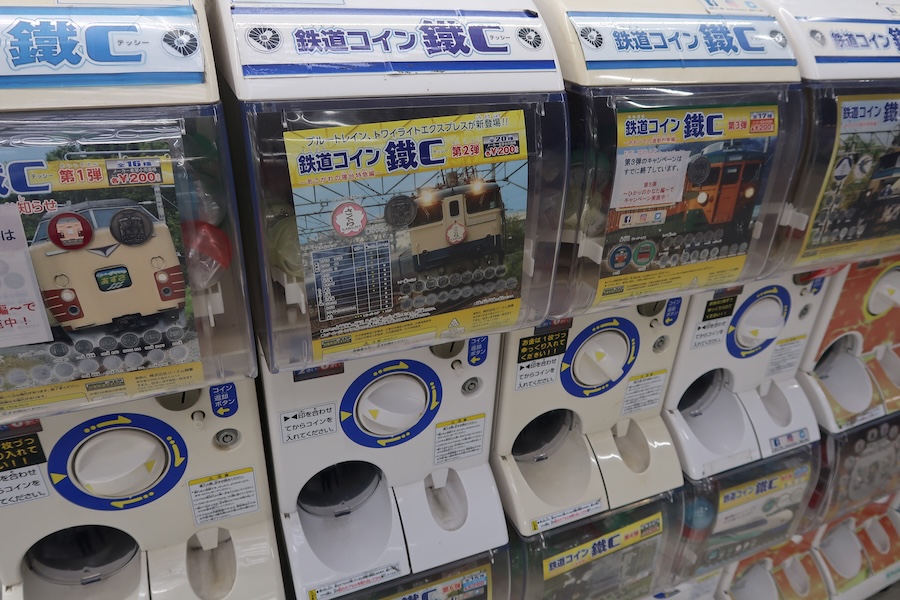
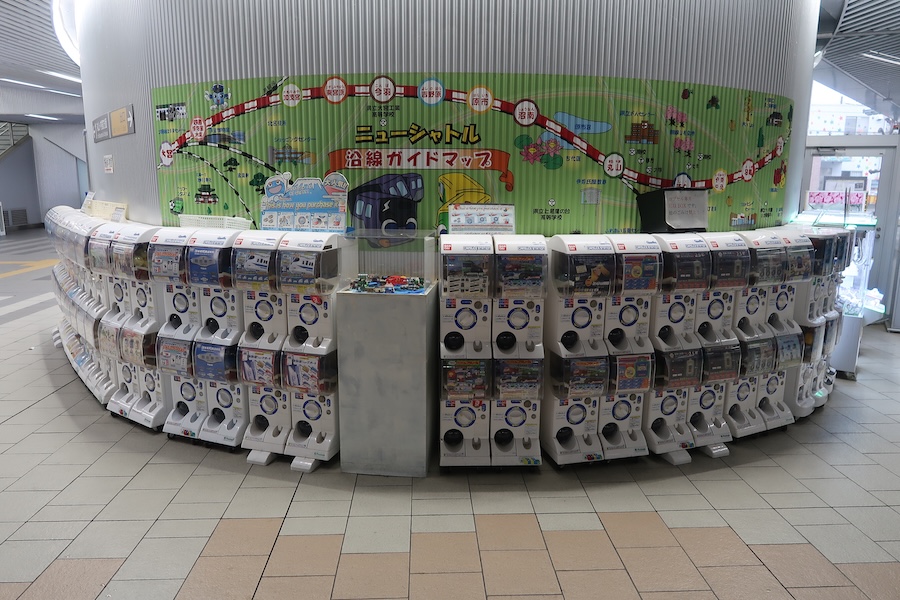
Beyond practicality, Japan’s automated retail culture also embraces fun. Capsule toy machines—commonly known as gachapon or gashapon—dispense small collectibles sealed inside plastic spheres. The name mimics the sound of the crank turning (gacha) and the capsule dropping (pon), something that has become instantly recognizable across the country.
Unlike beverage machines, gachapon units are typically arranged in dense clusters inside shopping centers, arcades, and train stations. The toys range from miniature animals and anime characters to highly detailed replicas of everyday objects. Many are released in limited series, encouraging repeat purchases.
Whipped Cream
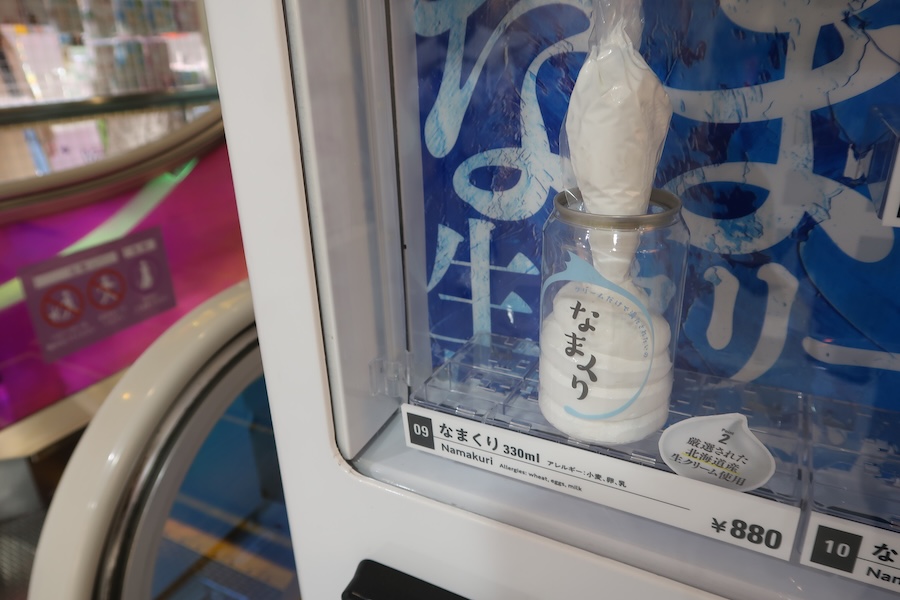
Among the more unexpected offerings are vending machines that sell whipped cream—not as a baking ingredient, but as a ready-to-eat snack. Typically packaged in pressurized cans or sealed cups, the whipped cream is eaten with an included spoon.
Some machines even offer multiple flavors, ranging from classic vanilla to chocolate or strawberry varieties.
Bug Snacks
At the far edge of Japan’s vending machine spectrum are machines selling insect-based snacks. Typically packaged and shelf-stable, these products may include roasted crickets, mealworms, or other edible insects seasoned much like conventional snack foods. The machines are often found in niche retail areas, tourist districts, or as part of promotional campaigns rather than in everyday residential neighborhoods.
Though still uncommon, insect vending machines reflect a growing interest in alternative protein sources and sustainable food production.
Pro Tips
Japan’s vending machines are woven into daily life, but they are only one small part of what the country has to offer. From the streets of Tokyo to regional towns known for their local specialties, there is just so much to explore. For those planning to travel between cities, a Japan Rail Pass or Regional Pass can make longer journeys more convenient and cost-effective.
Wherever your itinerary leads, reliable internet access can make navigating stations, reading maps, and translating menus far easier. A Pocket Wi-Fi device ensures essential information—from directions to train schedules—remains readily accessible throughout your trip.
First-time visitors may also benefit from Meet & Greet services at the airport, which can help ease the transition into a city as large and fast-paced as Tokyo.
FAQs for Vending Machines in Japan
How do you pay at vending machines in Japan?
Most vending machines in Japan are easy to use. Payment options can vary, however. Many machines accept cash and IC payment, and an increasing number now support credit cards and mobile payment. Some machines remain cash-only though, while others operate exclusively with IC or digital payment. Before making a selection, it’s best to check the payment icons displayed near the coin slot or card reader.
How can you tell if a drink is hot or cold?
Japanese beverage machines often sell both hot and cold drinks, and sometimes the same product is available in two temperature options. Heated drinks are typically labeled あたたかい or ホット (hot) and are often displayed in red. Cold beverages are marked つめたい or コールド (cold) and usually appear in blue. Checking the label before purchasing helps ensure you get the temperature you expect.
Are recycling cans attached to vending machines?
Generally, yes. Many beverage vending machines in Japan include a small recycling can designed specifically for PET bottles and aluminum cans. Public trash bins are relatively rare in Japan, so these attached containers provide a convenient way to dispose of empty drink containers immediately after use.
Do vending machines help during emergencies?
Yes. Some vending machines in Japan are programmed to assist during disasters. In the event of a major earthquake or other emergency, certain machines can automatically unlock, allowing nearby residents to access bottled drinks or food free of charge. This feature reflects how vending machines are sometimes integrated into local disaster preparedness systems.
Do vending machines accept foreign credit cards?
Generally speaking, yes. Most modern machines that accept contactless payments will work with international credit cards. However, some older machines remain cash-only, so carrying coins is still advisable.