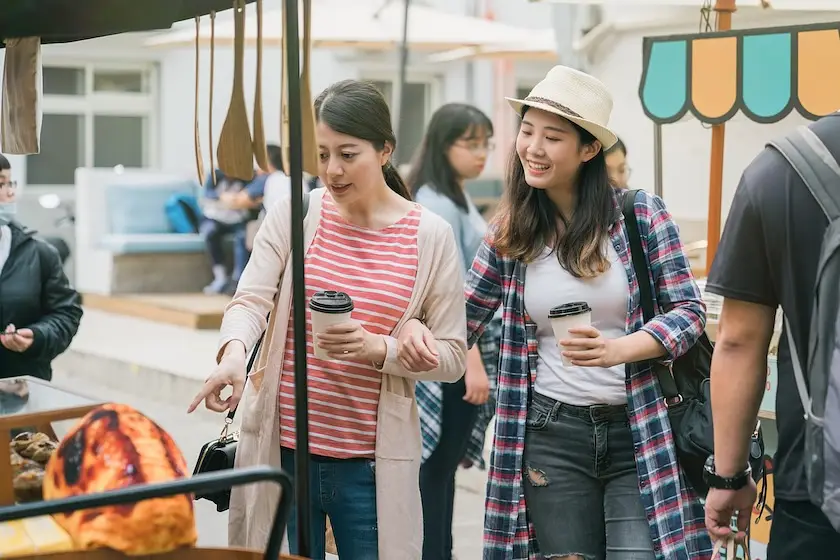
Let's go on a treasure hunt on the weekend in Tokyo!
Venue: Yoyogi Park
When: Weekends (Varies by Organizer)
Various flea markets are held at Yoyogi Park on weekends. Organised by different hosts, you can enjoy a completely different atmosphere depending on the day you visit.

Yoyogi Park Flea Market Key Details
The flea market at Yoyogi Park is held by different organisers throughout the year, so there is no fixed weekly schedule. It is often held on weekends, but not every weekend. Before visiting, check the latest organiser updates, event listings, or the Yoyogi flea market Instagram account.
Detail |
Info |
|---|---|
Dates |
Varies by organiser and event. Often held on selected weekends, not every weekend. |
Opening Hours |
Daytime flea markets commonly run around 9:00 AM to 3:00 PM, but hours vary by event. |
Location |
Yoyogi Park Event Plaza / event area, Tokyo |
Admission |
Usually free for visitors |
Official Website / Updates |
|
Nearest Stations |
JR Harajuku Station, Tokyo Metro Yoyogi-kōen Station, Tokyo Metro Meiji-jingūmae (Harajuku) Station, or Odakyu Yoyogi-hachiman Station |
Access |
Around 3 minutes on foot from Harajuku, Yoyogi-kōen, or Meiji-jingūmae, and around 6 minutes from Yoyogi-hachiman, depending on the event area. |
Pro Tip |
If you are visiting Tokyo as part of a wider Japan itinerary, you can also book train tickets between Tokyo and Kyoto in advance to make longer-distance travel smoother before adding local stops like Harajuku or Yoyogi Park. |
What to Expect at Yoyogi Park Flea Market
At Yoyogi Park, the following types of markets are primarily held, each offering a completely different experience.
Traditional treasure hunt flea market: The most classic style, where second-hand clothing, household goods, and miscellaneous items brought by locals are crammed together. The greatest appeal is the thrill of the hunt, never knowing what you might discover.
Stylish Antique Market: Boasting a sophisticated atmosphere reminiscent of European flea markets, it gathers curated items like antique knick-knacks, vintage goods, and records. Occasional live music performances make it enjoyable even just to stroll through.
Earth-conscious Festival Market: Held as part of large-scale events focused on environmental protection and sustainability. Discover organic foods, eco-products, and NPO initiatives, engaging with social messages through your purchases.
Night Market: The real action begins after dark at this urban market. Immerse yourself in a fusion of delicious food and drinks, music, and shopping, experiencing the park's entirely different character after sunset.

Who is Yoyogi Park Flea Market For?
Yoyogi Park Flea Market is for anyone who enjoys browsing, people-watching, and finding something a little unexpected in the middle of Tokyo. Because different flea markets and themed events are held throughout the year, the atmosphere can change from one visit to the next.
Bargain hunters: Traditional flea markets are ideal if you enjoy searching for affordable clothing, accessories, books, records, toys, and small household items. Arriving early gives you the best selection, while later in the day may bring better chances of a small discount.
Vintage and antique enthusiasts: Some markets focus more on vintage fashion, retro goods, antiques, and one-of-a-kind pieces. These are especially worth visiting if you enjoy second-hand shopping or want to find something more personal than a typical souvenir.
Families and eco-conscious travellers: Festival-style markets can be a fun way to introduce children to reuse, recycling, and sustainable shopping. The park setting also makes the experience feel more relaxed than browsing in a busy shopping mall.
Foodies and evening walkers: When night markets or food-focused events are held, Yoyogi Park becomes a lively place for casual snacks, evening strolls, and a different side of Tokyo after dark.
It is also a great opportunity to experience a more everyday side of Tokyo. The atmosphere is usually welcoming and relaxed, and you can enjoy browsing even if you do not speak Japanese. A smile, simple gestures, and cash in small notes are often enough.
Pro Tips
A little planning makes the Yoyogi Park Flea Market much easier to enjoy. Because the market is outdoors and the schedule can vary by organiser, it is best to treat the details as a guide rather than a guarantee. Check the latest event information before you go, especially if the weather looks uncertain.
Recommended Visiting Times
For the best selection, aim to arrive around 9:00 AM, when the market usually opens and stalls are still fully stocked. If you are more interested in bargains, later in the day can be better, especially around 2:00 PM as closing time approaches. Just keep in mind that the best items may already be gone by then.
What to Bring
Cash: Many flea market stalls do not accept credit cards, so bring cash, especially coins and ¥1,000 notes. Small change makes quick purchases much easier and avoids awkward delays at busy stalls.
Reusable bag: Bring a reusable shopping bag for clothes, books, accessories, records, or small antiques. Some sellers may not provide bags, and carrying everything by hand gets annoying fast.
Comfortable footwear: Yoyogi Park is large, and you may end up walking more than expected between the market, nearby stations, Harajuku, and the park itself. Comfortable sneakers or sturdy walking shoes are the safest choice.
Moving Around the Venue
The flea market is commonly held around the Yoyogi Park Event Plaza or nearby event areas, and some markets may also use the zelkova tree-lined avenue beside the park. The Event Plaza feels more open and easy to browse, while the tree-lined avenue has a pleasant, shaded atmosphere on clear days. Because layouts can change by organiser, follow on-site signs and the flow of stalls when you arrive.
Weather
Because this is an outdoor event, it is often cancelled in the event of rain or poor weather. If the forecast looks uncertain, check the organiser’s Instagram or event listing before leaving your hotel. It is also worth checking the morning of your visit, as cancellations can be announced close to the event time.
What to Wear at Yoyogi Park Flea Market
Yoyogi Park Flea Market is an outdoor event, so dress for walking, browsing, and spending time in the open air. Comfortable shoes are essential, as you may be moving between stalls, standing in narrow aisles, or walking on paved paths and park ground.
In summer, wear light clothing, a hat, sunglasses, and sunscreen, as the open areas can feel hot during the day. In colder months, dress in layers so you can stay warm while browsing but adjust easily if the sun comes out. A crossbody bag or small backpack is also useful, since it keeps your hands free for checking clothes, holding purchases, and paying at stalls.

How to Get to Yoyogi Park Flea Market
Yoyogi Park Flea Market is usually held around the Yoyogi Park Event Plaza or nearby event areas, on the NHK side of the park. The easiest approach is usually from Harajuku Station or Meiji-jingūmae Station, then walking toward Yoyogi Park’s event area.
JR Harajuku Station: Around 3 to 5 minutes on foot to the park entrance, then a little farther to the event area.
Tokyo Metro Meiji-jingūmae (Harajuku) Station: Around 3 to 5 minutes on foot to the park entrance.
Tokyo Metro Yoyogi-kōen Station: Around 3 to 5 minutes on foot to the park, convenient for the western side.
Odakyu Yoyogi-hachiman Station: Around 6 to 10 minutes on foot, depending on the exact event location.
On event days, look for signs, tents, and stall rows around the Event Plaza area. Yoyogi Park is large and often hosts multiple events at once, so check the organiser’s latest map or Instagram post before leaving, rather than relying only on the crowd flow.
Nearby Recommendations
Yoyogi Park's flea market offers more than just the market itself. Surrounding it are some of Tokyo's most charming areas, perfect for a full day of exploration.
【Tranquility and Tradition】
Meiji Jingu: Just a short walk from the bustle of the flea market lies an urban oasis. Walking along the lush approach path, the solemn main shrine appears, enveloped in such profound silence you might forget you're in Tokyo. This is an essential spot if you wish to experience Japan's traditional spiritual culture.
【Pop Culture】
Harajuku and Takeshita Street: This street is world-famous as the birthplace of the “kawaii” (cute) culture. Simply strolling along, perhaps with a colourful crêpe or candyfloss in hand, while browsing the unique fashion and accessory shops is enjoyable. It's a place where you can feel the energy of Japanese youth culture firsthand.
【Sophistication and Art】
Omotesando and Cat Street: Omotesando, often dubbed ‘Japan's Champs-Élysées’, is lined with flagship stores of famous brands, beautiful architecture, and stylish cafés. Just one street back, Cat Street is perfect for strolling, dotted with unique select shops and vintage clothing stores, connecting Harajuku and Shibuya.
【Life at a Crossroads】
Shibuya: One of the world's most famous intersections, Shibuya Scramble Crossing (pictured below) epitomises Tokyo's energy. Don't forget to take a commemorative photo in front of the Hachiko statue. It's also a fierce battleground for ramen, gathering every kind of food and entertainment from the latest commercial facilities to old-fashioned izakaya alleys.

More About Yoyogi Park Flea Market
The flea market at Yoyogi Park is more than just a place for buying and selling; it serves as a mirror reflecting changes in Tokyo's consumer culture and lifestyles.
Its origins lay in grassroots recycling activities by citizens, rooted in the spirit of “mottainai” – valuing possessions. It began as a community space connecting household unwanted items with their next users. Later, alongside the vintage clothing boom, it evolved into a place where young people sought unique “one-off” items for self-expression.
Now, in an era of material abundance, people have shifted from merely “owning” goods to valuing the “empathy” for the stories and makers' intentions behind them, and the “experience” gained. Events like “Earth Day”, centred on environmental themes, gain popularity not just for buying eco-products, but for the experiential value of connecting with like-minded individuals and participating in social contribution.
Adjacent to the cultural hubs of Harajuku and Shibuya, Yoyogi Park – an open space where anyone can gather freely – has embraced this shift in times. It has become a cultural hub where diverse markets naturally emerge. Visiting a flea market is precisely how one experiences the “now” of Tokyo as a city.
Planning Your Visit
A visit to Yoyogi Park Flea Market is easy to fit into a Tokyo itinerary, especially if you are already exploring Harajuku, Meiji Shrine, Omotesando, or Shibuya. Since the market is outdoors and dates can vary, a little planning will help you avoid wasted travel time and make the most of your browsing.
Accommodation: If you want to stay close to the action, book hotels around Shibuya, Shinjuku, Harajuku, or Omotesando. Weekends can be busier, especially when Yoyogi Park is hosting multiple events, so it is worth booking hotels early.
Transport: Yoyogi Park is easy to reach by local train or subway, especially via Harajuku Station, Meiji-jingūmae Station, Yoyogi-kōen Station, or Yoyogi-hachiman Station. A JR Pass is useful if the flea market is part of a wider Japan itinerary, while a Regional Pass may make sense if you are combining Tokyo with nearby destinations. For a simple Tokyo day out, an IC card is usually enough.
Communication: A Pocket Wi-Fi or SIM card is useful for checking the organiser’s latest updates, confirming whether the market is running, using maps, and translating stall signs while you browse.
Etiquette: Cash is still the easiest way to pay at flea markets, especially for small items, so bring coins and ¥1,000 notes. Bargaining is not a major part of shopping culture in Japan, although some vendors may offer a small discount near closing time.
Support upon arrival in Japan: If this is your first time in Japan, or you simply want a smoother start to your trip, a Meet & Greet service can help you get from the airport to your accommodation with less stress before you begin exploring Tokyo.
FAQs About Yoyogi Park Flea Market
Q: What are the opening hours for the Yoyogi Park Flea Market?
A: This varies depending on the specific market held. Daytime markets typically run from around 9:00 am until around 3:00 pm, whilst night markets are held until around 10:00 pm.
Q: Where is the largest flea market in Tokyo?
A: The flea market at Yoyogi Park can be one of the largest in the city depending on the event held, and is extremely popular.
Q: What is the admission fee for the Yoyogi Park Flea Market?
A: Admission for visitors is free.
Q: Can I use a credit card?
A: As most stallholders are individuals, please assume credit cards are not accepted. To enjoy your shopping, it is advisable to ensure you have sufficient cash (particularly thousand-yen notes and small change) to hand.
Q: Is it possible to negotiate the price?
A: At Japanese flea markets, significant price negotiation is not common. However, if you ask politely, they may occasionally offer a slight discount. Particularly towards the end of an event, or when purchasing multiple items at once, there may be an opportunity to negotiate.
Q: Where exactly is the Yoyogi Park Flea Market held?
A: The market is usually held around the Yoyogi Park Event Plaza or nearby event areas, close to the NHK side of the park. As the exact layout can vary depending on the organiser, it is best to check the latest event information before visiting.
Q: What can I buy at the Yoyogi Park Flea Market?
A: You can typically find second-hand clothing, vintage accessories, books, records, toys, homeware, handmade items, and small antiques. The selection changes with each market, which is part of the fun.
Q: Is the Yoyogi Park Flea Market held if it rains?
A: As it is an outdoor event, the flea market is often cancelled in the event of rain or bad weather. If the forecast looks uncertain, check the organiser’s latest update on the day before heading out.
Q: Can I bring large luggage to the flea market?
A: It is better not to bring large suitcases, as the market can get crowded and the paths may be narrow. If you are coming before check-in or after check-out, use a station locker or hotel luggage storage first.
Q: Is the Yoyogi Park Flea Market suitable for families?
A: Yes, it can be a fun stop for families, especially because it is outdoors and free to enter. However, weekends can get busy, so families with strollers may find it easier to visit earlier in the day.