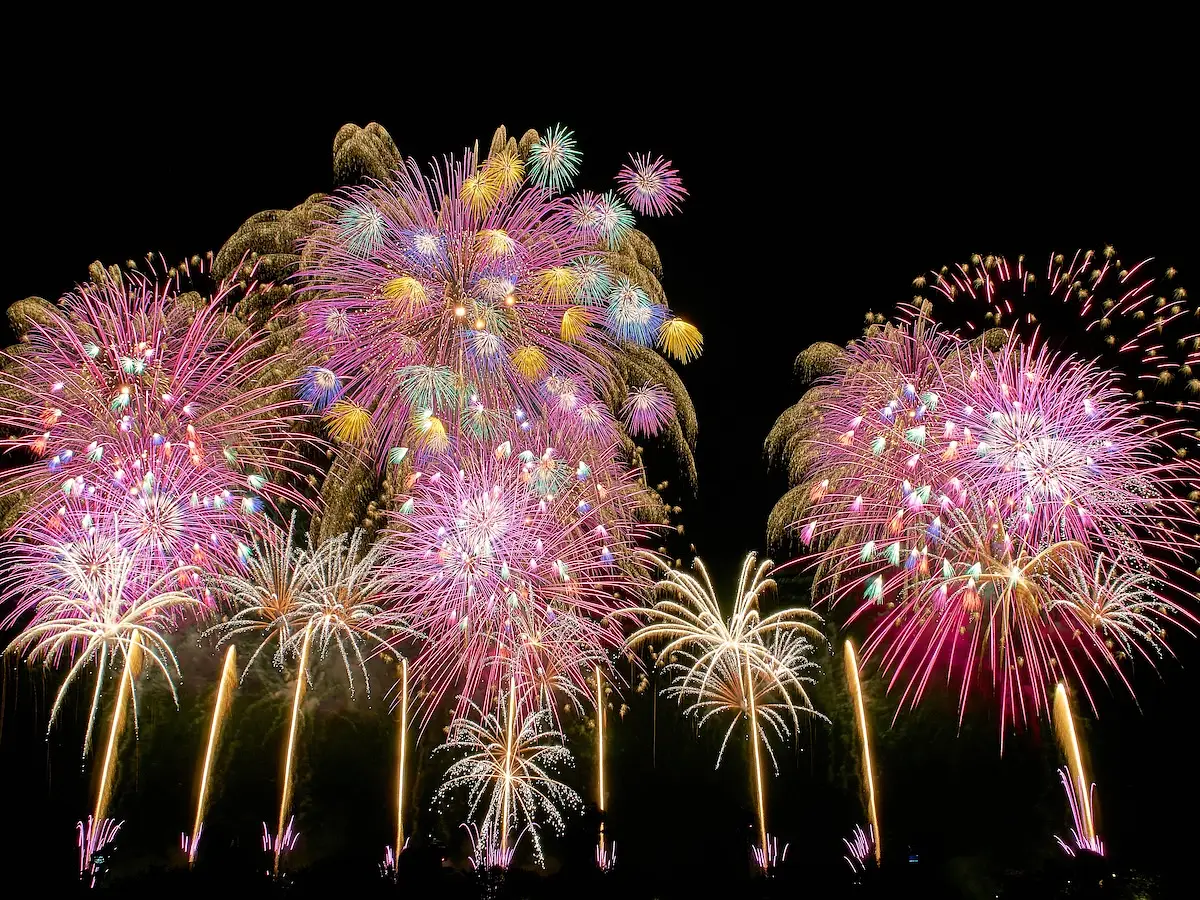
Japan's Autumn Hanabi Rivalry
Venue: Sakuragawa Riverbed, near Gakuen Ohashi Bridge, Tsuchiura, Ibaraki
When: Saturday, November 7, 2026, around 5:30 PM–8:00 PM
The Tsuchiura All Japan Fireworks Competition is one of only two festivals where pyrotechnicians compete for the Prime Minister's Award, and the only "Big Three" fireworks festival held in autumn. About 20,000 shells light up the Sakuragawa riverbed before huge crowds, per Ibaraki's official tourism guide. It's an easy Joban Line day trip from Tokyo, and November's clear air makes the colors read more vividly than summer haze allows.
Tsuchiura All Japan Fireworks Competition 2026 Key Details
Here's the essential information at a glance, with anything unconfirmed for 2026 flagged for the official site.
Key Details |
|
Dates |
November 7, 2026 (postponed to Nov. 14 if severe weather) |
Time |
~5:30 PM–8:00 PM |
Location |
Sakuragawa riverbed, near Gakuen Ohashi Bridge, Tsuchiura |
Admission |
Paid seating only; lottery via Ticket Pia |
Official Website |
|
Nearest Station |
Tsuchiura Station (JR Joban Line) |
Organizer |
Tsuchiura All Japan Fireworks Competition Committee |
Tickets and Admission
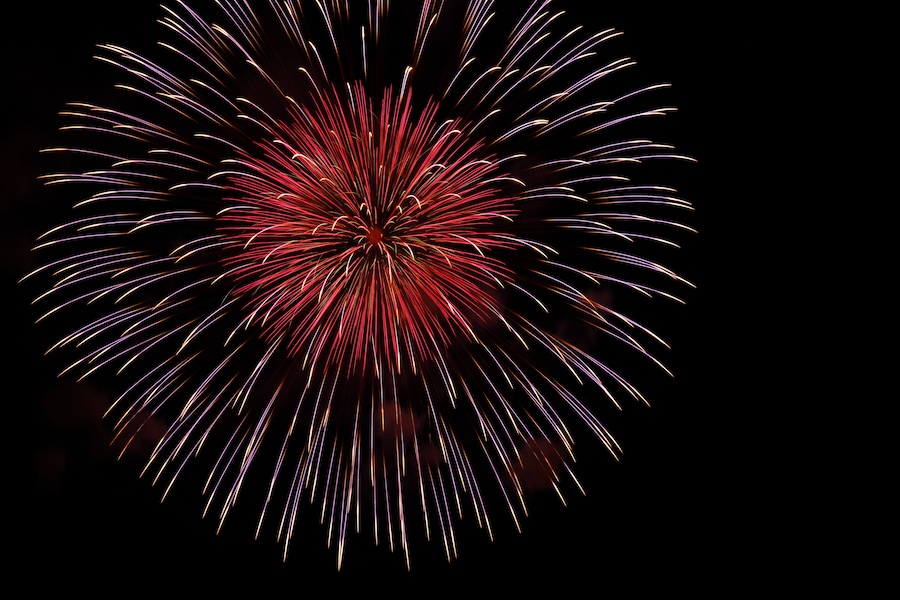
Riverside seats sell only through an online Ticket Pia lottery — no box office, no walk-ups, and free general viewing ended in 2022.
Based on 2025 pricing, a full box (up to 4) ran about ¥26,000, a half box (up to 2) about ¥13,000. Overseas buyers often struggle, since Ticket Pia usually needs a Japanese phone number for SMS verification. Confirm 2026 pricing on the official site.
For free options, consider the Kasumigaura Comprehensive Park and the area near Aeon Mall Tsuchiura.
What to Expect at the Tsuchiura Fireworks Competition
This is a judged contest — around 60 pyrotechnic companies compete across star-mine (rapid sequences timed to music), 10-gō dama (10-inch shells judged on symmetry and color), and creative fireworks (unconventional shapes). The top performer wins the Prime Minister's Award, shared only with Akita's Omagari Fireworks Festival.
November's cool, dry air keeps colors sharper than smoke-hazed summer skies — a strong pick if you're already exploring Tokyo in October.
Who Is the Tsuchiura Fireworks Competition For?
It suits couples, photographers, and hanabi fans wanting a big show without summer crowds. Families can join too, but the late, cold evening and long reserved seating make it tougher for young children.
English signage is limited, though the city's official English event page is a good starting point.
Pro Tips
Keep these in mind for a smoother visit:
Arrive early for the free off-venue viewing spots mentioned above (Kasumigaura Comprehensive Park, Aeon Mall Tsuchiura), since good ones fill up hours ahead.
Bring cash, a blanket or cushion, and hand warmers for hours on cold ground.
Public transport beats driving — parking is limited and traffic builds by midafternoon.
Expect a crowd surge right after the finale, so build in extra time to leave.
Drones and sightseeing helicopters are banned near the venue.
What to Wear at the Tsuchiura Fireworks Competition
Skip the yukata unless you're layering warmly underneath — this is November, not summer. Tsuchiura's own event FAQ puts averages around 16°C by day and 6.5°C at night, colder still on the open riverbed. Dress in warm layers with closed, comfortable shoes.
How to Get to the Tsuchiura Fireworks Competition
Take the JR Joban Line from Ueno to Tsuchiura Station — about 45 minutes by limited express, 70 by local. From there, it's a 30-minute walk from the West Exit, or a paid shuttle from the East Exit taking about 10 minutes.
Nearby Recommendations
Here are a few recommendations for food, sightseeing, and where to stay:
Eat at the festival's own riverside stalls, since nearby restaurants fill up early.
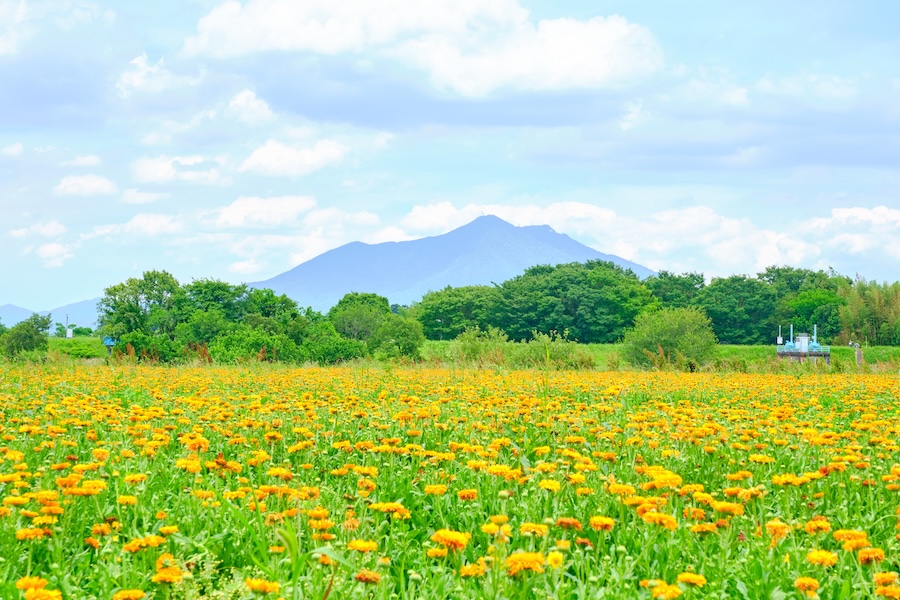
For sightseeing, add Mt. Tsukuba (pictured above). Take the bus from Tsuchiura Station's West Exit, about 50 minutes or the Ushiku Daibutsu (JR Joban Line to Ushiku Station, then a short bus or taxi).
For a place to sleep, check hotels in Tsuchiura and Tokyo.
More About the Tsuchiura Fireworks Competition
The festival began in 1925, when a local priest, Baihō Akimoto of Shinryūji Temple, funded it to honor fallen naval air corps members and revive the local economy after the Great Kanto Earthquake. It paused during World War II, resumed in 1946, and was renamed in 1992 to distinguish it from Akita's contest. Tsuchiura is now building toward its 100th anniversary.
Planning Your Visit
Queue politely and carry cash, since many vendors don't take cards.
Book accommodation in Tsuchiura or Tokyo early, since rooms fill fast before November. A JR Pass or regional pass helps if you're traveling further, and a Pocket Wi-Fi device — addable at checkout with your pass or SIM — makes navigating shuttle stops easier.
First-timers can also use a Meet & Greet service for a smooth airport arrival.
FAQs About the Tsuchiura Fireworks Competition
Here's what visitors ask most before planning their trip:
Q: When is the Tsuchiura Fireworks Competition in 2026?
A: It's held Saturday, November 7, 2026, from about 5:30 to 8:00 PM.
Q: Is the Tsuchiura Fireworks Competition a summer festival?
A: No, it's Japan's premier autumn hanabi competition, held every November instead of summer.
Q: Is the Tsuchiura Fireworks Competition free to watch?
A: Riverside viewing has required paid, lottery-booked seats since general free seating ended in 2022.
Q: How do I buy tickets for the Tsuchiura Fireworks Competition?
A: Tickets sell only through an online Ticket Pia lottery, with no walk-up or box-office sales.
Q: Can I buy Tsuchiura fireworks tickets from overseas?
A: It's difficult, since Ticket Pia usually requires a Japanese phone number and compatible payment method.
Q: How do I get to the Tsuchiura Fireworks Competition from Tokyo?
A: Ride the JR Joban Line from Ueno to Tsuchiura Station, about 45 minutes by limited express.
Q: What happens if it rains on the day of the event?
A: Light rain won't cancel it, but severe weather postpones the show to the following Saturday.
Q: Is the Tsuchiura Fireworks Competition kid-friendly?
A: It can work for families, but plan for a late, cold evening with young children.
Q: Are there English signs or support for foreign visitors?
A: Signage is mostly Japanese, so arrange transport and tickets in advance rather than relying on it.
Q: What makes Tsuchiura different from Japan's other big fireworks festivals?
A: It's a judged competition awarding the rare Prime Minister's Award, shared only with Akita's Omagari festival.