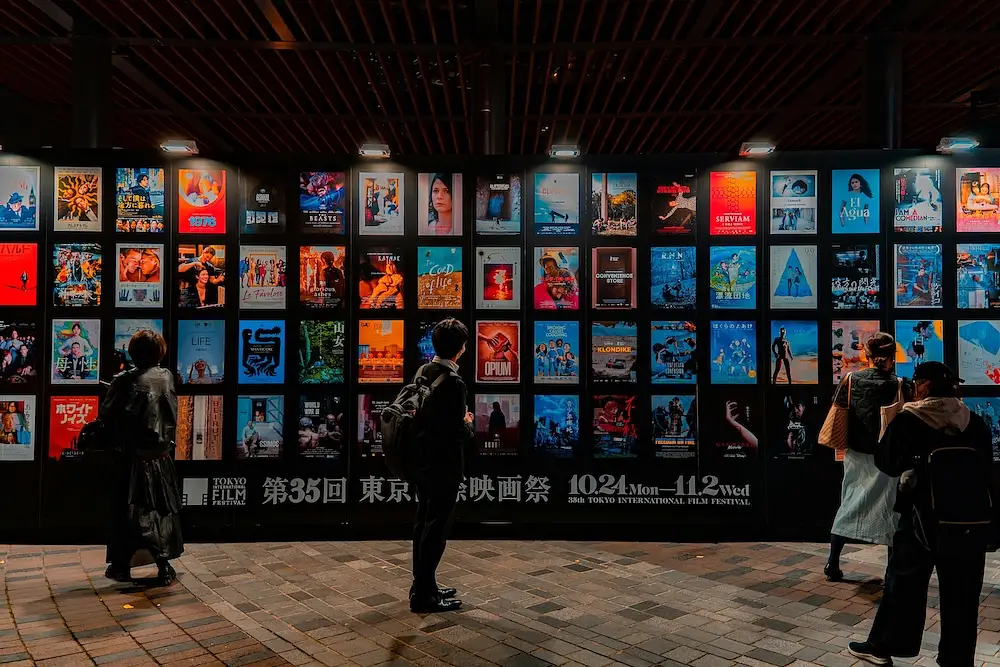
Asia’s Premier Celebration of Cinema
Venue: Hibiya, Yurakucho, Marunouchi & Ginza District, Tokyo
When: October 26 – November 4, 2026
The Tokyo International Film Festival (TIFF) is Japan’s largest and most prestigious film festival, bringing together filmmakers, actors, industry professionals, and movie lovers from around the world. Held across Tokyo’s vibrant Hibiya-Yurakucho-Marunouchi-Ginza district, the festival showcases more than 100 films spanning international premieres, Japanese cinema, animation, documentaries, and emerging filmmakers.
As Asia’s only FIAPF-accredited competitive film festival, TIFF stands alongside globally recognized events such as Cannes, Venice, and Berlin. Whether you’re a serious cinephile or simply curious about Japanese and international cinema, TIFF offers a unique opportunity to experience world-class filmmaking in the heart of Tokyo.
Tokyo International Film Festival 2026 Key Details
Dates |
October 26 (Mon) – November 4 (Wed), 2026 |
Opening Hours |
It varies depending on the movie screening time. Free outdoor screenings are mainly held between 5 and 9 pm. |
Location |
Hibiya, Yurakucho, Marunouchi & Ginza District, Tokyo |
Admission |
Ticketed screenings (prices vary by program) |
Official Website |
|
Nearest Station |
Hibiya Station, Yurakucho Station, Ginza Station |
Organizer |
[UNIJAPAN] |
What to Expect at Tokyo International Film Festival
TIFF transforms central Tokyo into a hub of global cinema. Over the course of ten days, visitors can enjoy:
Competition Section
The festival’s flagship program features international feature films competing for the Tokyo Grand Prix.
Asian Future
A showcase highlighting emerging filmmakers from across Asia.
World Focus
A curated selection of acclaimed international films and festival favorites.
Gala Selection
High-profile premieres and award-season contenders.
Nippon Cinema Now
One of the best places to discover contemporary Japanese filmmaking.
Animation
A popular section featuring animated films from Japan and around the world.
Japanese Classics
Digitally restored masterpieces and historical screenings celebrating Japan’s cinematic heritage.
Youth & Educational Programs
Special screenings designed to inspire younger audiences and future filmmakers.
More than 100 films are typically screened throughout the festival, making it one of Asia’s most diverse film events.
The Tokyo International Film Festival is recognized by the International Federation of Film Producers Associations (FIAPF) as a competitive “A-Festival.” This places it among the same elite category as:
Cannes Film Festival
Venice International Film Festival
Berlin International Film Festival
It is the only FIAPF-accredited competitive film festival in Asia, making it one of the continent’s most important platforms for filmmakers and film enthusiasts.
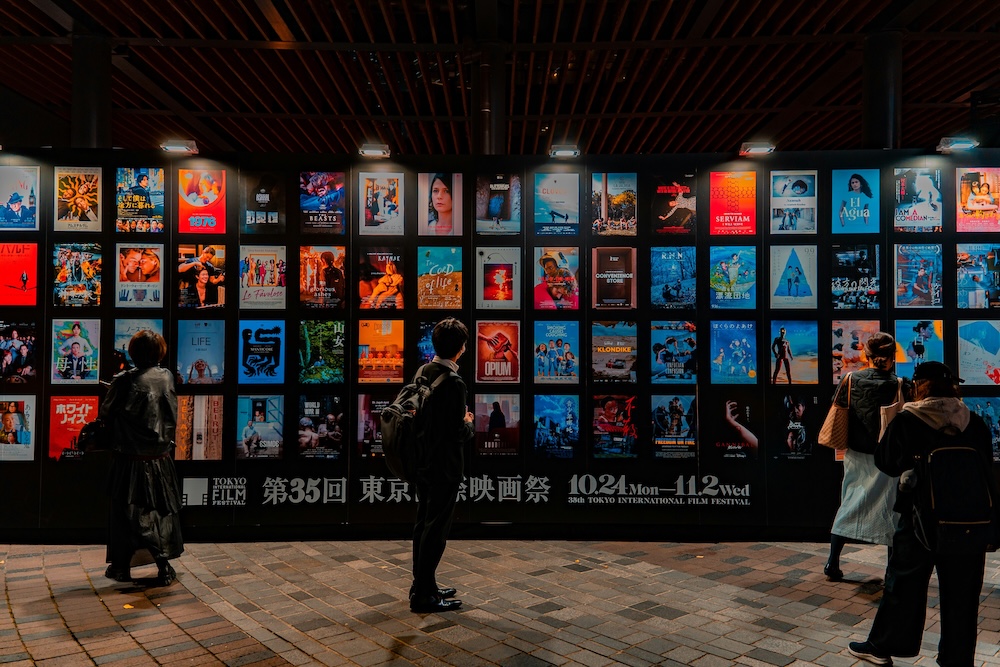
Who Is the Tokyo International Film Festival For?
TIFF appeals to a wide variety of visitors:
Film lovers seeking international premieres
Travelers interested in Japanese culture
Animation fans
Students and aspiring filmmakers
Industry professionals attending TIFFCOM
Families looking for selected public screenings
Many screenings feature English subtitles, and venue staff are accustomed to welcoming international visitors, making the event tourist-friendly.
Pro Tips
Best arrival times:the venue 30-45 minutes before the screening begins
*Peak Season: Weekends, gala (special) screenings, and opening/closing films are especially crowded, so it's recommended to allow even more time.
Items to bring :Mobile ticket confirmation screen/Portable charger
Items for a comfortable experience:
Reusable water bottle (for hydration, refillable)
Cash (for concession stands and some facilities within the venue)
Navigation tips inside the venue
To ensure you can smoothly reach your desired screen, it's a good idea to check the venue map and traffic flow beforehand.
For unfamiliar venues or large facilities, it's important to allow a little extra time for travel.
Crowds and wait times
Tickets for weekend and highly anticipated gala screenings tend to sell out quickly, and the venue will be extremely crowded on the day of the event. Long queues for entry and restrooms are also likely, so arriving early is key.
Accessibility notes
To ensure all attendees can enjoy the film with peace of mind, it's a good idea to check the venue's accessibility information in advance, including wheelchair access and support systems for those who need assistance.
What to Wear at the Tokyo International Film Festival
Late October and early November in Tokyo typically bring mild autumn weather.
Recommended attire:
Light layers
Comfortable walking shoes
Smart casual clothing for gala events
Coat or cardigan for evening screenings
There is no formal dress code for most screenings.
How to Get to Tokyo International Film Festival
Many venues are within walking distance of the following major stations, allowing you to easily attend multiple screenings in one day
Closest train/subway stations:3 major stations
・Hibiya Station (Tokyo Metro Hibiya Line)(Tokyo Metro Chiyoda Line)(Toei Subway Mita Line)
・Ginza Station (Tokyo Metro Ginza Line)(Tokyo Metro Marunouchi Line)(Tokyo Metro Hibiya Line)
・Yurakucho Station(JR Yamanote Line)(JR Keihin-Tohoku Line)
Transfer information:
From major transportation hubs such as Shinkansen bullet train stations and airplane stations (e.g., Tokyo Station and Shinagawa Station), you can access the three stations mentioned above directly or with one or two transfers using the JR Yamanote Line and various Tokyo Metro lines.
Since the stations are connected by underground passages, you can use multiple lines regardless of the weather.
Maps or linked directions:https://2025.tiff-jp.net/ja/access/
*Note:This map is for 2025, so locations may change in 2026. Please check for the latest information.
Nearby Recommendations
Food (cafes, local restaurants)
The Hibiya and Yurakucho area is filled with restaurants ranging from casual ramen shops to upscale Japanese dining.
・AFURI Yurakucho (Ramen)
・Tsukishima Monja Tamatoya Hibiya (Monjayaki)
Attractions or sightseeing
・Hibiya Park
・Imperial Palace
Hotels or ryokans
For the most convenient access to TIFF venues, consider staying in:
Marunouchi/Yurakucho/Hibiya
Japan Den offers accommodation options close to festival venues, helping visitors maximize their screening schedule.
More About the Tokyo International Film Festival
Founded in 1985, TIFF has grown into one of the world’s most respected film festivals.
Recent editions have welcomed major international guests including Juliette Binoche and Fan Bingbing.
In 2025, legendary Japanese actress Yoshinaga Sayuri received TIFF’s Lifetime Achievement Award in recognition of her extraordinary contribution to cinema.
The accompanying TIFFCOM market attracts thousands of industry participants from dozens of countries, making Tokyo a major meeting point for film, television, animation, and entertainment professionals. (TIFFCOM 2026)
Planning Your Visit
Booking accommodation early
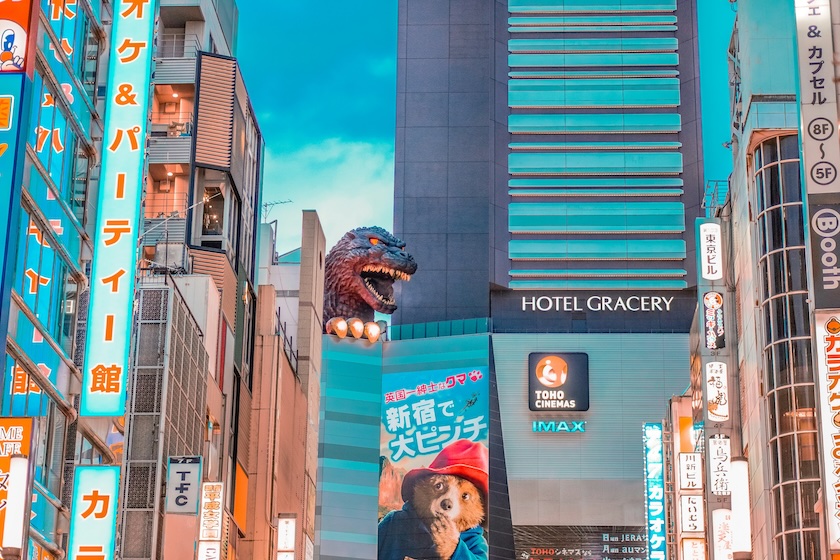
For nearby lodging, hotels in the Hibiya, Ginza, and Marunouchi areas are highly recommended as they offer excellent access to the festival venues. However, rooms in these central locations can fill up quickly during the festival period. For those looking for alternative options or exploring other regions, staying near major hubs like Shinjuku or Tokyo Station offers convenient transit access and vibrant dining options. Search for nearby hotels early based on your travel style.
Using JR Pass or local transport to reach events
JR Pass (Nationwide): Ideal if you are planning to explore other regions of Japan before or after TIFF, covering major long-distance routes like Tokyo to Kyoto or Osaka over a continuous period.
Regional Options & Subway Passes: If your visit is concentrated within central Tokyo for the festival, utilizing local IC cards or Tokyo subway passes will be more economical and convenient for hopping between screening venues.
Stay connected
Staying connected is seamless with two main options. For traveling with a group and needing fast, reliable data to share your festival experiences, a[Pocket Wi-Fi] is often recommended. Alternatively, an [eSIM or SIM card] is excellent for travelers who prefer a hassle-free, card-free setup.
*Note: Since digital ticket management, navigation between venues, and translation apps are vital for a smooth festival experience, having reliable internet access at the venue entrance is essential.
Get assistance upon arrival
For first-time visitors, we can arrange a [Meet & Greet service] where an English-speaking guide will meet you directly at the airport upon arrival. They can assist with your luggage, currency exchange, activate your transport passes, and provide guidance on transferring from the airport rail link to your accommodation. This service ensures a smoother arrival experience and peace of mind from the moment you land.
Japanese etiquette basics
Show respect to elders; exchange business cards and cash with both hands; tipping is not expected in Japan.
IC Cards: IC cards like Suica or Pasmo facilitate smooth payments on public transport (subways and trains) and at convenience stores, making your transit between screenings effortless.
Accessibility: Detailed accessibility information regarding the venues and screenings can be checked through official channels or via JNTO to ensure a comfortable experience for all visitors.
Cash and credit card usage
Most TIFF venues seamlessly accept credit cards for ticket purchases and admissions. However, carrying some Japanese Yen (cash) is still highly recommended for smaller purchases, local street food, or quick snacks around the venue area.
FAQs About the Tokyo International Film Festival
Q: When is the Tokyo International Film Festival 2026?
A: The 39th Tokyo International Film Festival will take place from October 26 to November 4, 2026.
Q: Where is the Tokyo Film Festival held?
A: The festival takes place across the Hibiya, Yurakucho, Marunouchi, and Ginza districts of central Tokyo.
Q: How do I get Tokyo Film Festival tickets?
A: Tickets are typically sold online through the official TIFF website beginning in mid-October.
Q: What is TIFFCOM?
A: TIFFCOM is the business market held alongside TIFF, connecting film, television, animation, and content industry professionals.
Q: Are there free screenings at TIFF?
A: Yes. TIFF traditionally offers selected outdoor and community screenings that are free to attend.