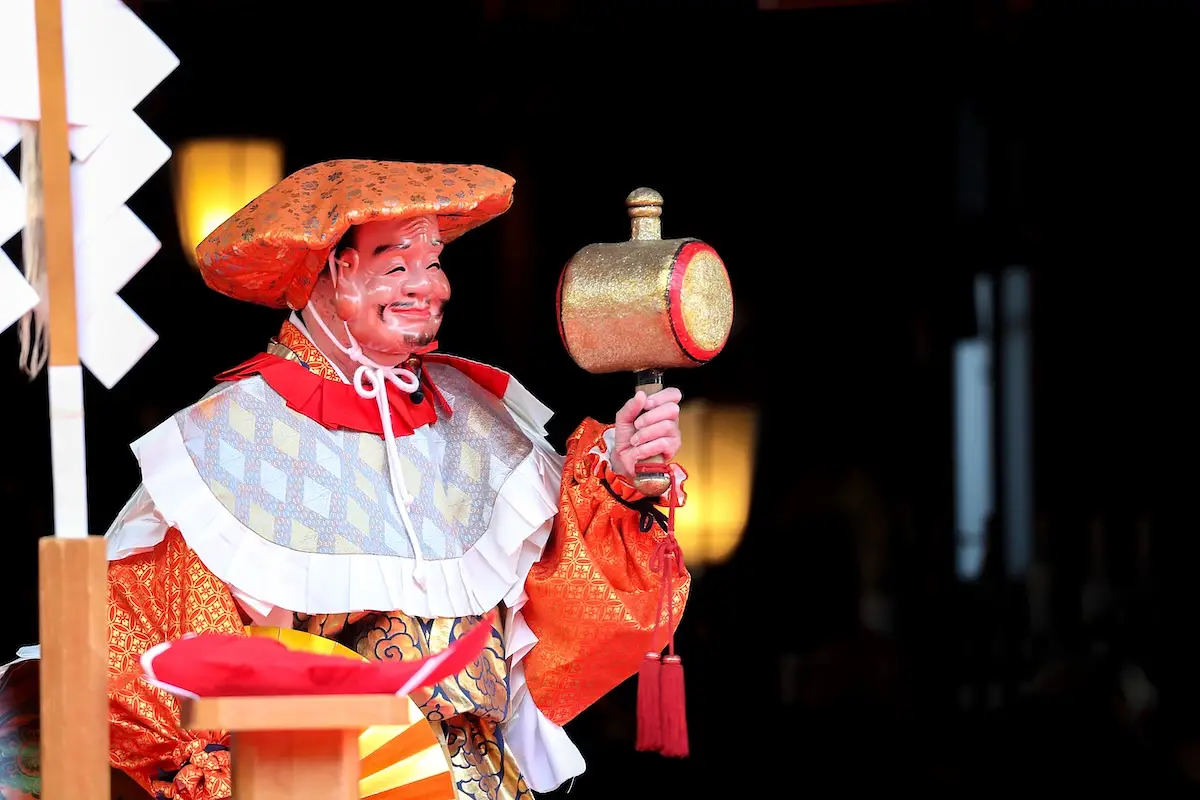
Where Osaka prays for profit.
Venue: Imamiya Ebisu Shrine, Naniwa-ku, Osaka
When: Every year around January 9–11, with the main day on January 10 (“Tōka” = tenth day)
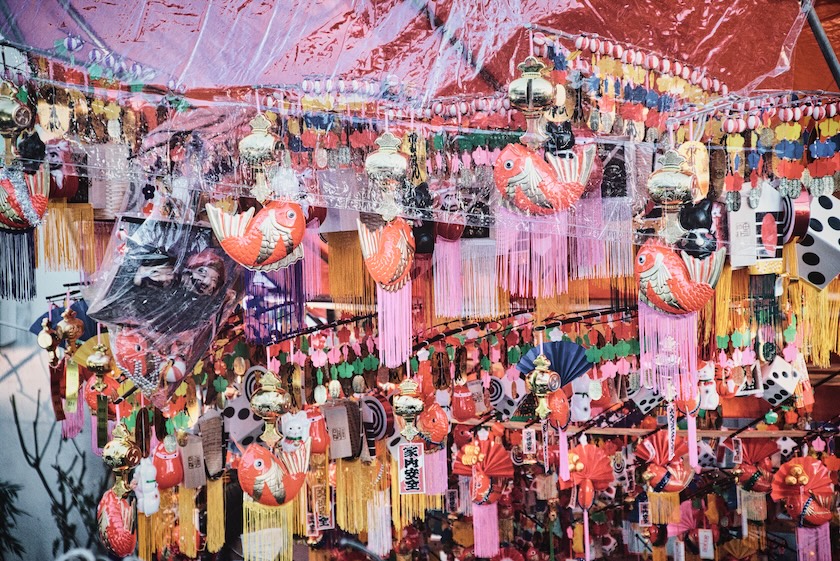
Every January, Osaka's business community is already making money while everyone else is breaking their New Year's resolutions. Imamiya Ebisu Shrine is transformed into a sea of people, bamboo branches, lucky charms, and food vendors during the Toka Ebisu festival. Asking Ebisu, one of Japan's Seven Lucky Gods, to bless the year with prosperous business and successful transactions is the sole emphasis of this boisterous, crowded event. If you’ve ever wanted to see how a city of merchants prays for success, this is the shrine-side meeting you don’t skip.
Toka Ebisu Festival 2026 Key Details
What to Expect at Toka Ebisu Festival
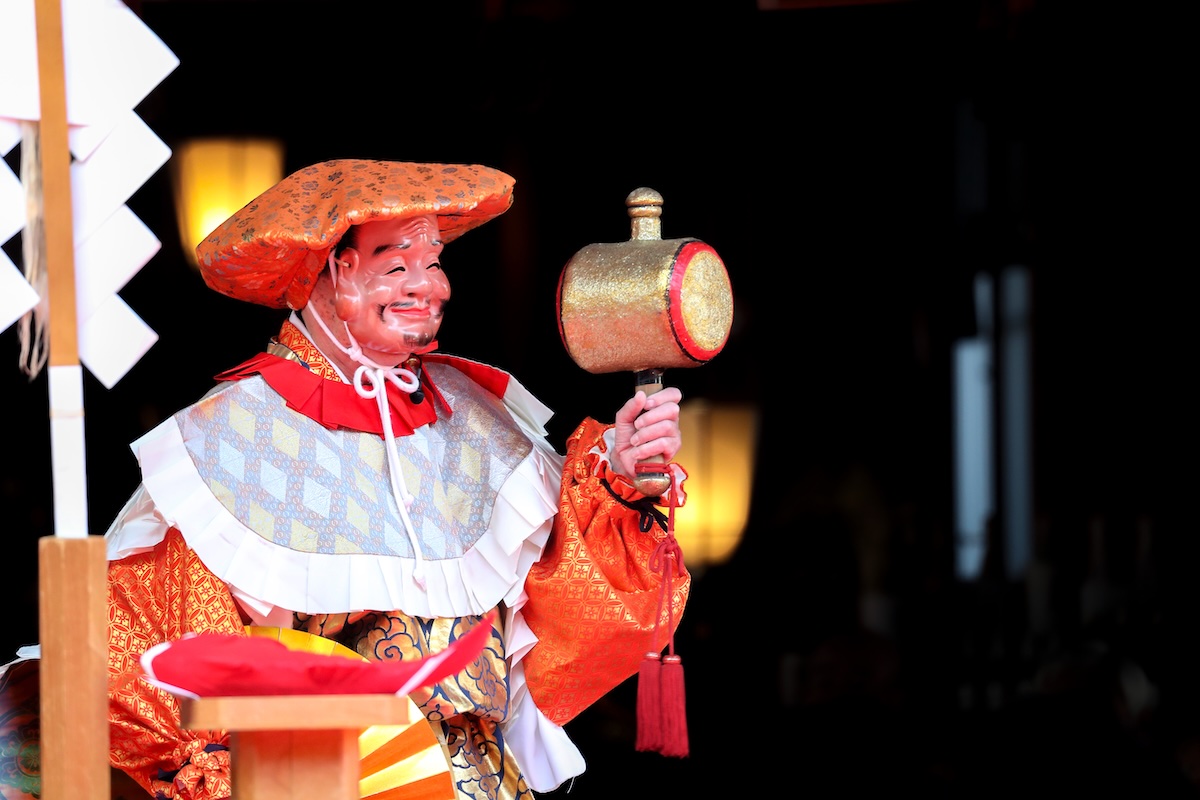
Imagine a visit to a shrine on New Year's Eve, then give it a million people and a business plan. The Toka Ebisu festival is that. More than a million people flock to the streets around Ebisu Shrine over the course of three days in order to purchase lucky bamboo, worship, eat, network, and completely fill the precincts.
Key highlights:
Fukuzasa (lucky bamboo branches): The star of the show. A bamboo branch that you "buy" or receive is adorned with charms such as rice sacks, treasure mallets, daikon, sea bream, miniature gold coins (kobans), and other symbols of s
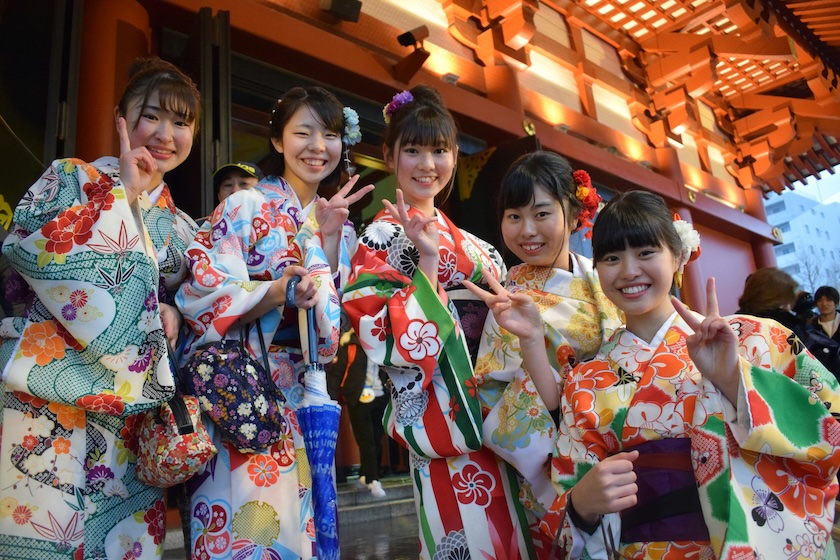
Fukumusume (“lucky daughters”): The ornaments are attached to your bamboo by young women dressed traditionally, creating a whole charm package that will improve your business. They are a major photo opportunity and the festival's face.
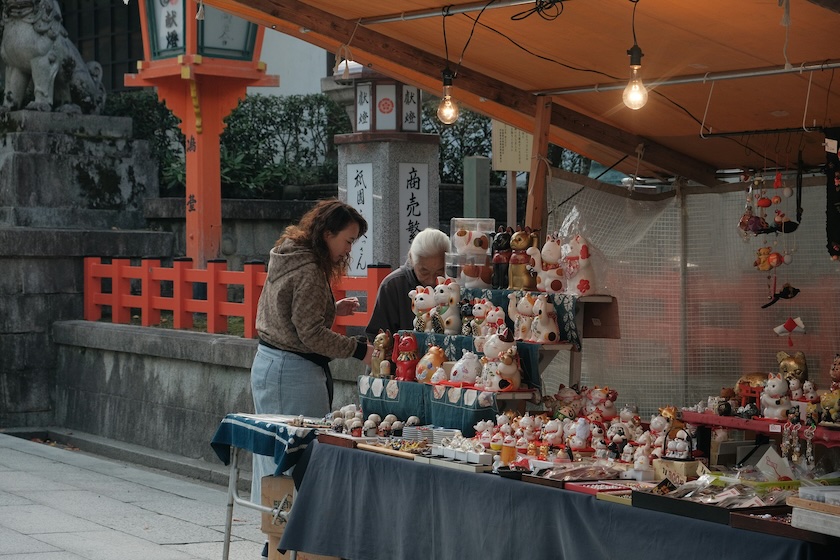
Endless food stalls: In deep winter, the streets surrounding the shrine are crowded with yatai selling takoyaki, grilled seafood, candies, and festival foods.
Ebisu’s “wake-up call”: Some tourists go behind the main building and knock on a wooden board to "wake him up" after praying because Ebisu is reportedly somewhat impaired of hearing. It's whimsical, traditional, and distinctly Kansai.
Who Is Toka Ebisu Festival For?
This isn’t just for CEOs in suits. The Toka Ebisu festival works for:
Business owners & freelancers: anyone who wants a symbolic push for sales and contracts this year.
Tourists looking for real local culture: this is Osaka energy at its purest: loud, crowded, money-focused and fun.
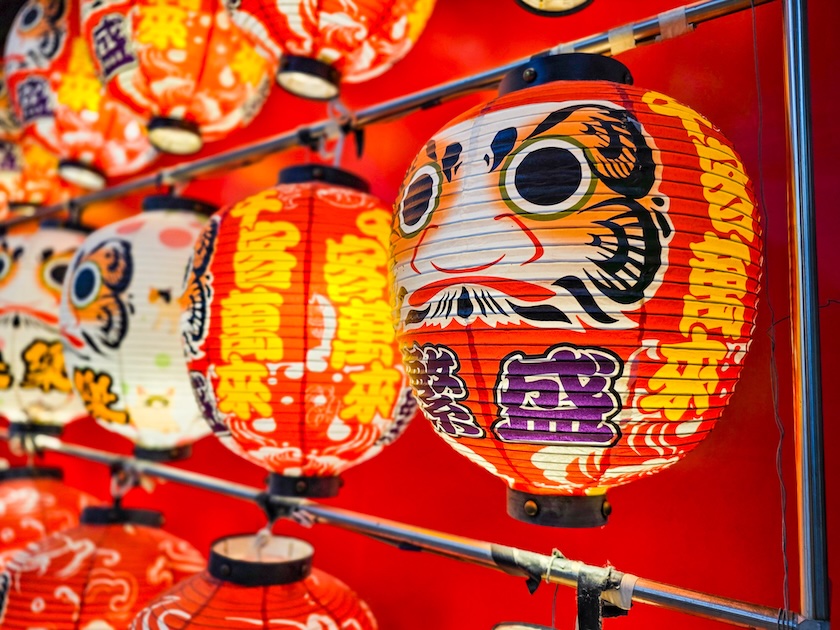
Families & groups: kids love the lanterns, stalls, and noise (just keep them close in the crowds).
Culture nerds: you get Shinto ritual, Edo-period merchant history, living traditions and modern Osaka all in one place.
English signage is limited, but the flow is intuitive: follow the crowd to the ebisu shrine, line up, pray, get your bamboo, eat something grilled, repeat.
Pro Tips
Best days:
Jan 9: Yoi Ebisu (Eve): Still lively but (slightly) less intense.
Jan 10: Hon Ebisu (Main): Maximum crowds, maximum atmosphere.
Jan 11: Nokori Fuku (“remaining fortune”): Great for photos and slower browsing.
Best time: Early morning or late night if you want more breathing room; peak evening hours are shoulder-to-shoulder.
Bring cash: Most stalls and charm vendors are cash-only. That includes your key purchase: the fukuzasa ritual bamboo.
Expect queues: Reaching the main offering area can take time, especially on January 10. If you’re on a tight schedule, factor in long wait times.
Accessibility: Streets are packed, uneven in places, and you’ll be standing a lot. Not ideal for those who dislike crowds, but manageable with patience.
What to Wear at Toka Ebisu Festival
This is outdoors, deep-winter Osaka. Dress like you’re going to be outside for hours, because you are.
Warm coat, layers, scarf, gloves
Comfortable shoes for slow shuffling in crowds
Small crossbody or backpack, hands free for cash, charms, and food
Heat packs if you get cold easily
How to Get to Toka Ebisu Festival
You’re heading for Imamiya Ebisu Shrine in Osaka’s Naniwa Ward.
From Namba:
Nankai Koya Line to Imamiyaebisu Station: 2–4 min walk to the shrine.
From Umeda / Osaka Station:
From Kansai Airport:
Nankai line to Namba, then transfer to Nankai Koya Line - Imamiyaebisu.
If you’re traveling across regions (Tokyo–Osaka–Kyoto–Kobe), this is a perfect moment to use a JR Pass or Regional Pass and treat Toka Ebisu as your Osaka stop.
Nearby Recommendations
You’re in one of Osaka’s most atmospheric neighborhoods. Before or after Toka Ebisu festival, add:
Shinsekai & Tsutenkaku Tower: retro Osaka with neon, kushikatsu and great night shots.
Namba & Dotonbori: Glico sign, huge food displays, endless shopping and dining.
Spa World: if you want to soak after surviving the crowds.
For convenience, look for hotels around Namba, Tennoji, or Shin-Imamiya, easy access to the shrine and other city highlights.
More About Toka Ebisu Festival
God honored: Ebisu, god of commerce, fishing and good fortune; one of the Seven Lucky Gods.
Osaka connection: The city has long been a merchant town; this festival is basically its spiritual shareholder meeting for the year ahead.
History: Imamiya Ebisu Shrine dates back to around 600 CE and has been associated with protecting markets and trade since its founding.
Scale: Around 1 million visitors over the three main days, one of Osaka’s biggest winter shrine events.
Planning Your Visit
To make your Toka Ebisu festival experience smooth instead of chaotic:
Book accommodation early: Osaka in early January is busy; check JapanDen for hotels near Namba or Tennoji.
Use a JR Pass or Kansai Regional Pass: if you’re combining Osaka with Kyoto, Kobe, or Nara.
Stay connected: Pocket Wi-Fi + SIM combo makes navigation, translations, and meeting points much easier in the crowds.
Consider Meet & Greet on arrival in Japan if you’re new to the country and want help with your first transfers.
Cash strategy: Hit an ATM before heading to the shrine; you’ll need yen for charms, food, and impulse Ebisu tickets (in other words, all the little things you decide you must buy).
Etiquette: Don’t cut the line, move along after your prayer, and treat the bamboo and charms respectfully, this is business, but it’s still sacred.
FAQs About Toka Ebisu Festival
Do I need a ticket to enter the Toka Ebisu festival?
No. There are no fixed Ebisu tickets, shrine entry is free. You only pay for bamboo branches, charms, and food.
Is Toka Ebisu festival kid-friendly?
Yes, but keep children close; crowds are very dense, especially on January 10.
Is there shelter if it rains?
Most of the event is outdoors. Some stalls have covers, but come prepared for winter weather.
Are there English signs?
Limited, but the flow is easy to follow and staff are used to international visitors.
People Also Ask
What is the toka ebisu festival?
Every year, from January 9 to 11, Osaka hosts the Toka Ebisu festival at Imamiya Ebisu Shrine. During this occasion, people offer prayers to Ebisu, the god of commerce and good fortune, and purchase decorated bamboo branches for prosperity in the upcoming year.
What is Ebisu known for?
The Japanese god of business, wealth, fishing, and good fortune is called Ebisu. One of the Seven Lucky Gods, he is frequently shown grinning while clutching a sea bream and a fishing rod, which are representations of prosperity and prosperity.
Why do people buy bamboo branches at Toka Ebisu?
Visitors buy fukuzasa (lucky bamboo branches) and decorate them with charms to receive Ebisu’s blessing for business success and good fortune in the coming year.