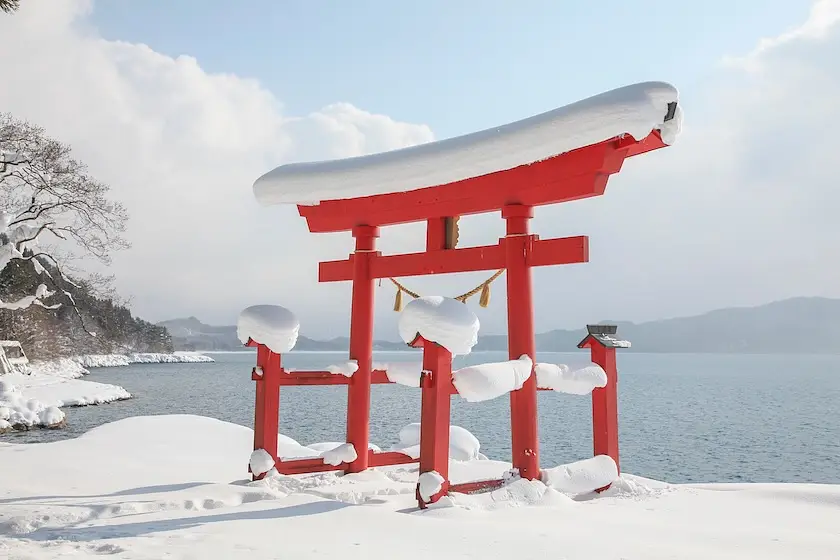
A Winter Travel Guide to Enjoying Japan's Snow to the Fullest
Japan's winter is when the landscape undergoes its most dramatic transformation of the four seasons. Discover breathtaking vistas unique to snowy conditions, organised by region and purpose in our latest guide.
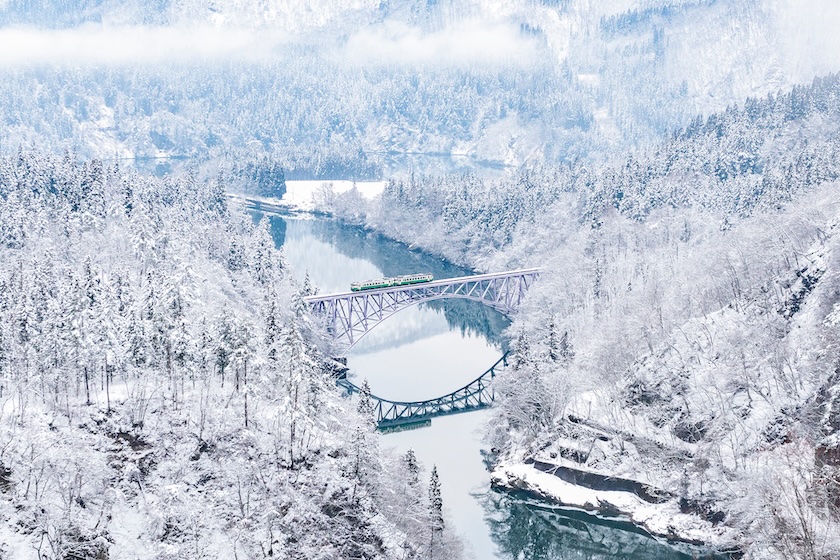
During the winter season (primarily from November to March), snow accumulates across various regions of Japan. It falls particularly heavily in Hokkaido to the north, and on the side of Japan facing the Japan Sea (Honshu, especially the Hokuriku and Tōhoku regions). Here heavy snowfall is observed from November onwards. While the snowy landscapes captivates travellers, and is extremely popular with winter sports enthusiasts, for which Japan has been a hidden gem for years, caution is also necessary as heavy snowfall carries risks such as disruption to transport. Even so, visiting Japan during snowfall is truly magical!
Snow in Japan: Key Details
Dates |
Mid-November to early March each year (varies by region) |
Location |
Hokkaido, Tōhoku, Hokuriku, Nagano and other snowy regions nationwide |
Type of News |
Japan Travel Trend / Japan Seasonal Guide |
Recommended for |
・Overseas travellers wishing to see Japan's snowy landscapes ・Those wishing to enjoy winter activities (skiing, hot springs, etc.) ・Individuals planning their first winter trip to Japan ・People from urban areas or warmer regions unaccustomed to snow |
What To Expect From Snowfall in Japan
The influx of cold air from the Sea of Japan and Hokkaido's frigid climate transform Japan into a heavy snowfall region during winter.
In Hokkaido, snow begins falling from mid-November, with snow accumulation surging rapidly from December to January and persisting until early spring.
Meanwhile, the Sea of Japan side of Honshu (Niigata, Toyama, Ishikawa, Fukui, Akita, Aomori, etc.) experiences a winter-type pressure pattern where moist air flows in from the Sea of Japan. Consequently, mountainous areas in the Hokuriku and Tohoku regions can be hit by record-breaking heavy snowfall.
This moist air collides with cold mountain ranges, producing abundant snowfall and creating unique snow landscapes, such as those around Mount Zaō (Miyagi, Yamagata), famous for its “snow monsters”.
In contrast, snow is rare in the Kantō region and areas south of Kyūshū, and even when it falls, it tends not to accumulate. In Tokyo, light snow occasionally falls in January and February, merely dusting the city with a faint layer. Okinawa and the Nansei Islands see almost no snowfall, and snowy landscapes are unseen even in winter.
Why snowfall in Japan Matters For Travelers
Winter in Japan is a special season where snow dramatically transforms the landscape itself.
Kinkaku-ji Temple, enveloped in snow, presents a breathtakingly beautiful contrast of gold and white, revealing its most fantastical appearance in Kyoto throughout the year. In Hokkaido, one can enjoy snow-viewing open-air baths whilst soaking in hot springs amidst gently falling snow. The experience of bathing in hot springs whilst gazing upon the silver mountains is a winter luxury unique to Japan.
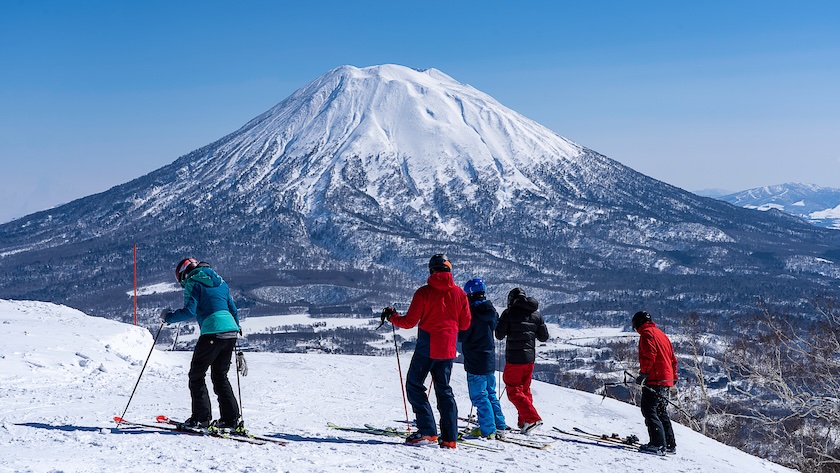
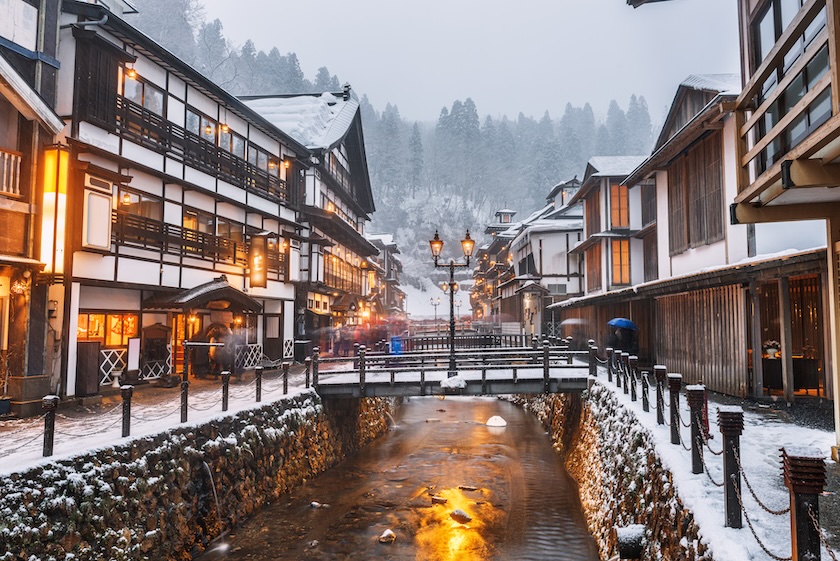
Moreover, Niseko's powder snow is of such high quality that it attracts skiers from around the world (see the photo above as an example). There are numerous winter-only attractions, such as the giant snow sculptures at the Sapporo Snow Festival and the snowy scenery of Ginzan Onsen illuminated by lanterns.
Of course, there are precautions to take, such as delays due to heavy snowfall and the cold. However, with a little preparation, these risks can be adequately managed.
Japan's snowfall possesses a special charm that elevates travel into the extraordinary.
What Comes Next for Snowfall in Japan
What to Wear at snowfall in Japan
In wintertime Japan, cold protection and waterproofing are essential regardless of region. In the snowy regions of Hokkaido, Tōhoku, and Hokuriku, thick down jackets, thermal underwear, waterproof boots, gloves, hats, and scarves are indispensable. Even in urban areas (Tokyo, Osaka), down jackets, thermal underwear, and scarves are necessary.
Prepare for Transportation & Weather Disruptions
In areas with heavy snowfall, delays or cancellations to bullet trains and flights may occur. It is advisable not to overbook your itinerary and to regularly check weather and service information for peace of mind.
If you are concerned about changing trains, we recommend the Meet & Greet service. It ensures smooth airport procedures and transport guidance, making it ideal for first-time travellers to Japan.
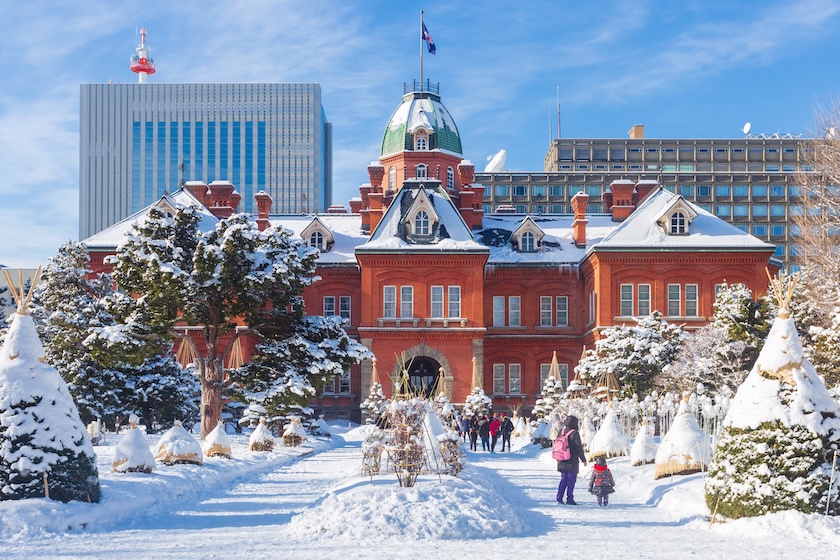
Decide on the Best Accommodation for Winter Travel
In wintertime Japan, delays and cancellations to Shinkansen, conventional rail services and flights occur routinely in certain regions. Hokkaido, Tohoku and the Sea of Japan coast are particularly susceptible to blizzards, which can significantly disrupt schedules. Therefore, it is vital not to overbook your itinerary and to maintain flexibility in your travel arrangements.
For trips involving frequent long-distance travel, utilising a JR Pass or Regional Pass makes it easier to cope with sudden schedule changes and helps keep costs down.
Additionally, the Meet & Greet service is convenient for travellers who feel uncertain about transfers. It provides assistance from airport guidance to transport support, allowing you to enjoy your first visit to Japan with peace of mind.
Plan Your Visits to Winter Tourist Spots Wisely
Winter in Japan is a season where the location of your accommodation greatly influences comfort, due to the impact of snow and cold. Walking long distances on snowy paths can be hazardous, and moving with luggage adds further strain. This is precisely why choosing accommodation close to the station or with easy access to major tourist attractions becomes extremely important.
Furthermore, the presence of hot springs can greatly affect your satisfaction with your stay. If your accommodation features a snow-viewing open-air bath, it will make your travel memories all the more profound.
For travellers unsure where to base themselves, JapanDen accommodation is convenient, offering regional selection and abundant reviews. It allows you to quickly compare well-located lodgings in snow country areas, significantly reducing the anxieties of winter travel.
Secure Reliable Connectivity and Travel Essentials
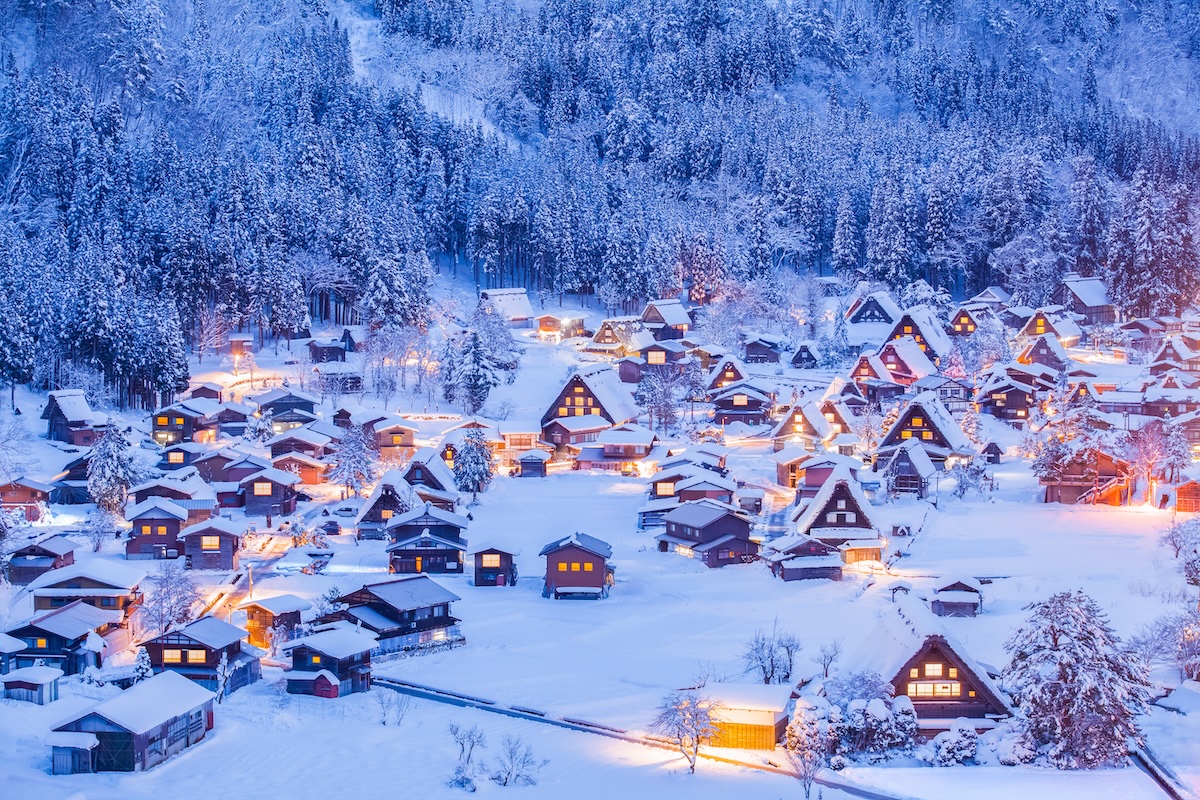
Popular winter destinations (such as Shirakawa-go (pictured above), Ginzan Onsen, Kyoto temples, and the Sapporo Snow Festival) present travellers with challenges including crowds, snow accumulation, and early sunsets. Travel speeds can drop by 30-40% on snowy roads in particular.
Furthermore, winter weather frequently disrupts plans, making it vital to be prepared to adjust routes frequently. Maintaining a stable internet connection is essential to check the latest weather and traffic information while out and about.
Therefore, renting a Pocket Wi-Fi is highly recommended for travellers.
Multiple devices can connect simultaneously
Stable connection outdoors and while moving
Many models offer reliable connectivity even in mountainous areas and snowy regions
For these reasons, it is exceptionally well-suited for winter travel in Japan.
FAQs About snowfall in japan
Q: At what temperature does snow accumulate?
A: Generally, snowfall begins around 0°C. When the ground temperature is around or below 0°C and precipitation occurs, it is more likely to fall as snow. Above this temperature, it tends to fall as rain or is less likely to accumulate.
Q: Where in Japan does it snow frequently?
A: Regions with heavy snowfall in winter include Hokkaido, the Tōhoku region, and the Sea of Japan coast (Hokuriku). Examples include Hokkaido, Aomori, and Ishikawa.
Q: When does it start snowing on the Sea of Japan in Japan?
A:On the Sea of Japan side (Hokuriku and inland Tōhoku), snowfall typically begins from late November to early December. For example, in Niigata City, the first snowfall is usually observed around mid-November. Snowfall peaks from December to February as the winter-type pressure pattern intensifies.
Q: Where in Japan does it snow the least?
A:Regions with little snowfall include Okinawa Prefecture and southern Kyushu, among the southwestern islands.
Particularly in Okinawa, the maritime climate means snow falls very rarely; even in Kyushu, warmer prefectures such as Kagoshima, Miyazaki, and Kumamoto see only minimal snow accumulation annually.
Q: Which prefectures have the worst snow?
A:Regions nationally recognised as heavy snowfall areas include Niigata, Akita, Yamagata, Toyama and Aomori Prefectures.
For example, Niigata Prefecture experiences some of the world's highest annual maximum snow depths, which can reach several metres each year.