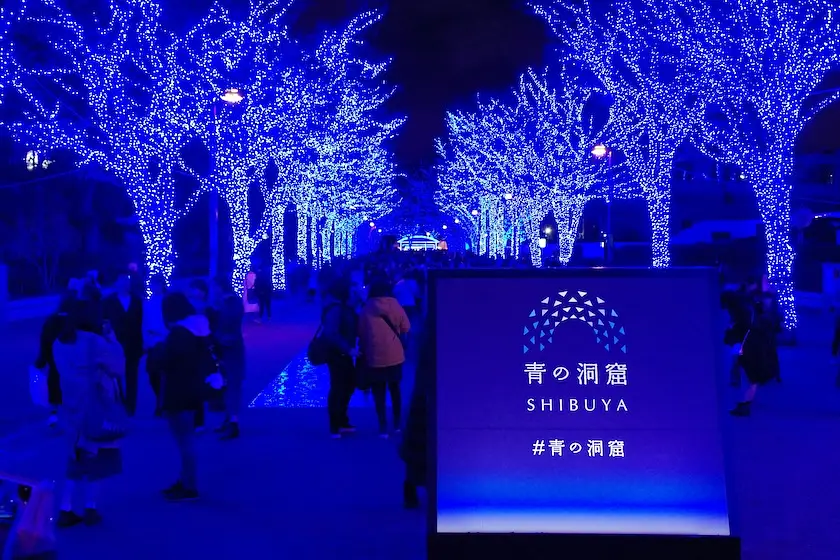
Tokyo’s Dreamy Tunnel of Blue
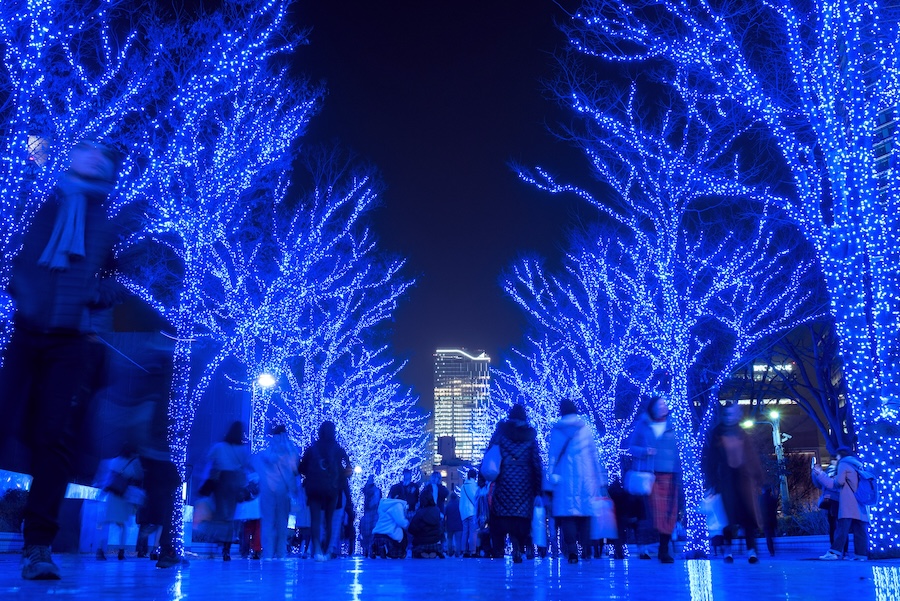
If you’re in Tokyo in winter, put on your warmest jacket, because the Shibuya Blue Cave Illumination is one of the city’s most memorable seasonal light shows. The event transforms the area between Shibuya Park Street and the zelkova tree-lined avenue in Yoyogi Park into a glowing tunnel of blue.
The route usually stretches for about 800 meters, turning one of Tokyo’s busiest neighborhoods into something softer, calmer, and much more cinematic. Think neon nights, ramen bowls, shopping bags, and then suddenly: a sapphire-blue walkway that feels like stepping into another version of Shibuya.
Why put this near the top of your Tokyo winter list? Because it’s free, easy to reach, and simple to pair with dinner, shopping, or a night out in Shibuya, Harajuku, or Omotesando.
Shibuya Blue Cave: Key Details
Shibuya Blue Cave is a seasonal illumination, so exact dates, lighting hours, and special features are announced each year. Treat the details below as a planning guide, then check the official website before you go. Because the illumination takes place along public streets and park pathways, there are no ticket gates, reservations, or formal entry points. You simply walk through during the lighting hours.
Key Details |
Info |
|---|---|
Usual Season |
Early to late December, often around the Christmas period |
Typical Lighting Hours |
Around 17:00 to 22:00 |
Location |
Shibuya Park Street to the Yoyogi Park Zelkova tree-lined avenue, Shibuya, Tokyo |
Admission |
Free |
Official Website |
Ao no Dokutsu SHIBUYA official website |
Nearest Stations |
Shibuya Station, Harajuku Station, Meiji-Jingumae Station |
Best For |
First-time visitors, couples, friends, families, photographers, solo travelers |
Time Needed |
Around 20 to 40 minutes, depending on crowds and photo stops |
What to Expect at Shibuya Blue Cave
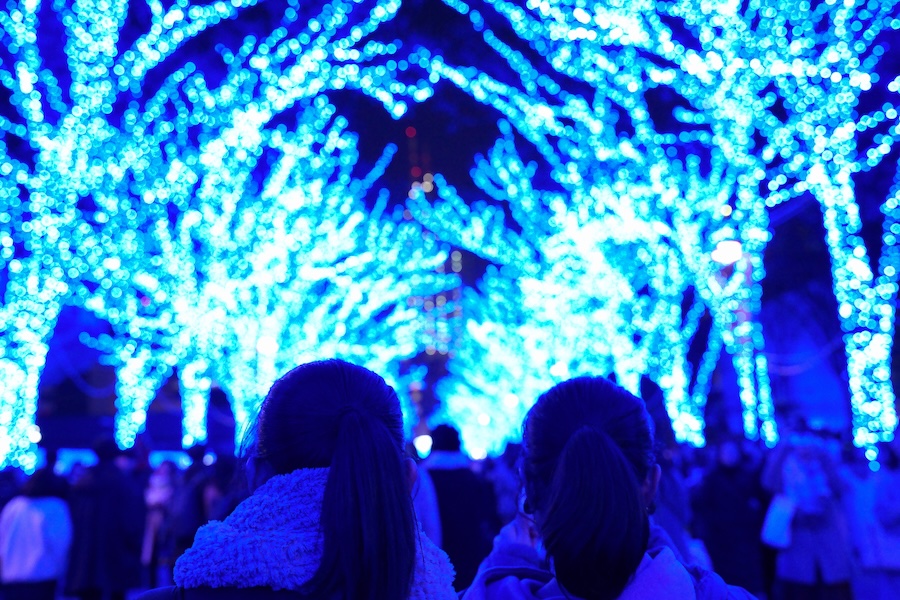
Shibuya Blue Cave is best known for its long corridor of blue lights, which wraps the trees and pathway in a deep, electric glow. The effect is simple, but that is exactly why it works. The whole area feels less like a typical Christmas display and more like a blue-lit winter tunnel in the middle of Tokyo.
Expect:
A long, walkable route of blue lights
A romantic but relaxed atmosphere
Lots of people taking photos and videos
Crowds near peak evening hours
Easy access before or after dinner in Shibuya
A calm, slightly surreal contrast to the bright chaos of Shibuya Crossing
It’s mesmerizing, photogenic, and very Tokyo. You’ll find couples posing under the lights, families filming the walkway, and solo travelers slowing down just to soak it all in.
Who Is Shibuya Blue Cave Best For?
Shibuya Blue Cave is for anyone who wants a little winter magic without needing tickets, a long train ride, or a full evening plan. It is especially good if you are already spending time around Shibuya, Harajuku, Omotesando, or Yoyogi Park.
Couples
This is one of Tokyo’s most romantic winter walks. It is simple, free, and easy to pair with dinner or drinks nearby.
Photographers and Content Creators
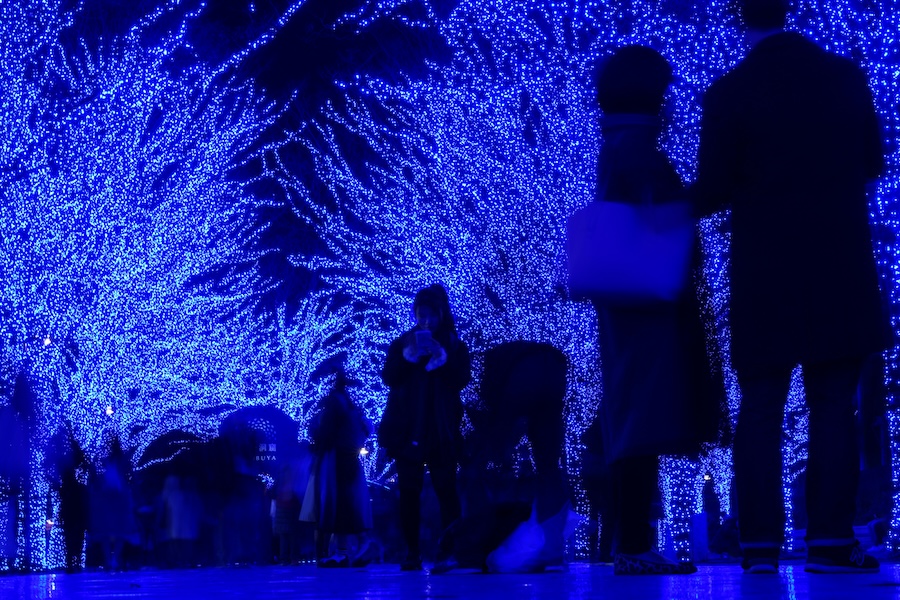
The blue tunnel is highly photogenic, especially right after the lights turn on, when the sky still has a little color. Dark coats, neutral outfits, and reflective pavement all work beautifully under the blue glow.
Christmas and Winter Light Lovers
If you love seasonal sparkle, this should be on your Tokyo winter list. It feels more modern and cinematic than traditional Christmas lights.
Families and Friends
A gentle walk under glowing trees is an easy crowd-pleaser. It also does not require a ticket, making it flexible if you are traveling with children or a group.
Solo Travelers
You do not need company to enjoy it. Shibuya Blue Cave is easy to visit alone, especially if you combine it with coffee, shopping, or a casual dinner nearby.
Accessibility and Mobility Information
Shibuya Blue Cave follows public streets and park pathways, which makes it more accessible than many ticketed illumination parks. That said, crowds can make movement slower, especially on weekends and close to Christmas.
Wheelchair and Stroller Access
The route is mostly flat and paved, making it generally suitable for wheelchairs and strollers. The main challenge is not the surface, but the crowd.
Best Access Points
The easiest access points are usually from Shibuya Station, Harajuku Station, or Meiji-Jingumae Station. If you need more space to move, consider starting from the Yoyogi Park side rather than entering through the busiest Shibuya approach.
Restrooms
Public restrooms are available in Yoyogi Park. You can also find restrooms inside Shibuya Station and nearby shopping centers.
Helpful Tip
Visit right when the lights turn on, around 17:00, for easier movement and fewer crowds. Weekdays are usually calmer than weekends.
Shibuya Blue Cave vs Other Tokyo Winter Illuminations
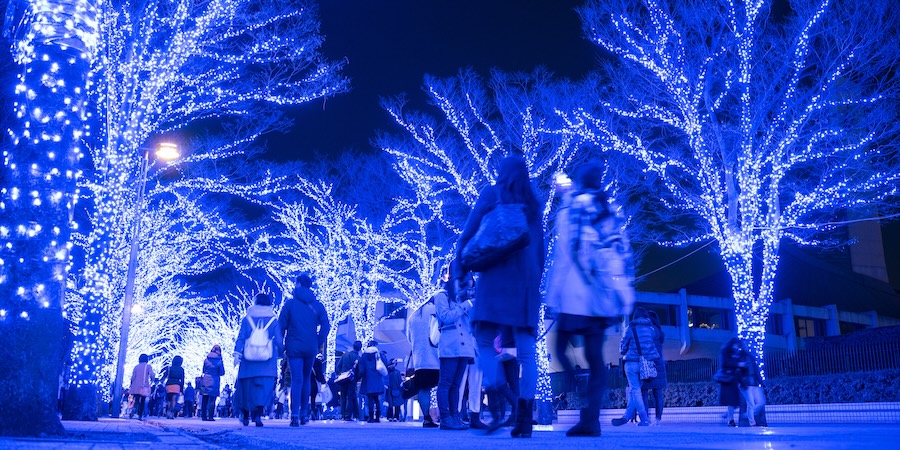
Shibuya Blue Cave is not the only winter illumination in Tokyo, but it has a very specific look: a long, monochrome blue tunnel in one of the city’s most energetic neighborhoods.
If you have limited time in Tokyo, choose based on the atmosphere you want.
Tokyo Illumination |
Style |
Vibe |
Best For |
|---|---|---|---|
Shibuya Blue Cave |
A dramatic blue tunnel of lights along a walkable route |
Romantic, modern, cinematic |
First-time visitors, photography, couples, quick winter magic |
Roppongi Hills and Tokyo Midtown |
Elegant white, gold, and seasonal light displays around polished city spaces |
Refined, polished, city-chic |
Dinner plus illumination, date nights, a more upscale winter atmosphere |
Ebisu Garden Place |
Classic European-inspired winter lights in a calmer setting |
Stylish, relaxed, less chaotic than Shibuya |
Quiet evenings, families, relaxed photo walks |
Which Should You Choose?
Choose Shibuya Blue Cave if you want dramatic visuals and a strong photo moment. Choose Roppongi or Tokyo Midtown if you want a polished dinner-and-lights evening. Choose Ebisu if you want something calmer and easier to enjoy at a slower pace.
Shibuya Blue Cave: Bad Weather, Cancellations, and Live Updates
Shibuya Blue Cave is an outdoor event, so weather matters. Light rain does not always ruin the experience, and wet pavement can actually make the blue reflections look even stronger. Heavy rain, strong wind, or safety concerns are a different story.
Rain and Light Weather
The illumination may still operate in light rain, but umbrellas can make the walkway feel crowded. Waterproof shoes and a compact umbrella are helpful.
Strong Wind or Severe Weather
In cases of strong wind, heavy rain, or safety concerns, the event may be changed, paused, or canceled. Do not assume it will operate exactly as planned.
How to Check Live Updates
Check the official website and official social channels before heading out. Same-day updates may appear in Japanese first, so a translation app is useful.
What to Wear at Shibuya Blue Cave
You do not just visit the Blue Cave; you dress for it. The route is outdoors, the walk can feel longer in a crowd, and winter evenings in Tokyo are colder than they look in photos.
Wear:
A warm coat or puffer jacket
Comfortable boots or sneakers
Gloves and a scarf
Neutral colors if you want the blue light to photograph well
A small crossbody bag or backpack so your hands stay free
Footwear matters. The route is not difficult, but 800 meters feels longer when your shoes pinch.
Bonus tip: avoid relying on one thin layer just because Tokyo is not snowy. The wind around open streets and park areas can still feel sharp at night.
How to Get to Shibuya Blue Cave
Shibuya Blue Cave is easy to reach by train, and walking is usually the best way to experience it. Taxis and buses are not ideal during busy periods because roads can be crowded and some areas may have traffic restrictions.
From Shibuya Station
Exit near Hachiko or Shibuya Park Street, then walk toward Yoyogi Park. It usually takes around 10 minutes to reach the illumination route.
You can make the walk part of the experience by crossing Shibuya Scramble first, then slowly moving away from the neon chaos toward the blue glow.
From Harajuku Station
Walk south toward Yoyogi Park and the zelkova tree-lined avenue. This approach can feel calmer than starting from Shibuya, especially on crowded nights.
From Meiji-Jingumae Station
Meiji-Jingumae Station is also convenient for entering from the Harajuku and Yoyogi Park side. This is a good option if you are already exploring Omotesando or Takeshita Street.
Nearby Things to Do in Shibuya
The walk itself is half the fun, but the location makes it easy to build a full evening around the lights.
Cafés
Grab a latte, hot chocolate, or dessert around Shibuya, Harajuku, or Tomigaya before your stroll. A warm drink hits differently when your hands are cold.
Dinner
End your night at a sushi spot, ramen shop, izakaya, or casual Japanese restaurant tucked behind Shibuya Crossing.
Shopping
Shibuya 109, PARCO, Miyashita Park, and nearby Harajuku all make it easy to turn the illumination into a shopping-and-sparkle evening.
Stay Nearby
If winter illuminations are a big part of your Tokyo plan, staying in Shibuya, Shinjuku, Ginza, or Tokyo Station makes it easier to move between evening light displays.
Nearby Food and Dining by Budget
Shibuya Blue Cave works best when you make it part of a full evening. The area around Shibuya, Harajuku, and Yoyogi has everything from quick ramen to date-night restaurants, so you can easily warm up before or after the walk.
Budget
Look around Shibuya Station and Shibuya Center-Gai for ramen shops, curry spots, conveyor-belt sushi, casual udon, and quick cafés.
Average spend: Around ¥1,000 to ¥1,500
Mid-Range
The streets behind Shibuya Station and around Park Street have izakayas, trendy cafés, casual bistros, and modern Japanese restaurants.
Average spend: Around ¥2,000 to ¥4,000
Romantic or Date Night
For a slower evening, look for restaurants with views, wine bars, modern Japanese bistros, or hotel dining around Shibuya and nearby Omotesando.
A weekday visit works best if you want fewer crowds and a calmer dinner afterward.
More About Shibuya Blue Cave
The Blue Cave event first appeared in Nakameguro in 2014 before later becoming associated with Shibuya. Since moving to the Shibuya area, it has become one of Tokyo’s most recognizable winter illuminations.
The event is inspired by the Blue Grotto in Capri, Italy, where the water appears to glow blue inside a sea cave. Shibuya’s version swaps the sea for city streets, but the idea is similar: surround visitors with deep blue light until the everyday setting feels transformed.
The design can shift from season to season, and some years include extra installations or food features. The heart of the event remains the same: Tokyo wrapped in blue light, with people slowing down in the middle of the city just to stare.
Because it is a seasonal event, it is not a permanent installation and should not be treated as guaranteed every year. Check the official schedule before planning your trip around it.
Pro Tips for Visiting Shibuya Blue Cave
Let’s make sure your night goes from “pretty” to “unforgettable.”
Go Right at Dusk
Arrive around the time the lights turn on. The sky is still purple, the blue lights feel softer, and the crowd is usually easier to handle.
Choose a Weekday
Weekends can get crowded, especially close to Christmas. If you can go midweek, do it.
Bring a Power Bank
You will take more photos than you think. Blue lights, night mode, and cold weather can drain your battery quickly.
Don’t Rush
The magic is in the slow walk, the reflections, and the little gasps from people around you. Give yourself time to enjoy it.
End With Something Warm
Shibuya and Harajuku both have plenty of cafés and casual restaurants. Hot cocoa, ramen, soup curry, or a quiet café corner all work beautifully after the walk.
Planning Your Visit
Shibuya Blue Cave is easy to add to a Tokyo itinerary, but a little planning makes the evening smoother. The main things to think about are timing, transport, accommodation, and staying connected.
Book Accommodation Early
Winter is peak illumination season, and hotels near Shibuya can fill quickly around weekends, holidays, and Christmas. If you want to keep your evenings easy, stay somewhere with good train access to Shibuya, Harajuku, Roppongi, Ebisu, and Tokyo Station, or just stay near Tokyo Station.
Use the Right Train Pass
You do not need a JR Pass just to visit Shibuya Blue Cave. For a Tokyo-only evening, an IC card or local subway ticket is usually enough. If travelling between major cities like Tokyo to Kyoto, get a point-to-point train ticket.
If you are travelling across Japan and already using a JR Pass, you can use JR lines to reach Shibuya. If you are hopping between Tokyo light displays, local trains and subways will be your best friends.
Stay Connected
A Pocket Wi-Fi, SIM card, or eSIM makes it easier to use maps, check train routes, translate updates, and share your best shots in real time.
Bring Some Cash
Most cafés and stores around Shibuya accept cards, but it is still useful to keep some yen on hand for vending machines, small shops, lockers, or quick snacks.
Check the Weather
Snow is uncommon in central Tokyo, but winter nights can still feel cold. Bring gloves, wear layers, and enjoy the night air without pretending you are warmer than you are.
Consider Airport Meet and Greet
If it is your first time in Japan, or you simply want arrival day to feel smoother, JRPass’s Meet & Greet service can help you get from the airport to your first Tokyo adventure without the usual “which train do I take?” panic.
FAQs About Shibuya Blue Cave
Q: What is Shibuya Blue Cave?
A: Shibuya Blue Cave is a winter illumination event in Tokyo, usually held around Shibuya Park Street and the zelkova tree-lined avenue in Yoyogi Park. It is known for its long tunnel-like walkway of blue lights.
Q: Is Shibuya Blue Cave free?
A: Yes. Shibuya Blue Cave is usually free because it takes place along public streets and park pathways. There are no ticket gates or entry fees.
Q: When does Shibuya Blue Cave usually happen?
A: Shibuya Blue Cave is usually held in December, often from early December to around Christmas. Exact dates are announced each season, so check the official website before visiting.
Q: What time do the Shibuya Blue Cave lights turn on?
A: The lights usually turn on around 17:00 and stay on until around 22:00. Hours can change by season, weather, or event format.
Q: Where exactly is Shibuya Blue Cave?
A: The illumination usually stretches from Shibuya Park Street toward the zelkova tree-lined avenue in Yoyogi Park, in Shibuya, Tokyo.
Q: What is the nearest station to Shibuya Blue Cave?
A: Shibuya Station is the most convenient station if you want to start from the Shibuya side. Harajuku Station and Meiji-Jingumae Station are also useful if you want to approach from the Yoyogi Park side.
Q: How long does it take to walk through Shibuya Blue Cave?
A: The walk itself can take around 15 to 20 minutes, but most visitors spend 20 to 40 minutes because of photos, crowds, and the slow pace of the route.
Q: Is Shibuya Blue Cave worth visiting?
A: Yes, if you are already in Shibuya, Harajuku, or nearby areas, it is absolutely worth adding to your evening. It is free, photogenic, and easy to combine with dinner or shopping. If you are crossing the whole city just for it, pair it with other Shibuya plans.
Q: Is Shibuya Blue Cave crowded?
A: Yes, it can be crowded, especially on weekends and close to Christmas. Go right when the lights turn on or later in the evening for a calmer experience.
Q: Can you visit Shibuya Blue Cave without a tour?
A: Yes. It is a public illumination route, so you can visit on your own during lighting hours. No tour, guide, or reservation is needed.