Tokyo’s loudest love letter to tradition
Venue: Asakusa Shrine & Senso-ji Area, Asakusa, Tokyo
When: Third weekend of May (annual)
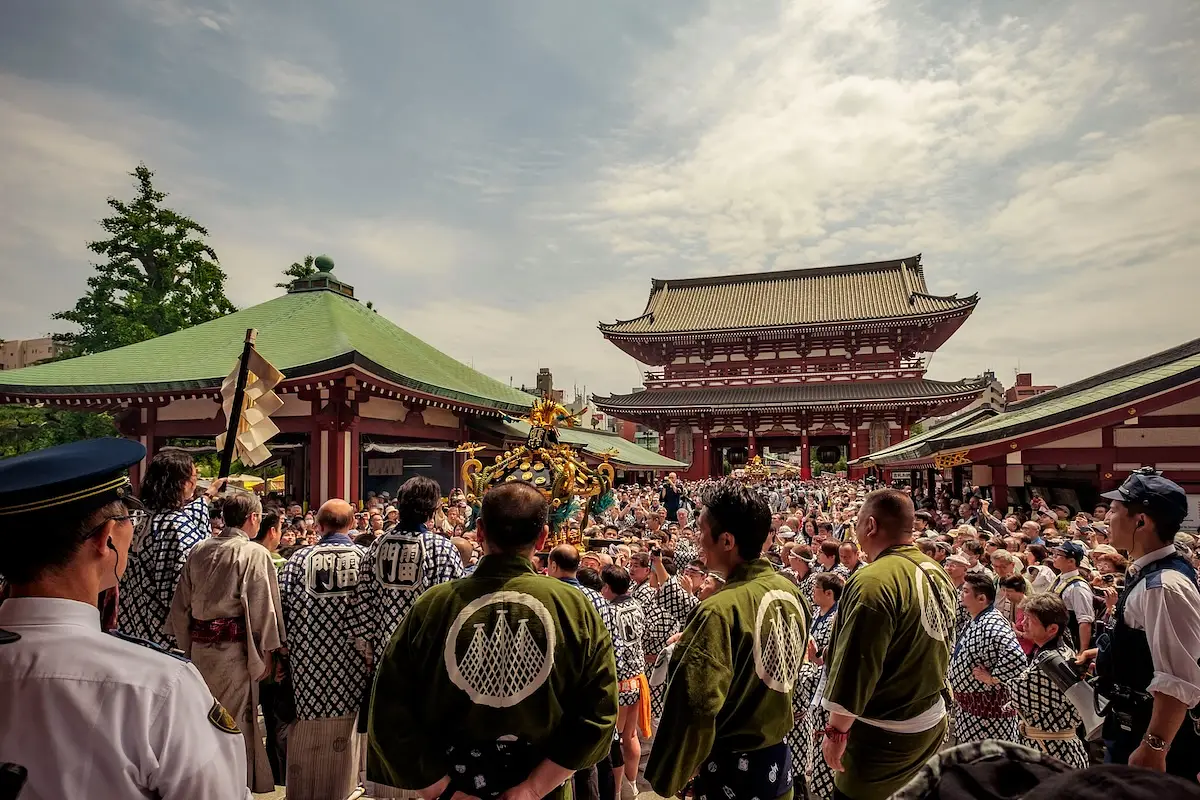
If Tokyo were a personality, Sanja Matsuri would be the unapologetic extrovert. The brave friend. The one who arrives late, noisy, and memorable.
Sanja Matsuri is one of Tokyo's largest and most electrifying shrine festivals, occurring annually on the third weekend of May in Asakusa. It is not only a "May festival in Japan." The Asakusa celebration lasts three days and features movable shrines (mikoshi), chanting, street cuisine, and enough energy to power half of the city.
If you've been searching for what Sanja Matsuri is or when Sanja Matsuri 2026, let us lay it down properly, elegantly but accurately.
Sanja Matsuri 2026 Key Details
Dates |
Expected: May 15–17, 2026 (third weekend of May, annually) |
Opening Hours |
Events run throughout the day, typically from morning to evening. The main mikoshi parades peak on Saturday and Sunday afternoons. |
Location |
Asakusa Shrine & surrounding Asakusa district, Tokyo |
Admission |
Free (public street festival) |
Official Website |
|
Nearest Station |
Asakusa Station (Tokyo Metro Ginza Line) Asakusa Station (Toei Asakusa Line) Asakusa Station (Tobu Skytree Line) |
Organizer |
Asakusa Shrine |
What to Expect at Sanja Matsuri
This is not a calm tea ceremony. It is a sight.
Over 100 Portable Shrines (Mikoshi)
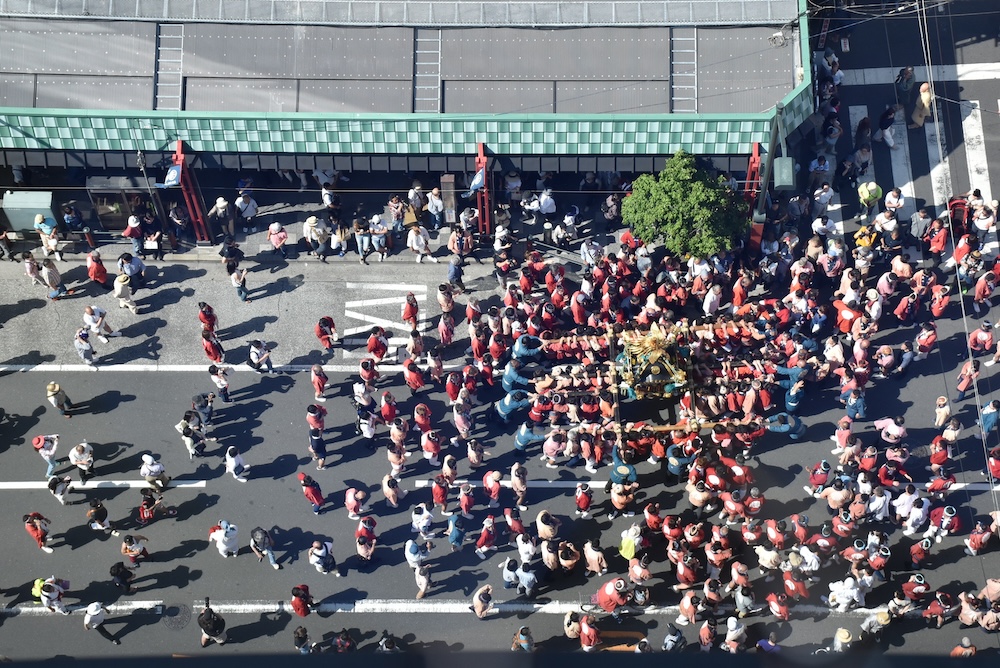
Neighborhood groups carry ornate mikoshi through the streets, bouncing them rhythmically while chanting. It’s intense. It’s loud. It’s beautiful chaos.
The Main Shrine Procession
On Sunday, three major mikoshi representing Asakusa Shrine’s deities parade through the district. This is peak Sanja Matsuri.
Street Food Heaven
Yakisoba. Takoyaki. Candied fruit. Fried everything. This is not the time for restraint.
Festival Fashion
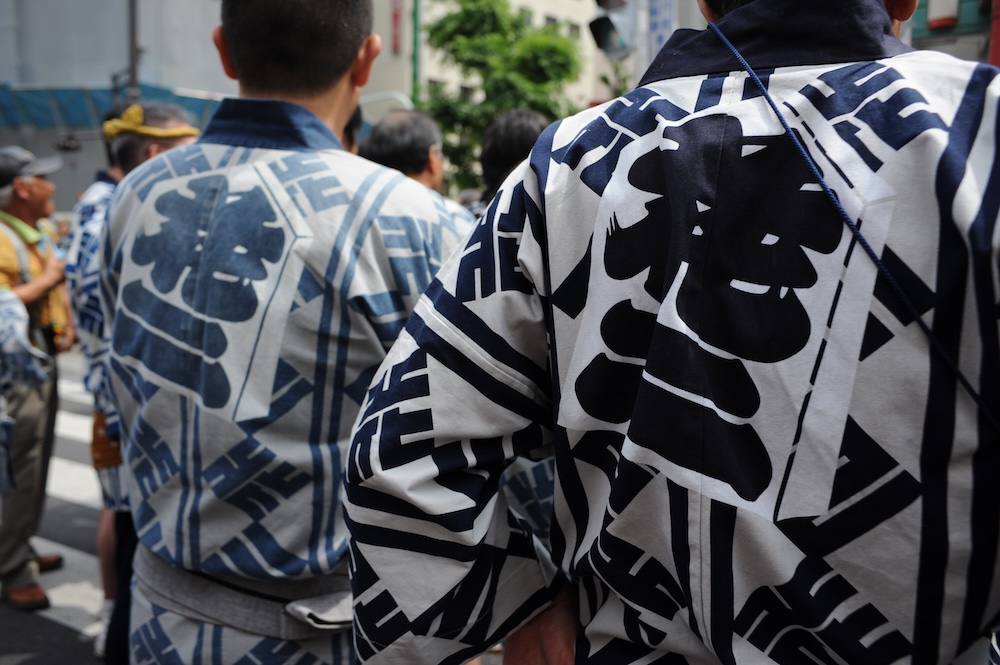
Traditional happi coats, tabi socks, and occasionally tattoos on full display. And yes, you absolutely can wear yukata to Sanja Matsuri. It’s common and welcomed.
Shrine Energy Meets Street Party
Unlike more serene shrine festivals, Sanja Matsuri is raw, high-energy, and community-driven. Think devotion with a pulse.
Who Is Sanja Matsuri For?
First-time Tokyo visitors who want something iconic
Culture lovers who prefer energy over silence
Festival photographers
Food-focused travelers
Anyone who wants to see a true Japanese shrine festival in action
Tourist-friendly? Yes. Asakusa is one of Tokyo's most accessible areas, and festival signage is simple to follow. Simply expect crowds.
Pro Tips
Arrive early on Sunday for the main mikoshi viewing.
Bring cash for food stalls.
Stay hydrated May can be warm.
Wear comfortable shoes (standing + walking + crowds = no stilettos).
Does Sanja Matsuri affect restaurant availability?
Yes. Absolutely. Restaurants around Asakusa get busy, especially Saturday evening and Sunday. Make reservations if possible, or eat earlier than usual.
What to Wear at Sanja Matsuri
Yes, you can wear yukata to Sanja Matsuri, and you’ll fit right in.
May weather is warm but not peak summer. Think:
Light clothing
Breathable fabrics
Comfortable shoes
Crossbody bag (hands-free is queen energy)
How to Get to Sanja Matsuri
The festival takes place in Asakusa, one of Tokyo’s easiest neighborhoods to reach.
From Tokyo Station:
Take JR to Ueno Station
Transfer to Tokyo Metro Ginza Line - Asakusa
From Shinjuku:
Take JR to Ueno
Transfer to Ginza Line - Asakusa
If you’re traveling around Japan before or after Tokyo, a JR Pass or Regional Pass may simplify long-distance travel.
Nearby Recommendations
You’re in Asakusa, the classic Tokyo.
Attractions
Senso-ji Temple
Nakamise Shopping Street
Tokyo Skytree (short train ride)
For a broader Asakusa guide, JapanDen’s Tokyo highlights article is a great companion read.
Where to Stay
Staying near Asakusa makes festival mornings easier. Browse Tokyo accommodations through JapanDen to secure a nearby base.
More About Sanja Matsuri
Sanja Matsuri translates as "Three Shrine Festival." It honors Senso-ji Temple's three founders, making it a cultural occasion for both Buddhism and Shintoism.
It stretches back centuries and draws about 2 million guests over the weekend, making it one of Tokyo's most popular annual events.
It combines commitment, neighborhood pride, and ordered anarchy. And it's unforgettable.
Planning Your Visit
You’re not casually browsing anymore, you have decided.
Stay Smart
Book accommodation in Asakusa or nearby Ueno early through JapanDen. Festival weekends fill quickly.
Travel Efficiently
If Tokyo is one stop on your Japan itinerary, compare JR Pass or Regional Pass options before arrival.
Stay Connected
Crowds + maze-like streets = navigation drama. A Pocket Wi-Fi keeps you connected. SIM cards can also be added during JR Pass checkout.
Meet & Greet
Arriving in Tokyo during festival week? A Meet & Greet airport service can assist with JR Pass exchange and transit navigation. It’s helpful if you prefer smooth starts over subway guessing games.
Cash
Although Japan is going digital in a big way, cash is still king at a lot of food stalls and very small festival shops.
FAQs About Sanja Matsuri
Q: What is Sanja Matsuri?
A: It’s one of Tokyo’s largest shrine festivals, held annually in Asakusa to honor three founders of Senso-ji Temple.
Q: When is Sanja Matsuri?
A: Every year on the third weekend of May.
Q: When is Sanja Matsuri 2025?
A: May 16–18, 2025 (third weekend of May).
Q: Is Sanja Matsuri free?
A: Yes. It’s a public festival with no admission fee.
People Also Ask
How crowded is Sanja Matsuri?
Very crowded. Nearly 2 million visitors attend over the three days, especially on Saturday and Sunday.
Where does Sanja Matsuri take place?
In Asakusa, Tokyo, centered around Asakusa Shrine and Senso-ji Temple.
What happens during Sanja Matsuri?
Over 100 portable shrines (mikoshi) are carried through the streets, along with traditional music, chanting, and street food stalls.