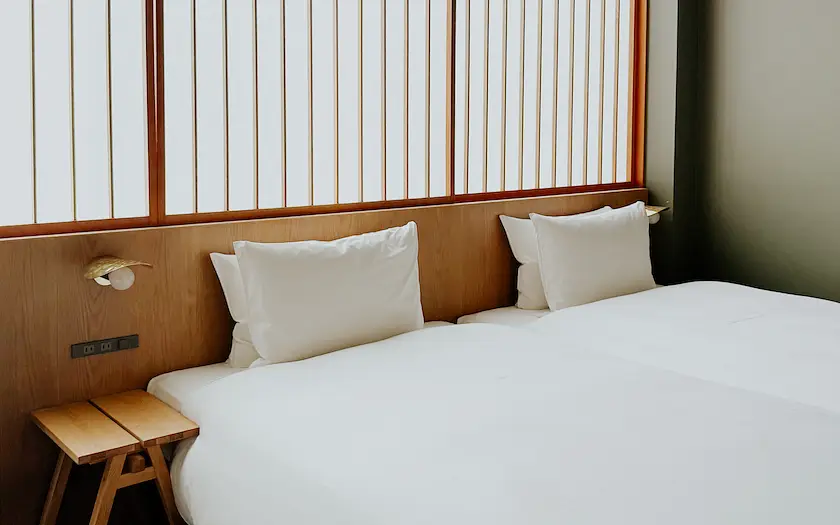
A new trend is changing how travelers experience Japan
Hotels and inns across Japan are accelerating their shift to "stay-only" plans that do not offer meals. This change is in response to the chronic labor shortage the industry faces and the needs of tourists seeking diverse travel experiences. While this new trend has the potential to revitalize local economies, it also highlights challenges, such as limited dining options, especially in rural areas.
Official sources:
https://toyokeizai.net/articles/-/872444?display=b
https://remotelock.kke.co.jp/article/ryokan-bnb/

What Are Room Only Stays?
Traditional Japanese inns are known for their luxurious kaiseki cuisine and warm hospitality, but in recent years, their business model has been undergoing significant change. The shift toward “room-only stays” without meals and the trend toward “guesthouse-style operations” is no longer limited to business hotels. Many inns face serious challenges: the high labor costs required for preparing and serving meals, and chronic staff shortages.
According to an article in Toyo Keizai Online, the lodging industry's revenue sources traditionally relied heavily on food and banquets, not room rates. However, providing meals requires numerous staff and significant time, from preparing ingredients to cooking, serving, and cleanup. To reduce this burden and achieve more efficient operations, many facilities are choosing to simplify or eliminate meal services. This allows hotels and inns to control operating costs and focus on providing high-quality lodging services with fewer staff. This transformation is not merely about cost reduction; it is also redefining the core value of inns: providing “healing” and “tranquility.”

Why This News Matters For Travelers
This trend has the potential to fundamentally change the way you experience Japan. Instead of staying confined to packaged hotel experiences, you'll be encouraged to step outside and discover hidden gems frequented by locals. This leads to serendipitous encounters and meaningful discoveries, like finding a family-run soba noodle shop that's been in business for decades, making for a more memorable journey. This shift reflects a move toward more sustainable tourism, where traveler spending is distributed more widely among small local businesses rather than concentrated in large hotel chains.

What’s Next for Room-Only Stays in Japan?
For those planning a trip to Japan, this trend means greater flexibility in dining choices. (You can select meals based on preferences like local specialties, convenience store meals, or vegetarian options.) While traditional meal-inclusive plans remain available, more affordable room-only plans are also increasing. When visiting regional areas, especially on holidays, it's wise to plan meals in advance.
To ensure a smooth trip, consider the following:
・Looking for a classic hotel stay? JapanDen offers a wide selection of convenient hotels in prime locations.
・Research local restaurants: Before arrival, use local food websites and translation apps to scout dining options near your accommodation.
・Make reservations: For popular restaurants or in smaller towns, advance reservations are highly recommended, especially during peak seasons.
・Smooth Travel Options: The JR Pass is an essential item for maximizing your travel enjoyment. Booking airport luggage pickup and hotel transfer services(M&G upon arrival ensures a stress-free start to your trip.
・Stay connected: Reliable mobile Wi-Fi or a SIM card is essential for checking restaurant reviews while on the move.
FAQs
Q. What is a "room-only" stay?
A. "room-only" stay is an accommodation plan that includes a room for the night but does not come with any meals (e.g., dinner or breakfast). It is a common model in business hotels but is now being adopted by traditional Japanese inns (ryokan) as well.
Q. How can I find a room-only hotel?
A. Most hotel booking sites allow you to filter your search by meal plan, such as "no meals included" or "room only." This is the best way to find these types of accommodations.
Q. Why are hotels in Japan adopting this trend?
A. The main drivers are a severe labor shortage in the hospitality industry, as well as a growing preference among international and domestic tourists for the flexibility to eat out at local restaurants.
Q. Is it difficult to find food in rural areas with room-only stays?
A. It can be. While this trend aims to support local businesses, some smaller towns may have limited dining options, especially at night or on specific days of the week. It’s always best to research and plan your meals ahead of time if you're staying in a more remote location.
Q. Does this trend affect traditional ryokan?
A. Yes, many traditional ryokan, which are famous for their elaborate kaiseki (multi-course) dinners, are beginning to offer room-only or breakfast-only plans. This allows them to stay competitive and manage staffing while still providing a traditional, comfortable stay.