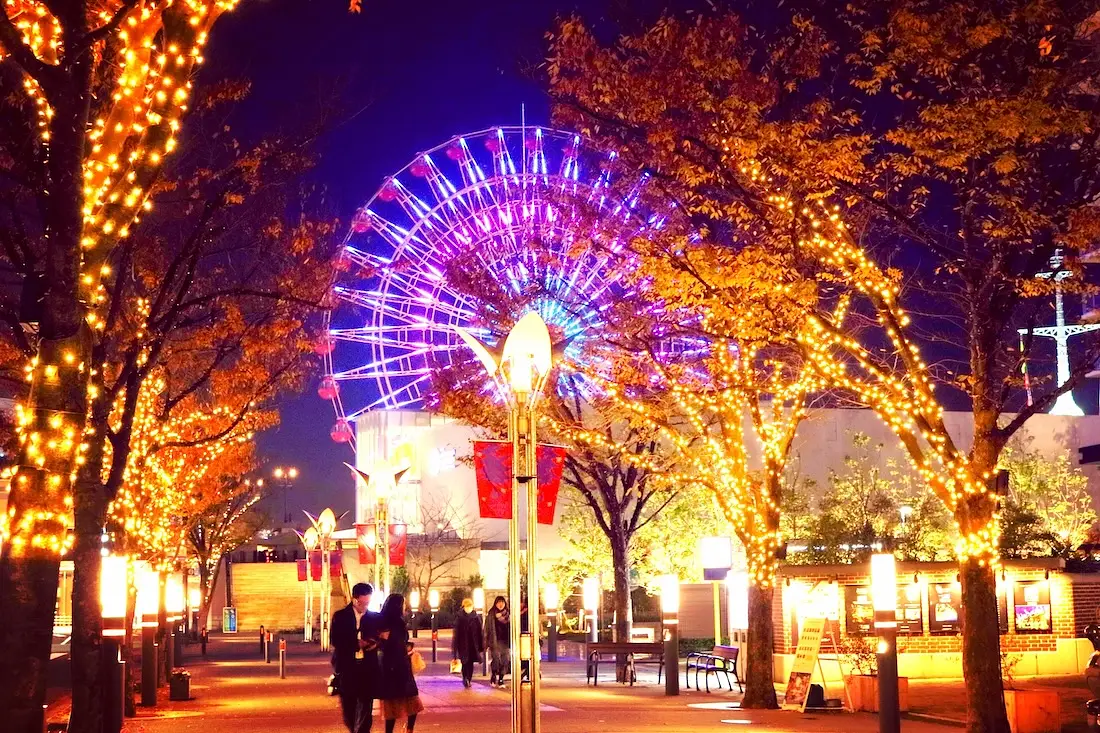
A city reborn in light
Venue: Central Kobe (Motomachi - Former Foreign Settlement - Higashi Yūenchi Park / Meriken Park)
When: January 30 – February 8, 2026 (expected)
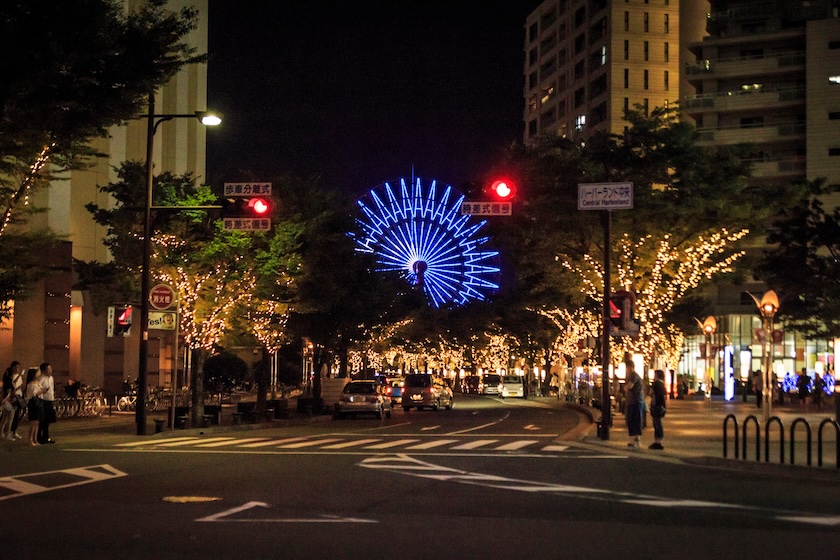
Kobe is transformed into a blazing temple of lights every winter, complete with towering arches, countless illuminated hallways, and entire streets bathed in brilliant gold, white, and jewel tones. Kobe Luminarie is not your typical winter lighting. It started in 1995 as a memorial to the Great Hanshin–Awaji Earthquake victims, a representation of resilience, hope, and the possibility of reconstruction. Millions of people go to walk the same glowing path, which serves as a constant reminder of resiliency, making it one of Japan's most poignant, significant, and breathtaking events today.
You've come to the correct location if you're looking for Kobe luminarie, Kobe lights, or luminarie. Let's go over everything with you, including where to go, what to anticipate, and how to get the most out of it.
Kobe Luminarie 2026 Key Details
Key Details |
Info |
Dates |
January 30 – February 8, 2026 (expected; always confirm before travel) |
Opening Hours |
~17:00 – 21:30 (lights-on after dusk; pedestrian control varies) |
Location |
Central Kobe: Motomachi - Former Foreign Settlement - Higashi Yūenchi Park / Meriken Park |
Admission |
Free for most of the route; some installations in Meriken Park may require a small fee or donation |
Official Website |
|
Nearest Station |
Motomachi Station (JR / Hanshin), Sannomiya Station (JR / Hankyu / Hanshin) |
Organizer |
Kobe Luminarie Organizing Committee |
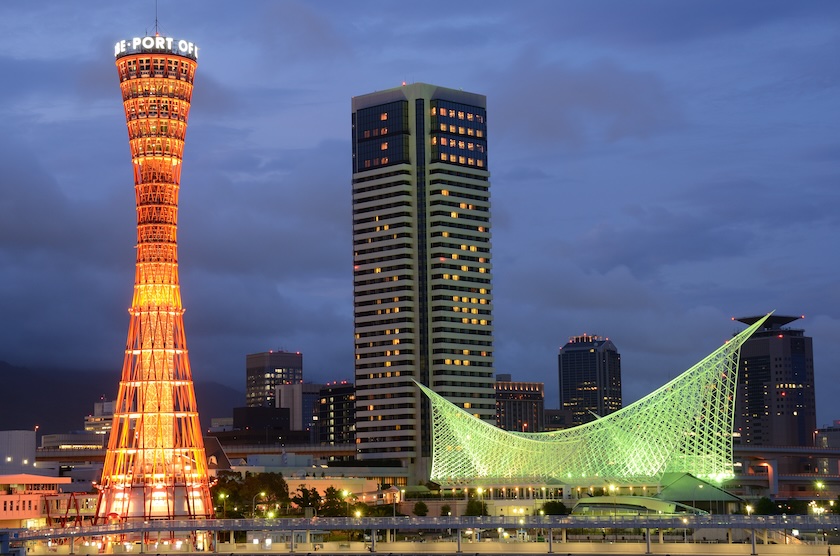
What to Expect at Kobe Luminarie
A European event brought to Japan with a dramatic cinematic twist is what Kobe Luminarie feels like. The event, which draws inspiration from Italian luminaire customs, includes:
Towering light arches reaching over 20 meters
Long illuminated tunnels stretching across city streets
A “light cathedral”, the festival’s emotional center
New installations each year, often themed around hope and recovery
Street-food stalls offering festival classics
Live performances and small community booths along certain sections
Crowds move steadily but slowly; picture a runway walk rather than a Sunday stroll. Because of the enormous popularity of the event, pedestrian traffic is closely regulated. The atmosphere, which is a mix of joy and remembrance, is unlike any other winter event in Japan, and the lights are truly remarkable.
Who Is Kobe Luminarie For?
Kobe Luminarie appeals to:
Couples: seeking something romantic and cinematic
Families: wanting a safe, festive activity
Solo travelers: who love cultural events
Photography lovers: (just be ready for the “keep moving” rule)
History buffs: interested in the earthquake memorial context
Pro Tips
Best Arrival Time
Arrive between 17:00–18:00, right after the lights switch on. Later hours mean heavier crowds, especially on weekends.
Bring:
Gloves & heat packs (Kobe evenings get cold)
Cash for street food and small donations
Portable charger (photos will drain your phone fast)
Navigation Tips
Follow the event's official walking route from Motomachi.
You cannot walk backward, the flow is one direction only.
Stopping for long photos is discouraged in narrow areas.
Crowds & Wait Times
Expect:
Light to moderate crowds on weekdays
Heavy crowds Friday–Sunday
Very slow movement at the cathedral installation
What to Wear at Kobe Luminarie
Kobe winter nights demand warm layers. Think:
Insulated coat
Scarf, gloves, beanie
Comfortable shoes, the full walk can take 60–90 minutes
The event is outdoors, so stylishly warm is the move. You’ll thank yourself later.
How to Get to Kobe Luminarie
From Osaka / Kyoto:
Take the JR Kobe Line - Motomachi Station
Or JR / Hankyu / Hanshin lines - Sannomiya Station
Walking Access:
Motomachi Station - festival entrance: 3–5 minutes
Sannomiya Station - festival route: 8–10 minutes
The area is extremely central, so you won’t need buses or taxis unless you're staying far from downtown.
If you're using long-distance rail, plan with a JR Pass or Kansai Regional Pass, smart choices for multi-city Kansai travel.
Nearby Recommendations
Food
Nankinmachi (Kobe Chinatown): quick bites before or after the lights
Motomachi cafés: cozy spots for coffee & cake
Sannomiya izakaya: warm dishes and lively atmosphere
Sightseeing
Meriken Park
Kobe Port Tower
Former Foreign Settlement
Ikuta Shrine
Hotels
Stay near Sannomiya for the best access, browse JapanDen accommodation for hotels close to the route.
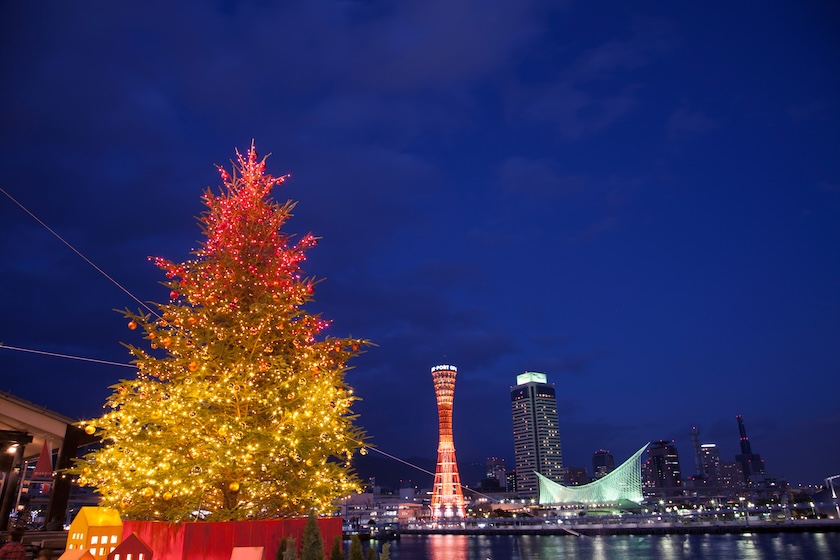
More About Kobe Luminarie
Founded in 1995, only months after the Great Hanshin–Awaji Earthquake
Originally created with support from Italian artists & designers
Designs feature hundreds of thousands of lights
Attendance has reached 3–5 million visitors in peak years
The aesthetic borrows from European luminarie traditions, arches, walls, tunnels, and grand cathedral façades
Even with its scale, the heart of Luminarie remains deeply emotional, a reminder of loss, recovery, and the spirit of community.
Planning Your Visit
Here’s your practical checklist:
Book accommodation early - see JapanDen for hotels near Sannomiya or Motomachi
Use a JR Pass or Regional Pass to reach Kobe easily
Stay connected - reserve a Pocket Wi-Fi or SIM card before flying
Meet & Greet - consider airport assistance for smooth arrival
Remember etiquette - follow the walking route, avoid blocking paths for photos
Have cash - donations and food stalls often prefer it
FAQs About Kobe Luminarie
Do I need a ticket?
Most of the events are free. Some Meriken Park installations may require a small fee.
Is it kid-friendly?
Yes, though be mindful of crowds.
Is it wheelchair-friendly?
Mostly, but narrow paths can be tight. Help from staff is available.
Are there English signs?
Limited, but the route is intuitive and heavily guided.
People Also Ask
Where is Kobe Luminarie 2026?
Kobe Luminarie 2026 takes place in central Kobe, mainly around Motomachi, the Former Foreign Settlement, and Higashi Yūenchi Park, with some installations extending toward Meriken Park.
What is the meaning of Kobe luminarie?
Kobe Luminarie is a light festival created to honor the victims of the 1995 Great Hanshin–Awaji Earthquake and symbolize hope, remembrance, and the city’s recovery.
How long does Kobe Luminarie last?
Usually around 10 days each winter.