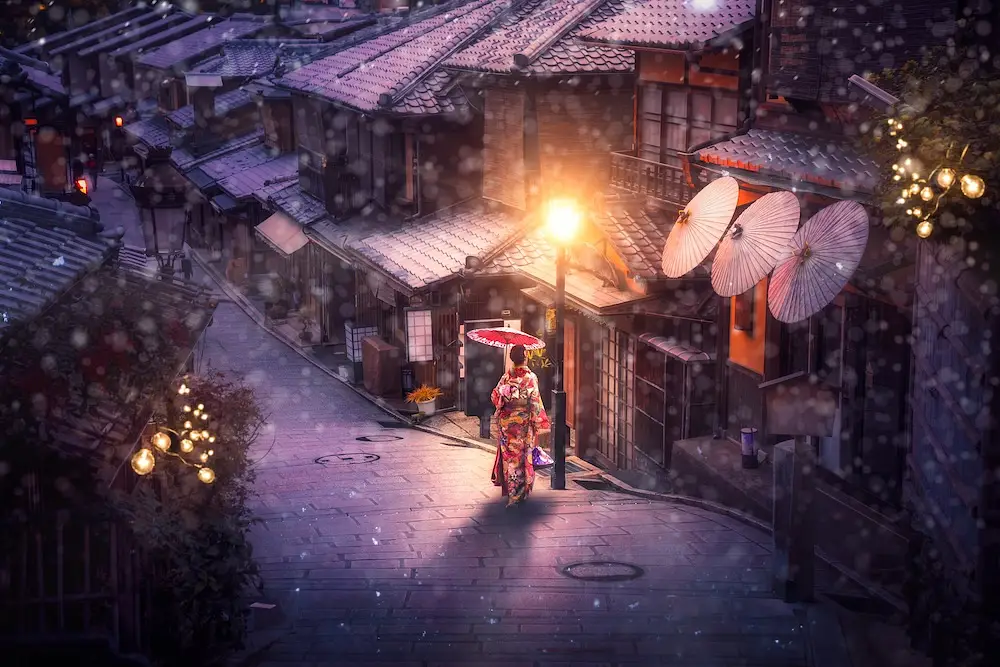
Warm baths, slow light, deep reset
Venue: Nishi Waseda area of Tokyo (sento, ryokan, temples nearby)
When: December 21–22, 2025
The Japan winter solstice, known as Tōji, isn't loud, flashy, or Instagram-chaotic, and that's exactly what makes it amazing. Tōji, observed on December 21-22, is the shortest day and longest night of the year, representing a respite before the light returns. Imagine fewer pyrotechnics and more steam rising from a citrus-scented bath. Less crowds, more calm. It's Japan at its most seductively quiet: wellness rituals, seasonal food, and a collective breath before the New Year race.
If you're in Tokyo, particularly in the Nishi Waseda region, now is the time to immerse yourself in local life, soak up the atmosphere, and feel extremely proud of yourself for prioritizing self-care before sightseeing.
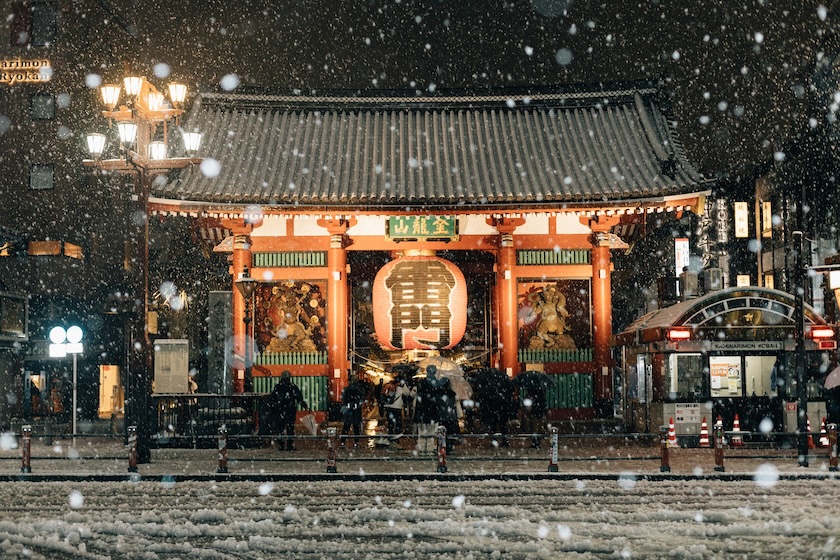
Japan Winter Solstice (Tōji) 2025 Key Details
Dates |
December 21–22, 2025 |
Opening Hours |
Varies by bathhouse / temple (most sento open from afternoon to late evening) |
Location |
Nishi Waseda area, Tokyo |
Admission |
Usually standard sento entry fee (¥500–¥550) |
Official Website |
|
Nearest Station |
Kaihin-Makuhari Station (JR Keiyo Line) |
Organizer |
Varies by bathhouse / temple |
What to Expect at Japan Winter Solstice (Tōji)
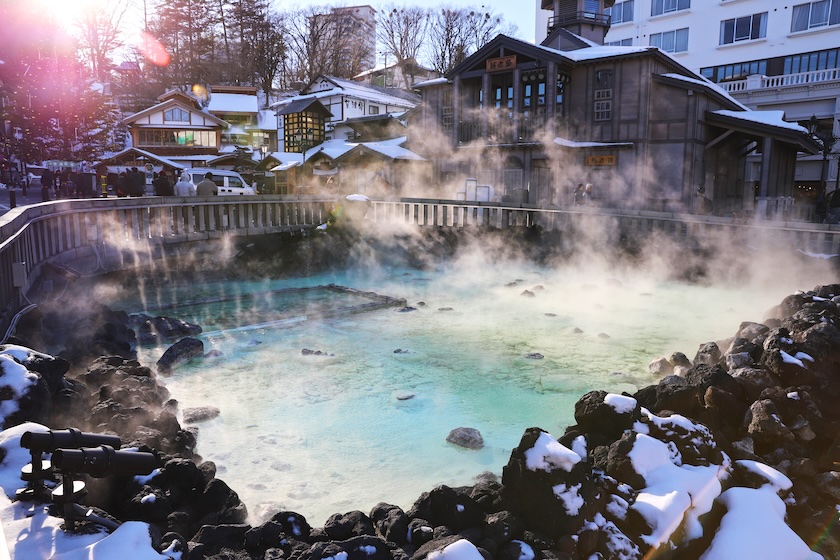
Let's start with the main attraction: yuzu baths (yuzu-yu). On Tōji, entire yuzu citrus fruits float serenely in scalding hot water, delivering a fresh, crisp smell that seems like winter wellness packaged by Mother Nature herself. These baths are thought to prevent colds, promote circulation, and provide good luck for the next year.
Beyond the baths, expect:
Seasonal winter dishes, especially kabocha (Japanese pumpkin)
Quiet temple observances and subtle rituals
A general vibe of reflection, rest, and renewal
This is not a "plan every minute" type of event. It's a "go with the flow" scenario.
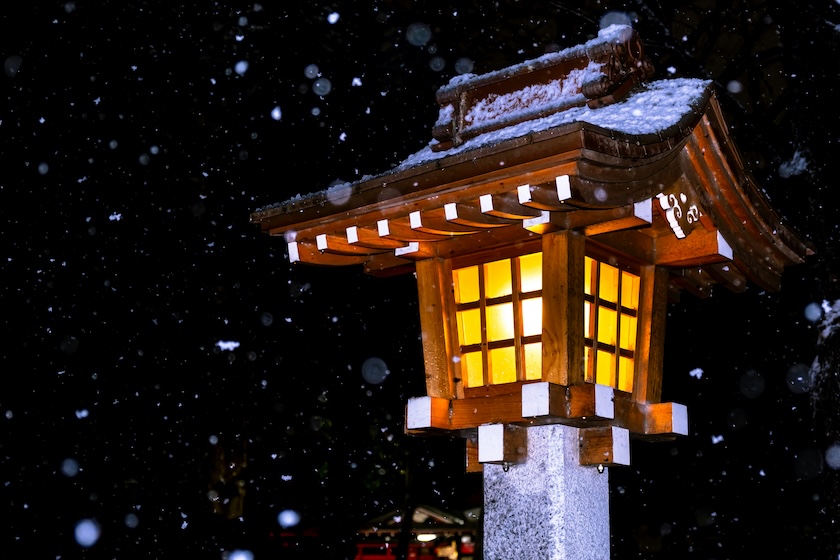
Who Is the Japan Winter Solstice (Tōji) For?
Solo travelers craving calm
Couples who prefer onsen dates over bar hopping
Wellness lovers and slow-travel fans
Culture-curious visitors who want real, everyday Japan
It's incredibly tourist-friendly, yet subtle. Most sento are simple to traverse, and personnel are accustomed to first-timers. You don't need to be fluent in Japanese, just have nice manners and enjoy hot water.
Pro Tips
Visit in the evening when the contrast between cold air and hot baths is most satisfying
Bring cash (many sento don’t accept cards)
If you have tattoos, check rules in advance (some sento are tattoo-friendly)
Drink water before and after bathing, hydration is chic
What to Wear at the Japan Winter Solstice (Tōji)
Layers. Tokyo in late December is cold but dry. Think:
Warm coat, scarf, gloves
Easy-to-remove shoes
Comfortable clothing for post-bath bliss
Inside the sento, you'll have everything you need, just follow the instructions and channel your inner Zen Goddess.
How to Get to Japan Winter Solstice (Tōji)
From central Tokyo:
Take the Tokyo Metro Fukutoshin Line
Get off at Nishi-Waseda Station
Walk 5–10 minutes to nearby sento or temples
If you're traveling outside Tokyo, a JR Pass or Regional Pass makes winter travel effortless and warm-station hopping elegant.
Nearby Recommendations
Food:
Cozy neighborhood ramen shops
Seasonal Japanese set-meal restaurants serving kabocha dishes
Attractions:
Waseda University campus stroll
Local shrines tucked between residential streets
Where to Stay:
Find peaceful hotels near Nishi Waseda on JapanDen.
More About Japan Winter Solstice (Tōji)
The Japan winter solstice (Tōji) celebrates the shortest day and longest night of the year. It has been honored for generations as a time of rebirth and protection during winter. Although the day is dark, it represents the turning moment when daylight returns.
One of the most well-known practices is the yuzu bath (yuzu-yu), which is thought to prevent colds, enhance circulation, and purify negative energy. In Japan, the aroma of fresh citrus has come to represent winter warmth and seasonal wellness.
Food customs play an essential significance. Kabocha (Japanese pumpkin) is historically consumed because of its high nutritional value and long shelf life, which helps people keep strong during the cold season.
Rather than a huge festival, Tōji is a peaceful, thoughtful observance based on self-care, warm meals, and slowing down. For visitors, it provides an intimate glimpse into how Japan celebrates the return of light through modest, significant rituals.
Planning Your Visit
Make your winter solstice experience smooth and stylish:
Book accommodation early with JapanDen
Stay connected with Pocket Wi-Fi (SIM cards available at checkout with passes)
Arrive stress-free with Meet & Greet services
And remember: bathing etiquette matters. Wash before soaking, keep towels out of the water, and embrace the quiet.
FAQs About Japan Winter Solstice (Tōji)
Do I need a ticket?
No. Most activities involve visiting public bathhouses with standard entry fees.
Is it kid-friendly?
Yes, though younger children should be supervised in baths.
Are there large festivals or parades?
No, Tōji is intentionally low-key and personal.
Are yuzu baths available everywhere in Japan?
Many sento and onsen offer them, especially in cities.
People Also Ask
What is the winter solstice called in Japan?
It’s called Tōji, marking the shortest day of the year.
Why do Japanese people take yuzu baths on the winter solstice?
For health, warmth, and good fortune, it’s a centuries-old wellness ritual.
Where can tourists experience Tōji in Tokyo?
Neighborhoods like Nishi Waseda with local sento are ideal.