Wild, weird, unforgettable.
Venue: Multiple shrines across Japan
When: Varies by location (January–February)
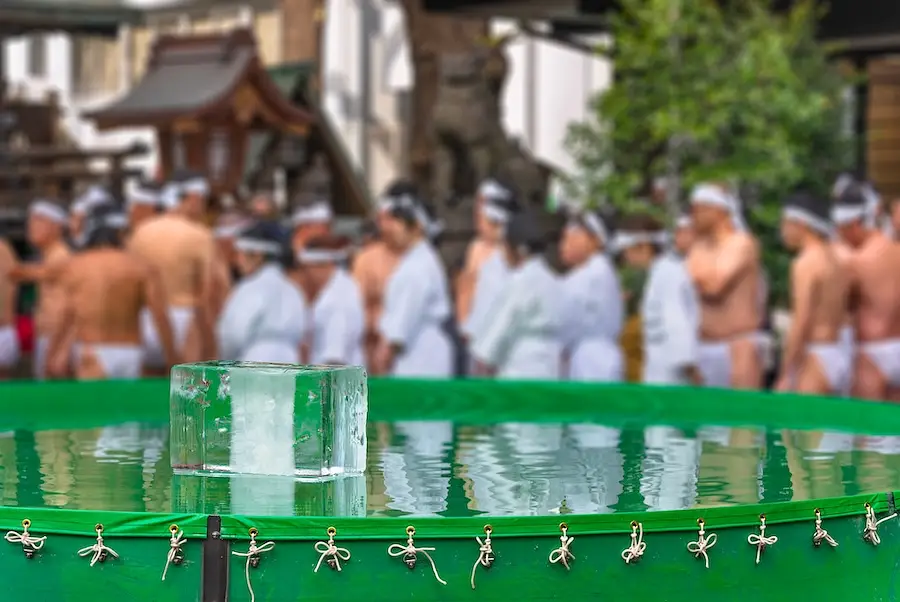
Let's be clear: Hadaka Matsuri, the local name for Japan's Naked Festival, is not a seductive free-for-all. Thousands of men (and in some locations, women) participate in this centuries-old spiritual ceremony by stripping down to their loincloths, charging through crowds, and fighting for good fortune. It's unadulterated, boisterous, disorderly, and, to be honest, quite iconic.
If you’ve ever Googled what Japan's naked festival or naked man festival is, this is what you were looking for: ancient tradition, modern madness, and a level of energy that makes regular festivals look positively shy.
Japan Naked Festival 2026 Key Details
Dates |
January–February 2026 (varies by shrine) |
Opening Hours |
Typically afternoon to late evening (varies by event) |
Location |
Shrines across Japan (Okayama, Iwate, Fukushima, Nagoya, etc.) |
Admission |
Free to watch; participation often requires registration |
Official Website |
Saidaiji Eyo (Okayama) – https://www.saidaiji.jp Kuroishi Onsen Hadaka Matsuri – Local tourism sites Kokuseki-ji Somin-sai – Local tourism sites |
Nearest Station |
Vary by shrine (usually JR lines + local buses) |
Organizer |
Local shrine associations |
What to Expect at Japan’s Naked Festival
Let’s break it down:
It’s not about nudity, it’s about luck
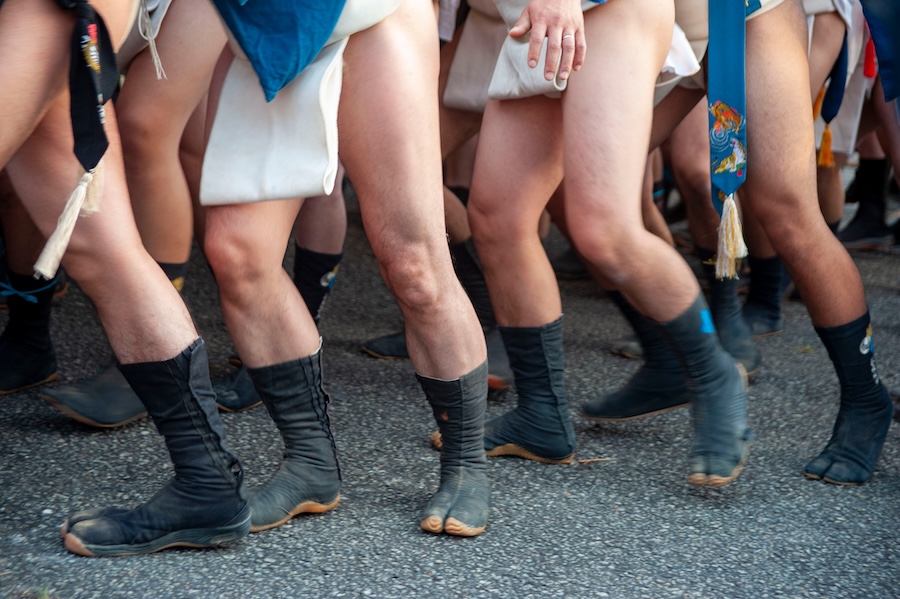
Participants wear a fundoshi (traditional loincloth) and sometimes split-toe socks. The goal? Catch a sacred object thrown by a priest. Whoever grabs it is blessed with good fortune for the year.It’s a spiritual free-for-all
Thousands of men crash into each other in a human tidal wave, all chasing divine favor. Think: rugby, but make it religious.It’s loud, sweaty, and totally electric
Chanting, drums, whistles, cold water splashing, this is not a quiet prayer circle. This is ancient chaos with a purpose.Yes, women can participate, but only at certain festivals
Despite what you might search (naked women festival), most Hadaka Matsuri are male-only. A few modern versions now allow women, but it depends on the shrine.
Who Is Japan’s Naked Festival For?
This festival is for:
Culture lovers who want something deeply Japanese
Adventure travelers who want a story no one else has
Photographers looking for raw emotion
Festival collectors ticking off legendary experiences
It is not for people expecting erotic content. This is spiritual, not seductive.
Pro Tips
Go early. Crowds are wild and space disappears fast.
Bring cash. Rural festivals rarely take cards.
Use lockers. Shrines usually offer storage.
Follow the crowd. The action moves quickly.
What to Wear at a Naked Festival
If you’re watching:
Warm coat
Gloves
Scarf
Waterproof shoes
If you’re participating:
Fundoshi (often provided)
White socks
Absolute commitment
How to Get There
Most naked festivals take place near regional shrines. You’ll usually go:
JR Train from Tokyo, Osaka, or Kyoto
Local line or bus to the shrine
Short walk
This is where a JR Pass or Regional Pass becomes your best friend.
Nearby Recommendations
These festivals often happen in smaller cities, so you’ll want to book nearby.
JapanDen has hotels close to:
Okayama (Saidaiji Eyo)
Morioka (Kokuseki-ji)
Aomori (Kuroishi)
Book early, festival weekends sell out fast.
More About Hadaka Matsuri
These celebrations, which date back more than a millennium, have their roots in early Buddhist influences and Shinto purification rites, where physical suffering was thought to purify the body and the soul. Near-nakedness represents equality, humility, and purity—no prestige, no money, no ego, simply people before the gods.
It is believed that by obtaining the sacred relic or touching the "lucky man" (shin-otoko), participants can transfer disease, bad luck, and misfortune away from themselves. Exhaustion, cold water, and crowd pressure are all part of the process, not side effects. Sincerity attracts blessings, and endurance demonstrates sincerity.
Therefore, it has nothing to do with nudity.
It's about letting go of the negative energy from the previous year, navigating the pandemonium together, and entering the new year clean, rejuvenated, and safe—a collective reset button, Japan-style.
Planning Your Visit
Book early (JapanDen): Naked festivals happen in small towns, hotels sell out fast. Secure accommodation near the shrine with JapanDen.
Get there easily (JR Pass / Regional Pass): Most events are best reached by train. Pick the pass that fits your route and saves money.Stay connected (Pocket Wi-Fi + SIM): Rural areas need reliable maps and translation. Add a SIM when buying your pass for zero hassle.
Arrive relaxed (Meet & Greet): Airport help + JR Pass activation = stress-free start.
Mind the etiquette: This is a sacred ritual so please be respectful, follow staff directions, and don’t block participants.
Carry cash: Shrines and stalls often don’t take cards.
FAQs About Japan’s Naked Festival
Q: Do I need a ticket?
A: No. Watching is free. Participation usually requires pre-registration.
Q: Is it kid-friendly?
A: Yes to watch, but it’s loud and crowded.
Q: Are women allowed?
A: Some festivals allow women, but many are men-only.
People also ask
What is Japan’s naked festival?
A traditional religious festival where participants wear only a loincloth to take part in purification rituals believed to bring luck, health, and renewal.
Can tourists participate in Japan’s naked festival?
Yes, at some festivals, but registration is usually required, and rules vary by shrine.
When does Japan’s naked festival take place?
Usually between January and February, depending on the location.