.jpeg)
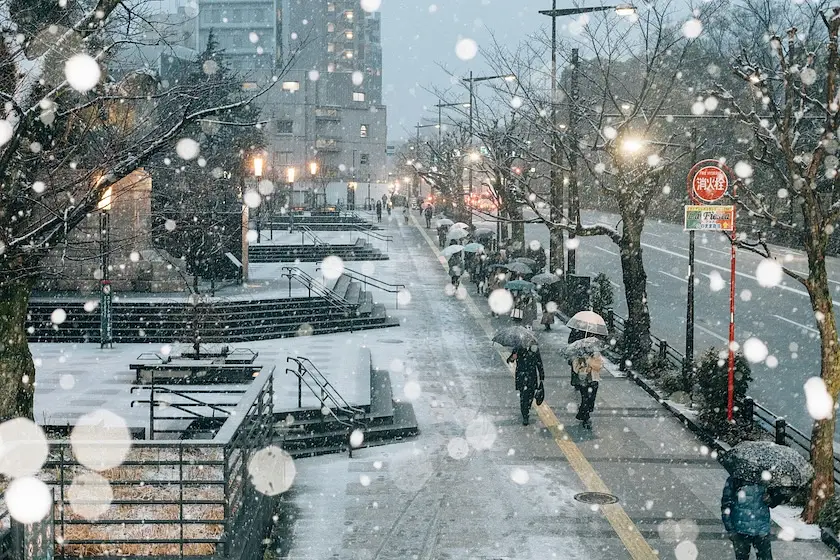
Tokyo’s Winter Wonderland
What’s it really like in Tokyo in January? As the New Year’s energy settles, the city transforms. Tokyo weather in January is typically crisp and dry, offering brilliantly clear skies and a unique sense of calm. But don’t let the cool air fool you because the city is buzzing with some of the year’s most exciting Tokyo happenings.
From the raw power of traditional tournaments and sacred festivals to massive showcases, January offers a vibrant mix of ancient customs and modern thrills.
This guide is your key to unlocking the best of Tokyo’s winter scene, ensuring you don’t miss a moment. Whether you’re a sports fan, a culture seeker, or a savvy shopper, you’ll find an event that makes your trip unforgettable.
Major January Events in Tokyo
January in Tokyo is a month packed with energy, tradition, and spectacle. From sacred Shinto rituals to vibrant street celebrations, the city comes alive with festivals and events that offer travelers a rare glimpse into Japan’s deep-rooted culture alongside its modern dynamism. Below are some of the major happenings you won’t want to miss.
Daikoku Matsuri at Kanda Myojin Shrine
This annual festival at Kanda Myojin Shrine (pictured above) is said to bring blessings for family harmony and business prosperity. Costumed performers, representing the gods Daikoku and Ebisu, purify attendees by waving a small magic mallet and a lucky bell over their heads.
The festival’s highlight is the “Kanchu Misogi Gaman Kai,” an intense purification ritual where men in traditional loincloths and women in thin white robes brave the winter cold to bathe in icy water, a truly unforgettable sight.
Key Details | |
|---|---|
Dates |
January 17–19, 2025 |
Opening Hours |
9:00 AM – 5:00 PM |
Location |
Kanda Myojin Shrine, Tokyo |
Admission |
Free |
Official Website |
|
Nearest Station |
Ochanomizu Station (JR Chuo & Sobu Lines) |
Organizer |
Kanda Myojin Shrine |
.jpg)
Grand Sumo Tournament
Sumo, Japan’s national sport, is a huge hit with international visitors. While tournaments are held throughout the year, the one in January is called the “hatsu basho” (first tournament), giving it a special significance. The raw power of the wrestlers colliding, the electric atmosphere from the crowd, and the unique ambiance of the Kokugikan arena are something you have to experience firsthand.
Key Details | |
|---|---|
Dates |
January 11–25, 2026 |
Opening Hours |
9:20 AM – 5:55 PM *depends on the day |
Location |
Ryogoku Kokugikan, Tokyo |
Admission |
¥2,500 ~ 15,000 |
Official Website |
|
Nearest Station |
Ryogoku Station (JR Sobu Line) |
Organizer |
Japan Sumo Association |
.jpg)
Tokyo Auto Salon
Tokyo Auto Salon is one of the world’s largest custom car festivals, showcasing Japan’s unique automotive culture. It’s a must-see for car enthusiasts, featuring the latest parts and wildly customized cars. Beyond the exhibits and parts sales, the event has grown to include e-sports competitions and live performances by popular artists, offering entertainment for everyone, not just car lovers.
Key Details | |
|---|---|
Dates |
January 09–11, 2026 |
Opening Hours |
9:00 AM – 7:00 PM *depends on the day |
Location |
Makuhari Messe, Chiba |
Admission |
¥3,000 ~ 4,000 |
Official Website |
|
Nearest Station |
Kaihin-Makuhari Station (JR Keiyo Line) |
Organizer |
Tokyo Auto Salon Association |
.jpg)
Niche or Themed January Events in Tokyo
Tokyo’s biggest January attractions may receive most of the attention, but some of the month’s most memorable experiences happen at neighborhood markets, gardens and local shrines. These smaller events are ideal for travelers looking for traditional customs, unusual souvenirs or a glimpse of everyday life beyond the main sightseeing districts.
Setagaya Boro-ichi Flea Market
Dating back to 1578, Setagaya Boro-ichi is one of Tokyo’s oldest and most atmospheric markets. It takes place every year on January 15 and 16, as well as December 15 and 16, along Boro-ichi-dori Street near Kamimachi and Setagaya stations.
Hundreds of stalls sell antiques, vintage clothing, ceramics, plants, toys, household goods and traditional food. One of the market’s best-known specialties is daikan mochi, freshly prepared rice cakes served with fillings and toppings such as sweet red bean paste or grated daikon radish.
The market normally runs from 9:00 AM to 8:00 PM and becomes extremely busy, particularly around midday. Arrive in the morning for easier browsing, bring some cash for smaller stalls and wear comfortable shoes because the event spreads across several streets.
Ome Daruma Market
Held every January 12, the Ome Daruma Market transforms the old Ome Kaido road near JR Ome Station into a lively pedestrian market filled with red, white and gold daruma dolls.
Daruma are traditional symbols of perseverance and good fortune. Visitors often choose one connected to a personal goal, business success, health or study. Alongside the daruma sellers, more than 200 stalls typically offer festival food, sweets and local products. Old daruma can also be returned near Sumiyoshi Shrine for ceremonial burning.
The market usually runs from 1:30 PM to 8:00 PM. Because the road is closed to traffic during the event, public transport is the easiest way to reach it. JR Ome Station is directly beside the market area.
.jpg)
Tondo-yaki at Torigoe Shrine
Tondo-yaki is a traditional New Year ceremony in which old charms, talismans and seasonal decorations are respectfully burned in a sacred fire. One of Tokyo’s best-known ceremonies takes place at Torigoe Shrine in Taito City, usually in early January.
The sight of flames rising above the shrine grounds creates a dramatic contrast with the cold winter air. Traditionally, mochi rice cakes are toasted near the fire, and eating them is associated with wishes for health during the coming year.
Visitors are welcome to observe, but the items being burned are religious or traditional New Year objects rather than ordinary household waste. The ceremony is normally short, so arrive before its scheduled starting time and keep a respectful distance from participants.
Winter Peonies at Ueno Toshogu
For a quieter January experience, visit the Winter Peony Festival at the Ueno Toshogu Peony Garden. During winter, blooming peonies are displayed beneath small straw shelters that protect the flowers from frost, rain and snow.
The garden sits inside Ueno Park, making it easy to combine with Ueno Toshogu Shrine, Shinobazu Pond or one of the area’s museums. It is particularly suitable for photographers and travelers who want a calm seasonal activity without the large crowds found at New Year shrine visits.
The winter opening normally runs between January and February, but exact dates, admission prices and opening hours change each year. Check the Ueno Toshogu Peony Garden page before travelling.
New Year Sales and Fukubukuro
Tokyo’s first sales of the year, known as hatsu-uri, generally begin when department stores and shopping centers reopen on January 2 or 3. Popular destinations include Isetan Shinjuku, Mitsukoshi Ginza, Mitsukoshi Nihombashi, Daimaru Tokyo, Shibuya PARCO and the department stores surrounding Ikebukuro Station.
Many shops also sell fukubukuro, or lucky bags. These contain a selection of products whose combined retail value is usually higher than the price of the bag. Some still offer a genuine mystery selection, while others reveal the contents or allow customers to choose a category or clothing size.
Popular lucky bags may require an online application, advance reservation or lottery several weeks before New Year. Others are sold in limited quantities when the store opens. Check each retailer’s official website rather than assuming that every sale begins on January 2, as opening dates vary and many major stores close on January 1.
How to Plan Your Trip To Attend Tokyo Events in January
To make the most of your time in Tokyo this January, a little advance planning is essential. The city can be busy during the New Year period, and many travelers are drawn by winter festivals, shopping sales, and cultural events. Here are some practical tips and resources to help you prepare:
Book Accommodation Early
January is a surprisingly popular time for both domestic and international visitors, especially around New Year. Hotels and ryokans near major event locations or shopping districts book out quickly, so it’s wise to reserve your stay in advance. Explore accommodation options in Tokyo to secure the best deals and locations.
Use Local Transport Efficiently
Tokyo’s subway, JR local lines, and buses make it easy to get around the city and reach event venues. If your plans include day trips or onward travel to Kyoto, Osaka, or Hiroshima, consider purchasing a Japan Rail Pass in advance, it can save both money and time while offering the convenience of unlimited rides on JR trains, including Shinkansen.
Stay Connected with Pocket Wi-Fi
Navigating Tokyo’s sprawling transport system and event-packed neighborhoods is much easier when you’re online. A Pocket Wi-Fi rental lets you connect multiple devices, access maps, check event details, and stay in touch with friends and family throughout your trip.
Plan Around Seasonal Highlights
Events and festivals are only one part of the January experience. Pair them with museum visits, food adventures, and shopping for lucky bags (“fukubukuro”) to create a well-rounded itinerary. Stay tuned to our website’s News & Events section for more inspiration on what to see and do beyond the major festivals.
Nearby Recommendations
Tokyo’s January events can easily be combined with nearby museums, historic neighborhoods and winter-friendly places to eat. Planning by area reduces unnecessary train journeys and gives you more time to explore.
Around Kanda Myojin: Akihabara and Yushima Seido
After the Daikoku Matsuri, walk downhill from Kanda Myojin toward Akihabara for electronics stores, anime shops, arcades and capsule-toy centers. The contrast between the historic shrine and Akihabara’s modern pop culture is one of the most distinctive combinations in Tokyo.
In the opposite direction, Yushima Seido is a peaceful Confucian temple near Ochanomizu Station, known for its dark wooden buildings and scholarly history. Both areas can be explored on foot from the shrine.
Around Ryogoku Kokugikan: Hokusai, Gardens and Chanko
Turn a day at the Grand Sumo Tournament into a full Ryogoku experience. The Sumida Hokusai Museum, dedicated to the artist behind The Great Wave, is approximately a 10–15-minute walk from the arena.
Closer to Kokugikan, Kyu-Yasuda Gardens offers a free and peaceful Japanese-style garden. For lunch or dinner, try chanko-nabe, the filling hot pot traditionally associated with sumo wrestlers. Chanko Kirishima, founded by a former wrestler, is located only a few minutes from the arena. Reservations are sensible during tournament periods.
Around Makuhari Messe: Shopping and the Waterfront
Tokyo Auto Salon takes place at Makuhari Messe in Chiba, outside central Tokyo. Allow enough time for the journey and consider spending the rest of the day in the Makuhari area rather than immediately returning to Tokyo.
Mitsui Outlet Park Makuhari is beside Kaihin-Makuhari Station and provides shops, cafés and restaurants within easy reach of the exhibition center. Makuhari Seaside Park and the waterfront are also nearby, although January winds can make the coast feel considerably colder than central Tokyo.
Around Setagaya Boro-ichi: Local History and Lucky Cats
The Setagaya Local History Museum sits close to the market route and helps explain the area’s development and the history behind Boro-ichi. It is a useful indoor stop if you need a break from the cold or crowds.
You can then ride the Tokyu Setagaya Line to Miyanosaka Station and walk to Gotokuji Temple, famous for its rows of white beckoning-cat figures. The combination works particularly well because both the market and temple are connected with traditional ideas of luck and prosperity.
Around the Ome Daruma Market: Retro Tokyo
Ome is far enough from central Tokyo to justify spending several hours in the area. After visiting the market, explore the nostalgic streets near Ome Station, where old-fashioned signs and buildings preserve some of the atmosphere of the Showa era.
The Showa Retro Packaging Museum displays vintage food packaging, household products and advertisements. Sumiyoshi Shrine, located near the market, is another worthwhile stop, particularly when old daruma are being returned during the event.
.jpg "Freshly made winter oden.")
FAQs About January Events in Tokyo
Q: Is January a good month to visit Tokyo?
A: Yes. January offers clear winter skies, traditional New Year customs, sumo tournaments, seasonal markets and major shopping sales. After the first few days of the year, many attractions are also less crowded than during the cherry blossom and autumn foliage seasons.
Q: What is the weather like in Tokyo in January?
A: January is usually cold, sunny and dry. Daytime temperatures are often around 8–12°C, while mornings and evenings can drop close to freezing. Warm layers, a coat, gloves and comfortable closed shoes are recommended.
Q: Does it snow in Tokyo in January?
A: Snow is possible, but heavy snowfall is uncommon in central Tokyo. Most January days are dry and clear. Snow is more likely in mountainous areas outside the city, including popular day-trip destinations.
Q: What should I wear to January events in Tokyo?
A: Wear layers that are easy to remove indoors. A warm coat, sweater, long trousers, scarf, gloves and comfortable walking shoes are suitable for outdoor markets, shrine visits and evening events.
Q: Are shops, restaurants and attractions closed during New Year?
A: Many businesses close on January 1, and some smaller shops and restaurants remain closed until January 3 or later. Major department stores usually reopen for their first sales on January 2 or 3, but opening dates vary, so check official websites before visiting.
Q: Do trains and subways operate during New Year?
A: Yes, Tokyo’s main trains and subway lines continue operating, although holiday timetables may apply. Overnight New Year services vary by operator and year, while long-distance trains can be especially busy and may require advance reservations.
Q: Is Tokyo crowded in January?
A: Major shrines and temples can be extremely crowded from January 1 to 3 because of hatsumode, the first shrine or temple visit of the year. New Year sales and sumo tournament weekends are also busy, but crowds generally become more manageable from the second week of January.
Q: How do I buy a fukubukuro lucky bag?
A: Check the retailer’s official website before New Year. Some lucky bags are sold when stores reopen, while popular brands may require online reservations, advance payment or entry into a lottery. Many modern lucky bags reveal the category, size or contents in advance.
Q: Do January events in Tokyo require advance tickets?
A: Most shrine festivals, daruma markets and traditional street events are free and do not require reservations. However, Grand Sumo Tournament tickets, major exhibitions, observation decks and Tokyo Auto Salon tickets may sell out, especially on weekends.
Q: Can I see Mount Fuji from Tokyo in January?
A: January’s dry air and clear skies often provide excellent visibility. On a clear morning, Mount Fuji may be visible from observation decks such as Shibuya Sky, Tokyo Skytree and the Tokyo Metropolitan Government Building, although views are never guaranteed.