Tiny royal drama, pink flowers, and soft power
Venue: Nationwide across Japan
When: March 3 (every year)
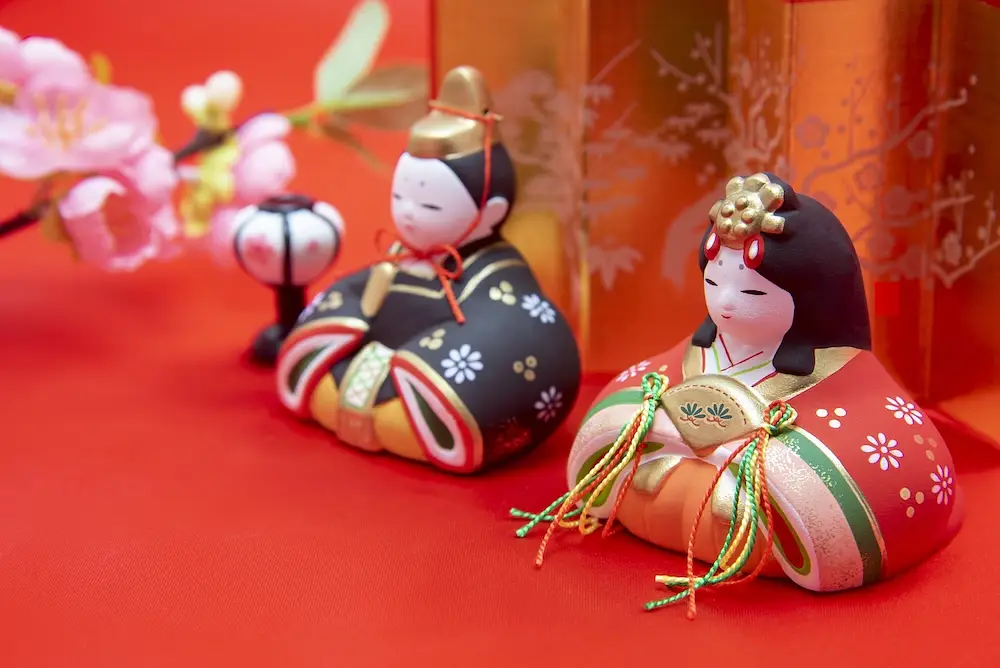
Let's create the tone correctly: Hinamatsuri does not make a lot of noise. It does not shout for attention. It does not require fireworks or crowds. It's elegant. It's a sign. It's a complete aesthetic experience centered around dolls. This ceremony, also known as Girl's Day in Japan or the Hinamatsuri doll festival in Japan, honors the health, happiness, and future of young girls. Families display exquisitely crafted hina dolls of the imperial court, stacked, costumed, and arranged like a miniature aristocratic soap opera. And if you believe it is "just dolls," you are missing the point. This is Japan doing what it does best: transforming tradition into calm perfection.
.jpeg "Hinamatsuri (Doll Festival Japan).")
Hinamatsuri 2026 Key Details
Dates |
March 3, 2026 |
Opening Hours |
Varies by location (typically daytime displays in homes, museums, shrines) |
Location |
Nationwide (Tokyo, Kyoto, Kanazawa, and rural towns offer public displays) |
Admission |
Free (public displays) / Museum entry fees vary |
Official Website |
|
Nearest Station |
Varies by location (city-specific) |
Organizer |
[Celebrated privately by families; supported by local cultural institutions |
What to Expect at Hinamatsuri
This is not a concert-style festival. It's a festival that you walk into.
During Hinamatsuri Day, you will see:
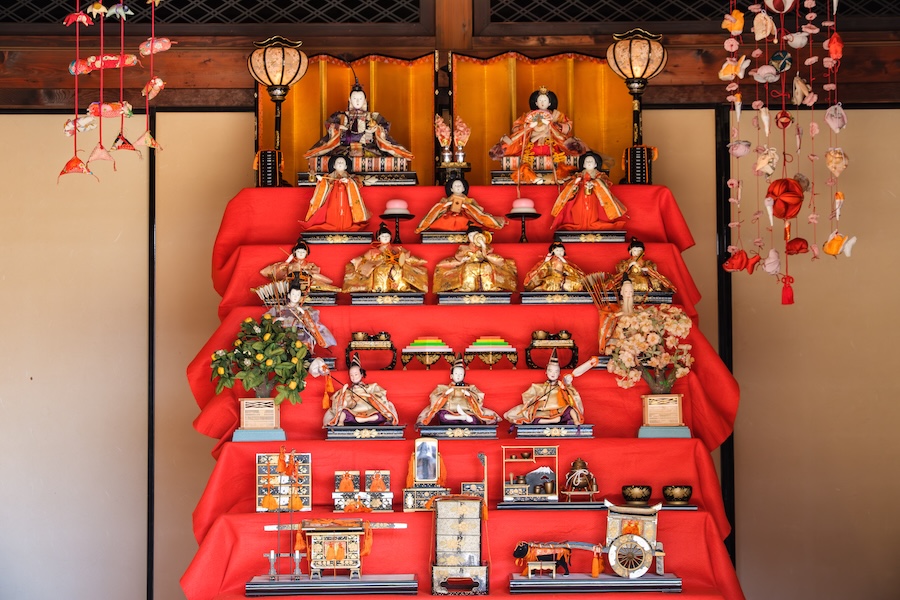
Multi-tiered displays of hina dolls dressed in Heian-era court clothing
Traditional sweets like hina-arare (colorful rice crackers)
Special foods like chirashi sushi
Seasonal decorations in pink, white, and gold
In certain places there are public exhibitions from museums to retail malls which include substantially more elaborate displays.
Imagine:
Hundreds of dolls arranged like royal courts
Historic collections passed down for generations
Entire staircases transformed into doll displays
Meanwhile the atmosphere? No chaos, only quiet adoration and just folks who are appropriately appreciating beauty.
.jpeg "A Hinamatsuri (Doll Festival Japan) display.")
Who Is Hinamatsuri For?
Short answer? Everyone.
Long answer:
Families
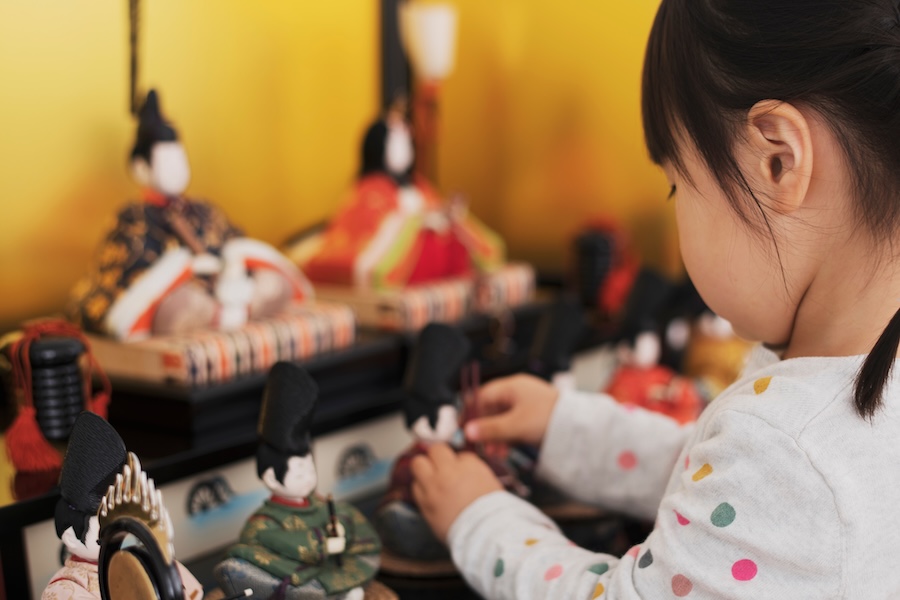
This is deeply personal. Many families celebrate at home, especially if they have daughters.
Culture Lovers
If you love tradition, symbolism, and aesthetics, this is your moment.
Travelers
Yes, even tourists. Public displays are accessible and often surprisingly immersive.
Solo Travelers
Honestly? Perfect. No schedule pressure, no crowds to navigate like festivals in summer. And yes, it’s tourist-friendly. Many major cities provide English signage in museums and exhibitions.
Pro Tips
Arrive Early (or Think Small)
If you’re visiting a museum or public display, go earlier in the day. Smaller towns? Even better because everything is more intimate and less crowded.
Bring Cash
Some smaller exhibits or local markets won’t be card-friendly.
Look for Seasonal Food
This is not the time to skip dessert. Trust the pink snacks.
Explore Beyond Big Cities
Some of the most beautiful hinamatsuri doll festival Japan displays happen in small towns.
What to Wear at Hinamatsuri
Let’s keep it elegant.
Light layers (early March can still be chilly)
Comfortable but refined shoes (you’ll walk more than you think)
Soft, neutral tones if you want to blend into the aesthetic
This is not a festival for loud outfits. This is a festival for presence.
How to Get to Hinamatsuri
Since Hinamatsuri happens nationwide, your route depends on your chosen city.
Tokyo
Access via JR lines and metro, easy, efficient, and full of public displays.
Kyoto
JR Kyoto Station connects you to temples and traditional neighborhoods hosting seasonal displays.
Kanazawa / Smaller towns
Often accessible via regional trains and short bus rides.
If you’re planning multiple stops, the Japan Rail Pass or Regional Passes can make moving between cities seamless, especially during seasonal travel.
And if you want zero stress upon arrival? A Meet & Greet service can help you navigate stations, activate passes, and start your trip smoothly.
Nearby Recommendations
Because you’re not flying to Japan just for one day.
Where to Stay
Explore curated stays through JapanDen, especially in:
Kyoto (for traditional ambiance)
Kanazawa (for cultural depth)
Tokyo (for convenience + variety)
Where to Eat
Traditional cafes serving seasonal sweets
Local restaurants offering chirashi sushi
Markets with regional specialties
What to See Nearby
Temples and shrines (especially in Kyoto)
Cultural museums with doll exhibits
Historic districts and craft shops
More About Hinamatsuri
Hinamatsuri is a 1,000-year-old tradition based on cleansing ceremonies in which dolls were used to absorb ill luck. Originally, people would send paper dolls down rivers, metaphorically bringing away sorrow. Over time, these evolved into the exquisite displays we see today.
Fun facts:
The dolls represent the Emperor, Empress, and court attendants
They are often family heirlooms
They must be put away promptly after March 3 (yes, there’s a superstition about delayed marriage if you don’t, we love a dramatic tradition)
Planning Your Visit
Now let’s make this easy.
Book Accommodation Early
Spring in Japan gets busy. Even quieter events like this fall within peak travel season. Use JapanDen to secure stays near key cities or smaller cultural hubs.
Plan Your Transport
Use JR Pass or Regional Passes if you’re visiting multiple destinations, it simplifies everything.
Stay Connected
A Pocket Wi-Fi (or SIM at checkout) helps you:
Find displays
Navigate cities
Check opening hours
Respect the Culture
This is a personal celebration. Observe quietly. Appreciate thoughtfully
FAQs About Hinamatsuri
Do I need a ticket for Hinamatsuri?
No. Most displays are free, though some museums may charge entry.
Is Hinamatsuri kid-friendly?
Yes, especially for families with children, it’s a celebration of girls’ happiness and well-being.
Are there English signs?
In major cities and museums, yes. Smaller towns may have limited English.
People Also Ask
What is Hinamatsuri in Japan?
It is a traditional festival on March 3 celebrating girls’ health and happiness, marked by displaying hina dolls.
Why are hina dolls displayed?
They symbolize protection and represent the imperial court, historically used to ward off bad luck.
Where can I see Hinamatsuri displays?
In homes, museums, shrines, and cultural districts across Japan.