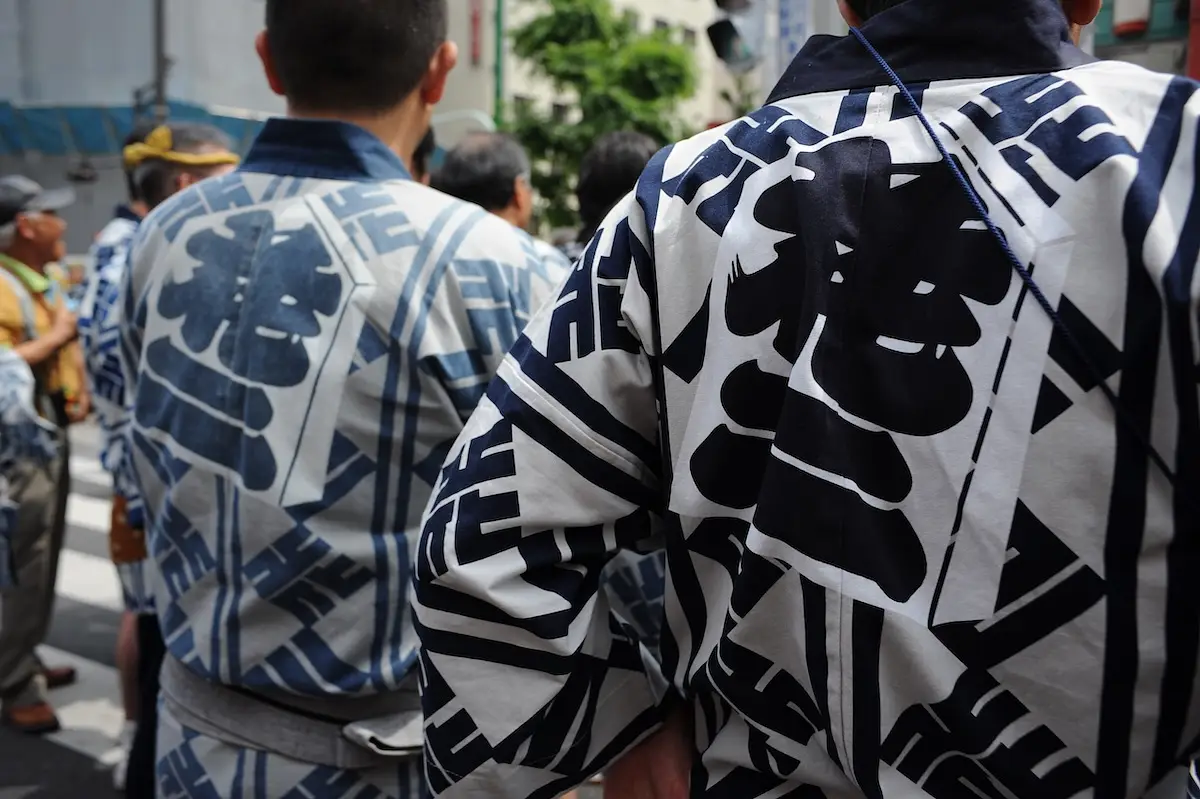
May in Japan and there’s no holding back
Spring, but completely booked. If April is flirtation, May is commitment. Festivals in Japan in May don't just happen; they take over. As the streets fill and drums resound, your planned route takes on a new urgency. Why? Golden week. It's one of Japan's busiest tourism seasons, and the country responds precisely as you'd expect: with festivals, parades, and cultural experiences that are vibrant, noisy, and unforgettable. If you're planning a trip, here's your guide sheet for a successful May.
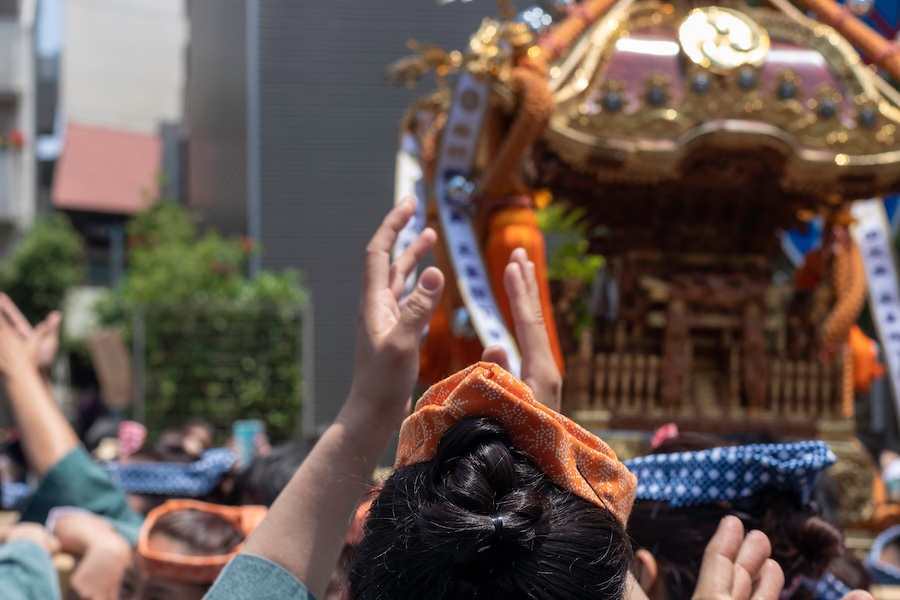
Major May Festivals in Japan
These are the must-see Japan festivals in May that not only fill your schedule, but also set the tone for your entire vacation. We're talking about events that transform entire neighborhoods, when streets close, drums reverberate, and you're no longer simply seeing Japan, but actually inside it. They're larger than local celebrations, but not in a chaotic sense; this is Japan, after all. Everything runs smoothly, even when it appears to be spontaneous. And, yes, they do draw crowds. But the kind of crowds that seem like they're a part of the experience, rather than something to avoid.
These are the festivals where:
tradition meets full-volume energy
locals show up with pride
and every moment feels like it matters
If you’re visiting in May, these aren’t optional.
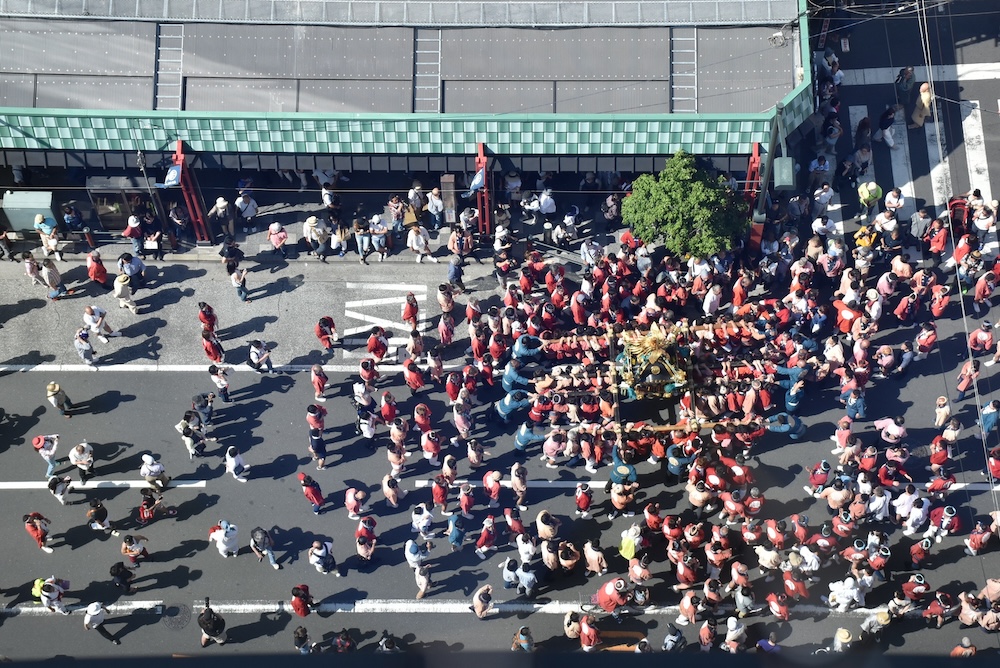
Sanja Matsuri (Tokyo)
Make Tokyo chaotic; in the nicest way. Sanja Matsuri is one of Japan's largest and most well-known May events, transforming Asakusa into a stirring celebration of energy, history, and unabashed noise.
Detail |
Info Example |
Dates |
Third weekend of May |
Opening Hours |
All day (peak during daytime) |
Location |
Asakusa, Tokyo |
Admission |
Free |
Official Website |
|
Nearest Station |
Asakusa Station |
Organizer |
Senso-ji Shrine |
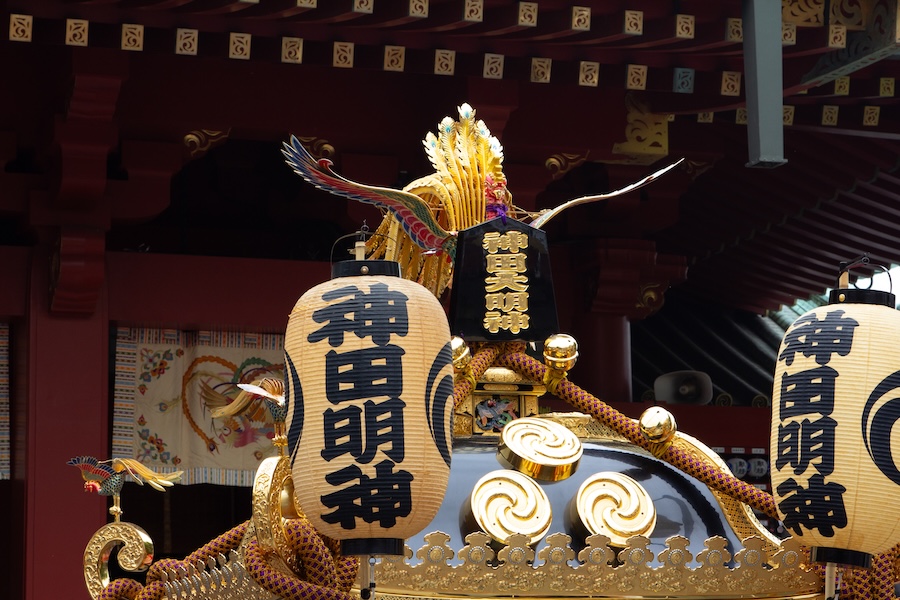
Kanda Matsuri (Tokyo – alternating years)
Less chaotic than Sanja, but perhaps more sophisticated. This celebration combines tradition and spectacle, featuring processions, music, and cultural shows.
Detail |
Info |
Dates |
Mid-May (odd-numbered years) |
Opening Hours |
Daytime events |
Location |
Central Tokyo |
Admission |
Free |
Official Website |
|
Nearest Station |
Ochanomizu Station |
Organizer |
Kanda Myojin Shrine |
Aoi Matsuri (Kyoto)
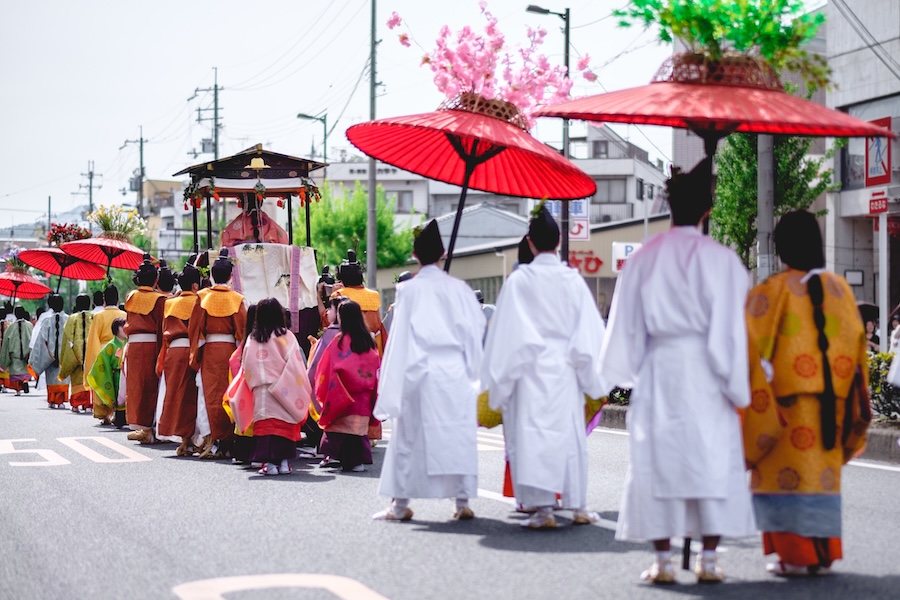
Kyoto doesn’t shout. It glides. Aoi Matsuri is one of Japan’s oldest festivals, featuring a long procession of people dressed in Heian-era clothing.
Detail |
Info |
Dates |
May 15 |
Opening Hours |
Morning–afternoon |
Location |
Kyoto |
Admission |
Free (paid seating available) |
Official Website |
|
Nearest Station |
Demachiyanagi Station |
Organizer |
Kamigamo & Shimogamo Shrines |
Niche or Themed May Festivals in Japan
Because not everything needs to be loud to be memorable.
Hamamatsu Festival (Shizuoka)
Kites, competition, and coastal energy
Giant kites fill the sky while teams compete in dramatic kite battles. Yes, battles.
Perfect for:
Families
Anyone who appreciates controlled chaos
People who like their festivals with wind
Kurayami Matsuri (Tokyo – Fuchu)
Darkness, drums, and something primal
This night festival literally translates to “Festival of Darkness”, and yes, it lives up to the name.
Expect:
Night parades
Taiko drums
Minimal lighting
Perfect for:
Night lovers
Culture seekers
People who want something different
Tea & Cultural Festivals (Nationwide)
May is the peak season for tea harvest, which means events celebrating matcha, tea ceremonies, and traditional culture.
Perfect for:
Slow travelers
Culture lovers
Anyone who prefers quiet over chaos
How to Plan Your Trip To Attend Festivals in Japan in May
Let’s be strategic, because May doesn’t forgive poor planning.
Book Early (Golden Week waits for no one)
Accommodation disappears fast. Use JapanDen to secure hotels in Tokyo, Kyoto, or festival-heavy regions before prices climb.
Use the Right Transport
Golden Week = movement.
Japan Rail Pass - best for multiple cities
Regional Passes - ideal for focused travel
Stay Connected
A Pocket Wi-Fi or SIM helps you:
Navigate crowds
Check schedules
Avoid getting lost in the chaos
Arrive Smoothly
A Meet & Greet service is your quiet advantage:
Airport assistance
Transport guidance
Zero confusion
Where to Stay
Tokyo: for energy and variety
Kyoto: for tradition and elegance
Shizuoka: for unique experiences
Nearby Recommendations
Because festivals are just the beginning.
Attractions
Temples and shrines
Scenic spring landscapes
Historic districts
Food
Street food at festivals
Seasonal dishes
Local specialties
Experiences
Onsen stays
Cultural workshops
Day trips outside cities
FAQs About Festivals in Japan in May
What are the biggest festivals in Japan in May?
Sanja Matsuri, Aoi Matsuri, and Kanda Matsuri are among the most famous.
Is May a good time to visit Japan?
Yes, but expect crowds due to Golden Week.
Are May festivals crowded?
Yes, especially during Golden Week and weekends.
People Also Ask
What events happen in May in Japan?
May in Japan features major festivals like Sanja Matsuri in Tokyo, Aoi Matsuri in Kyoto, and various Golden Week celebrations, along with food and cultural events across the country.
Which festival is held in May in Japan?
Some of the most famous May festivals include Sanja Matsuri, Aoi Matsuri, and Kanda Matsuri (held in odd-numbered years).
What is Golden Week in Japan and why is it important?
Golden Week is a series of national holidays in early May, making it one of the busiest travel periods in Japan, with many festivals and events taking place during this time.