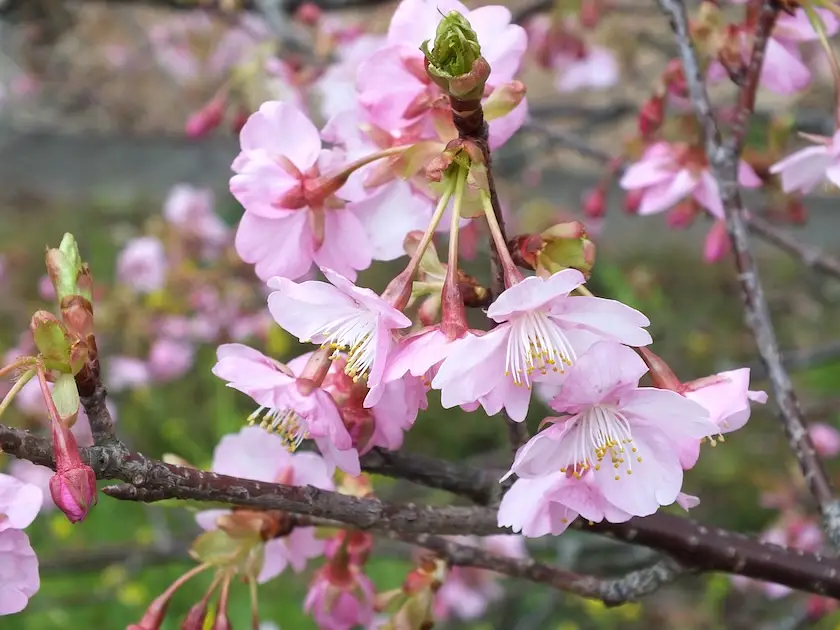
Japan’s earliest spring romance
Venue: Atami Plum Garden, Atami City, Shizuoka Prefecture
When: January 10 – March 8, 2026
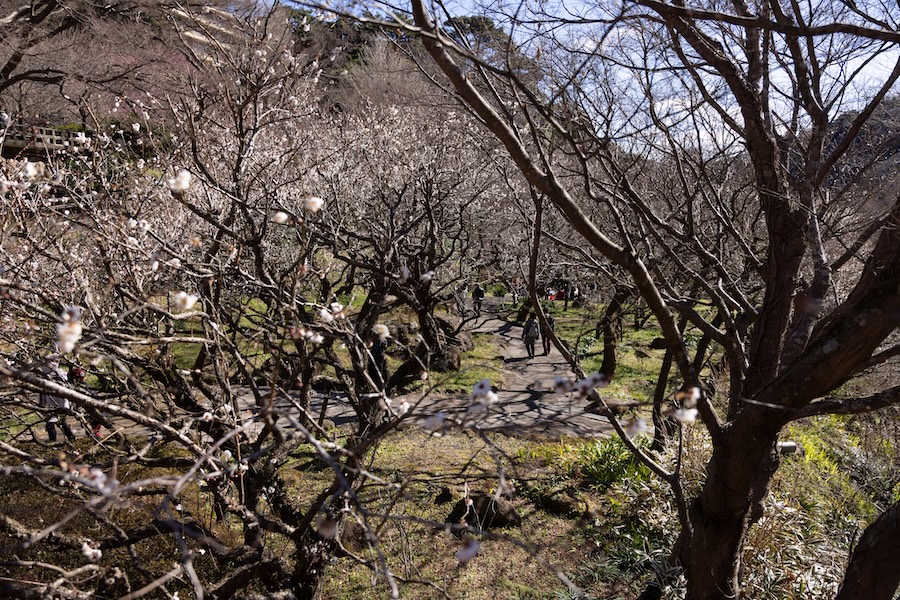
If Japan had a soft springtime launch, it would be the Atami Plum Garden Plum Blossom Festival. This annual festival, held in the seaside village of Atami, honors one of Japan's earliest seasonal blooms: ume (plum blossoms). While the rest of the country remains buttoned up in winter jackets, Atami is already flirting with spring, and doing so elegantly.
This isn't just a garden tour. During the festival, the Atami Plum Garden becomes a full-fledged seasonal event, replete with entry gates, a joyful mood, and flowering landscape that changes weekly. Visitors are greeted with blossoms throughout the festival window, which includes early, mid, and late blooming kinds. Elegant, hopeful, and quietly cheerful, this is winter's most beautiful farewell.
Atami Plum Garden 2026 Key Details
Dates |
January 10 – March 8, 2026 |
Opening Hours |
8:30 AM – 4:00 PM (last entry 3:30 PM) |
Location |
Atami Plum Garden, Atami City, Shizuoka |
Admission |
Paid entry during festival period (fee varies slightly by season) |
Official Website |
|
Nearest Station |
JR Kinomiya Station (Ito Line) – approx. 10-minute walk JR Atami Station – approx. 10-minute taxi ride |
Organizer |
Atami City Tourism Association |
What to Expect at Atami Plum Garden Plum Blossom Festival
The Atami Plum Garden is home to approximately 472 plum trees of 59 types, some of which are more than 100 years old. Because of this diversity, the festival does not climax all at once; rather, it unfolds gradually, like a well-paced love story.
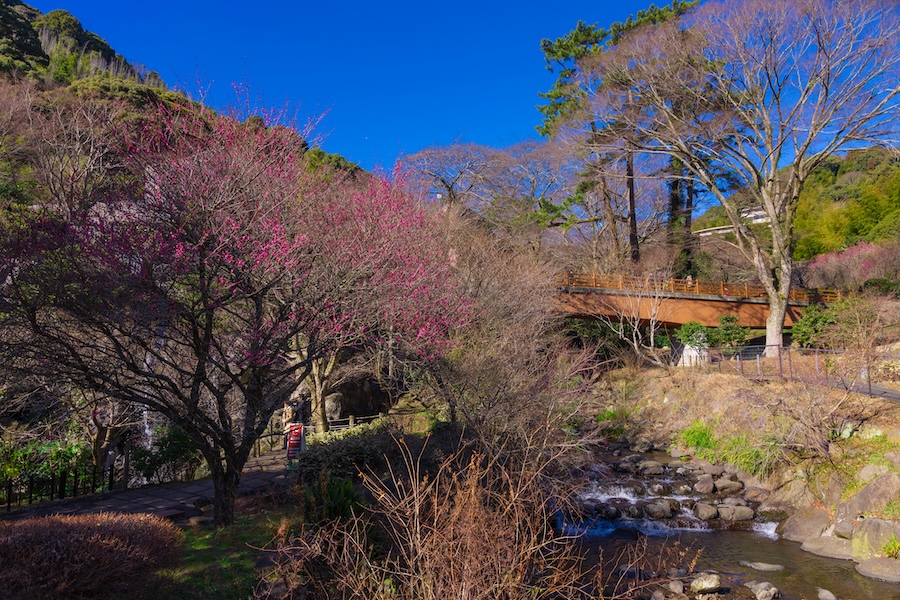
As you walk through the garden, you will observe how the panorama changes: faint pink buds early in the season, richer colors mid-festival, and lingering blossoms at the end. The garden itself is set on gently rising terrain by a creek, with stone paths, bridges, and overlooks that encourage careful exploration.
During festival periods, visitors may also encounter:
Seasonal stalls and souvenirs
Temporary foot-baths
Light event programming or cultural touches
Who Is Atami Plum Garden For?
This festival is ideal for travelers who enjoy seasonal beauty over spectacle.
Couples looking for a romantic winter escape
Nature lovers and photography fans
Cultural travelers interested in Japan’s seasonal rhythms
Older visitors or families seeking a relaxed pace
Tourist-friendly garden, with clear signage and manageable paths, though some areas are uphill and may require extra care for visitors with mobility needs.
Pro Tips
Visit late morning to early afternoon for the best light
Weekdays are calmer than weekends, especially mid-season
Bring cash for entry fees and small stalls
Check bloom updates before visiting, timing matters
What to Wear at Atami Plum Garden
Winter is mild compared to Tokyo, but still cool.
Comfortable walking shoes (paths are sloped in places)
Light winter jacket or layers
Hat and sunglasses on sunny days
Style tip: this is a “slow walk, long scarf, hands-in-pockets” kind of event.
How to Get to Atami Plum Garden
From Tokyo:
JR Tokaido Shinkansen - Atami Station (≈45 minutes)
JR Tokaido Line - Atami Station (≈90 minutes)
From JR Kinomiya Station, the garden is a 10-minute walk.
Taxis from Atami Station take around 10 minutes.
A JR Pass or Regional Pass can be very cost-effective if Atami is part of a broader itinerary.
Nearby Recommendations
Food & Cafés
Local seafood restaurants near Atami Station
Traditional Japanese cafés serving seasonal sweets
Attractions
Atami Sun Beach: Pleasant seaside walks
MOA Museum of Art: Art with panoramic views
Atami Castle: For city and ocean scenery
Where to Stay
Looking to stay overnight? JapanDen offers curated hotels and ryokans near Atami.
More About Atami Plum Garden Plum Blossom Festival
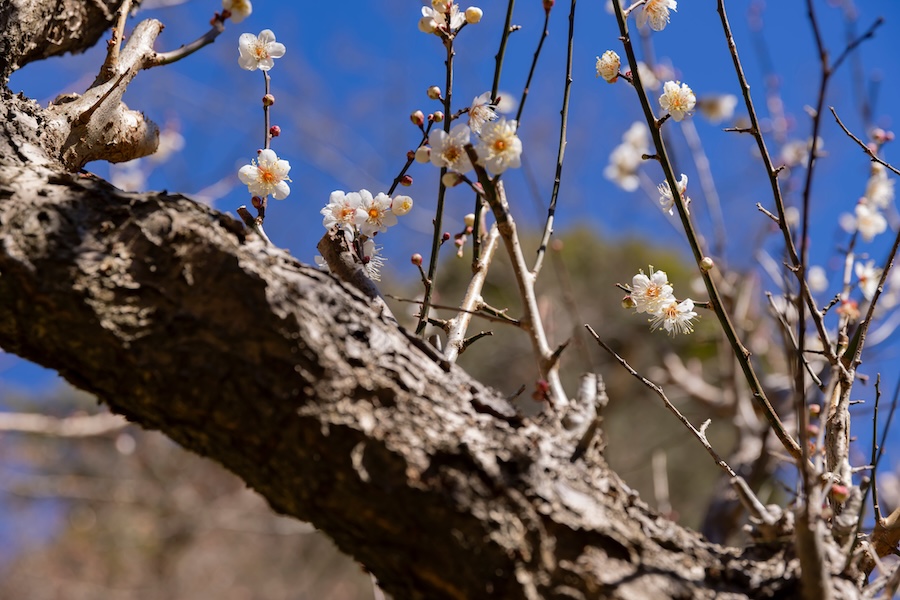
Plum blossoms have a significant cultural importance in Japan, representing resilience, regeneration, and quiet strength. Unlike cherry blossoms, which bloom quickly and dramatically, plum blossoms bloom slowly and in cooler conditions, serving as a poetic reminder that beauty does not rush.
The Atami Plum Garden is notably well-known for its early blooms, which are frequently among the first in Japan. This has made the celebration a long-standing winter institution and a popular seasonal marker for both locals and visitors.
With trees dating back over a century, the festival combines botanical heritage, seasonal celebration, and soft tourism in a unique way that feels authentic rather than contrived.
Planning Your Visit
Book accommodation early if visiting on weekends
Find nearby stays with JapanDen
Use JR Pass or regional transport for easy access from Tokyo
JR Pass & Regional Pass options
Stay connected with Pocket Wi-Fi for maps and updates
Book Meet & Greet services for easier airport pick-up
Carry both cash and cards as Japan is still using cash in most places.
FAQs About Atami Plum Garden
Q. Do I need a ticket to enter Atami Plum Garden?
Yes, an entry fee is charged during the plum blossom festival period.
Q. Is the Atami Plum Garden suitable for children?
Yes, though strollers may find some slopes challenging.
Q. Are the blossoms guaranteed during the festival?
Bloom timing varies, but different varieties usually ensure blossoms throughout the season.
People Also Ask
What is special about Atami Plum Garden?
Atami Plum Garden is unique for its early-blooming plum flowers, with over 470 trees of 59 types, many of which are more than 100 years old.
What are the peak bloom times at Atami garden?
Atami Plum Garden's peak bloom seasons are typically from late January to late February, when the majority of the early, mid, and late-blooming ume (plum) varieties are in full bloom during the festival season.
Is Atami Plum Garden accessible by public transport?
Yes, Atami Plum Garden is accessible by public transport. You can take a train to JR Kinomiya Station and walk about 10 minutes to the garden, or catch a local bus from JR Atami Station that stops close to the festival entrance.