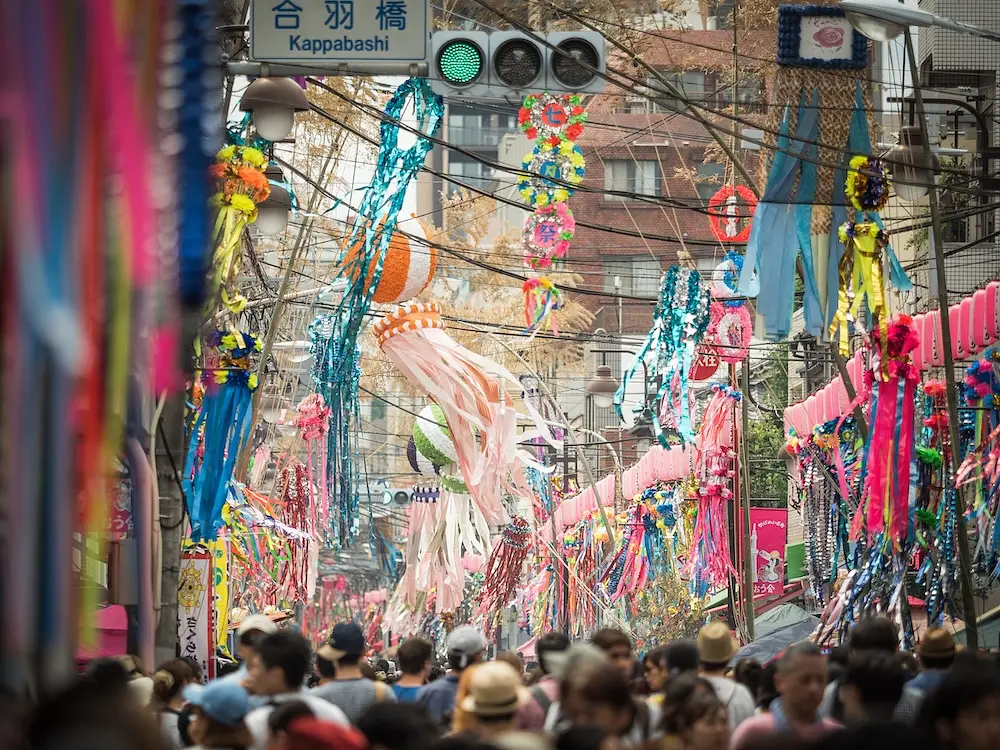
Tokyo’s Biggest Japanese Samba Parade
Venue: Asakusa (Kaminarimon-dori & Umamichi-dori area), Taito City, Tokyo
When: Late August (annually)
The Asakusa Samba Carnival is the largest Japanese samba event in the country, bringing Brazilian carnival energy to one of Tokyo’s most historic districts. Held every year in late August in Asakusa, this colorful street parade features competitive samba teams, elaborate costumes, and live percussion performances.
If you are visiting Tokyo in summer and looking for a unique carnival in Japan, this event offers a lively mix of international culture and traditional downtown atmosphere.
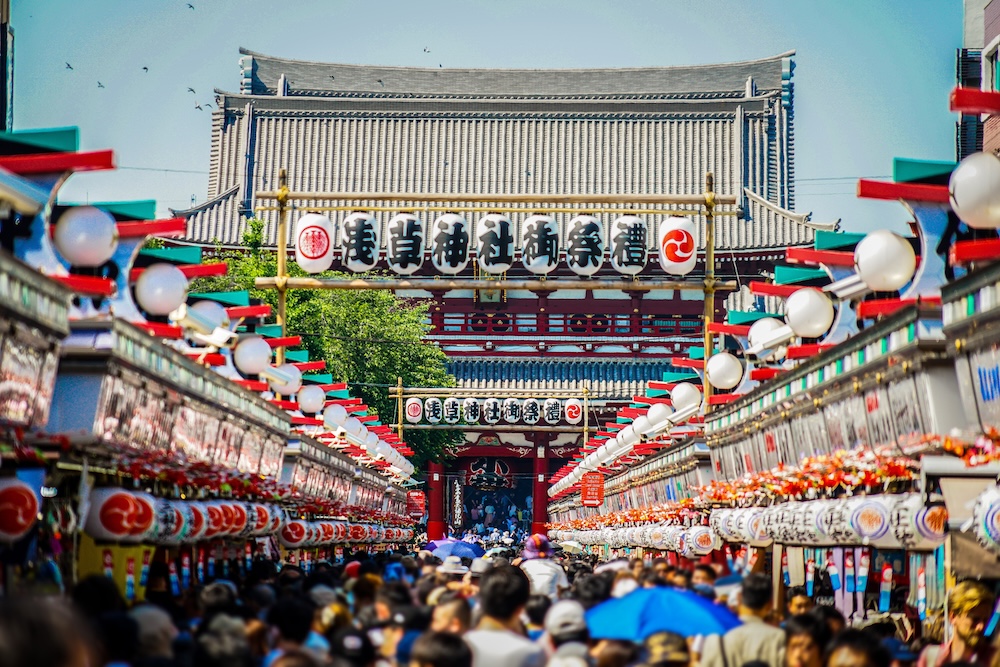
Asakusa Samba Carnival 2026 Key Details
Category |
Information |
Dates |
Late August 2026 (typically the last Saturday of August – confirm exact date on the official website) |
Opening Hours |
Approximately 1:00 PM – 6:00 PM |
Location |
Asakusa district, Taito City, Tokyo |
Admission |
Free (public street parade) |
Official Website |
|
Nearest Station |
Asakusa Station (Tokyo Metro Ginza Line, Toei Asakusa Line, Tobu Skytree Line, Tsukuba Express) |
Organizer |
Asakusa Samba Carnival Executive Committee |
What To Expect at the Asakusa Samba Carnival
The Asakusa Samba Carnival transforms Kaminarimon-dori into a parade route filled with music and movement. Teams compete in organized divisions, performing choreographed routines supported by large samba percussion sections.
Costumes are vibrant and detailed, often inspired by Brazilian carnival traditions. Performances are judged on musical precision, dance coordination, costume design, and creativity. Spectators line the streets several rows deep, especially in the afternoon when top teams perform.
Because this is one of the most recognized Samba Japanese events in the country, expect large crowds and limited shade during the hottest hours of the day.
Who Is Asakusa Samba Carnival For?
This event is ideal for:
Travelers visiting Tokyo in late summer
Festival and performance enthusiasts
Families comfortable with crowds
Photography lovers
Visitors interested in cultural exchange events
Asakusa is easy to navigate, and the area is tourist-friendly. While most announcements are in Japanese, transportation signage is available in English.
Pro Tips
Arrive early: Reach the parade route at least one hour before start time for better viewing.
Stay hydrated: August heat in Tokyo is intense. Bring water and electrolytes.
Wear sun protection: Hats and sunscreen are strongly recommended.
Avoid driving: Road closures make public transport the easiest option.
Prepare for crowds: Standing space fills quickly along popular sections of the route.
What To Wear at the Asakusa Samba Carnival
Choose light, breathable clothing suitable for humid summer conditions. Comfortable walking shoes are essential, as you may stand for extended periods. A small towel, portable fan, or cooling scarf can improve comfort. Avoid large backpacks to make movement easier in crowded areas.
How To Get To Asakusa Samba Carnival
Asakusa is centrally located and accessible from major Tokyo stations.
From Tokyo Station: JR Yamanote Line to Ueno, then Tokyo Metro Ginza Line to Asakusa
From Shinjuku: JR Chuo Line to Kanda, then the Ginza Line to Asakusa
From Narita Airport: Keisei Line services to Asakusa (depending on train type)
From Haneda Airport: Keikyu Line connecting to the Toei Asakusa Line
If you are traveling between multiple cities during your Japan trip, you may want to explore nationwide rail travel coverage to see whether it fits your itinerary.
Nearby Recommendations
Food
Asakusa offers traditional street snacks along Nakamise Street, including sweet cakes and rice crackers. Tempura restaurants and casual eateries are plentiful in the surrounding streets.
Attractions
Senso-ji Temple
Sumida River promenade
Tokyo Skytree (one station away)
Hotels
Late August is busy due to summer events. Booking early is recommended. You can browse hotels near Asakusa and Senso-ji Temple to stay within walking distance of the parade.
More About Asakusa Samba Carnival
The Asakusa Samba Carnival began in 1981 as a cultural exchange initiative inspired by Brazil’s samba traditions (source). It has since grown into Japan’s largest samba competition, drawing hundreds of thousands of spectators annually.
The contrast between Brazilian performance culture and Asakusa’s traditional setting creates one of the most distinctive summer events in Tokyo.
Planning Your Visit
If you are incorporating this Japanese samba celebration into a wider trip, consider logistics in advance.
For travelers staying within a specific region of Japan, it may be helpful to review regional rail options for area travel before purchasing tickets.
Staying connected in crowded festival environments can simplify navigation, so you might consider reserving pocket Wi-Fi for reliable data access before arrival.
If you prefer assistance upon landing in Japan, you can arrange an airport Meet and Greet service for a smooth arrival to begin your trip with added convenience.
FAQs About Asakusa Samba Carnival
Q: Do I need a ticket?
A: No, the parade is free and open to the public.
Q: Is it family-friendly?
A: Yes, but families should prepare for heat and dense crowds.
Q: Is there seating available?
A: Viewing is primarily standing-room along the streets. Some reserved seating may be available through official channels.
Q: Are there English signs?
A: Transportation signage is in English, but most event announcements are in Japanese.
Q: What is Japanese samba?
A: Japanese samba refers to Brazil-inspired samba music and dance performed by Japanese teams, especially during events like the Asakusa Samba Carnival.
Q: When is the Asakusa Samba Carnival held?
A: It takes place annually in late August in Asakusa, Tokyo.
Q: Where is the parade route?
A: The parade runs along Kaminarimon-dori and the surrounding streets in Asakusa.
Q: Is this the biggest samba event in Japan?
A: Yes, it is widely recognized as the largest and most competitive samba parade in the country.
Q: What time should I arrive for a good viewing spot?
A: Arriving at least one to two hours before the parade begins gives you a better chance of securing space along the main sections of the route.