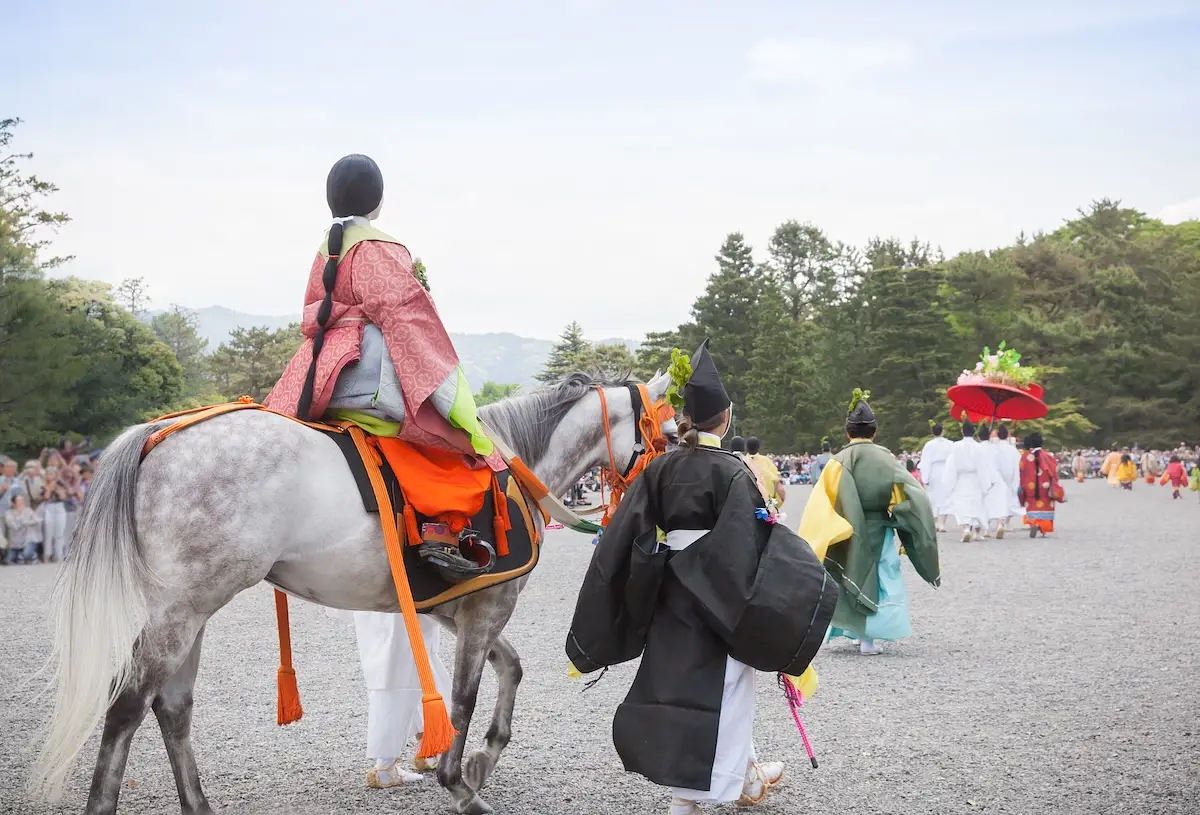
Heian-era elegance, served live
Venue: Kyoto (Kyoto Imperial Palace - Shimogamo Shrine - Kamigamo Shrine)
When: May 15 (every year)
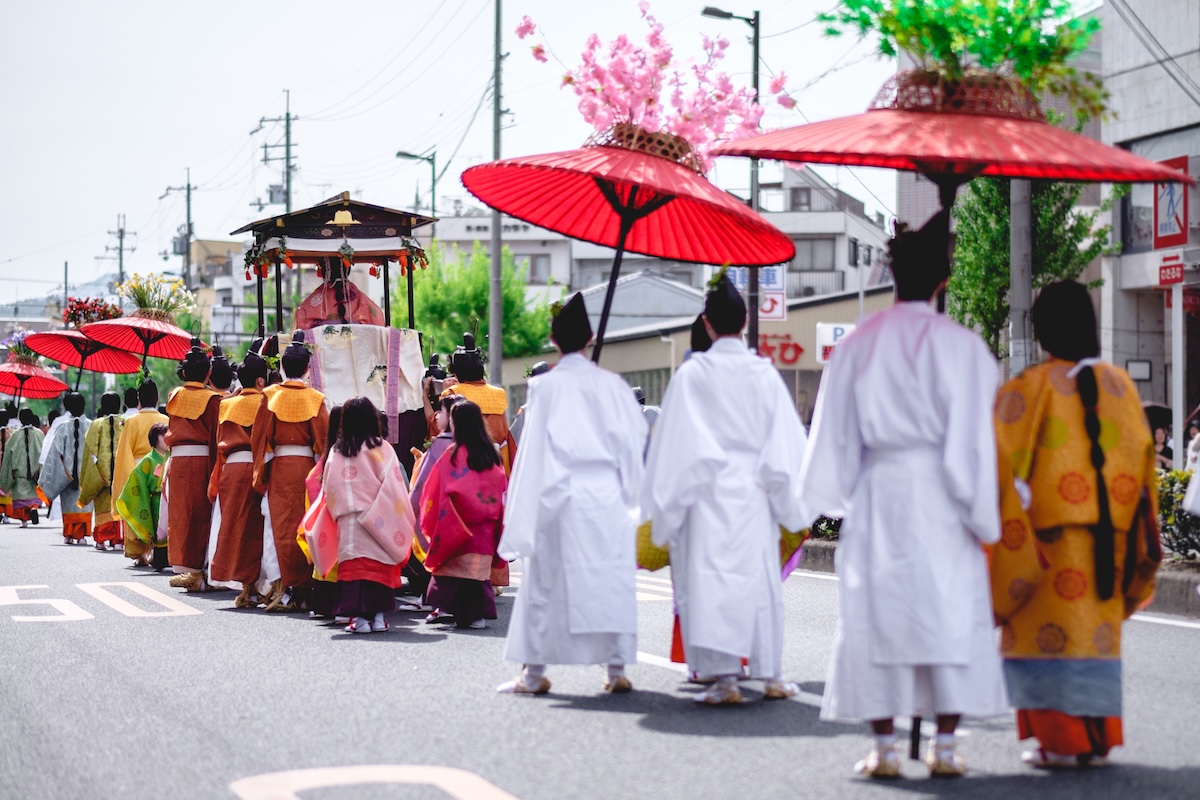
If Kyoto had a runway show, it would be at Aoi Matsuri. The venue would be old shrines, everyone would arrive wearing Heian-period clothing, and the styling would be so flawless that it would be considered impolite. One of Kyoto's Big Three shrine festivals, it's all about ceremonial beauty: ox-drawn carts, layered robes, holy hollyhock leaves (aoi), and a procession that resembles a historical drama but takes place in front of you.
Aoi Matsuri 2026 Key Details
Dates |
May 15, 2026 (rain date: May 16) |
Opening Hours |
Procession starts around 10:30 |
Location |
Kyoto Imperial Palace - Shimogamo Shrine - Kamigamo Shrine |
Admission |
Free to watch |
Official Website |
|
Nearest Station |
Kyoto Imperial Palace area: near Imadegawa/Marutamachi (subway access varies by your start point) Kamigamo Shrine: north Kyoto (bus/subway + bus) |
Organizer |
Kyoto City Tourism Association supports paid seats and preservation |
What to Expect at Aoi Matsuri
Here’s the vibe, in listicle form, because your attention span deserves respect:
A living museum, but make it fashion
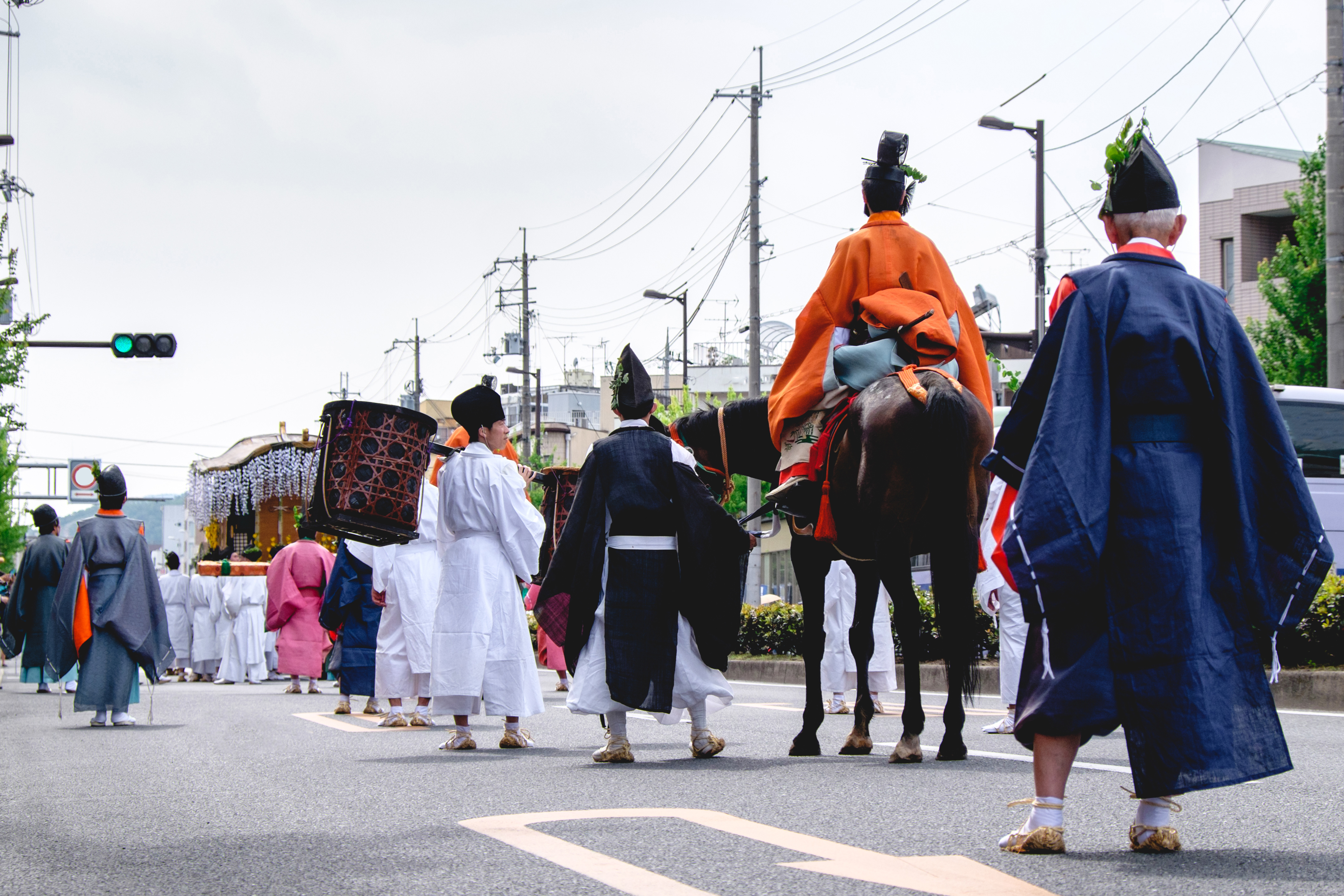
The procession features over 500 participants in traditional Heian-style dress, moving in a slow, graceful flow through Kyoto.The procession route is the main event
It typically begins at the Kyoto Imperial Palace around 10:30, reaches the area by Shimogamo Shrine later in the morning, then continues to Kamigamo Shrine for afternoon rituals.Hollyhock (aoi) leaves everywhere
This isn’t random greenery. Aoi leaves are a protective symbol used as decoration on costumes and ritual items, hence the name.It’s elegant, not loud
No giant portable shrines crashing through the streets. Aoi Matsuri is refined and more “ceremonial glide” than “festival chaos.”Rain plan = classic Kyoto realism
The city announces whether it proceeds on May 15, and if it rains, it’s postponed to May 16.
Who Is Aoi Matsuri For?
History lovers who want Kyoto at its most authentic
If your favorite part of travel is feeling connected to the place rather than just checking landmarks off a list, this festival absolutely delivers.Culture-first travelers
This is not a staged theme-park version of “old Japan.” It is a long-running tradition with religious and historical meaning, which gives the whole experience more depth.Photographers who appreciate detail: textiles, color, ceremony
Aoi Matsuri rewards patient observation. It is ideal for people who love capturing clothing, movement, ritual objects, and Kyoto’s softer, more formal side.Families with kids who can handle crowds + slow pacing
It can work well for families, especially if your children enjoy costumes, horses, or parades. Just know that it moves slowly and can involve long periods of standing.Anyone building a “festival Kyoto” itinerary around May
If you are visiting Kyoto in mid-May and want one signature cultural event, this is one of the strongest choices.
Tourist-friendly note: it is easy to enjoy without speaking Japanese. You do not need to understand every ritual detail to appreciate the visuals, the atmosphere, and the significance. Just arrive early, know your route, and let Kyoto do the rest.
Pro Tips
Because “I’ll wing it” is how you end up watching the parade from behind a street sign.
Pick your viewing zone first (Palace vs Shimogamo vs Kamigamo).
The route is long, and Kyoto crowds do not play. Do not decide on the fly unless you genuinely enjoy logistical self-sabotage.Want comfort? Buy paid viewing seats.
Kyoto City Tourism Association usually offers them, and the proceeds help support preservation. If this is a priority event for your trip, reserved seating can be worth it.Check the update the day before.
Weather decisions matter, and official Kyoto travel pages usually post festival updates clearly.Bring water + a power bank.
You will be standing, filming, navigating, and possibly changing locations. That combination drains both you and your phone.Arrive earlier than you think you need to.
Even if the procession starts mid-morning, people often line up well before that for stronger viewing positions.Do not overcommit to chasing the whole route.
Unless you really know Kyoto transport well, it is usually smarter to pick one viewing area and enjoy it properly than to spend the day trying to outrun the procession.
What to Wear at Aoi Matsuri
Kyoto in May is usually pleasant, but you will be outdoors for hours, and “pleasant” still changes depending on sun, shade, and how long you have been standing.
Light layers
Mornings can feel cooler, while midday in direct sun can feel much warmer. A light outer layer you can remove is ideal.Comfortable shoes
You may walk between transit stops, shrines, and viewing areas, and standing for long periods is common. This is not the day for “cute but punishing.”Hat / sunscreen
Especially useful near open roads and less shaded stretches.A small bag instead of a bulky one
You will appreciate carrying less in crowds.Optional: a folding fan or cooling item
Not essential, but very nice to have if the day turns warmer than expected.
How to Get to Aoi Matsuri
Aoi Matsuri is “easy” only if you think like a local: choose a viewing point first, then plan transport to that point.
Kyoto Imperial Palace area (start)
This is one of the easiest areas to reach by subway plus a short walk. It is a popular choice for people who want to see the beginning of the procession and feel the sense of anticipation from the start.
Shimogamo Shrine
Usually reached via transit toward the Demachiyanagi area, followed by a walk. This can be a particularly atmospheric place to watch because of the shrine setting and surrounding greenery.
Kamigamo Shrine (finish)
Located in northern Kyoto, often reached by bus or a combination of subway and bus. It can feel slightly less central, but rewarding if you want to see the later phase of the event.
If you are traveling beyond Kyoto, such as from Osaka, Nara, or Hiroshima, this is where a JR Pass or Regional Pass can make the bigger itinerary smoother. Aoi Matsuri itself is very local once you are in Kyoto, but getting Kyoto to sit comfortably inside your wider Japan route is where rail planning matters.
Nearby Recommendations
You are in Kyoto. Even your “quick snack” can become a spiritual experience.
Food
Grab lunch around Demachiyanagi if you are watching near Shimogamo Shrine, or eat near central Kyoto if you are starting around the palace area. Festival days are much nicer when you already know where you are eating instead of wandering hungry with 2% battery.
Sightseeing pairing
Shimogamo Shrine is worth time in its own right, not just as a festival stop. The area has an older, calmer feel and works beautifully as part of a slower Kyoto day.
Palace-area pairing
If you start near the Kyoto Imperial Palace, the surrounding central area also gives you flexibility for cafés, gardens, and a more structured sightseeing day afterward.
Hotels
JapanDen is a strong base for booking Kyoto stays early, especially for festival dates. Staying near Kyoto Station is convenient if you want easy transport connections, while central Kyoto can be better for walkability, atmosphere, and access to major sights.
More About Aoi Matsuri
Aoi Matsuri is closely tied to Shimogamo Shrine and Kamigamo Shrine, two of Kyoto’s oldest and most revered Shinto shrines. Its roots go back more than a thousand years, when it began as an imperial court ritual connected to prayers for peace, prosperity, and protection from natural disasters such as floods, poor harvests, and unrest.
That long history is part of what makes the festival so compelling. It does not feel like a modern event dressed up as tradition. It feels like tradition that simply never stopped.
The hollyhock leaves, or aoi, are central to the identity of the festival and are associated with protection and purification. Along with Gion Matsuri and Jidai Matsuri, Aoi Matsuri is counted among Kyoto’s three great festivals, but its personality is distinct. It is quieter, more aristocratic in mood, and often described as one of the most elegant festivals in Japan.
In practical terms, that means it appeals especially to travelers who like cultural depth, not just festival energy. It is not about noise or fireworks. It is about form, continuity, and the rare feeling of watching Kyoto’s past move through its present.
Planning Your Visit
Keep it simple. Keep it classy. Keep it booked.
Book Kyoto accommodation early (JapanDen)
Festival dates can get busier, and good-location hotels go first. If Kyoto is part of a larger spring trip, do not leave this until the last minute.Use the right rail option (JR Pass or Regional Pass)
Choose based on your actual route, not vibes. If Kyoto is only one stop on a wider itinerary, planning your transport properly can save money and stress.Stay connected (Pocket Wi-Fi + SIM)
For live navigation, weather updates, transport checks, and last-minute restaurant decisions, staying connected helps a lot on a festival day.Get help on arrival (Meet & Greet)
If you want a smoother airport arrival, JR Pass activation help, or assistance with train reservations, Meet & Greet can make the start of the trip feel much easier.Etiquette basics
Do not block the route, do not push for photos, and keep your voice lower near shrine areas. Aoi Matsuri is beautiful partly because it retains a ceremonial atmosphere. Do not be the reason it loses one.Cash vs card
Bring some cash for smaller purchases and local spots. Kyoto is easier than very rural areas, but festival-day convenience still often favors yen.Build a realistic day plan
Do not try to cram five major attractions around the festival unless you enjoy regretting your own optimism. One major event plus one or two nearby activities is usually the sweet spot.
FAQs About Aoi Matsuri
Q: Do I need a ticket?
A: No, watching from public areas is free. If you want comfort and guaranteed visibility, paid viewing seats are available in select spots.
Q: Is Aoi Matsuri kid-friendly?
A: Yes, but bring snacks and plan breaks, this is a long, slow-moving procession.
Q: What time does Aoi Matsuri start?
A: The procession typically starts around 10:30 near the Kyoto Imperial Palace.
Q: Is Aoi Matsuri worth it?
A: Yes, if you love history and elegance. It’s one of Kyoto’s most refined festivals, offering a rare, authentic glimpse into Heian-era court culture.
Q: What is the meaning of Aoi Matsuri?
A: “Aoi” refers to hollyhock leaves, symbols of protection used throughout the festival to ward off misfortune and bring wellbeing.
Q: Where does the Aoi Matsuri procession go?
A: Kyoto Imperial Palace - Shimogamo Shrine - Kamigamo Shrine.