“Where we’re from… there is always music in the air.” - The Man from Another Place, Twin Peaks
A symphony of red lights blink on and off against the darkness, slowly, rhythmically, like a heartbeat in the Shinjuku skyline; the city speaking its own, silent language. More than one language, for Tokyo is more than one city; it is many side by side, overlapping and interconnected. An infinite city that seems to extend forever on the horizon.
I’m floating high above the streets. Steam rises from onsen water as warm and inviting as the night air is cold and forbidding. In the darkness, I can barely see my body below the surface, as I drift further and further away from myself, from my past life, separated by time and space. With everyone I know a world away, I tilt my head back towards the sky and close my eyes. There are no stars, but there is music in the air.
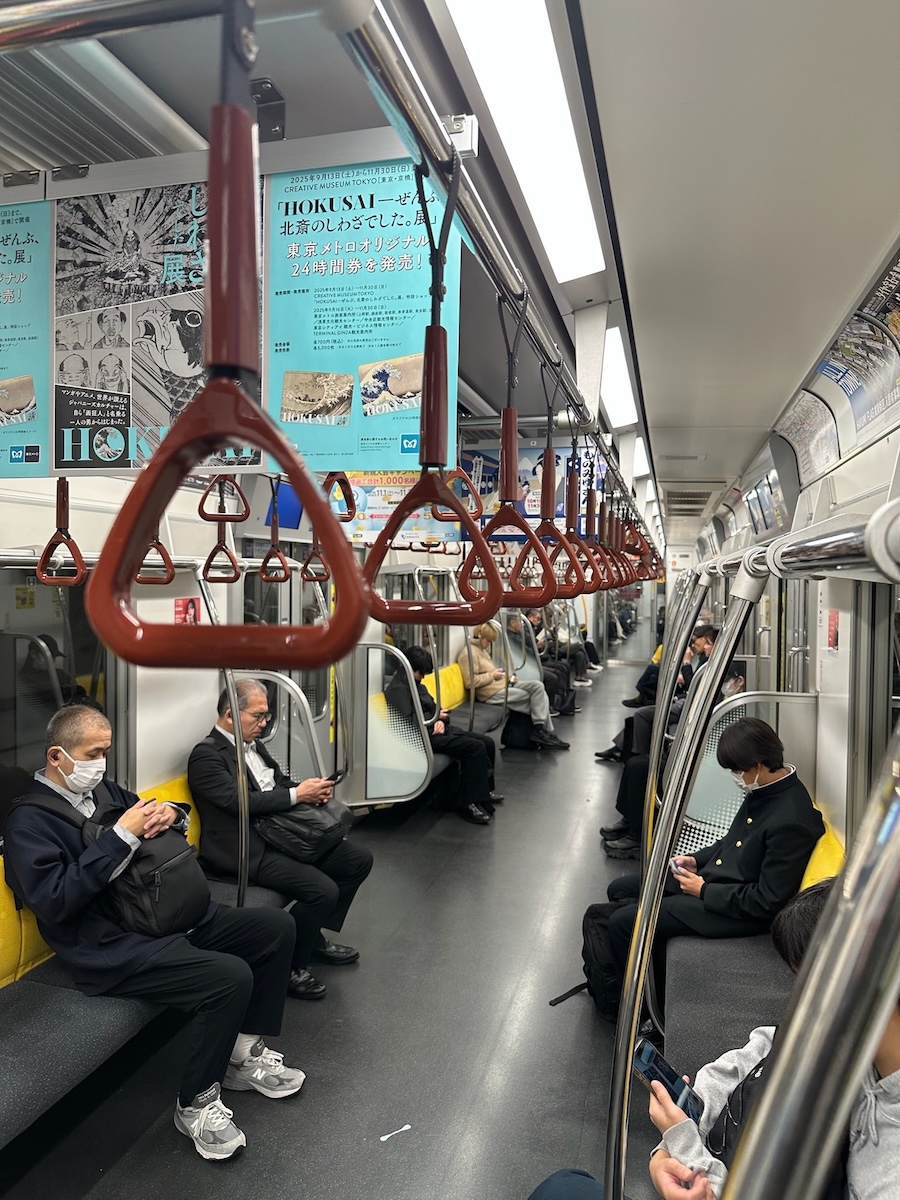
Inside a carriage on the Tokyo subway, I’m listening to Nobuo Uematsu’s original soundtrack to Final Fantasy VII on my headphones, imagining myself as Cloud Strife escaping from the mako reactor and heading to the Midgar slums. I feel like my 16-year-old self would be proud of this decades-old deep cut. We reach the split-second darkness of a tunnel and hit the light.
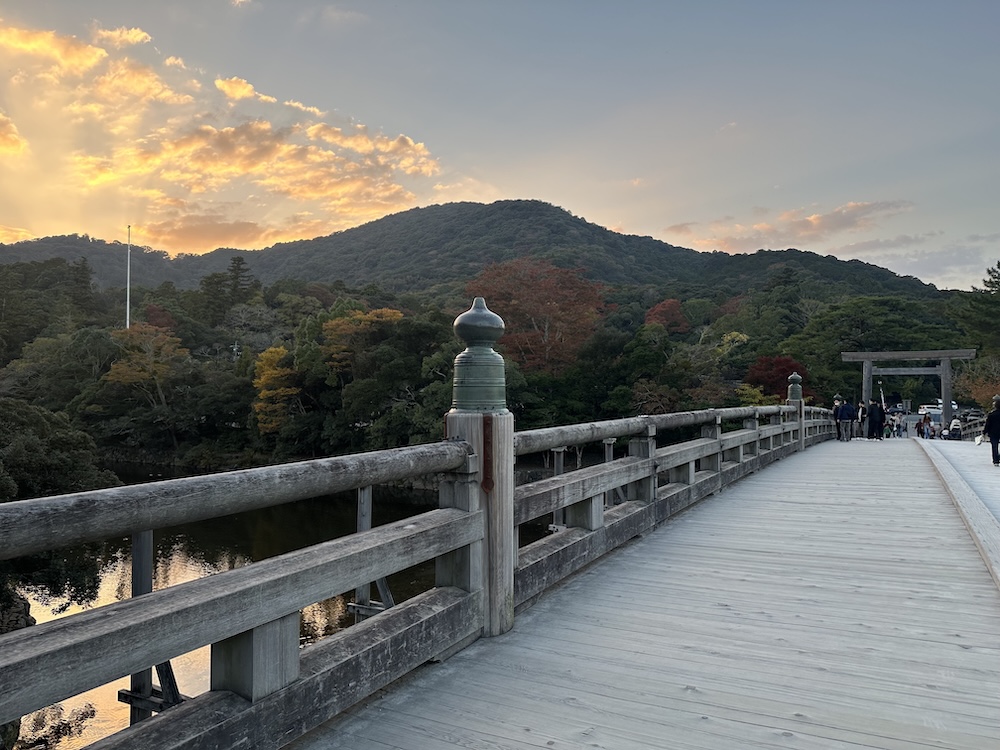
It’s late afternoon. I kneel and wash my hands in the purifying waters of the Isuzu river, which flows through the sacred grounds of Naiku and under the Uji Bridge. There is a crab beneath the surface engaged in its own rituals, unaware of mine. I stand and turn away in the direction of a forest that houses a shrine rebuilt, disassembled, and rebuilt again every 20 years.
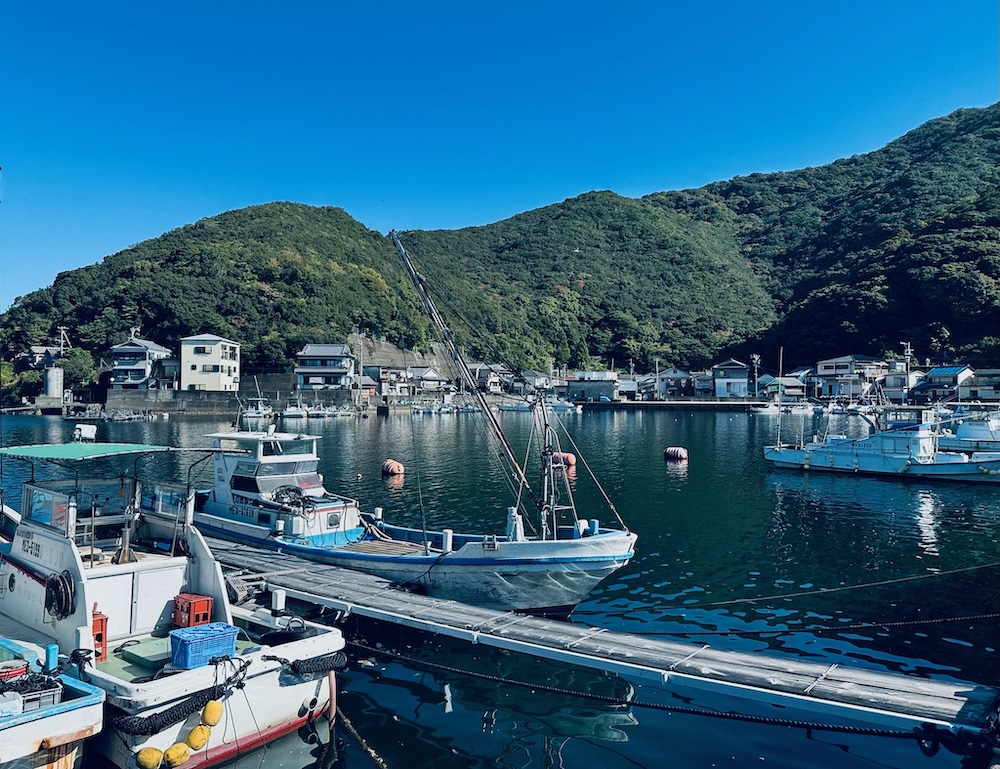
I can feel the gentle hum of the boat engine in my bones on the deck of the Marukinmaru. Hashimoto-san smiles as he explains to me why Japanese fishermen end their boat names with "maru" (circle) to pray for their safe return home. The azure blue waters sway and shimmer with flecks of gold in the midday light as the fishing village of Asoura grows smaller in our wake and we head out through the islands and inlets into the open water of Ago Bay.
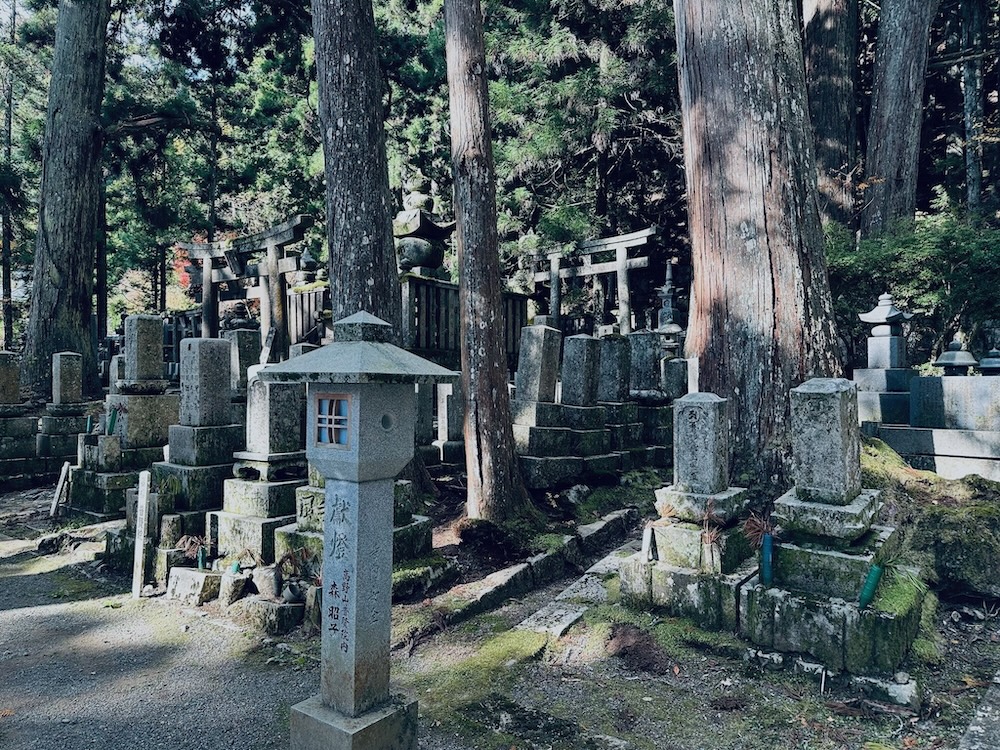
I’m standing among the moss-covered gravestones of Okunoin, the pathways through the ancient forest illuminated by shafts of warm light that arc downward between the Japanese cedar trees. Later, in the dead of night, I'll return here to visit the mausoleum of Kobo Daishi whose followers believe is still meditating within its walls, more than 1,200 years after he entered.
In Sumida, I discover a cafe dedicated entirely to bananas in a sleepy suburb hidden in the shadow of the Tokyo Skytree.
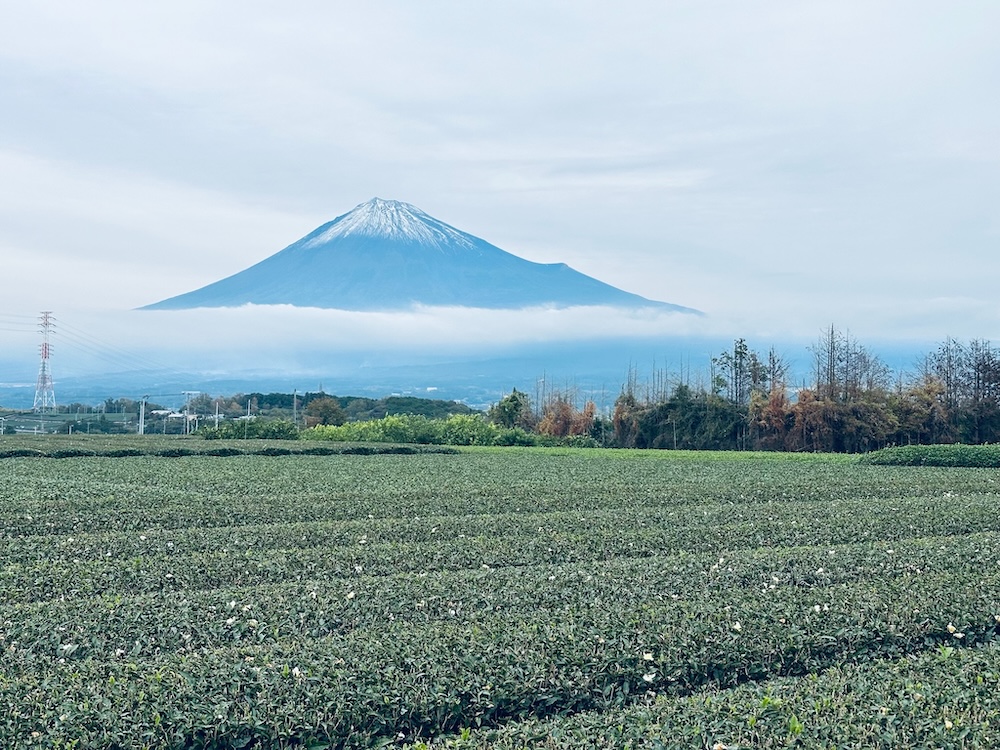
I watch green tea being made by hand using a chasen (茶筅) with leaves picked from the fields surrounding Mt. Fuji.
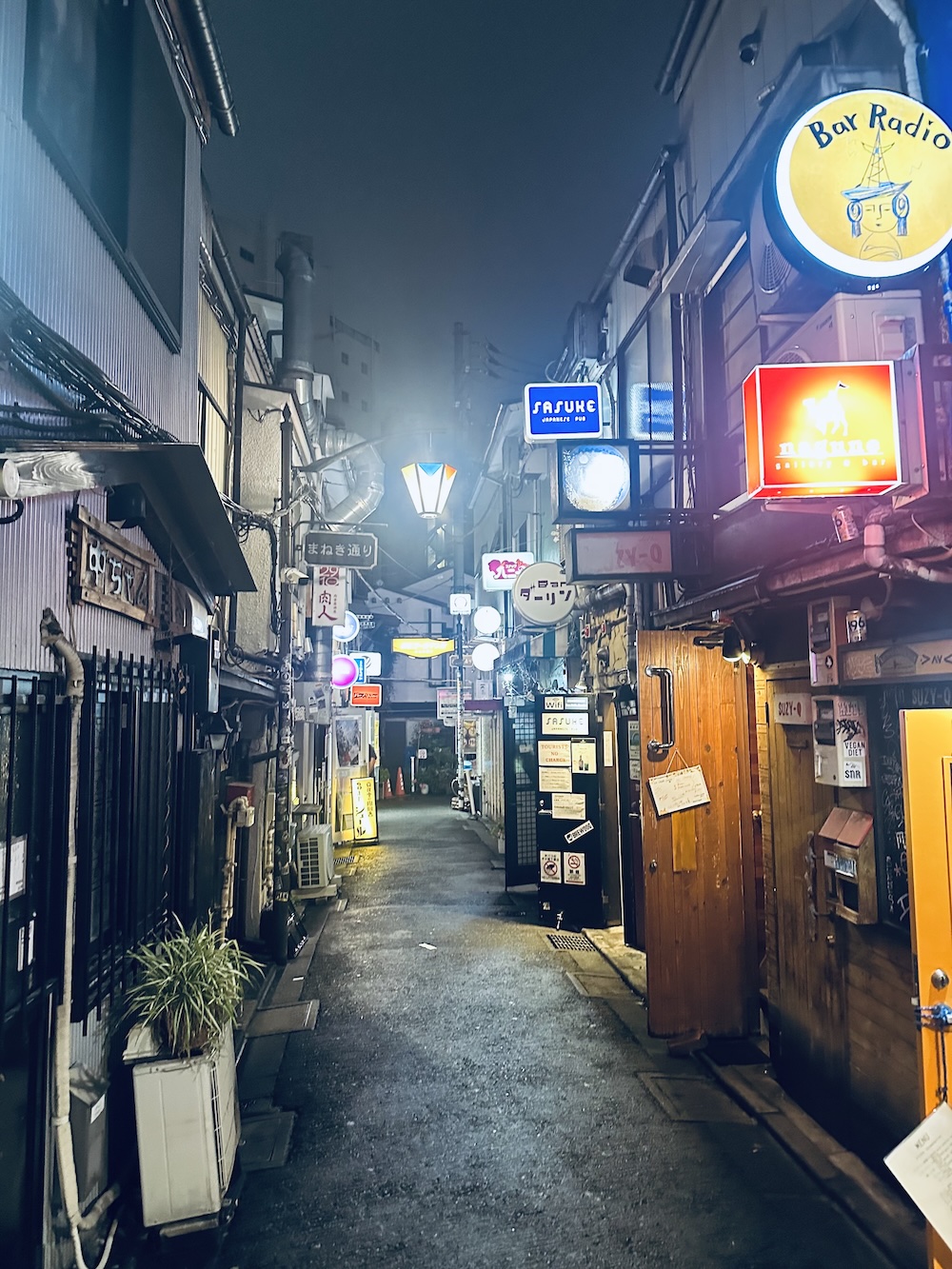
There is a hidden bar within the narrow, neon alleyways of Golden Gai with no name or signage outside, just a plain wooden door. Inside, the walls are lined with books from floor to ceiling and lemon sours are the speciality.
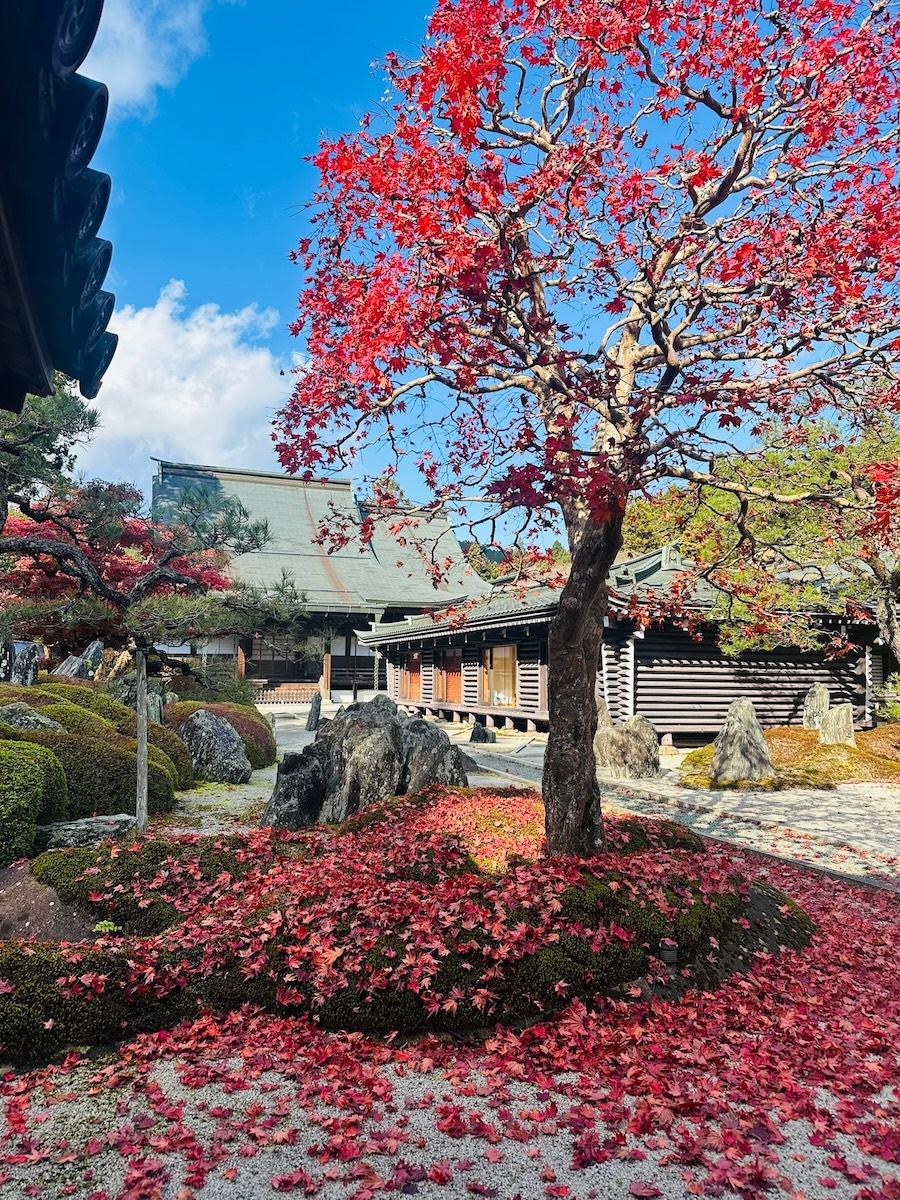
I spend the night sleeping on a futon and a tatami mat floor in a shukubo (Buddhist temple lodging) on Mount Koya, waking at dawn to meditate with the resident monks.
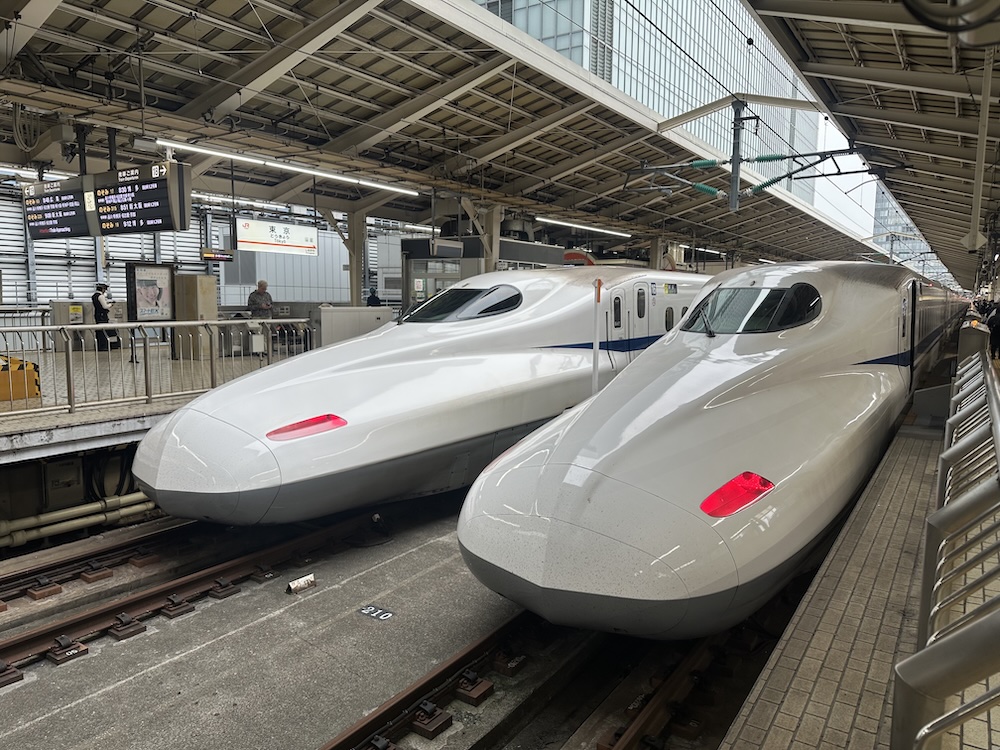
The thrill of excitement as I step aboard my first bullet train.
These fragments of memory spring to life in my mind whenever I think of Japan…
…bright and vivid, like a sudden burst of flame…
…these are the moments that make life worth living, the experiences that make us feel truly alive.
I’ll carry them with me for the rest of my life, moments of pure happiness, excitement, and freedom that will forever be associated with Japan in my mind.
I need to put them in some kind of order, but with so much to tell you, it’s hard to know where to begin.
Let’s start again. Once more with feeling.
Where we’re from, there is always music in the air
You may wonder why I chose this particular quote, taken from David Lynch’s groundbreaking television series, Twin Peaks, as an epigraph for this article. It isn’t a reference to the cultural phenomenon that manifested around the show in Japan following its original broadcast in 1991, with faux funerals for Laura Palmer held in Tokyo, Osaka, and Nagoya at the time, and an influence that is felt to this day. No, I had a much more literal reason for this epigraph, specifically the ‘music in the air’.
There is music everywhere in Japan.
From the melodies played at pedestrian crossings to the jingle when your sushi order arrives on the conveyor belt, from bathrooms to train stations, vending machines to delivery trucks; during my time in Japan, the happy sounds, almost always floating on the air, never failed to put a smile on my face.
At pedestrian crossings in particular, I found myself almost skipping across the road to the timing of the upbeat melody (much to the amusement of my Japanese travel companions who seemed to love my child-like enthusiasm for their country); an everyday experience made joyful.
These sounds at Japan’s crosswalks, or ōdan hodō (横断歩道), are also more than just random melodies; they’re actually birdsong - pi-yo-pi-yo (chicks chirping) for an east-west crossing and kakkō (cuckoo) for north-south. As well as being charming, these sounds make it easier for the visually impaired to cross the road. They are not the only sounds either - some of Japan’s ōdan hodō play Tōryanse" (通りゃんせ) - a children’s song which translates as ‘you may pass’ and you will find other songs throughout the country.
Interestingly, the full quote from The Man from Another Place in Twin Peaks includes an extra line that is even more relevant (given the information above): “Where we’re from, the birds sing a pretty song, and there is always music in the air.”
However, as I started to analyse my own choice of quotation, I realised that, consciously or not, there was much more to it than just the ‘music in the air’. Even the name of the character who speaks the phrase, the mysterious ‘man from another place’, now took on a new meaning for me. I was the man from another place while I was in Japan and at the same time, the country itself was ‘another place’ - somewhere beyond my own reality, outside of the space and time I belonged to, a place, like the worlds of David Lynch, both familar and different.
A place both wonderful and strange
The line above refers to Twin Peaks and not Japan. I personally didn’t find anything about Japan strange, but the words familiar and different were definitely among my initial impressions. People talk about experiencing a culture shock when they visit Japan, but there are many elements here that are familiar, even comforting for travelers from the West; the cities, the shopping malls, the convenience stores, the restaurants and attractions, and much more. But interestingly, it’s a version of the West recreated through the lens of Japanese consciousness, filtered through its own idiosyncrasies. It’s Japan’s vision of the West, which in turn makes it distinctly Japanese and (in a Baudrillardian sense) more real than real. Tokyo and Osaka certainly meet the definition of being hyperreal; they’re incredible places.
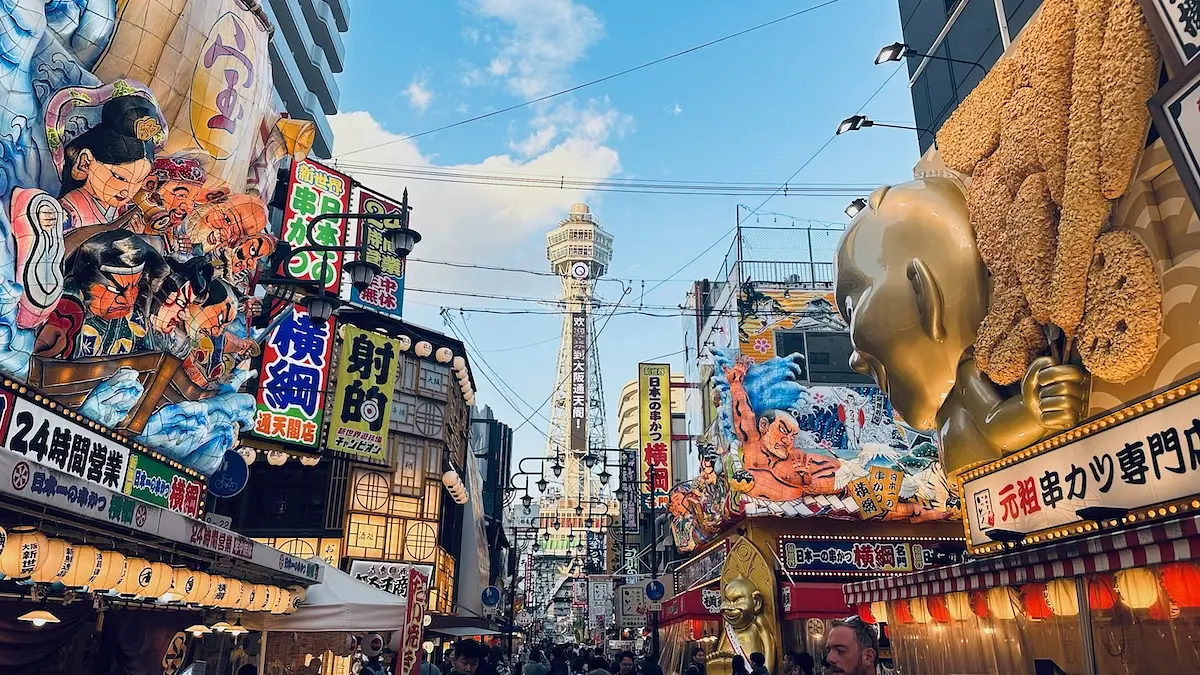
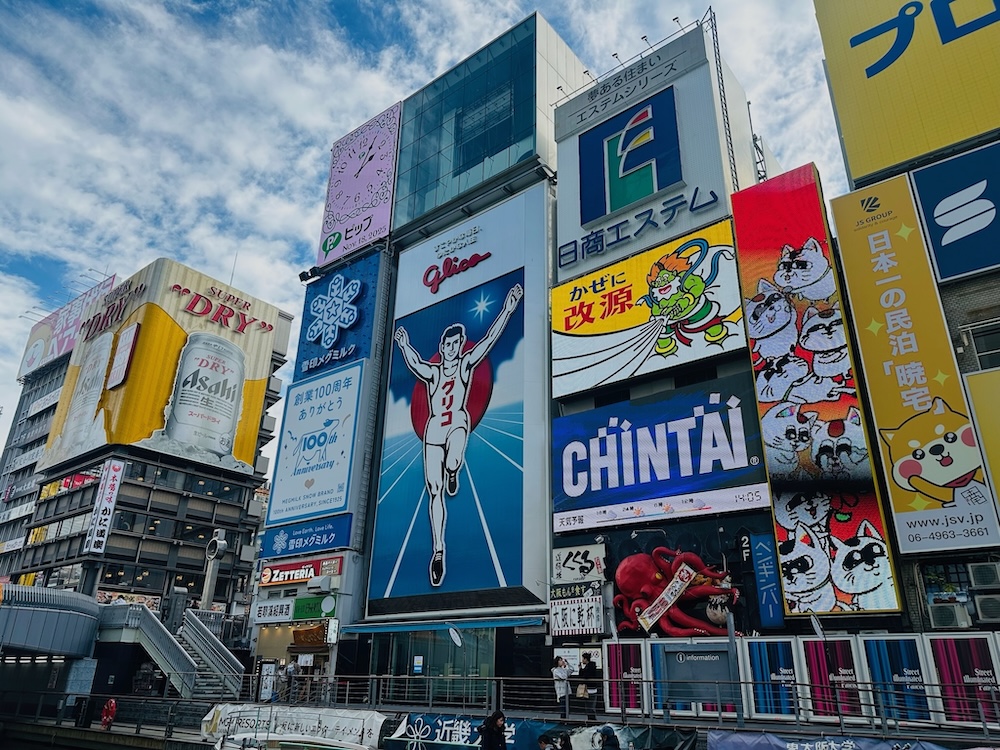
Tokyo is a busy and fast-moving place (just take a trip on the subway at rush hour and you’ll see) but my first impression of the city was actually how unexpectedly calm it was, especially at night. I soon discovered that Tokyo has many different faces of course; it’s not one city, but many coexisting together, and each has a distinct personality. Not all of them are calm, but even when the volume gets turned up, there is still a sense of peacefulness and order, a quietude that makes it unique among the major cities I’ve visited. Calm isn’t a word I’d use for Osaka - at least not Dotonbori anyway. Dotonbori is like Shinjuku in Tokyo after a shot of adrenaline to the heart. It’s spectacular and wild.
Alongside the comforting familiarity of Japan’s simulations of the West, and even within cities like Tokyo and Osaka, you’ll find sights, sounds, and experiences that are uniquely Japanese. Journey further out into the countryside, the coastlines, and the mountains, and you’ll discover even more. There are towns and villages, full of old country charm as a Japanese friend of mine liked to say, where you’ll genuinely feel like you’ve stepped back in time. This feeling of familiarity, combined with so many points of difference, the push-pull between comforting things you know and the shock of the new, is likely the reason why visitor numbers to Japan continue to break records year on year. The balance is perfect. It may also account for why the country is often described as a place of contrasts. I encountered this myself. In Shibuya, close to the famous scramble crossing, I wrote in my notebook that Tokyo is a city with a million eyes where nobody is watching. There were times when I felt completely invisible within the vast crowds of people. It seemed like a city where it would be easy to disappear.
While the description of Japan as a country of contrasts is true in many ways, it is also reductive. It’s all too easy to fall into comfortable, played out dichotomies of futuristic and historic, innovation versus tradition, east meets west; Japan is much more complex than that. It’s a multi-layered web, a rich weave, where the influences that have helped shape the country, from within and without, have also been absorbed and combined, reconfigured, to create something unique; ‘another place’.
Don’t Try
Place, and how you write about it, was one of the starting points for this first article about my travels in Japan. How can I do justice to a place as special as Japan, and which has been written about so extensively? I can hear Bukowski’s words in my head at this point. “Don’t try,” he would say. He means, don’t reach for it, let it come to you. But there is another reading and that’s don’t try to say everything at once and that’s especially true about Japan I’ve found.
I think it was another American novelist, Don DeLillo, who said, “I don't know what I think about certain subjects, even today, until I sit down and try to write about them.”
DeLillo’s quote came to mind here because I think it’s even more relevant when it comes to understanding how you feel about a place. You have to go there; you have to experience it. It’s only through being there that you can feel anything real.
Japan has been a lifelong source of fascination for me, particularly as a child and teenager. It was a country that I wanted to visit from the age of about 10 or 11 onwards, whose importance to me re-emerged, almost unexpectedly, later in life in my career as a writer. The opportunity to visit for an extended period, and write about my experience of Japan, has given me a chance to reflect on where that interest first came from, at the intersection of pop-culture, history, food, and iconography; a confluence of Japanese video games, comic books and anime, movies, samurai history, Japanese literature, Buddhist philosophies. I suspect a whole generation can cite the same cultural references; the same video game companies, the same movies, the same books, but as Jean-Luc Godard says: "It's not where you take things from - it's where you take them to."
In my writing and creative work, I’ve always tried to take my influences somewhere new, but in this case, they took me to ‘another place’; far removed from my safe and familiar world, somewhere different and exciting.
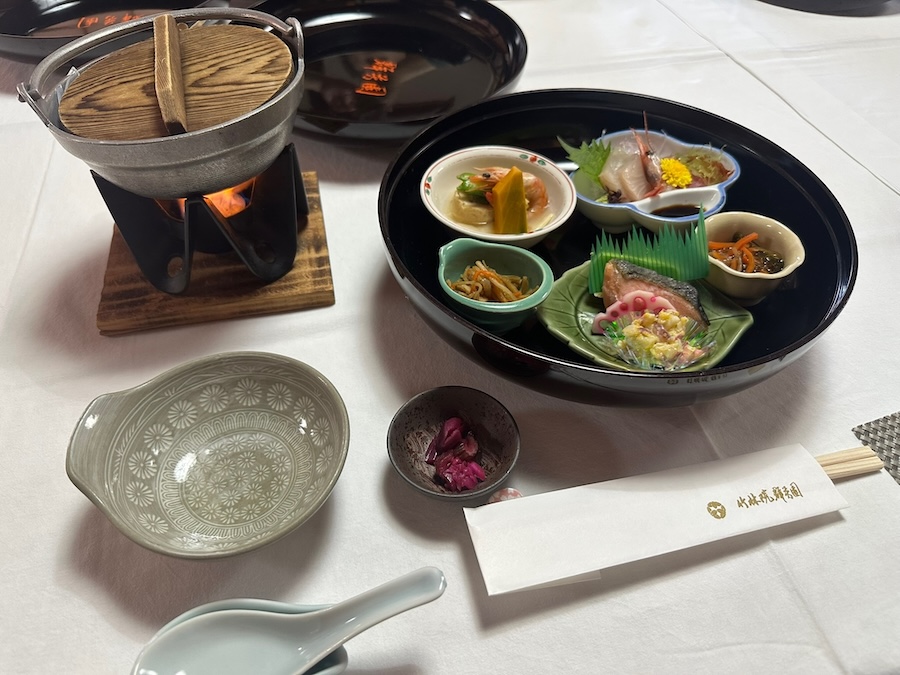
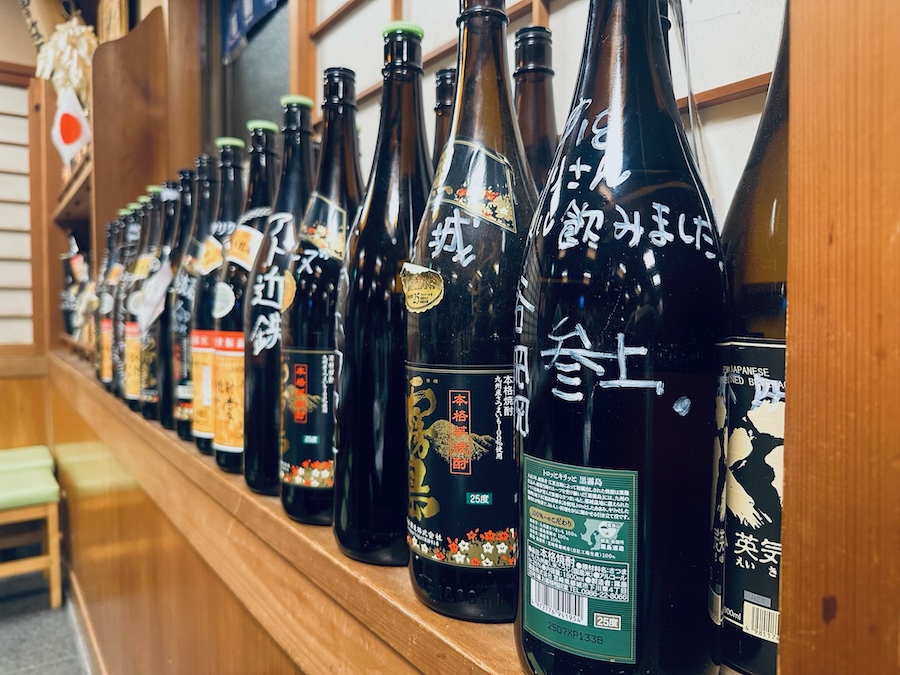
This is probably a good opportunity to tell you about where this journey actually took me in practical terms. Now, I could list the A to B. I could tell you about the days and nights I spent in Tokyo, before stepping away from the famous golden route and taking a road less-traveled to reach Osaka and Kyoto. Again, I could name the places I visited in between, Fuji City, Shizuoka, Matsusaka, Ise-Shima, Kashikojima, Asoura, Ago Bay, Kashihara, Yoshino, Nosegawa, Koyasan, the hotels and ryokans I stayed in, the trains and buses I took, the landmarks and attractions I visited, the food and drink I tried (I can tell you now, there’s going to be a lot about food and drink in future instalments - just see the image below as a preview), but a simple itinerary wouldn't tell the story. Instead, I’ll do my best to take you with me in each article.
While on assignment for JapanDen, I was able to explore completely independently, solo and self-directed, for much of my time in the country, but I also benefited from local knowledge and expertise during a special section of my trip. One of Japan's largest and most prestigious companies, Kintetsu (KNT), have recently introduced a new concept in self-guided tours under their ‘Blue Planet’ brand and were kind enough to invite me along for a preview of a seven-day route they called ‘Pilgrimage: Mt. Fuji, Ise-Shima, Yoshino, Koyasan, and the Sea of Clouds’. As well as providing a number of unique experiences I would never have been able to try without their help, this also gave me the opportunity to meet locals and travel with a group of lovely Japanese people who were only too excited to show me their country. I made several new friends along the way and can definitely say I experienced Japan’s legendary hospitality, omotenashi, first hand. I’ll be writing about this tour in detail in future articles and explaining how the self-guided element works so you can follow in my footsteps when they officially launch later in the year.
Needless to say, we’ve got a long way to travel together, you and I. This first article is just the beginning. I plan to write about everything I experienced in Japan, from the cities to the countryside and coastlines, to local shrines at the summit of cold and misty mountains, the train journeys, the izakayas and restaurants, the hotels and ryokans, the late nights and early mornings, the people and places. You’ll find it all here on JapanDen over the coming weeks and months. At the same time, don’t expect a straightforward, chronological journey…
So it Goes
Like Billy Pilgrim in Kurt Vonnegut’s Slaughterhouse Five, experiencing his life in a non-linear fashion (or for a more contemporary reference, Tom Hiddleston’s Loki ‘time-slipping’ through season two of the eponymous show), I began this article effectively ‘unstuck in time’, jumping back and forth between a series of moments, fragments, memories from my time in Japan.
This felt like the most honest way of bringing to life how I feel about Japan because when I think of my travels there, one moment suddenly gives birth to hundreds of others, like little electric sparks in my mind, each with a life of their own.
On the rooftop in Shinjuku, lying in the open-air onsen, I can’t remember seeing any stars, just the red lights of the buildings speaking their silent, visual language, but that moment quickly becomes another.
I’m stargazing on the roof of the Shima Kanko hotel in Kashikojima, marvelling at a view of the heavens I’ve never seen before. Hours later, I’ll be standing in the same spot watching the sun come up over the islands and inlets, a burst of flame on the horizon that colors everything.
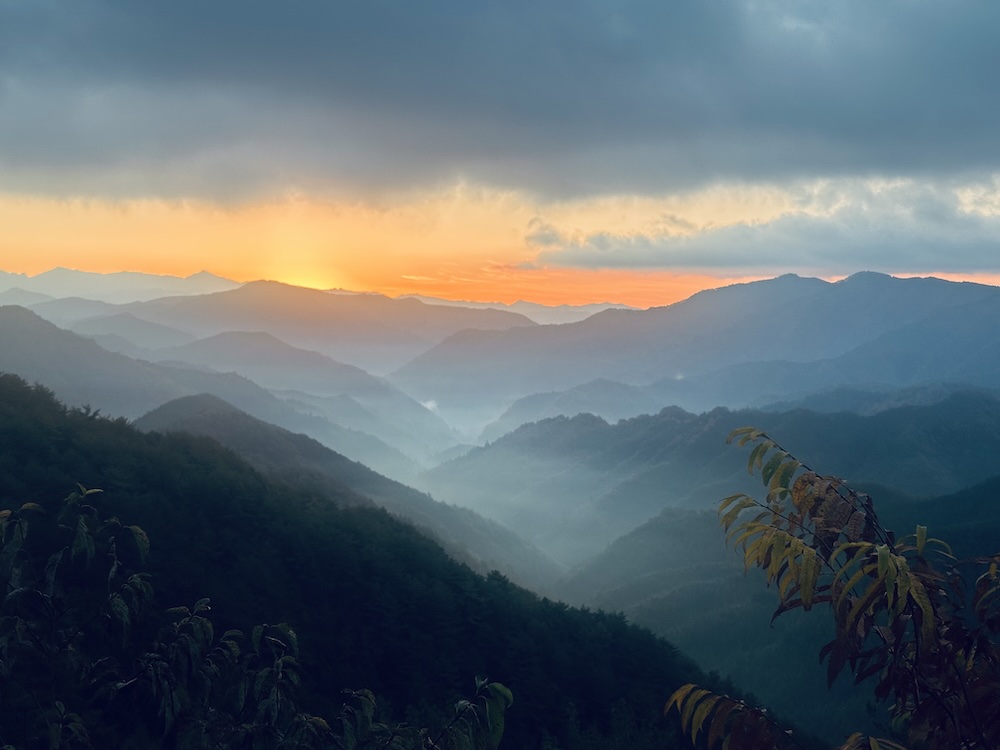
Another day, another dawn, this time at elevation, in the remote Yoshino mountains, and I’m watching a vast sea of clouds form over a densely forested valley near the tiny village of Nosegawa and its 345 residents.
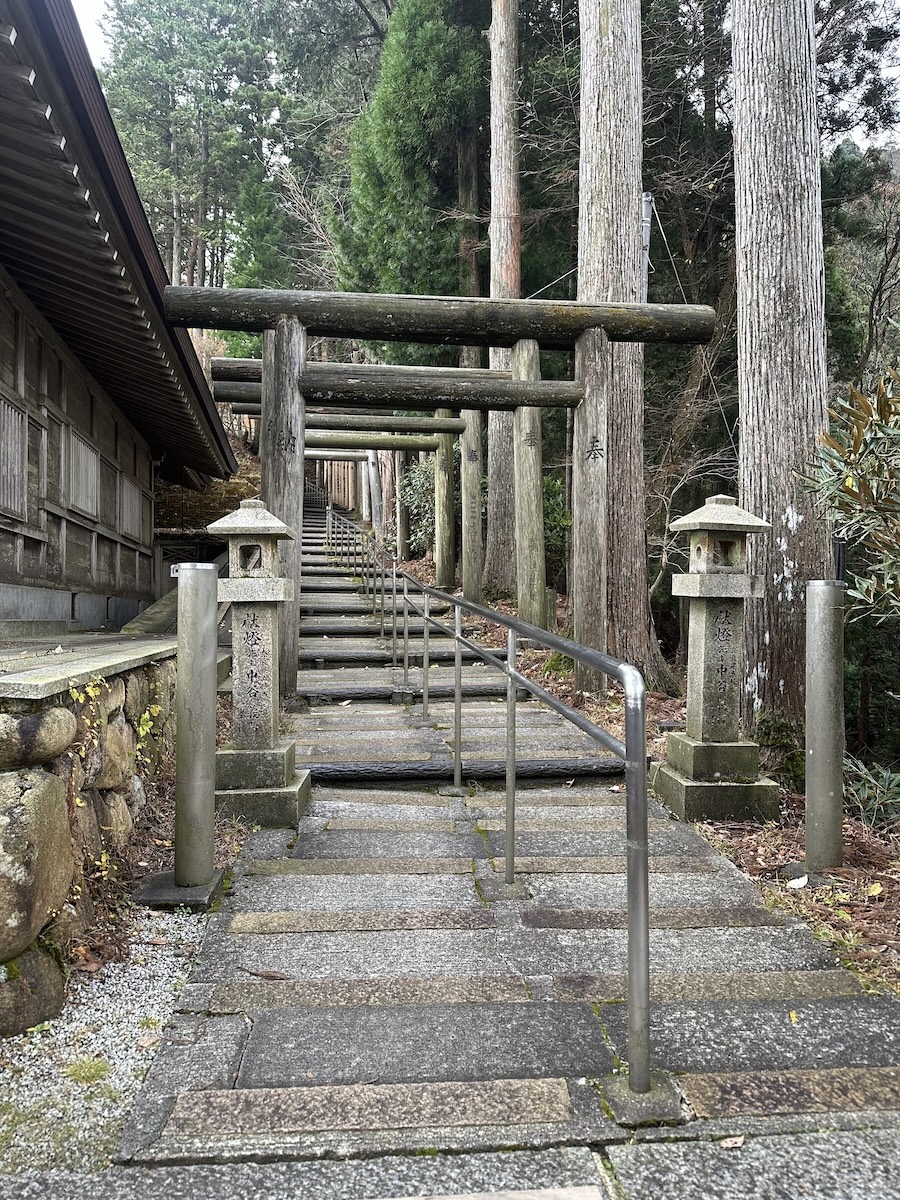
Later, I’ll climb steps strewn with leaves and wet with mountain mist, following a forest path that spirals upward, through one thousand torii gates, to reach Tateri Kojin Shrine at the summit of Mount Kojin, where a breathtaking view of the valley awaits.
Suddenly, motion, movement, light. The view from the dining car of the Shimakaze limited express as glistening coastlines, rooftops covered in distinctive kawara tiles, and mountains carpeted by dense forests glide by like an old fashioned picture show.
A quiet afternoon spent amongst the bookshops and kissaten of Jimbōchō, Tokyo.
Next, I'm watching a whale shark glide slowly and serenely past my eyes, its thick, dorsal skin dappled with white spots and markings, at Kaiyukan in Osaka.
Drinks at a 100-year-old Izakaya where the owner uses a traditional Japanese abacus (a soroban) to calculate the bill, surrounded by friendly faces, small plates, beer, and sake.
Dining at a historic ryokan where legendary samurai Toyotomi Hideyoshi hosted a cherry blossom party in 1594.
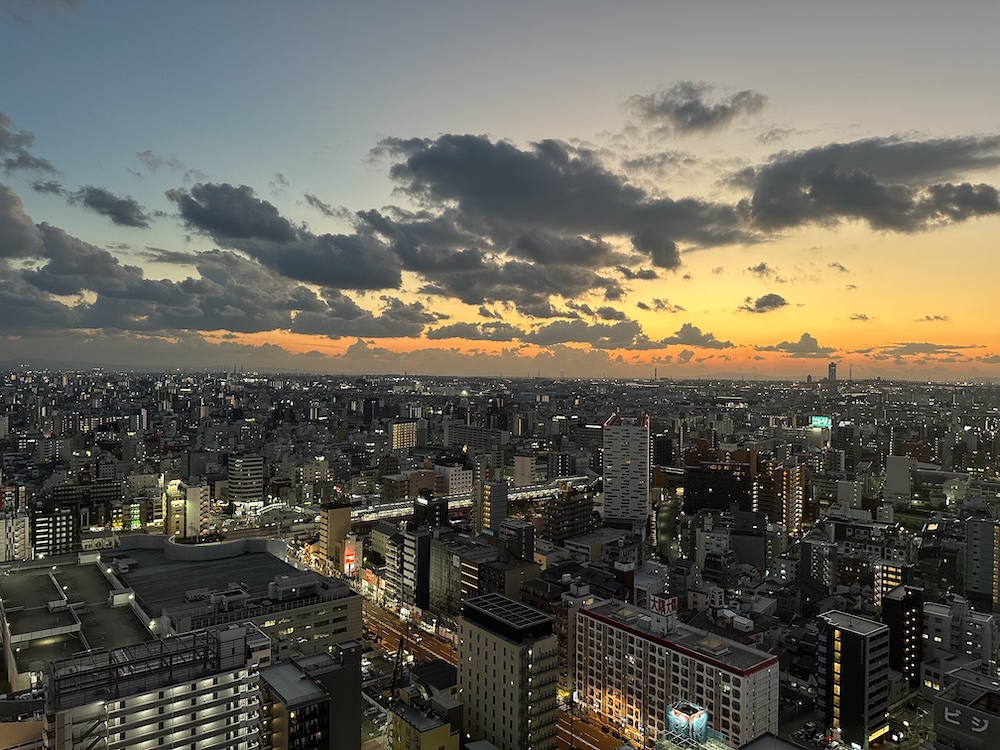
The view of the Osaka skyline at sunset from the open-air observation deck on Tsutenkaku Tower.
Breathing in the smoke from the giant earthenware incense burner (a jokoro) outside the main hall at Senso-ji temple, feeling the warmth on my skin as I lean over it, wrapped inside a cloud.
Riding the oldest mountain ropeway in Japan to reach the beginning of the pathway to the summit of Mt Yoshino.
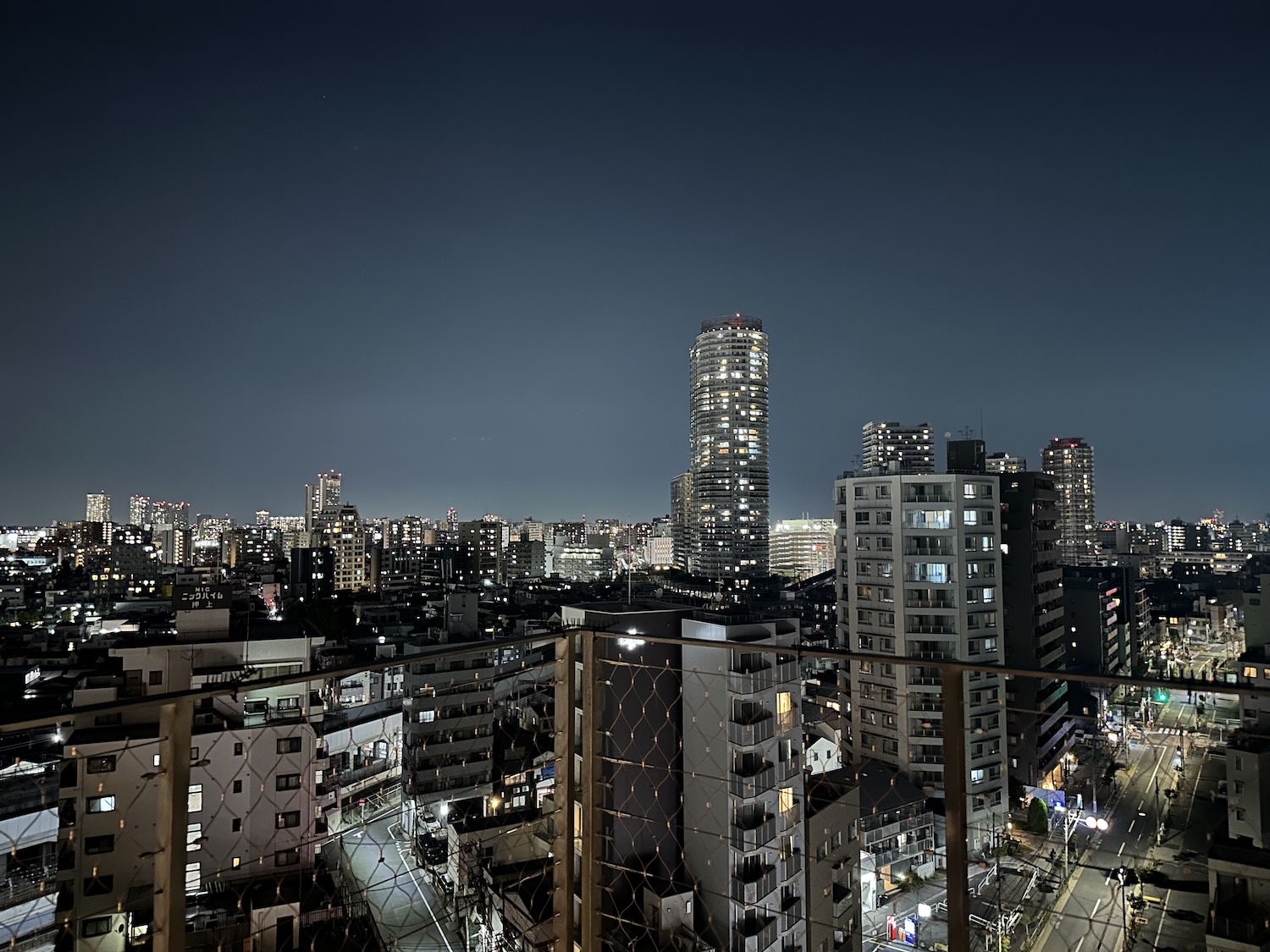
Standing on a hotel rooftop on my first night in Japan, looking at the Tokyo skyline, listening to the gentle rumble of trains passing back and forth, the Skytree illuminated in colored light, reaching upward.
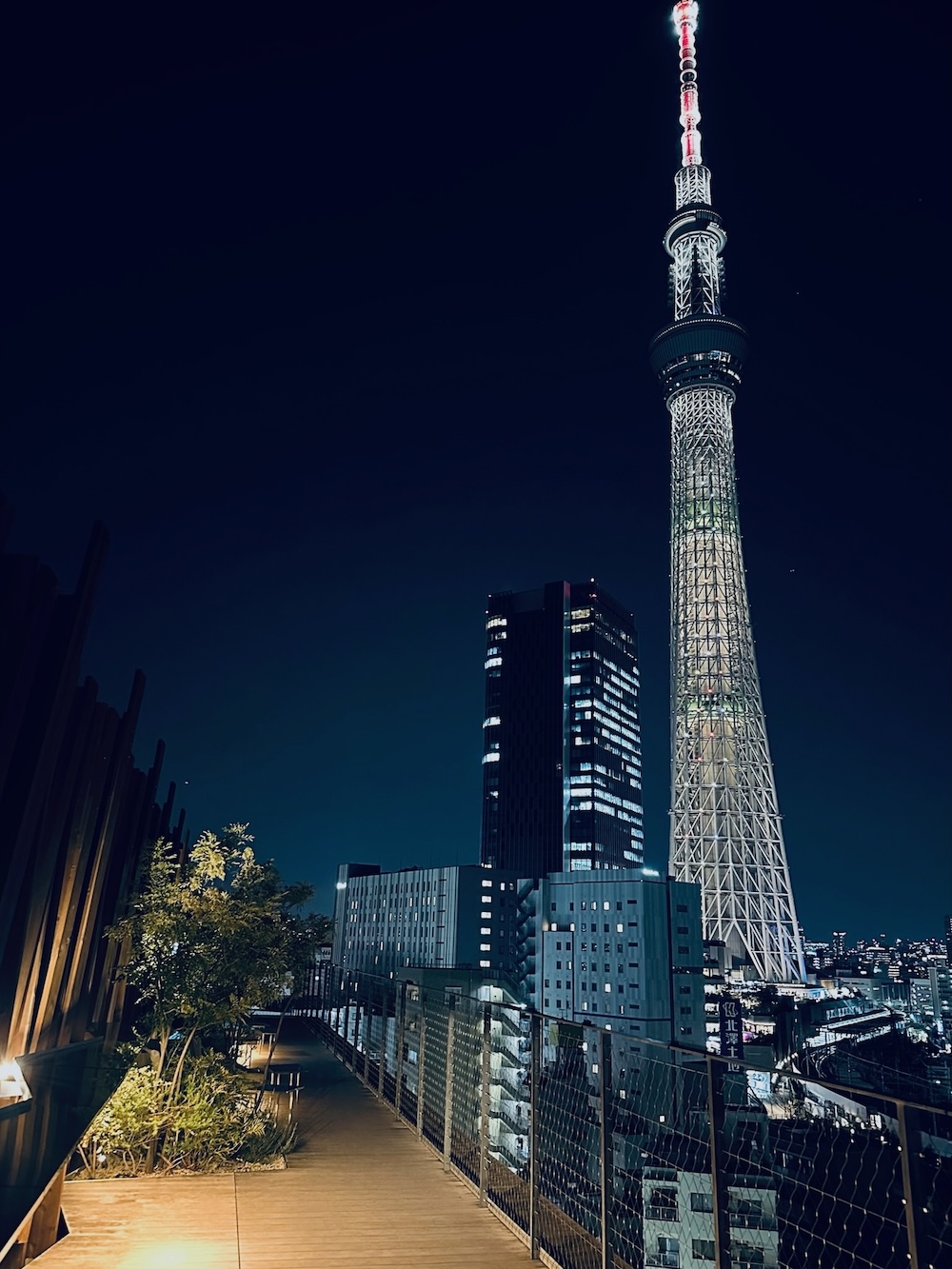
That was the moment when it hit me for the first time; this is real. I’m actually here.
I’m in Japan.
And I don’t think I stopped smiling for the rest of the trip.
As I said near the beginning of this article, these are the moments worth living for, the experiences that make you feel alive - and that’s the essence of Japan for me. If I distill everything down into a single feeling, that’s what it means to me, and I’m going to do my best to put this into words with each feature in this series as I go into more detail about my experiences. This is just the beginning - the pilot episode (if you’ll allow me one more callback to Twin Peaks) - and there is much more to come.
You’re going to have to forgive me if I continue to jump around like this, for my little eccentricities, but Japan isn’t a straightforward place and, in my opinion, it deserves a non-conventional and more creative approach. So here we are.
Or as Vonnegut said, “So it goes.”
***
About the author
Daniel James is an author and journalist from Newcastle upon Tyne in the United Kingdom. His work has appeared in The Times, the Guardian, The Scotsman, and on BBC Radio 4. As a travel writer, he has specialised in Japan as a destination for more than seven years.
***
Field Notes from Japan
Additional information you might find interesting alongside useful links and recommendations for further reading. Notes are listed in order of appearance in the main article above.
Travels in Hyperreality
The title of this first article is taken from Umberto Eco’s book of the same name from 1995, which features essays by the Italian author and semiotician originally written and published between the years 1967 and 1983.
Onsen Ryokan Yuen Shinjuku
The open-air rooftop onsen was on the 18th floor of Ryokan Yuen Shinjuku - a contemporary ryokan (traditional Japanese inn) in Shinjuku, Tokyo. Sadly, phones (and cameras) were forbidden in the onsen or I would have taken a photograph of the hypnotic Shinjuku skyline at night. I found it tranquil and mesmerising. Onsen Ryokan Yuen Shinjuku is just one of the hotels and ryokans I stayed at during my travels in Japan. I’ll be writing about each of them in upcoming articles.
Final Fantasy VII
I don’t think my otaku credentials will ever be doubted again after managing to include a reference to Final Fantasy VII in my first editorial piece about my travels in Japan. Although there’s been a recent remake, it’s the original version of this epic Japanese RPG that is closest to my heart - and Nobuo Uematsu’s beautiful soundtrack is a key component. A masterpiece in every way; the game was unlike anything I had ever played before when I put the first of its three CDs into the disc drive of my PlayStation (with a mind-bending narrative centered on an unreliable narrator that remains groundbreaking to this day). Like a great novel, read at just the right age to change your life, this 30-year-old game inspired a whole generation of people and continues to occupy my thoughts like few works of art have before or since.
Ise Grand Shrine
Located in Ise city, Mie Prefecture, Japan, Ise Grand Shrine is known as the ‘soul of Japan’ and is considered to be at the heart of all 80,000 shrines in Japan. It consists of an inner and outer shrine. I visited the former (Naiku), which is considered the most sacred Shinto shrine in Japan and is dedicated to the sun goddess Amaterasu-Omikami. As mentioned in the main article above, every 20 years the entire shrine is disassembled and rebuilt in a tradition called Shikinen Sengu. This Shinto belief reflects the impermanence of nature, and ensures the renewal of divine purity, while passing down ancient craftsmanship skills from one generation to the next. I’ll be writing more about my pilgrimage to Naiku in a future article.
Fishermen Experience, Asoura
One of my favourite days in Japan was when I visited the tiny fishing village of Asoura and went out on the water with fish master Jun Hashimoto on his boat, the Marukinmaru. I’ll be writing about this experience at length in a future article.
Okunoin
The largest cemetery in the country and one of Japan’s most sacred places, Okunoin on Mt Koya is home to more than 200,000 graves, as well as the mausoleum of Kobo Daishi, the founder of Shingon Buddhism. The cemetery is watched over by a dense forest of towering cedar trees, which protect the tombs and monuments from the elements. Koyasan is one of the three sacred sites of the Kumano Kodo pilgrimage trail, which was designated as a UNESCO World Heritage site in 2004. Yoshino, which I also visited, is another of the sacred sites that this historic trail connects.
The Banana Factory
A charming cafe where everything is made from bananas? Or a secret hideout for the banana-obsessed Yiga Clan from The Legend of Zelda: Breath of the Wild (and Tears of the Kingdom)? You decide! Jokes aside, the Banana Factory in Sumida, with its cakes, pastries, bread, and ice cream, made me smile from ear to ear when I came across it. Check out their Instagram here.
Kobayashi-en
An historic tea house and gardens in Fuji City, Shizuoka, with views of Mt Fuji, serving sencha of the highest quality and managed by the same family for generations. Their best leaves have the honor of having been presented to the Japanese Imperial household - an indication of exceptional quality. I’ll be writing about my visit to Kobayashi-en in a future article about my travels around the Fuji area.
Open Book
A tiny bar dedicated to lemon sours, lined with books, and run by the grandson of a Japanese novelist, Open Book is one of my favourite bars in Tokyo. I had a great night there chatting with the patrons and staff, while working my way through the drinks menu. The lemon sours were delicious and it’s such a cool place that I thought twice about whether to include it in this editorial or keep it secret - it’s that good.
Fukuchin, Koyasan
On Mt Koya - the birthplace of Shingon Buddhism more than 1,200 years ago - there are 117 pagoda temples centered around Kongobu-ji Temple. Fukuchin is one of them and was founded 800 years ago. This historic temple is one of 52 shukubo on Koyasan, offering temple stays to visitors, and this is where I stayed during my visit to Koyasan. It was undoubtedly the most traditional place I stayed during my time in Japan and included several unique experiences such as dawn meditation with the temple’s Buddhist monks and meals consisting of Shojin ryori, a traditional vegetarian cuisine. There will be a full length article to come about the time I spent on Mt Koya and my stay at Fukuchin.
Shinkansen
Japan’s famous bullet trains definitely lived up to my expectations. They’re also an incredibly quick way of traveling long distances while still being able to enjoy the scenery and get a sense of the landscape you’re passing through. My first bullet train journey was from Tokyo to Shin-Fuji on the Kodama service, a route which is known for its views of Mt Fuji, and you could feel the excitement among the passengers in the carriage when the revered mountain made the first of several appearances through the window. Everyone was smiling and trying to get a glimpse of Fuji-san.
Japan and Twin Peaks
As discussed above in the main article, the iconic television series had a profound resonance to Japanese audiences, drawn to its mystery and melancholy, its unique aesthetic and style, its subversion of genre and form, and its ambiguous, supernatural elements. One additional detail I uncovered while researching Twin Peaks’ connection to Japan was a unique series of coffee advertisements (for Georgia Coffee) in Japan that were actually directed by David Lynch and featured actors from the show such as Kyle Maclachlan. For more on Twin Peaks cult following in Japan, read this excellent Yokogao article.
Japan’s ōdan hodō and joyful trains
The country’s pedestrian crosswalks are just one of the places where you’ll encounter charming, upbeat sounds. They’re everywhere in Japan and as I started to research this topic, I was amazed to find so many other examples. Many train stations have unique musical cues and jingles for trains arriving and departing (one station, JR Takadanobaba, uses the Astro Boy theme tune), while everything from garbage trucks and emergency vehicles to sweet potato food vans, have their own unique songs and sounds.
Video games
I could write a whole essay on the impact of Japanese video games (and maybe I will) on my childhood, but just to add a little more detail to my words in the main article, it all started with the Sega Master System for me, followed a few years later by the Sega Megadrive (and Sonic the Hedgehog). At the time, I was definitely more Sega than Nintendo, but that gradually changed over the years with Sega leaving the console business. In parallel to this, around the same time, I was probably reading Chris Claremont’s Wolverine series of comic books for Marvel set in Japan, so I can definitely see why the country came to represent almost everything cool in my mind back then. Later, Sony’s PlayStation became my console of choice (and the original Final Fantasy VII changed my gaming life) before I finally discovered Nintendo with the Gamecube, Wii, and later, Switch. After countless hours playing games from The Legend of Zelda series over the years, it was particularly fun to visit the Nintendo stores in Tokyo and Kyoto, (as well as the Sega store in Shibuya and Square Enix pop-up cafe). The same could be said for the official Studio Ghibli stores, Donburi Republic. Like so many others, I fell in love with the worlds created by Japanese animators Studio Ghibli through films such as My Neighbor Totoro, Spirited Away, Ponyo and more, so it was a real treat to visit the birthplace of these characters. Ghibli Park is definitely on my list of future places to visit.
Kintetsu Group Holdings
With a history that can be traced back to 1910 (specifically, to the Nara Tramway Co., Ltd, which later became the Kinki Nippon Railway in 1944), Kintetsu Group Holdings is a major Japanese conglomerate headquartered in Osaka, operating the largest private railway network in the country, and a wide range of other transportation, including buses and taxis, as well as real estate, retail (department stores) and leisure, international logistics and hotels. The oldest arm of the business is the Kintetsu Railway Company whose network connects Osaka, Nara, Kyoto, Nagoya, Tsu, Ise, and Yoshino, while one of their newest ventures are the self-guided tours mentioned in the main article above, which I’ll be writing about extensively in upcoming articles. These tours come with an app, personalised guidebook, travel insurance, pre-booked transport, local guides, and much more. Look out for an overview of the tours in the coming weeks as well as individual articles covering different destinations, activities, and experiences.
Shima Kanko Hotel, Kashikojima
One of the hotels I stayed at during my travels through Mie Prefecture was the Shima Kanko Hotel in Shima, Mie Prefecture. As well as being a beautiful hotel in a stunning location on Kashikojima, with views of Ago Bay, it is also notable for having hosted the G7 summit in 2016 which saw world leaders at the time (such as Barack Obama and Justin Trudeau). It was certainly a unique experience to follow in the footsteps of presidents and prime ministers.
Nosegawa and the Sea of Clouds
The village of Nosegawa is one of the least populated in all of Japan with just 345 residents. As such, it is incredibly quiet and remote. The village is most famous for the sea of clouds, a natural phenomenon where, each dawn, when the conditions are right, a vast ocean of cloud forms before your eyes over the valleys, forests and mountains. I took a car up to the viewing point in the early hours one morning to watch this spectacle and it did not disappoint. I’ll be writing about my visit to Nosegawa and the sea of clouds in a future article.
Tateri Kojin Shrine, Mount Kojin
This remote mountain shrine, located at the summit of Mt Kojin at about 1,260m, appears to float above the clouds. It honors Kojin-sama (a fire kami and one of Japan’s three great Kojin deities) and the pathway to the shrine is lined with wooden torii gates. It is similar to Fushimi Inari Taisha (minus the vermillion red, these are much more modest), but that’s where the comparison ends. As opposed to Fushimi Inari and its almost endless crowds, Tateri Kojin is incredibly quiet. We were the only people climbing the steps to the mountain on the morning I visited and that made it even more special.
Shimakaze Limited Express
In Japan, trains are like celebrities. It’s fairly common, when a train pulls into a station, to see crowds of fans waiting for it to take selfies. In that context, the Shimakaze (Island Wind) is definitely a superstar. One of Kintetsu’s special trains, this distinctive white and blue colored deluxe limited express is beautiful and luxurious both inside and out, with huge, panoramic windows offering views of Ago Bay, the Mie countryside, and the Yamato region on the journey from Kashikojima. Spacious and elegant, the Shimakaze is the definition of the journey being as important as the destination. Look out for more on this special train in upcoming articles.
Tsutenkaku Tower and Shinsekai
I had a lot of fun going up the Tsutenkaku Tower in the Shinsekai district of Osaka and was rewarded with a beautiful view of the skyline as the sun set over the city, with clouds and buildings fringed with gold. Although much smaller than some of Japan’s other notable towers, Tsutenkaku’s old school charm and the relatively intimate views of the city it offers, make it well worth a visit. The area around it, Shinsekai is a neon wonderland that is truly stunning to behold, full of unique sights and sounds, and genuinely dazzling.
Jimbōchō
Jimbōchō, voted the coolest neighborhood in the world for 2025 by Time Out, is a district of Chiyoda, Tokyo, and is famous for its 100+ second-hand bookshops. A hangout for writers, artists, and students, I’ll be writing a more detailed article dedicated to Tokyo’s book town at a later date.
Kaiyukan Aquarium, Osaka
The world's largest aquarium, Kaiyukan, is located in Osaka in the Minato Ward near Osaka Bay - and it was everything I hoped and more. Easily the best aquarium I’ve ever visited. I’ll be writing a feature dedicated to this spectacular aquarium in the coming weeks.
Izakaya
I visited several izakaya - informal Japanese bars which serve small plates and drinks - during my time in Japan. On one occasion, I was taken to a small, local bar in Kashihara by a trio of Japanese women keen to teach me the ways of the izakaya. The particular izakaya mentioned in the main article above, where the owner worked out our bill using a wooden abacus called a soroban, was called Ichigetsuya - a beloved izakaya in Ise that dates back 100 years. As this izakaya was close to Ise Grand Shrine, one of the dishes we were served was abalone, a highly prized luxury seafood known as awabi in Japan. The reason for this is that abalone is considered a sacred offering to Amaterasu, who is enshrined at Naiku (the inner shrine at Ise Grand Shrine) and its harvesting is linked to the ama divers, an ancient tradition of women who free-dive for seafood in the surrounding Mie prefecture..
Chikurin-in Gunpoen
The ryokan where legendary samurai warlord Toyotomi Hideyoshi stayed (and held a famous cherry blossom party in 1594) was Chikurin-in Gunpoen on Mt Yoshino. Hideyoshi is famous as the warlord who unified Japan in the 16th century, and both Chikurin-in Gunpoen and Yoshino were favourites of his. Today, the inn is known for its traditional kaiseki cuisine and I had the chance to have lunch here while exploring Yoshino. One of the highlights was the Rikya nabe, a hotpot created by Sen no Rikyu for Hideyoshi’s cherry blossom feast. Look out for more on Chikurin-in Gunpoen in my upcoming article about visiting Mt Yoshino.
Sensoji Temple
Tokyo’s oldest established Buddhist temple, Sensoji, is located in Asakusa, and was the first temple I visited after arriving in Japan. It may well be the busiest too. The ‘jokoro’ outside Sensoji’s main hall is a giant earthenware incense burner, and one of the purification rituals at the temple The way it works is that you light an incense stick, place it in the burner, and then waft the smoke over yourself. This is said to bring health and wisdom. You must also purify by washing your hands in the Chozuya (Water Basin) before entering the main hall. Along with Meiji Jingu (a Shinto shrine, which was also very busy), Sensoji is arguably one of the two most famous temples and/or shrines in Tokyo. The crowds didn’t take away from the majesty of both locations, however. They’re both must-see Tokyo landmarks.
Yoshinoyama Ropeway
The oldest mountain ropeway in Japan carries visitors from Yoshino Station to the upper station and the small town that serves as the gateway to Yoshino, the beginning of a sacred pilgrimage trail, which follows a gentle incline upward to Yoshimizu Shrine and Kinpusen-ji temple. The ropeway was a brilliant experience in itself, with stunning views of the densely forested mountains (which are famous for their cherry blossoms in spring), and served as the perfect start to a day exploring Yoshino. This was another of my favorite days in Japan and I’ll be writing about Yoshino at length in the future.
Tokyo Skytree
The world’s tallest tower, and the third tallest structure in the world, at 634 meters (2,080 feet), the Tokyo Skytree was waiting to greet me on my first night in the city. Located in Sumida, a special ward in the northeast of the city, the Skytree was just a 10-minute walk from my first accommodation and I had a perfect view from the hotel’s rooftop observation terrace. Beneath the tower itself, there is also an enormous complex of shops and restaurants (Tokyo Skytree Town Solamachi) including one of the city’s official Studio Ghibli stores, Donguri Republic - a must for fans of the Oscar-winning animation studio. The sense of Tokyo being ‘an infinite city’ was underlined while standing on the observation deck of the Skytree at 450 meters (1,476 feet). Tokyo truly seemed to extend forever into the distance.
***
FAQs
Q. How did you travel around Japan?
A. Using almost every form of transport imaginable. Primarily by train - shinkansen, limited express, local trains, and the subway - but also by bus, private car, boat, mountain funicular, and even Japan’s oldest ropeway at one point. The country’s public transport is exceptional and trains are generally the best way to get around. If you plan to visit multiple cities (or even just a couple) then a Japan Rail Pass offers unlimited travel on the JR network. I purchased a three-day regional pass for the Kansai region during one section of my trip for traveling between Kyoto and Osaka. In Kyoto, I found buses to be more useful than the subway, but in Tokyo and Osaka the subway is definitely the best option (you can use a Suica, Icoca, or IC card for both as well as for city buses). In more rural, remote, or mountainous areas buses and private cars become increasingly useful.
Q. What accommodation did you stay in during your time in Japan?
A. I was fortunate enough to try several different types of accommodation during my travels, from contemporary hotels to both traditional and contemporary ryokan, and even a shukubo - a Buddhist temple lodging- on Mount Koya. You can find hundreds of hotels and ryokan to choose from in the Hotels section of JapanDen.
Q. How did you stay connected while on the move in Japan?
A. I was told in advance that my Western phone may have difficulties accessing 5G in Japan so I purchased a Japanese SIM card for my travels, but I know that Pocket Wifi devices are also a good alternative. Once I got my SIM card working, I had a good connection throughout my stay in Japan.