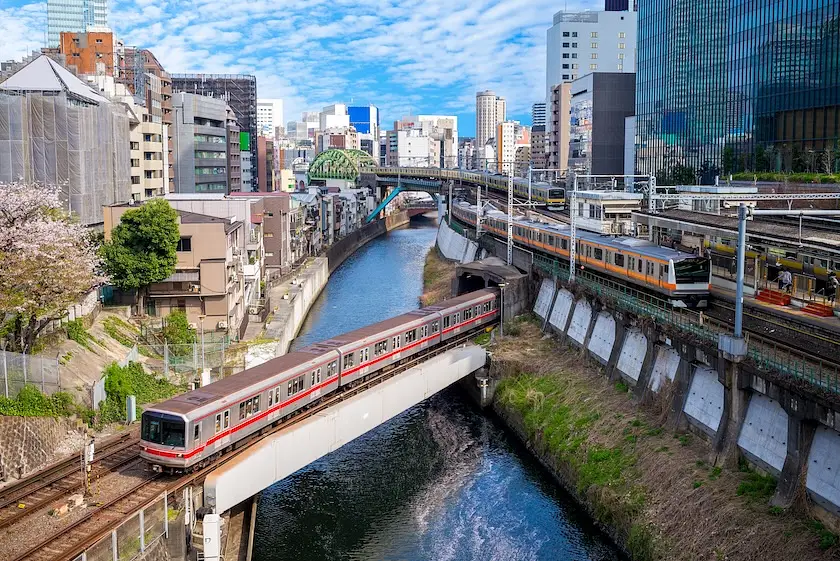
Tokyo’s rail web has multiple operators that interconnect seamlessly. Once you learn who’s who, everything clicks. The world's seemingly most complex rail and subway system is also the best - and (spoiler alert), it's much, much easier to use than it appears! Fast, efficient, frequent, reliable, safe, and clean - Tokyo's trains are in a league of their own! Here's a quick breakdown of the essentials:
JR (Japan Rail): Surface trains like the Yamanote Line loop plus rapid lines (Chūō, Keihin-Tōhoku, etc.). JR Pass covers JR lines. Subways are not JR.
Tokyo Metro: One of the two subway operators (13 lines). Clear maps, station codes, frequent trains.
Toei Subway: The other subway operator (Asakusa, Oedo, Shinjuku, Mita lines). Separate from Tokyo Metro but interoperable with IC cards.
Private railways: Tokyu, Keio, Odakyu, Seibu, Tobu, Keikyu, Keisei, etc. They link suburbs and day-trip spots directly into the city grid.
Quick Start: How to Use the Tokyo Subway System
What lines exist (Toei vs. Private; JR vs. Tokyo Metro)
Consider the subways as the "inner circulators," private lines as the "spokes" to local prefectures and communities, and JR as the "above-ground backbone." With IC cards, you can go between them without going through any obstacles (through-gates exist).
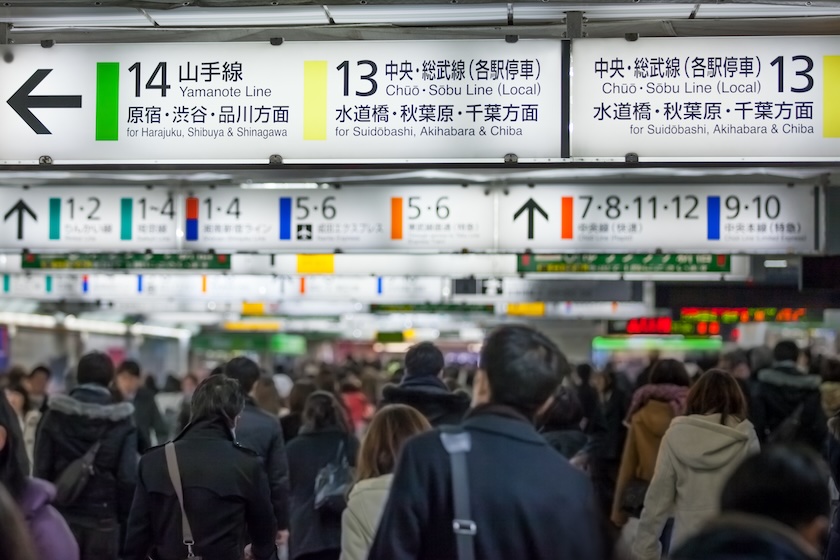
How to read maps, colors, and station codes
Stations have numbers (such as G-09 on the Ginza Line), and each line has a letter and a color. It is made to be navigable even if you are not a kanji reader. Tokyo Metro releases tools and route maps in multiple languages.
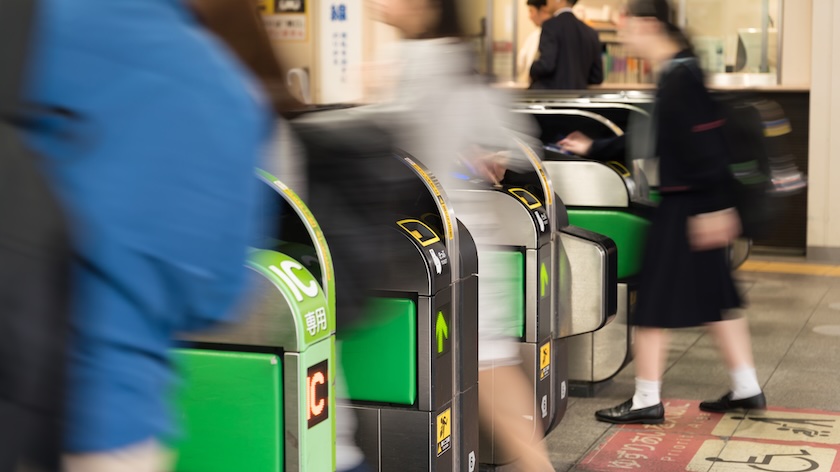
Tap in/out basics and the gates you’ll see
Use IC cards (Suica, PASMO) or paper tickets. Tap in at entry, tap out at exit; fare is auto-calculated. If you underpay with a paper ticket, use the Fare Adjustment machine before exiting.
Planning Your Route (Without Getting Lost)
A good plan beats a crowded platform.
Best apps & maps (online/offline)
Toei offers timetables and an app, whereas Tokyo Metro's official website offers a fare and transfer search. Any major journey planner can be used effectively for live routing.
Picking the fastest route vs fewest transfers
"Fewest transfers" might be gentler than "fastest by two minutes" during rush hour. Subway lines are direct and crowded, and JR rapid lines (such Chūō Rapid) skip stops.
Last/first train times and how to check them
The majority of lines operate from approximately 5:00 to midnight; however, specific schedules differ depending on the line and station; find out where you start that evening on the operator's timetable pages.
Stay online while you ride: Transfers change fast; platforms and last-train times update in real time. Book Pocket Wi-Fi so maps, alerts, and translations never drop mid-transfer.
Buying a Ticket (IC Cards, Day Passes, Paper)
Choose the one that works best for your day from the three simple methods to pay.
IC cards (Suica/PASMO): where to buy/top up, mobile options
Physical cards (Suica/PASMO) are widely available again after past shortages; Welcome Suica for short-term visitors is sold at JR East Travel Service Centers and key stations/airports.
Unregistered (anonymous) cards resumed sales from March 1, 2025 after the chip shortage, great for quick pickup.
Top up at station machines or convenience stores. Mobile Suica/PASMO is supported on many phones.
Day passes (when they save money; 24/48/72-hour subway tickets)
Tokyo Subway Ticket (24/48/72-hour): covers all Tokyo Metro + Toei Subway lines from first use; the 24-hour adult fare is typically ¥800, with 48-/72-hour options scaling up, great if you’ll ride 3+ subway trips per day.
Single tickets & machines (screens, language, fare adjustment)
Every machine has an English option. If you mis-fare, use the Fare Adjustment machine before the exit gate.
Saving Money on Trains in Tokyo
Keep yen in your pocket by following a few general guidelines.
IC vs day pass: quick break-even examples
IC is flexible and typically the least expensive if your itinerary consists of two to three subway hops plus a few JR legs. The Tokyo Subway Ticket frequently wins if you bounce across several subway areas in a single day.
Tourist passes & airport bundles (when to choose them)
If you're arriving in Narita and intend to utilize the subway extensively for the first one to three days, take into consideration Skyliner + Subway Ticket Bundles. (Bundles include 24/48/72-hour metro tickets along with the Keisei Skyliner.)
JR Pass inside Tokyo (what’s covered / not)
The JR Pass covers JR lines in Tokyo (e.g., Yamanote, Chūō, Keihin-Tōhoku), but not Tokyo Metro or Toei subways, which are not JR. Consider the pass a free ride on the city's green JR network.
Just leaving Tokyo for one area? If your schedule is focused, a Regional Pass (for example, the JR TOKYO Wide Pass for Nikko/Karuizawa/Kusatsu districts) can be more cost effective than a nationwide pass.
Navigating Stations & Making Transfers
Signage is your friend at Tokyo stations, which are like miniature cities.
Following signs (exit letters/numbers, platform boards)
Follow the color, letter, and number. Exits are labeled A1, B3, C7, etc.—select the one closest to your destination to save 10-15 minutes of street wandering.
Transfer tips between JR, Metro, and Private rail
Some interchanges require typing out and back in, while others are a quick trip inside. To steer clear of street detours, keep an eye out for transfer arrows and through-gate connections.
Accessibility: elevators, strollers, luggage, coin lockers
Elevators and multipurpose restrooms are available at most large stations; coin lockers fill up fast on weekends around noon, so get in early. By station, Tokyo Metro distributes information without barriers.
Tips for First-Time Riders (Essential “Don’t Get Lost” Guide)
Tiny tweaks = smooth rides.
Rush hour do’s & don’ts + women-only cars
Peak hours during the week are approximately 7:30–9:30 and 17:00–19:00. When it is indicated, drive a women-only vehicle during rush hour. For breathing room, try to get there before 7:45 or after 10:30.
Etiquette (queues, quiet phones, eating rules)
Avoid eating on most local trains, stand left or right as indicated, keep your phone on mute, and line up behind the platform lines. Simple etiquette tips are published in English by Metro.
Safety, lost items, and asking staff for help
The people at the station are quite helpful so show your screenshot or map and ask for directions. Wait for the first trains at 5:00 or think about taking a taxi if you miss the last train, which is typically at midnight. Always verify the precise times of day for your line.
Airport & Shinkansen Basics (From/To Tokyo)
Narita/Haneda options (JR vs Skyliner/Keikyu) at a glance
Haneda ↔ City: Keikyu Line (to Shinagawa/JR loop) or Tokyo Monorail (to Hamamatsuchō/JR loop). Both are fast and frequent.
Narita ↔ City: Keisei Skyliner to Ueno/Nippori (fast) with optional Subway Ticket bundles; or JR services to central hubs.
Visiting Kyoto, Osaka, Tokyo, or further away? A JR Pass frequently justifies two round-trip intercity travel within seven days when compared to single Shinkansen costs. (Note: the official website has information on the services that are included.)
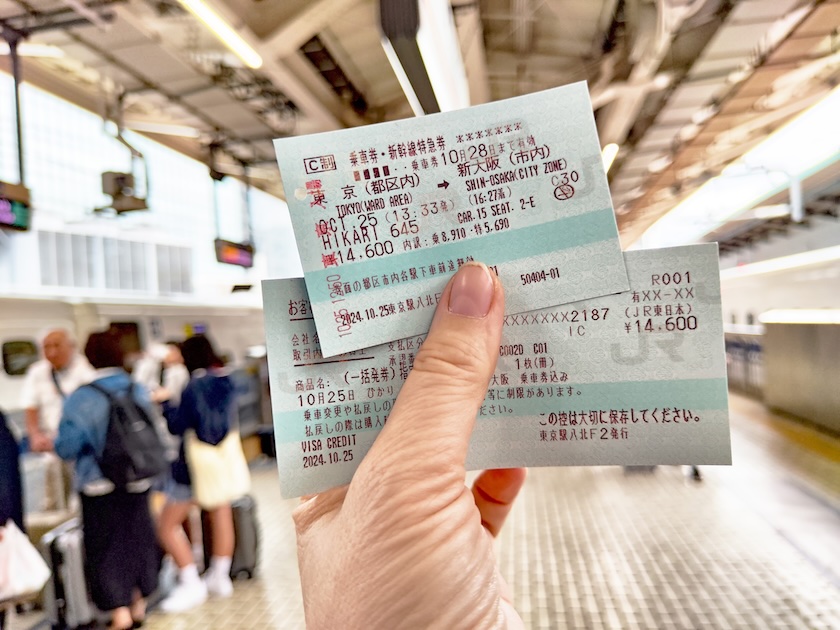
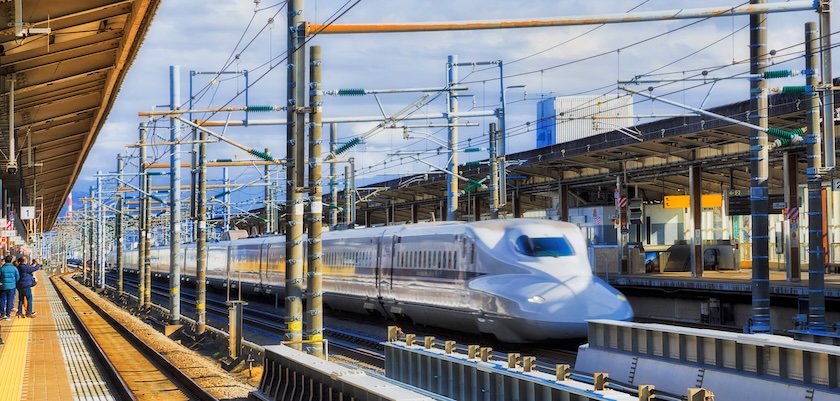
Shinkansen from Tokyo/Shinagawa: reservations, Nozomi/Hikari note
You can take the Shinkansen from Tokyo or Shinagawa Stations. With a JR Pass, you can use the Hikari/Kodama categories (see current inclusion rules); seat reservations are simple at green machines and counters.
Nervous about your first transfer? Book an Airport Meet & Greet, we’ll meet you after customs, set up your IC card, and walk you to the right platform so your trip starts calmly.