Yokosuka, Japan: Navy Curry, Dobuita Street, and a Day Trip Unlike Any Other
A different side of Tokyo
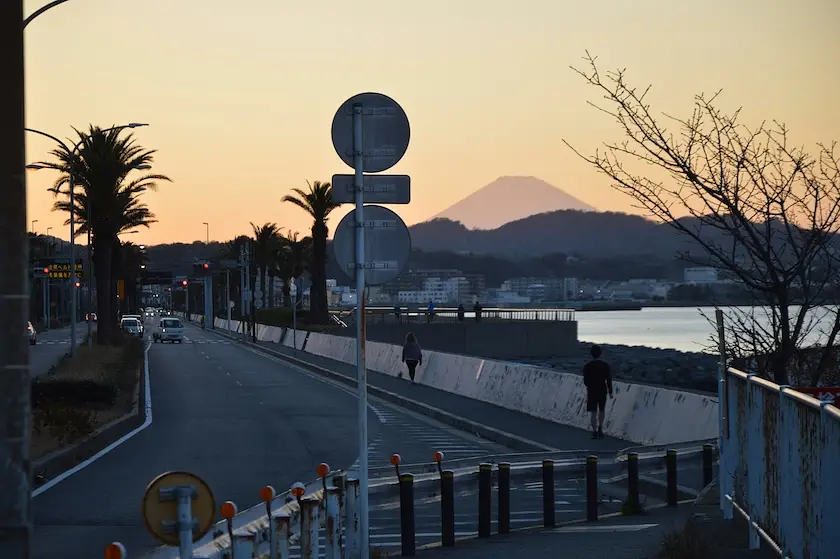
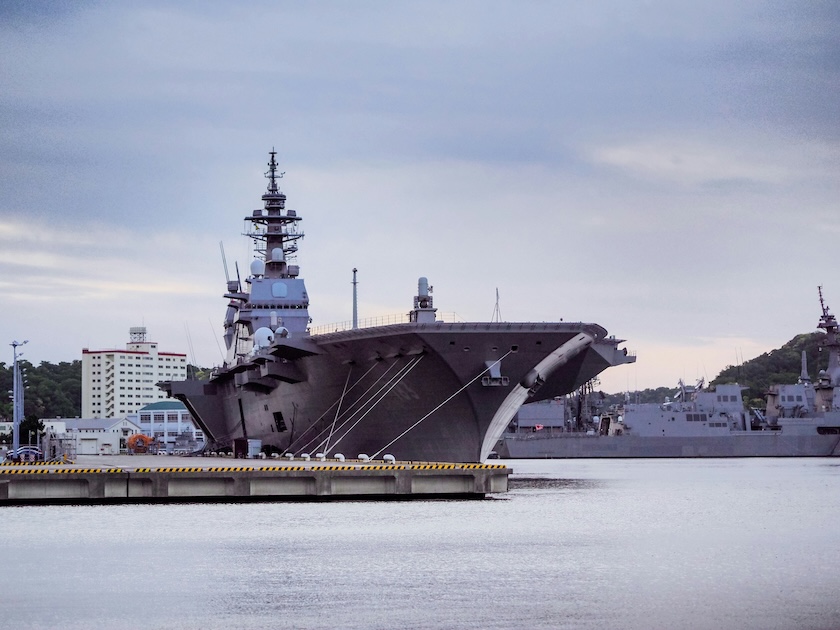
Most first-time visitors eventually hear about Yokohama, Kamakura, or Hakone as the obvious "day trip beyond Tokyo." Yokosuka rarely makes that shortlist, and that is its appeal. Sitting on the Miura Peninsula in Kanagawa Prefecture, this port city has spent more than a century shaped by a US Navy base and the Japan Maritime Self-Defense Force, producing a genuinely different cultural blend.
A day trip to Yokosuka in Japan means navy curry instead of ramen, and a preserved battleship instead of a shrine. It suits travellers who have covered central Tokyo already, first-timers after one unusual day out, history fans, and families who enjoy museums plus a short ferry ride. This guide explains what Yokosuka offers, how it differs from Yokohama, and how to fit it into a wider Japan itinerary.
The table below sums up who this trip suits and when to plan for it.
Aspect |
Details |
Topic type |
City day trip, naval and cultural history |
Best moment to think about this |
While mapping out day trips from Tokyo or choosing between Kanto coastal towns |
Ideal for |
First-time visitors, history enthusiasts, families, budget travellers |
Distance from Tokyo |
Roughly 45 to 60 minutes from Shinagawa on the Keikyu Line; the JR Yokosuka Line is a slower alternative, closer to 70–80 minutes from central Tokyo |
Risk if you ignore it |
You may spend another day retracing central Tokyo instead of seeing a different side of Kanagawa |
Yokosuka stands apart from other Kanto day trips because its identity comes from the navy, not temples or shopping streets.
Plain-language definition: A coastal city on the Miura Peninsula, built up around a working Japanese and American naval presence.
Why it matters in Japan: Few Kanto towns put a US Navy base, a Meiji-era battleship, and a 19th-century diplomatic memorial within walking or ferry distance of each other.
When it shows up in a trip: Usually as a single-day detour once you are already based in Tokyo, Yokohama, or Kamakura.
Once you know what makes Yokosuka different, fitting it into your itinerary becomes much simpler.
Here is what a typical day around Yokosuka's main sights looks like:
Navy curry lunch: Near Yokosuka-Chuo Station, expect to pay around ¥1,300-¥1,900 for the city's trademarked Yokosuka Navy Curry, rooted in a Meiji-era Imperial Japanese Navy remedy for beriberi and always served with salad and milk.
Dobuita Street: A 10-minute walk from Yokosuka-Chuo Station, this strip is where sukajan jackets were first stitched for American sailors in the late 1940s, and it still mixes tailors, diners, and navy-themed bars.
Mikasa Park: A 15-minute walk from Yokosuka-Chuo Station, home to the Battleship Mikasa (adult admission ¥600), Admiral Togo's Russo-Japanese War flagship and a museum since the 1920s with cannons, a VR exhibit, and the admiral's restored cabin.
Sarushima ferry: From the same pier, a roughly 10-minute ferry (¥1,600-¥2,000 round-trip plus ¥500 park admission) reaches Sarushima, Tokyo Bay's only natural island, with no monkeys despite the name, just Meiji-era fortress ruins and a summer beach; check the roughly hourly timetable first.
Perry Landing Memorial: In Kurihama, a bus ride from JR or Keikyu Kurihama Station, the monument and its small museum mark where Commodore Perry's "Black Ships" landed in 1853, leading Japan to open its ports after centuries of isolation.
Knowing who benefits most makes it easier to decide whether Yokosuka fits your plans.
Especially helpful for: First-time visitors who have already done central Tokyo, naval history enthusiasts, families with older children, and travellers who enjoy a low-crowd day out.
Things to consider if you have mobility issues: Some piers and museum decks involve stairs, so factor that in if you're working with a very tight one-city schedule.
Still nice to know if you're a repeat visitor: Yokosuka rewards curiosity over a packed checklist, so it's worth choosing if you're after somewhere different from your last trip.
This section looks at where Yokosuka sits relative to its better-known neighbours, and when in the year it's worth prioritising.
Yokosuka is often confused with Yokohama, so it helps to be clear on the distinction first.
Yokohama: A larger port city closer to Tokyo, known for Minato Mirai and Japan's biggest Chinatown.
Yokosuka: Further south on the Miura Peninsula, smaller and defined by naval history rather than shopping or skyline views.
Central Tokyo: The natural base for most visitors, with direct Keikyu Line services south to Yokosuka in around an hour.
Yokosuka works in any season, but summer adds a reason to go. From around July to August, Sarushima's small beach opens for swimming and barbecuing, occasionally with extended evening ferries, making it one of the few genuine beach afternoons around Tokyo Bay. Outside summer, the island and battleship museum are quieter for unhurried walking.
Turning the idea of a Yokosuka day trip into an actual plan comes down to a handful of decisions made before you leave your accommodation.
A little planning before leaving your hotel saves standing around later.
Choose your route: Decide between the Keikyu Line from Shinagawa or the JR Yokosuka Line, since both start from different stations.
Check your pass: If you hold, or are considering, a national or regional rail pass, confirm it covers Keikyu, a private railway excluded from most JR passes.
Check the Sarushima ferry timetable: Ferries typically run hourly, so timing your visit around a departure avoids a long wait.
A short mental checklist makes the day smoother.
Cash: Some stalls, ferry tickets, and smaller curry restaurants still prefer cash over cards.
Comfortable shoes: Dobuita Street, Mikasa Park, and Sarushima's paths involve more walking than a typical shopping day.
Connectivity: A pocket Wi-Fi device helps with checking ferry and bus times, since English signage thins out past the station.
Arrival logistics sorted early: Travellers doing Yokosuka early in a longer trip sometimes arrange a Meet and Greet service so pass activation is handled before jet lag sets in.
A base with easy access: Staying somewhere like the Yokohama Royal Park Hotel, with its bay views over Minato Mirai, keeps Yokosuka a short ride away while staying close to Tokyo.
This is the part worth screenshotting before you head out the door.
A handful of small habits make the day run smoothly.
Do check the Sarushima ferry schedule before heading to Mikasa Pier.
Do try the full Navy Curry set, including the salad and milk.
Do allow at least half a day if adding Perry Landing too.
Do bring cash for smaller shops and food stalls.
Do wear shoes suited to gravel paths and ferry decks.
A few common slip-ups are just as easy to sidestep.
Don't confuse Yokosuka with Yokohama when booking tickets or accommodation.
Don't expect to see actual monkeys on Sarushima, despite the nickname.
Don't rush Dobuita Street in under fifteen minutes; the history is easy to miss.
Don't skip checking Mikasa Park's opening hours, which shorten in winter.
Don't assume every restaurant near the station takes card payments.
Mistakes happen, and Yokosuka is forgiving. Miss a ferry, and you simply wait for the next hourly departure over a curry lunch. If a shop will not take cards, the nearest convenience store almost always has an ATM. If you are unsure of directions, station staff and the tourist information counter near Yokosuka-Chuo Station are used to helping English-speaking visitors.
Where Yokosuka fits depends on the shape of your wider trip.
A couple on a ten-day Kanto and Kansai trip might treat it as one relaxed day between busier stops.
A family splitting time between Tokyo and Yokohama could use it as a half-day extension, pairing Mikasa Park with a Sarushima ferry ride that suits older children well.
A solo or budget traveller weighing options might set it against other well-known day trips from Tokyo, which lean more towards nature and hot springs.
Some travellers instead pair Yokosuka's naval history with a classic Mount Fuji day trip later in the week, for a deliberate contrast in scenery and pace.
Keep the planning high-level. Book onward transport before you go, decide which sights matter most, and treat the rest as a flexible bonus.
These are the questions that come up most often when travellers research a Yokosuka day trip.
Q: Where is Yokosuka in Japan?
A: Yokosuka sits on the Miura Peninsula in Kanagawa Prefecture, south of Yokohama and roughly an hour from central Tokyo.
Q: What is Yokosuka known for?
A: Yokosuka is known for its US Navy base, Yokosuka Navy Curry, Dobuita Street's sukajan jackets, and the Battleship Mikasa museum.
Q: How do I get to Yokosuka from Tokyo?
A: Take the Keikyu Line from Shinagawa, which reaches the city in under an hour; the JR Yokosuka Line is a slower alternative, closer to 70–80 minutes.
Q: Is Yokosuka worth visiting as a day trip?
A: Yes, especially for travellers who have already seen central Tokyo and want a genuinely different cultural mix nearby.
Q: What is Yokosuka Navy Curry?
A: It is a curry and rice dish from the navy's Meiji-era diet reforms, always served with salad and milk.
Q: Where can I try Yokosuka Navy Curry?
A: Several restaurants near Yokosuka-Chuo Station serve the official version, and many shops nearby sell curry-themed souvenirs and snacks too.
Q: What is Dobuita Street?
A: Dobuita Street is a shopping strip near the base mixing American diners, Navy bars, and sukajan tailors since the 1940s.
Q: Can you visit the US Navy base in Yokosuka?
A: Public access to the base is restricted, though the surrounding streets and shops reflect its influence on daily life.
Q: What is Sarushima, or Monkey Island?
A: Sarushima is Tokyo Bay's only natural island, reachable by a short ferry, with fortress ruins and a small summer beach.
Q: How do I get to Sarushima from Yokosuka?
A: A ferry departs roughly hourly from Mikasa Pier, near Yokosuka-Chuo Station, taking about ten minutes each way.
Q: Is Battleship Mikasa worth visiting?
A: Yes, especially for history fans, since the preserved ship holds original cannons, restored cabins, and Russo-Japanese War exhibits.
Q: What happened at Perry Landing in Yokosuka?
A: Commodore Perry's fleet first came ashore at Kurihama in 1853, leading directly to Japan opening its ports to the world.
Q: Is Yokosuka the same as Yokohama?
A: No, they are separate cities: Yokohama sits near Tokyo with a waterfront, while Yokosuka lies further south around naval history.
Q: How much time do I need for Yokosuka?
A: Half a day covers the main sights, while a full day allows time for Sarushima and Perry Landing too.
Q: Is Yokosuka good for families?
A: Yes, especially with older children, since the ferry ride, battleship museum, and curry lunch suit a range of ages well.
Why should I book with JapanDen?
How do I book a hotel or ryokan through JapanDen?
What types of accommodations do you offer in Japan?
How can JapanDen help with planning my trip?
As well as booking accommodation, JapanDen is a place to learn more about Japan and how you can make the most of your time in this special country. From in-depth region guides to stories from Japan, we’ll be regularly publishing carefully curated insights from Japanese culture, with recommendations for the best activities and attractions and the latest news. Looking forward, we’ll also be adding special community features so you can share ideas and inspiration with like-minded people. Please come back and visit us regularly as we continue to add new content. We want JapanDen to be your home away from home too.
Do you offer guided tours in Japan, and how can I book one?
As part of the JRPass.com group, we offer a dedicated Meet and Greet service with expert personal assistance on your arrival in Japan booked via JRPass.com, alongside nationwide and regional rail passes for travel. As JapanDen grows, we will be offering more services and activities to provide a complete Japan travel experience.
Can I purchase Japan Rail Passes through your website?
JapanDen is part of the JRPass.com group, book your passes and tickets directly on JRPass.com