Wildlife in Japan: The Animals to See and Where to See Them
Japan's wild side awaits
People typically visit Japan for sushi, temples, and trains that apologize for being 20 seconds late. Then they discover that the country also has monkeys that bathe as if they were at a fancy spa, deer that have learnt to carry snacks, and a raccoon dog that isn't a raccoon. Nature, once again, refuses to follow a sound business strategy. The island nature of Japan has allowed hundreds of species to evolve in relative seclusion, resulting in some of Asia's most distinct biodiversity. Some animals, such as the famed Japanese macaque snow monkey and the sociable sika deer in Nara, have become international celebrities. Others, such as the elusive Iriomote cat, manage to evade attention so well that most tourists never see them, which, admittedly, appears to suit them fine.
Whether you're planning a family vacation, a rail journey across the country, or simply want to see more than neon lights, this guide introduces Japan's most recognizable animals, where to find them, and how to enjoy them safely.
Key Details At A Glance:
Topic |
Information |
Topic Type |
Nature, wildlife, outdoor travel |
Best Time |
Before planning regional travel and day trips |
Ideal For |
Families, photographers, nature lovers, first-time visitors |
Risk If You Ignore It |
You could miss seasonal wildlife or accidentally disturb animals in protected areas. |
Japan is commonly linked with cities. Very huge cities. Cities where finding a bench can seem more difficult than discovering a whole retail area. Stepping outside of them reveals a very different Japan.
Japan's mountains, woods, marshes, and islands are home to a diverse range of native creatures, many of which are unique to the country. Because its landscape ranges from chilly Hokkaido to subtropical Okinawa, you'll see everything from brown bears and cranes to coral reefs and sea turtles.
Unlike many destinations, wildlife in Japan isn't limited to national parks. You might see deer wandering through a medieval city, monkeys reclining near hot springs, or foxes crossing calm country roads. It's crucial to remember that these are wild creatures, not unpaid tourist attractions. When you understand where different species live, and how to behave around them, your journey becomes far more meaningful than merely checking off famous locations on a list.
Some wild animals spend their lives avoiding humans. Japan's most famous ones have clearly accepted that tourists aren't going anywhere.
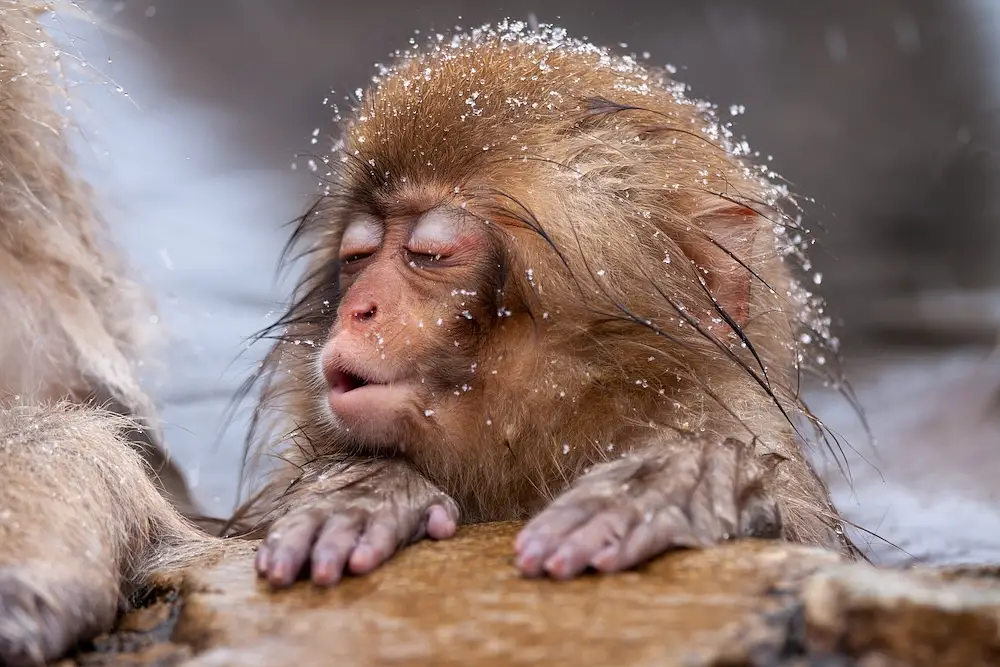
The Japanese macaque snow monkey became famous for soaking in hot springs at Jigokudani Monkey Park. They spend winter enjoying warm baths while humans stand outside in the cold taking photos, which feels like nature making a point.
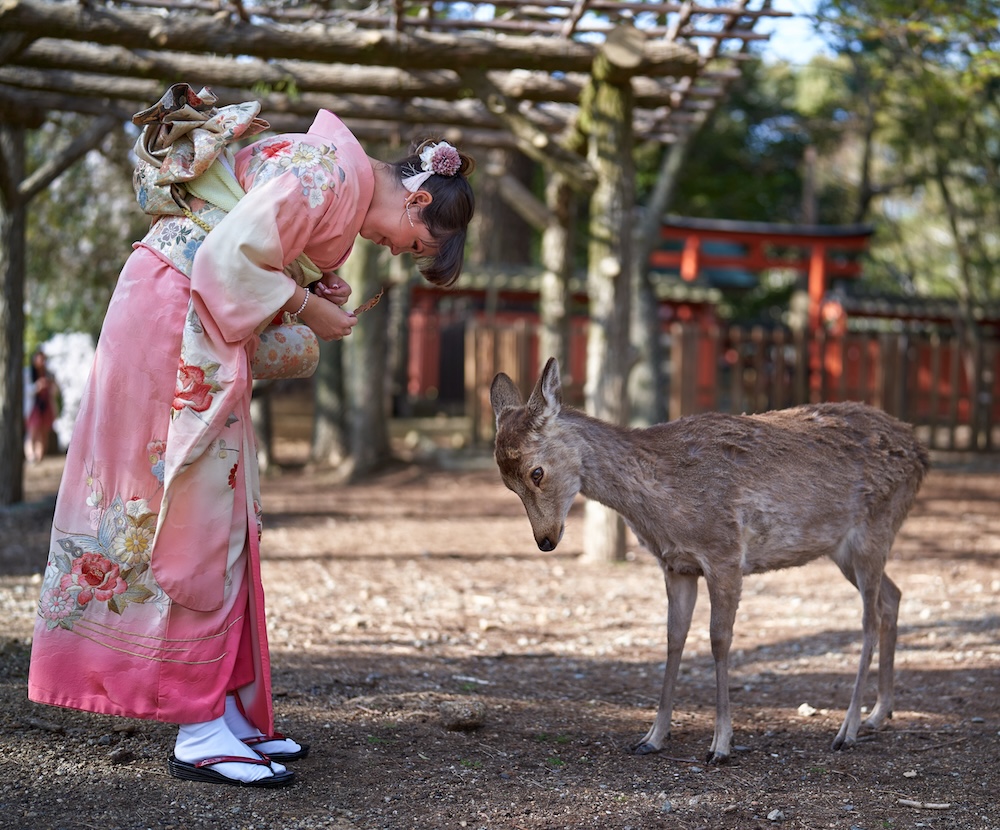
Most deer run away from people. Japan's sika deer decided snacks were worth the risk. In Nara Park, they politely bow for deer crackers, although it's probably less about manners than successful marketing. You'll also spot them on Miyajima Island, where they wander freely around shrines and streets.
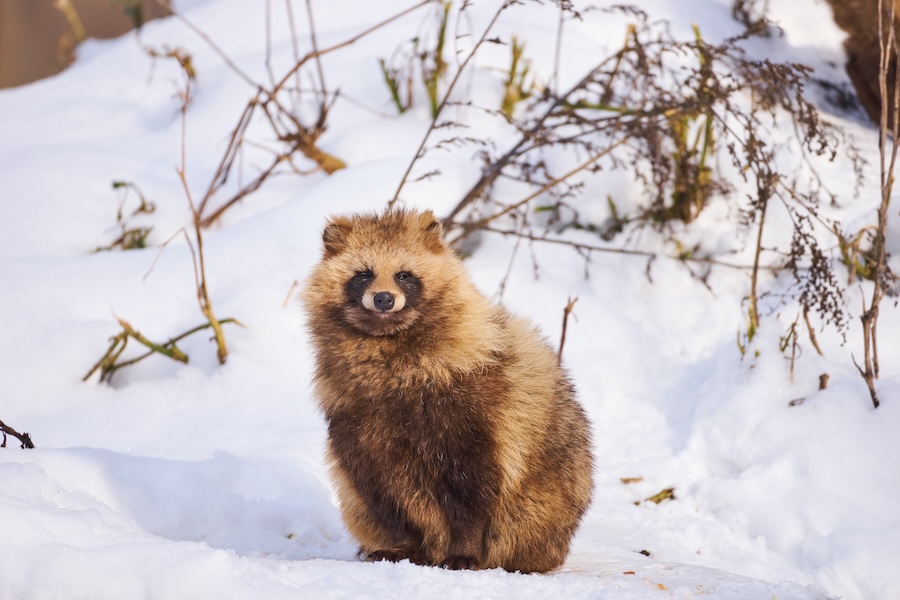
The tanuki, or Japanese raccoon dog, enjoys legendary status in folklore as a mischievous trickster. In reality, it's a shy nocturnal animal that's much harder to find than the souvenir version. The same applies to kitsune. Japanese foxes may star in myths, but in the wild they're far more interested in catching dinner than granting wishes.
Hokkaido is home to Ezo brown bears, red foxes, Yezo deer and winter sea eagles. Shiretoko National Park offers some of Japan's best wildlife watching. Just remember one important fact. The bears are beautiful.
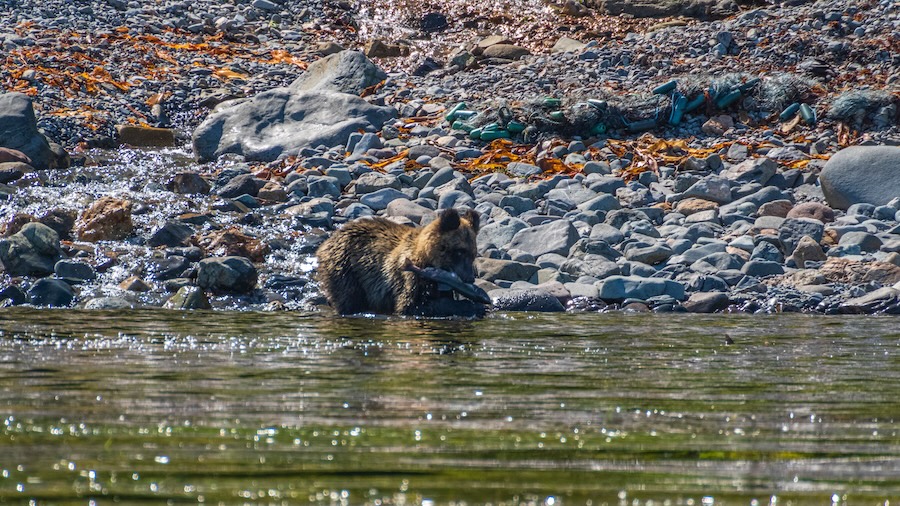
Wildlife in Japan has an unusual habit of appearing exactly where you weren't expecting it. One minute you're visiting a temple, the next you're negotiating with a deer that has clearly developed very ambitious snack-related goals.
Walking Through Nara Park
The deer roam freely and are used to people. Buy official deer crackers if you want to feed them, but keep hold of your map; some deer have mastered the ancient survival technique of stealing paper from tourists.
Visiting Jigokudani Monkey Park
In winter, the famous snow monkeys relax in steaming hot springs while visitors stand outside in several layers of clothing admiring their lifestyle choices. Stay on the designated paths and let the monkeys ignore you in peace.
Exploring National Parks
Places like Shiretoko feel genuinely wild. You might spot foxes, deer or even signs warning about bears, which is nature's polite way of saying, "Please don't wander off looking overconfident."
Snorkelling Around Okinawa
Sea turtles and colourful fish often become the stars of the day. Resist the urge to swim after them—you're on holiday, not auditioning to become marine life yourself.
Driving Through Rural Japan
Wildlife crossings are common, particularly at dawn and dusk. Slow down and remember that deer have never studied the Highway Code.
Japan's wildlife isn't reserved for wildlife experts. In fact, most animals don't ask for your qualifications before appearing.
First-time visitors want to experience more than cities and shopping.
Families looking for memorable outdoor experiences.
Photographers chasing iconic shots of snow monkeys, cranes and foxes.
Nature lovers exploring national parks and rural Japan.
Rail travellers planning trips between Nagano, Hokkaido and Okinawa.
Have limited mobility, as some wildlife parks involve walking on uneven trails.
Travel with small children who may get excited around wild animals.
Visit remote areas where public transport is less frequent.
Are on a tight budget, as some parks have admission fees or guided tours.
You're staying only in Tokyo or Osaka, you'll still encounter wildlife in places like Ueno Zoo or nearby day trips, although Japan's most remarkable animals usually require venturing a little further.
Japan's wildlife varies considerably depending on where and when you visit. It's almost as if the animals decided to split the country among themselves.
Nagano: Famous for the Japanese macaques bathing in hot springs.
Nara: Home to the country's celebrity deer, who have become remarkably confident around tourists.
Hokkaido: Best for brown bears, cranes, sea eagles and dramatic wilderness.
Okinawa & Iriomote: Tropical marine life, sea turtles and rare endemic species.
Rural Japan: National parks and mountain regions offer the greatest chance of spotting wildlife naturally.
Winter: Snow monkeys, red-crowned cranes and sea eagles steal the spotlight.
Summer: Sea turtles, whales and marine life become the main attraction.
Spring & Autumn: Ideal for hiking and general wildlife watching thanks to milder temperatures.
A leisurely train ride through Japan reveals significantly more wildlife than rushing between Tokyo, Kyoto, and Osaka with a suitcase full of trinkets.
Wildlife rarely announces appointments in advance, so arriving prepared helps considerably.
Decide which animals you most want to see.
Compare a JR Pass with regional passes if visiting Nagano, Hokkaido or Kyushu.
Book accommodation close to national parks during busy seasons.
Download offline maps or arrange Pocket Wi-Fi.
Book ethical whale-watching or guided wildlife tours in advance where necessary.
Comfortable walking shoes.
Waterproof jacket for mountain weather.
Binoculars.
Camera with spare batteries.
Refillable water bottle.
In bear country, carry a bear bell where recommended.
A translation app for park information and signs.
Do admire wildlife from a respectful distance.
Do follow marked trails.
Do use official feeding areas where permitted.
Do carry binoculars for birdwatching.
Do support ethical wildlife operators.
Don't feed wild animals unless officially allowed.
Don't chase wildlife for photographs.
Don't leave food behind.
Don't underestimate bear warning signs.
Don't expect every animal to appear on schedule. They're wild, not cast members.
Accidentally walked too close to a deer? Simply step back and give it space. If you're unsure about local wildlife rules, ask park staff or check visitor signs. Animals are usually very forgiving, provided you stop behaving like another animal.
10-Day Couple's Trip: Combine Tokyo with Nagano for snow monkeys before heading to Hokkaido for cranes and dramatic landscapes and book your accommodation early.
Family Multi-City Holiday: Visit Nara Park, Takachiho Gorge and Miyako Island to mix wildlife with outdoor adventures. Book a meet and greet service also, so your whole family can relax when arriving in Japan.
Solo Traveller: Use a JR Pass to explore national parks between major cities and stay in nature-focused accommodation.
Nature Enthusiast: Build your itinerary around Japan's seasons, following monkeys in winter, turtles in summer and cranes during migration.
Q: What is the most famous wildlife in Japan?
A: Japanese macaques, sika deer, tanuki, red-crowned cranes and the Japanese serow are among the country's best-known animals.
Q: Where can I see snow monkeys in Japan?
A: Jigokudani Monkey Park in Nagano is the world's most famous place to watch Japanese macaques bathing in hot springs during winter.
Q: Is it safe to feed deer in Nara?
A: Yes, but only with the official deer crackers sold in the park. Feeding them other food isn't recommended.
Q: Are there bears in Japan?
A: Yes. Brown bears live mainly in Hokkaido, while Asian black bears are found across parts of Honshu and Shikoku.
Q: What is Japan's rarest animal?
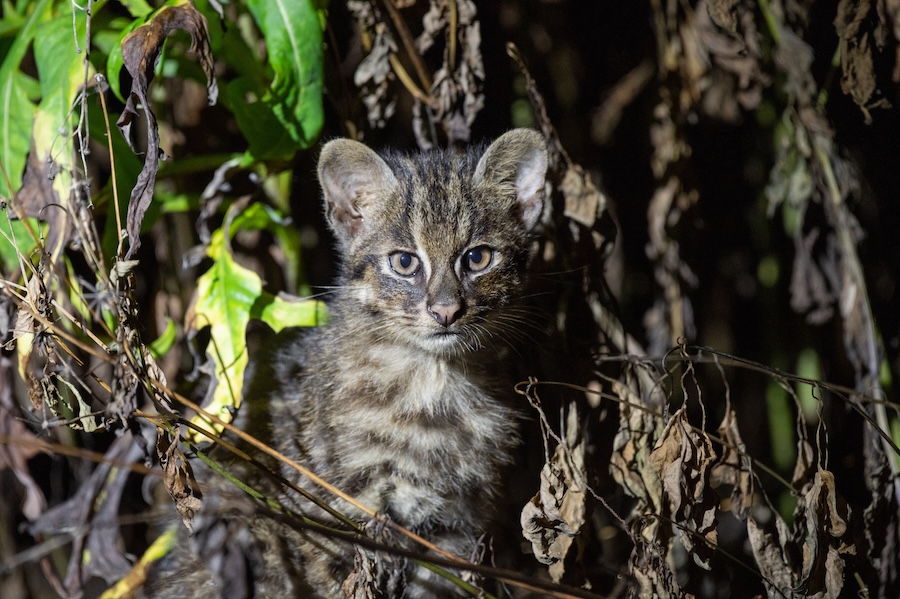
A: The Iriomote cat is one of the rarest wild cats in the world and lives only on Iriomote Island.
Q: When is the best time to go wildlife watching in Japan?
A: Winter is best for snow monkeys, cranes and sea eagles, while summer is ideal for sea turtles and marine life.
Q: Can tourists see tanuki in the wild?
A: Occasionally, although they're nocturnal and shy. You're far more likely to see tanuki statues than real ones.
Q: Do I need a guide for wildlife watching?
A: Not always, but guided tours are recommended in remote national parks and for whale-watching excursions.
Q: Is wildlife watching suitable for children?
A: Absolutely. Nara Park, Jigokudani and many marine wildlife experiences are excellent family-friendly activities.
Q: Why is Japan's wildlife so unique?
A: Because Japan's islands have evolved in relative isolation across very different climates, producing species found nowhere else. Nature, much like fashion, occasionally decides exclusivity is everything.
Why should I book with JapanDen?
How do I book a hotel or ryokan through JapanDen?
What types of accommodations do you offer in Japan?
How can JapanDen help with planning my trip?
As well as booking accommodation, JapanDen is a place to learn more about Japan and how you can make the most of your time in this special country. From in-depth region guides to stories from Japan, we’ll be regularly publishing carefully curated insights from Japanese culture, with recommendations for the best activities and attractions and the latest news. Looking forward, we’ll also be adding special community features so you can share ideas and inspiration with like-minded people. Please come back and visit us regularly as we continue to add new content. We want JapanDen to be your home away from home too.
Do you offer guided tours in Japan, and how can I book one?
As part of the JRPass.com group, we offer a dedicated Meet and Greet service with expert personal assistance on your arrival in Japan booked via JRPass.com, alongside nationwide and regional rail passes for travel. As JapanDen grows, we will be offering more services and activities to provide a complete Japan travel experience.
Can I purchase Japan Rail Passes through your website?
JapanDen is part of the JRPass.com group, book your passes and tickets directly on JRPass.com