Why Are There No Trash Cans in Japan? (And What to Do With Your Rubbish)
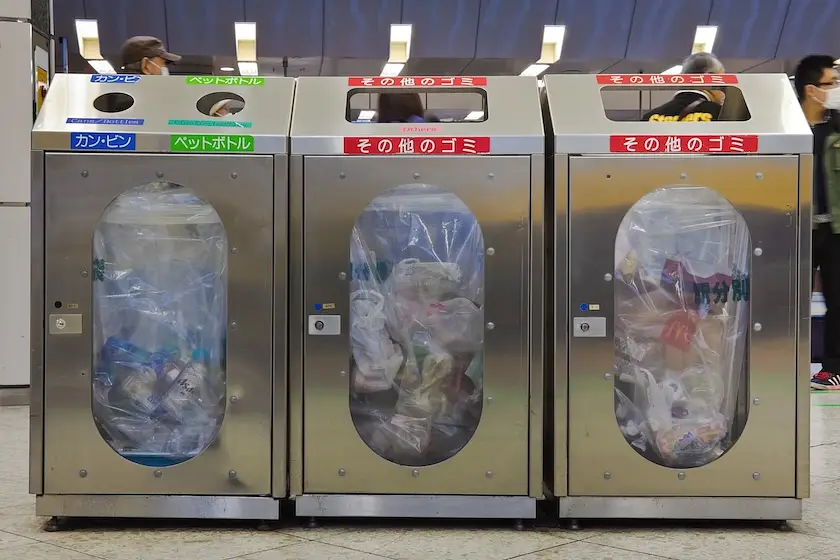
Carry it, sort it, blend in
Ask any first-time visitor what surprised them most, and "Why are there no trash cans in Japan?" comes up almost immediately. Spotless streets with nowhere to throw anything away feel like a contradiction, especially right after finishing a snack with the wrapper still in hand and nowhere obvious to put it.
The short answer involves a security scare from 1995, a culture of personal responsibility, and everyday habits that quietly fill the gap public bins once occupied. None of it is obvious on arrival, and most guidebooks skip the reasoning entirely.
This guide is for anyone visiting Japan for the first time, from solo backpackers hopping between hostels to families managing snacks between train rides. It covers where the bins actually went, why the streets stay clean regardless, and exactly what to do with your own rubbish on a normal day of sightseeing, from the moment you land to your last night in the country.
Here's what you need to know:
Category |
Details |
Topic type |
Etiquette and waste disposal |
Best moment to think about this |
Before you pack, and again right after your first stop at a konbini |
Ideal for |
First-time visitors, families with kids, and anyone moving between cities |
Risk if you ignore it |
You could litter by accident, or face an on-the-spot fine in wards such as Shibuya |
Japan's "no-bin culture" simply means public bins are rare outside a handful of predictable spots, so visitors hold onto rubbish until they find one.
The shortage traces back to 20 March 1995, when the Aum Shinrikyo cult released sarin gas on three Tokyo subway lines, killing thirteen people and injuring thousands, an event often described as Japan's deadliest domestic terrorist attack. Operators pulled bins soon afterwards as a precaution, and many were never reinstalled, partly to cut cleaning costs.
What keeps this workable decades later is habit, not security. Littering carries real social embarrassment, so most people carry rubbish home, and school children even clean their own classrooms rather than leaving it to staff.
A few situations come up again and again once you are on the ground:
Airport arrival: Jet lag makes small decisions harder off a long flight, so an airport meet and greet service to reach your hotel removes one variable from that chaos.
Snacking between sights: A wrapper often travels with you a while, so a working connection helps you find the nearest konbini, exactly what a pocket WiFi provides.
Train journeys: Packaging waits until the next station or your accommodation, since onboard bins are rare.
Checking in: Hotels and rentals often introduce house rules about rubbish, just local practice rather than anything aimed at tourists.
Festivals: Stalls generate rubbish fast, so temporary shared bins appear nearby, then disappear once the event ends.
This advice matters more for some travellers than others.
Especially helpful for first-time visitors, who are usually the ones caught mid-snack with nowhere to throw the wrapper away.
Worth planning for if you're travelling with small children or on a tight schedule, since snack and drink waste piles up faster than you'd expect.
Less critical if you're staying in one city or have visited Japan before, since you'll likely already know your local konbini and bin spots.
This varies more than most travellers expect, depending on both location and timing.
How much this affects you depends on where you go.
Big cities: Tokyo, Osaka, and Kyoto have more konbini per block, so a bin is rarely far away.
Smaller towns: Rural stations can go much longer without one.
Municipal rules: Japan's Ministry of the Environment oversees the waste and recycling framework, though collection days and sorting categories vary by municipality.
Tourist hotspots: Shibuya Ward began issuing on-the-spot fines of two thousand yen for littering in mid-2026, requiring local retailers to provide bins for customers.
Wider pattern: Several cities have added charges tied to visitor numbers, including national departure tax hikes on outbound flights.
Timing and trip style shift the picture too.
Festival season: Summer food stalls and fireworks crowds generate far more rubbish than an ordinary weekday.
Trip style: A short city break keeps you near konbini, while a multi-city rail trip means a new rhythm every few days.
A short trip needs surprisingly little preparation, but a few small decisions make a real difference.
A little forethought avoids most frustration.
Decide how you will handle rubbish on travel days, since long journeys and early flights are when bins are hardest to find.
Build the habit of checking for a bin at every stop, rather than waiting until your bag is full.
Pack light, but pack these essentials.
A spare pouch for wrappers and empty bottles.
A rough idea of your accommodation's rubbish rules; checking house rules before booking, one of several things worth weighing when choosing where to stay, avoids confusion.
Awareness that private rentals expect more. Japan's rules for short-term stays, covered in JapanDen's guide to vacation rentals in Japan, exist partly so hosts brief guests on bin days.
Most mistakes here are small and easy to avoid once you know what to look out for.
A few habits make daily life noticeably easier:
Carry a small bag or pouch for rubbish until you find a bin.
Buy something small if you use a convenience store's bin.
Rinse bottles and cans before recycling them.
Check your accommodation's rubbish schedule on arrival.
A few habits are worth avoiding just as much:
Don't treat station bins as general rubbish bins.
Don't eat while walking through busy shrine or temple approaches.
Don't smoke outside a designated smoking area.
Don't assume every ward follows the same sorting rules.
Most rubbish mistakes are easy to smooth over on the spot:
Apologize: A simple "sumimasen" goes a long way.
Ask: Check with the nearest staffed counter, whether that's a konbini till or a station office.
Follow their lead: Staff will usually point you to the right bin or take it themselves.
Here's how this plays out for a few common trip types:
Couple on a ten-day trip: Moving between Tokyo, Kyoto, and Osaka on a JR Pass or regional pass mostly means carrying a small bag on travel days, since stations between cities have the fewest bins.
Family covering several cities: The rhythm gets easier once children know the "carry it until we find a bin" rule.
Solo backpacker on a slower trip: No rush to offload rubbish immediately, and guesthouse stays make it easy to wait for the next bin day.
Below are common questions travellers ask about Japan's approach to rubbish:
Q: Why are there no trash cans in Japan?
A: Most bins were removed after a 1995 security incident and never fully reinstated, partly to cut costs.
Q: When did Japan remove most public bins?
A: The main removals followed the March 1995 Tokyo subway sarin attack, though some areas were already sparse.
Q: Is bin removal still linked to security risk today?
A: Not really. The original concern faded, but the habits and savings it created simply stuck around.
Q: Where can I throw away rubbish as a tourist?
A: Convenience stores, vending machine recycling bins, some station platforms, parks, and department store restrooms are your best bets.
Q: Why is Japan so clean without public bins?
A: Strong social pressure against littering, plus carrying rubbish home, keeps streets tidy without relying on bins.
Q: Do convenience stores have bins I can use?
A: Yes, most konbini offer bins for customers, so buy something small before using one out of courtesy.
Q: Can I use station bins for general rubbish?
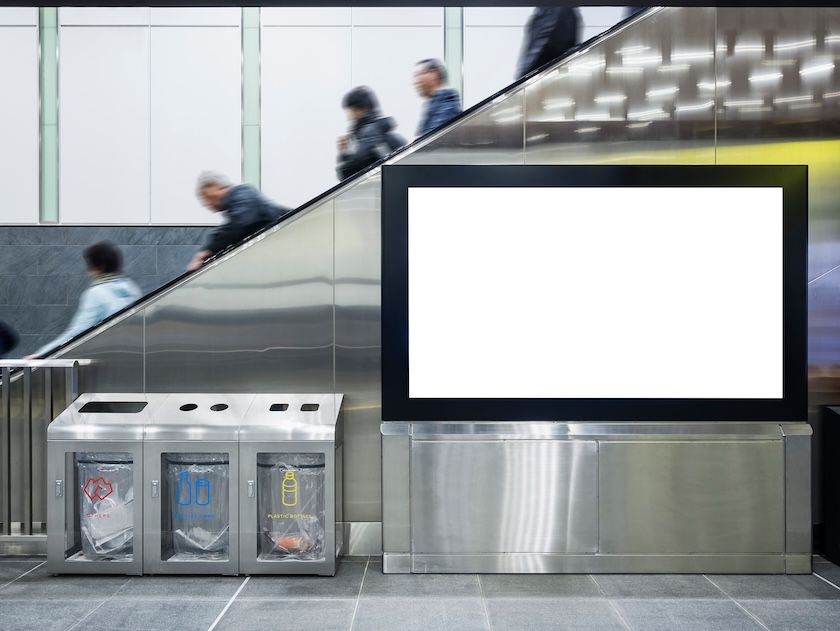
A: Station bins usually take bottles and cans near vending machines, not general wrappers or food waste.
Q: What should I do with rubbish while sightseeing?
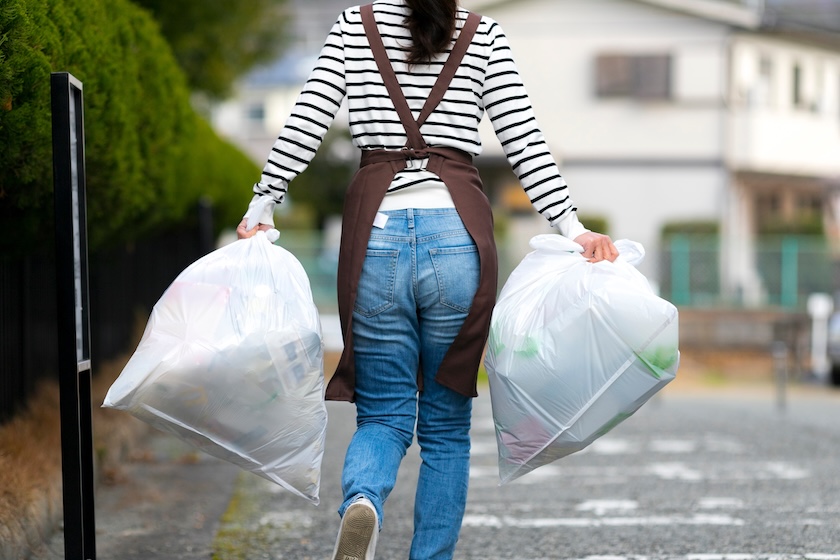
A: Carry a small bag for wrappers and containers, then dispose of everything once you reach a bin.
Q: Is it illegal to litter in Japan?
A: Yes, littering breaks local ordinances in most cities, and some wards now issue fines on the spot.
Q: Are there fines for littering or street smoking?
A: Certain wards, including Shibuya, fine littering on the spot and restrict smoking to designated outdoor areas.
Q: How does household rubbish sorting work in Japan?
A: Rubbish splits into burnable, non-burnable, plastics, and recyclables, each collected on a fixed weekday by area.
Q: Do vacation rentals require guests to sort rubbish?
A: Yes, most short-term rentals expect guests to follow the same sorting and collection-day rules as residents.
Q: What is the easiest way to carry rubbish while travelling?
A: A small resealable bag kept in your daypack works well for wrappers, tissues, and empty bottles.
Q: Are there more public bins now than a few years ago?
A: Nationwide numbers remain low, but wards like Shibuya now require shops and restaurants to provide bins for customers, effectively adding more places to dispose of rubbish.
Q: Will I get fined as a tourist for littering?
A: Enforcement varies, but multilingual patrol staff in some wards fine visitors just as they fine residents.
Why should I book with JapanDen?
How do I book a hotel or ryokan through JapanDen?
What types of accommodations do you offer in Japan?
How can JapanDen help with planning my trip?
As well as booking accommodation, JapanDen is a place to learn more about Japan and how you can make the most of your time in this special country. From in-depth region guides to stories from Japan, we’ll be regularly publishing carefully curated insights from Japanese culture, with recommendations for the best activities and attractions and the latest news. Looking forward, we’ll also be adding special community features so you can share ideas and inspiration with like-minded people. Please come back and visit us regularly as we continue to add new content. We want JapanDen to be your home away from home too.
Do you offer guided tours in Japan, and how can I book one?
As part of the JRPass.com group, we offer a dedicated Meet and Greet service with expert personal assistance on your arrival in Japan booked via JRPass.com, alongside nationwide and regional rail passes for travel. As JapanDen grows, we will be offering more services and activities to provide a complete Japan travel experience.
Can I purchase Japan Rail Passes through your website?
JapanDen is part of the JRPass.com group, book your passes and tickets directly on JRPass.com