Where to go in Japan in Winter
Snowy escapes, cosy onsens, and scenic winter attractions
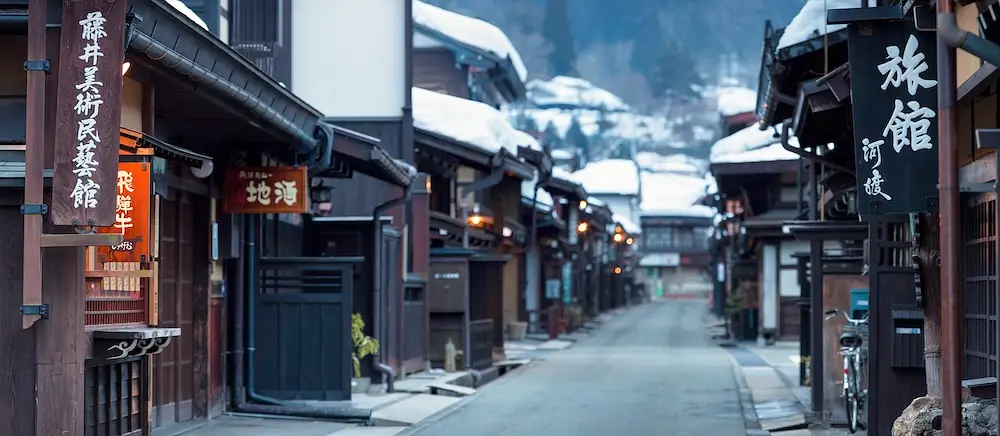
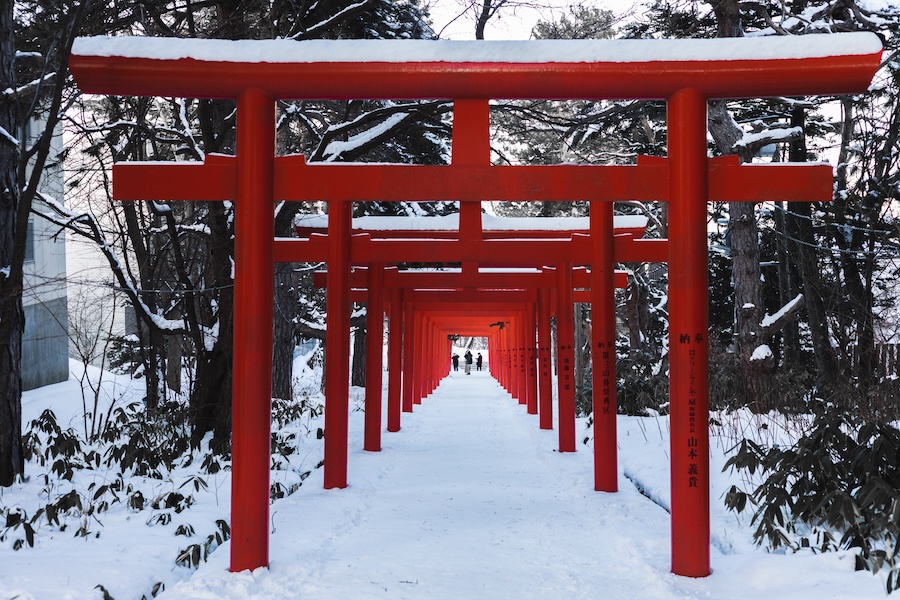
Japan in winter reveals snowy mountains, warm onsen towns, peaceful shrines, and softly illuminated streets. Snow-covered gardens, lantern-lit villages, and steaming hot springs create a quieter, more atmospheric setting. From snow festivals and alpine ski resorts to historic villages built for heavy snowfall, winter offers a distinct and rewarding way to experience Japan.
Category |
Information |
Type |
Winter Festival / Urban Park |
Location |
Hokkaido, Sapporo |
Address |
Odori Park, Chuo Ward, Sapporo, Hokkaido |
Opening Hours |
Park open daily; festival hours vary |
Admission/Ticket |
Free (some paid exhibitions) |
Official Website |
|
Languages/Signage |
Japanese / English |
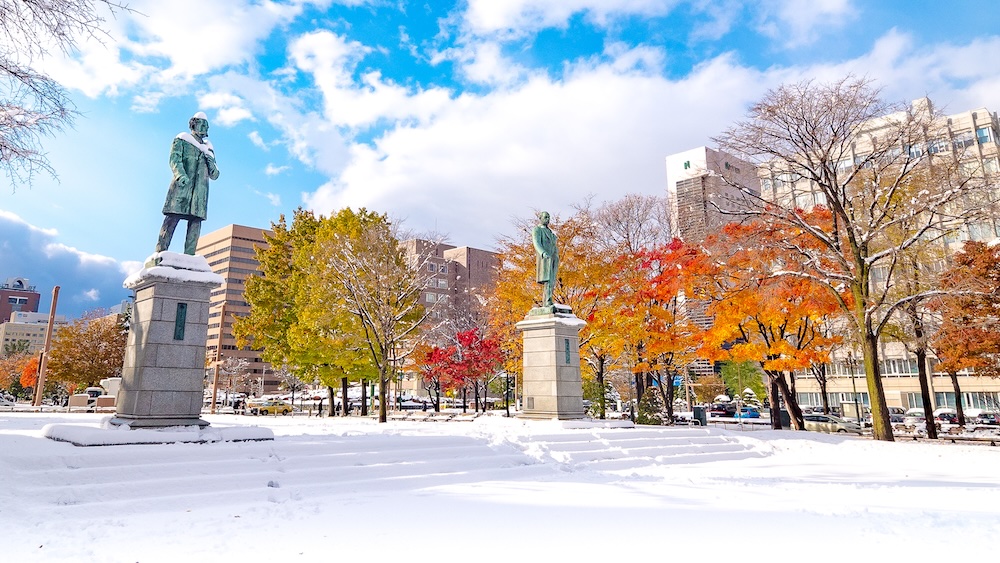
From JR Sapporo Station, take the subway to Odori Station on the Namboku, Tozai, or Toho Line.
City buses run frequently through central Sapporo and stop near Odori Park during the festival period.
Susukino ramen and soup curry
Sapporo TV Tower, Susukino Ice World
Tanukikoji Shopping Street
The Snow Festival began in 1950 (source) and is now one of Japan’s most recognised winter events.
Category |
Information |
Type |
Ski Resort |
Location |
Nagano Prefecture, Hakuba |
Address |
Happo-One, Hakuba, Nagano |
Opening Hours |
Varies by lift and conditions |
Admission/Ticket |
Lift passes required |
Official Website |
|
Languages/Signage |
Japanese / English |
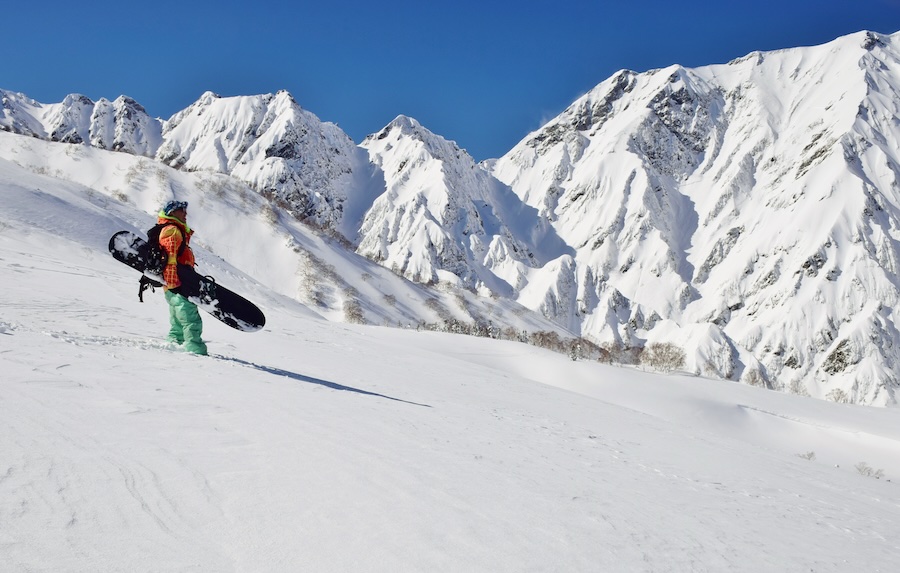
Take the Hokuriku Shinkansen to Nagano Station, then a direct bus to Hakuba Happo Bus Terminal.
Seasonal direct buses operate from Tokyo and Nagano during winter.
Local soba restaurants, après-ski dining
Happo-no-Yu onsen, Snow Monkey Park
Ski rental shops and outdoor gear stores
The resort hosted events during the 1998 Nagano Winter Olympics.
Category |
Information |
Type |
Historic Temple |
Location |
Kyoto Prefecture, Kyoto |
Address |
1 Kinkakuji-cho, Kita Ward, Kyoto |
Opening Hours |
09:00–17:00 |
Admission/Ticket |
¥500 |
Official Website |
|
Languages/Signage |
Japanese / English |
From JR Kyoto Station, take a city bus to the Kinkaku-ji-michi stop.
Multiple routes connect Kinkaku-ji with central Kyoto and Gion.
Traditional tea houses, udon and soba shops
Ryoan-ji and Ninna-ji temples
Temple-area souvenir stalls
Originally built in the 14th century, the pavilion is covered in gold leaf.
Category |
Information |
Type |
Historic Village |
Location |
Gifu Prefecture, Shirakawa |
Address |
Ogimachi, Shirakawa, Gifu |
Opening Hours |
Open daily |
Admission/Ticket |
Village is free; some houses charge |
Official Website |
|
Languages/Signage |
Japanese / English |
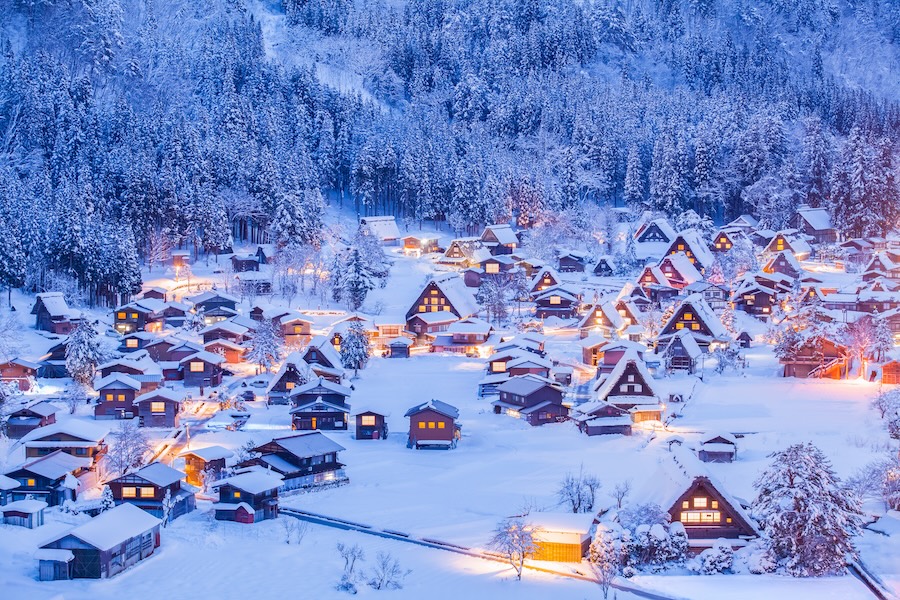
Take JR trains to Takayama Station, then transfer to a highway bus to Shirakawa-go.
Direct highway buses also run from Kanazawa.
Hida beef dishes, local winter food
Shiroyama Observation Deck, Wada House
Handmade crafts and regional souvenirs
The village is a UNESCO World Heritage Site known for snow-resistant architecture.
Category |
Information |
Type |
Landscape Garden |
Location |
Ishikawa Prefecture, Kanazawa |
Address |
1 Kenrokumachi, Kanazawa |
Opening Hours |
Seasonal |
Admission/Ticket |
¥320 |
Official Website |
|
Languages/Signage |
Japanese / English |
Take the Hokuriku Shinkansen to Kanazawa Station, then a local bus to the Kenroku-en stop.
Loop buses connect Kenroku-en with major city sights.
Omicho Market seafood
Kanazawa Castle, Nagamachi Samurai District
Gold-leaf products and traditional crafts
It is considered one of Japan’s three great gardens.
Category |
Information |
Type |
Onsen Town |
Location |
Yamagata Prefecture, Obanazawa |
Address |
Ginzan Shinhata, Obanazawa |
Opening Hours |
Town open daily |
Admission/Ticket |
Free (onsen fees vary) |
Official Website |
|
Languages/Signage |
Limited English |
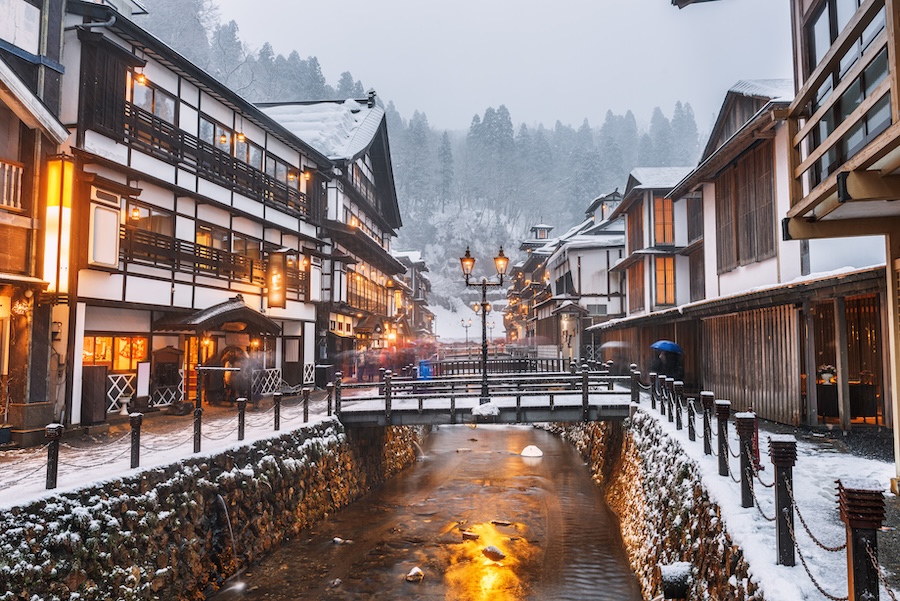
Take the Yamagata Shinkansen to Oishida Station, then continue by local bus or taxi.
Seasonal buses connect Oishida Station with Ginzan Onsen in winter.
Ryokan kaiseki meals, local soba
Riverside evening walks, public footbaths
Onsen-town souvenir shops
Originally a silver-mining town, it is now a historic hot spring retreat.
Category |
Information |
Type |
Volcanic Valley / Nature Walk |
Location |
Hokkaido, Noboribetsu |
Address |
Noboribetsu Onsencho, Noboribetsu, Hokkaido |
Opening Hours |
Open daily; daylight hours recommended |
Admission/Ticket |
Free |
Official Website |
|
Languages/Signage |
Japanese / English |
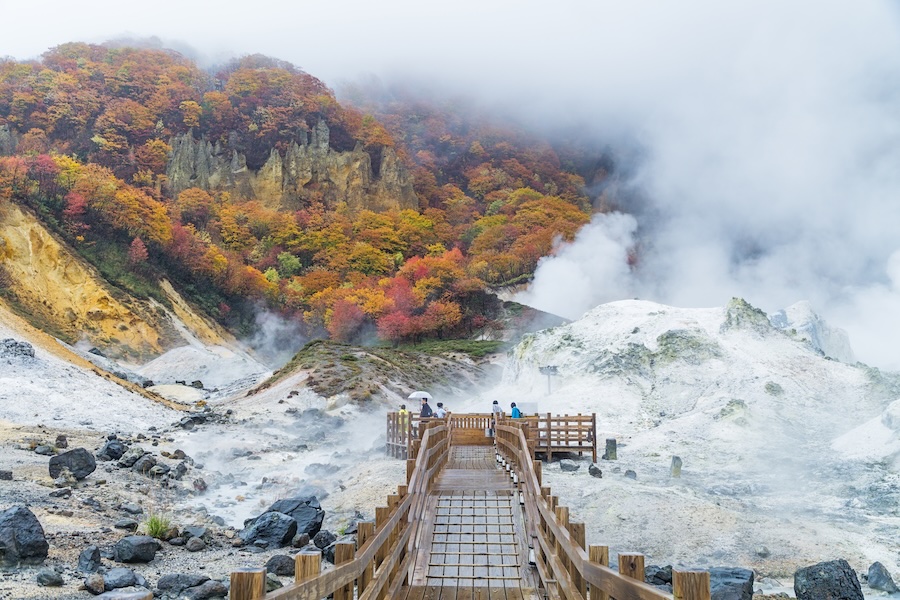,%20Noboribetsu.jpeg "Jigokudani (Hell Valley), Noboribetsu.")
Take the JR Limited Express from Sapporo to Noboribetsu Station.
Local buses connect Noboribetsu Station with the onsen area near the valley entrance.
Noboribetsu Onsen town restaurants
Oyunuma Pond, outdoor rotenburo baths
Onsen souvenirs and local snacks
The valley is the geothermal source of Noboribetsu’s mineral-rich hot springs and part of Shikotsu–Toya National Park.
Winter in Japan brings snow-covered landscapes, quieter cities, and seasonal traditions. Northern and alpine regions offer reliable snowfall, while urban areas feel calmer and easier to explore.
Snow festivals, ski resorts, and winter illuminations
Onsen towns with outdoor hot springs
Seasonal winter foods and limited-time menus
Fewer crowds at temples, gardens, and historic districts
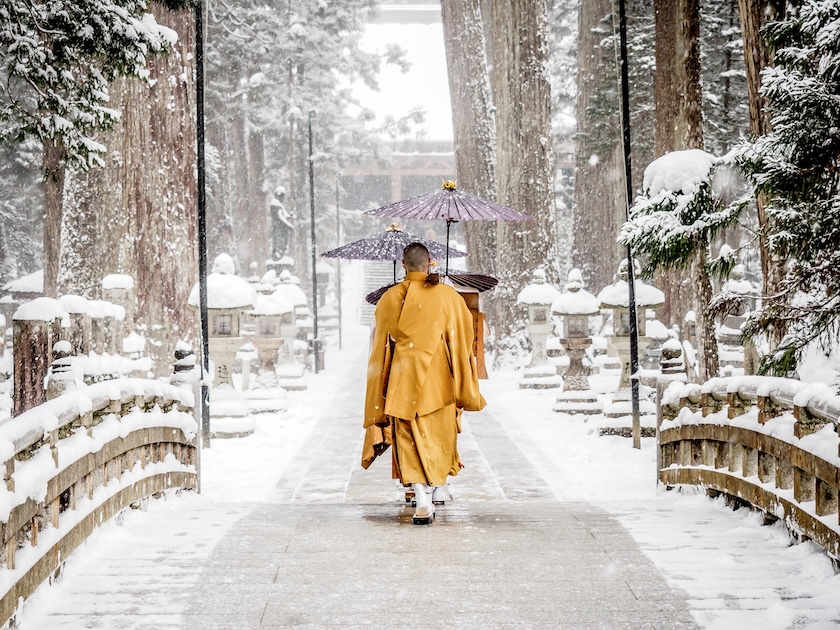
Winter suits a wide range of travellers and remains accessible in major destinations, with English signage and reliable transport.
Families seeking snow activities and festivals
Couples interested in onsen towns and scenic walks
Skiers and snowboarders travelling to alpine regions
Culture-focused travellers preferring fewer crowds
Best arrival times: January and February offer the most consistent snow.
Tickets: Reserve ski passes and onsen stays in advance.
Must-bring items: These include cash, a power bank, a Pocket Wi-Fi, or an eSIM.
Navigation: Allow extra time in rural areas during snowfall.
Peak seasons: Late December and weekends are busiest.
Etiquette: Follow onsen and shrine customs.
Wear warm layers, a windproof jacket, and waterproof shoes with good traction. Thermal base layers, gloves, and a hat are essential for outdoor sightseeing in snowy regions.
Winter travel across regions is easiest with JR Passes or Regional Rail Passes, which simplify long-distance routes between cities, ski resorts, and onsen towns. Pocket Wi-Fi and eSIM options make it easier to track weather changes, check train updates, and navigate rural areas.
Accommodation in ski and onsen regions often sells out well in advance during peak winter months, making early booking important. JapanDen’s hotel booking tools and airport Meet & Greet services can help streamline arrivals, lodging, and onward travel during the busy winter season.
Do I need special clothing for winter?
Warm layers, waterproof shoes, gloves, and thermal socks are recommended for most winter destinations.
Is winter good for first-time visitors?
Yes, winter offers smaller crowds, clear skies, and seasonal scenery that adds a different perspective to popular attractions.
Are trains reliable in winter?
Most train services run normally, although heavy snowfall can cause occasional delays in rural or mountainous regions.
Can all destinations be visited in one trip?
A 10–14 day itinerary comfortably allows travellers to visit two to four winter destinations.
Which attractions are most family-friendly?
Odori Park, Happo-One Ski Resort, and Shirakawa-go are well-suited for families travelling in winter.
Is winter ideal for onsen travel?
Yes, cold temperatures make outdoor hot springs especially enjoyable and atmospheric.
Where can I see guaranteed snow in winter?
Hokkaido and higher-elevation areas in Nagano offer the most reliable snowfall from late December through February.
Do I need to book winter accommodations in advance?
Ye, ski resorts and popular onsen towns often sell out well in advance during peak winter months.
Is Pocket Wi-Fi or eSIM necessary in winter?
Yes, reliable connectivity helps travellers monitor weather conditions, check transport updates, and navigate snowy regions.
Why should I book with JapanDen?
How do I book a hotel or ryokan through JapanDen?
What types of accommodations do you offer in Japan?
How can JapanDen help with planning my trip?
As well as booking accommodation, JapanDen is a place to learn more about Japan and how you can make the most of your time in this special country. From in-depth region guides to stories from Japan, we’ll be regularly publishing carefully curated insights from Japanese culture, with recommendations for the best activities and attractions and the latest news. Looking forward, we’ll also be adding special community features so you can share ideas and inspiration with like-minded people. Please come back and visit us regularly as we continue to add new content. We want JapanDen to be your home away from home too.
Do you offer guided tours in Japan, and how can I book one?
As part of the JRPass.com group, we offer a dedicated Meet and Greet service with expert personal assistance on your arrival in Japan booked via JRPass.com, alongside nationwide and regional rail passes for travel. As JapanDen grows, we will be offering more services and activities to provide a complete Japan travel experience.
Can I purchase Japan Rail Passes through your website?
JapanDen is part of the JRPass.com group, book your passes and tickets directly on JRPass.com
.jpg)